
Black-grass (Alopecurus myosuroides)

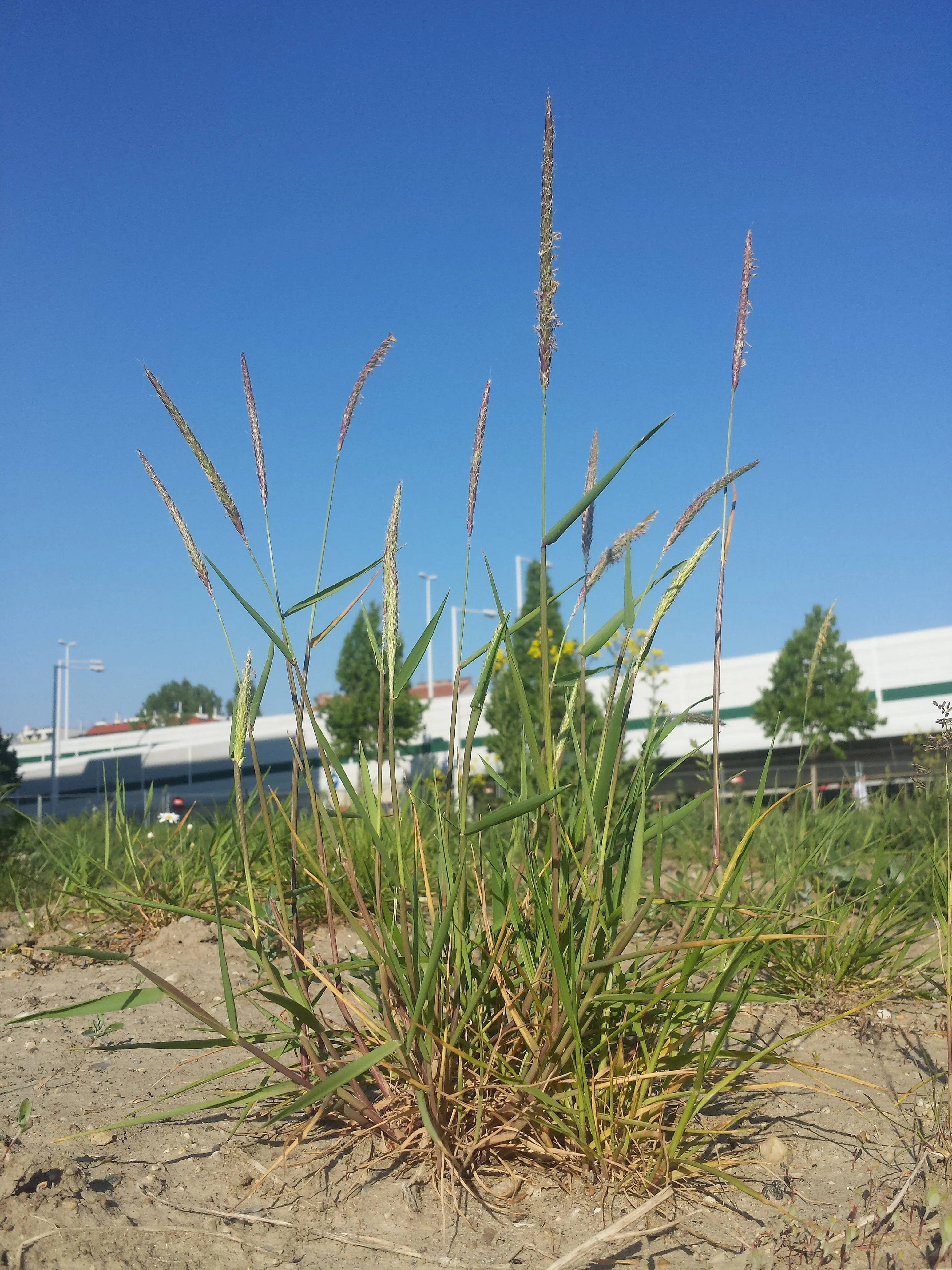
Black-grass (Alopecurus myosuroides)
Black-grass (Alopecurus myosuroides) — a non-parasitic winter weed of the family Poaceae (Poaceae), or grasses (Gramineae).
Life cycle: winter annual, less often wintering, spring annual, or perennial.
Other names: field foxtail, mouse-tail foxtail.
Taxonomy
Classification
Kingdom: Plants (Plantae)
Division: Flowering plants (Angiosperms) (Angiospermae)
Class: Monocots (Monocotyledones)
Order: Poales (Poales)
Family: Poaceae (Poaceae), or grasses (Gramineae)
Genus: Foxtail (Alopecurus sp.)
Species: Black-grass (Alopecurus myosuroides Hyds.)
Photographs

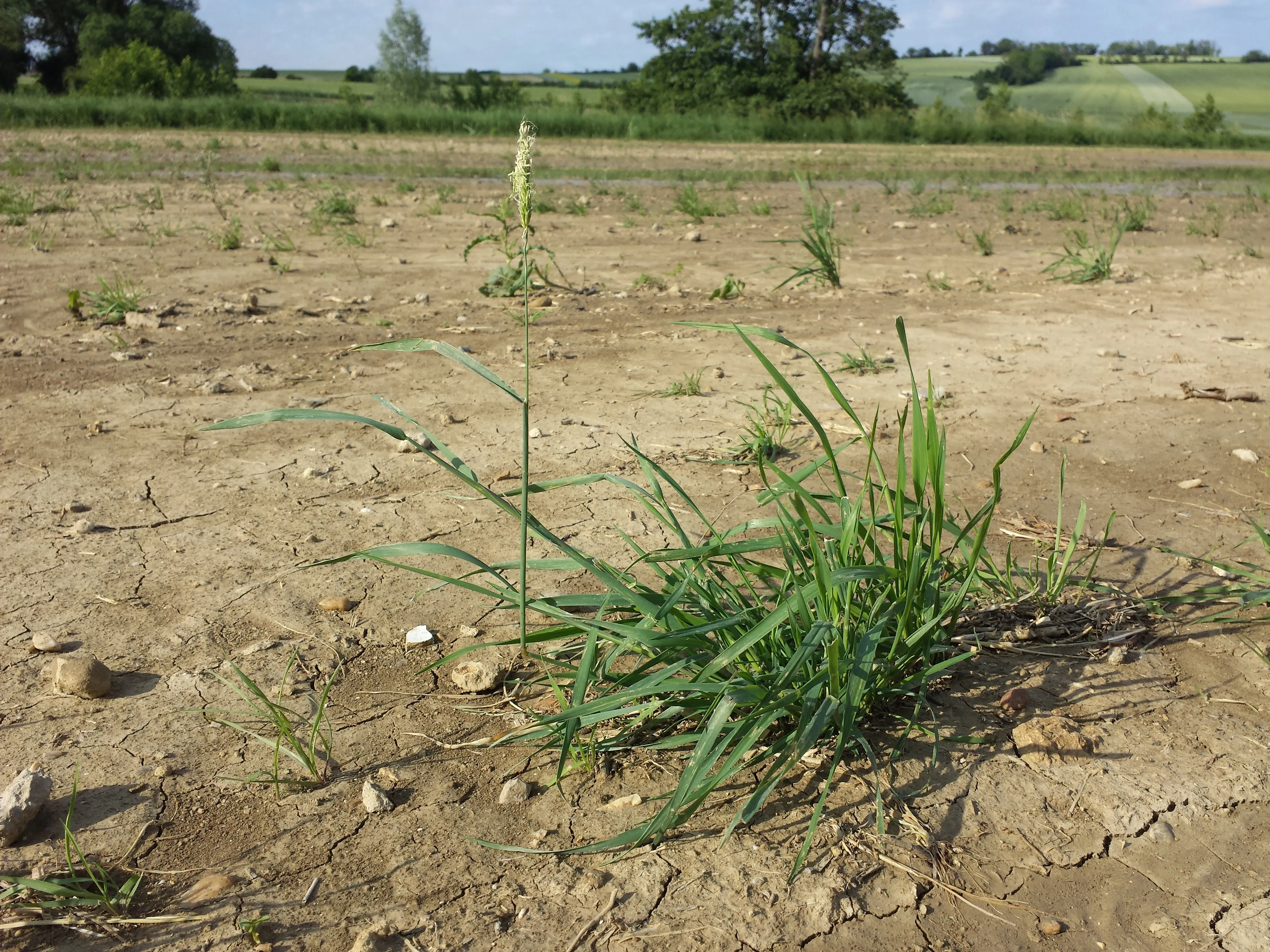
Black-grass (Alopecurus myosuroides)

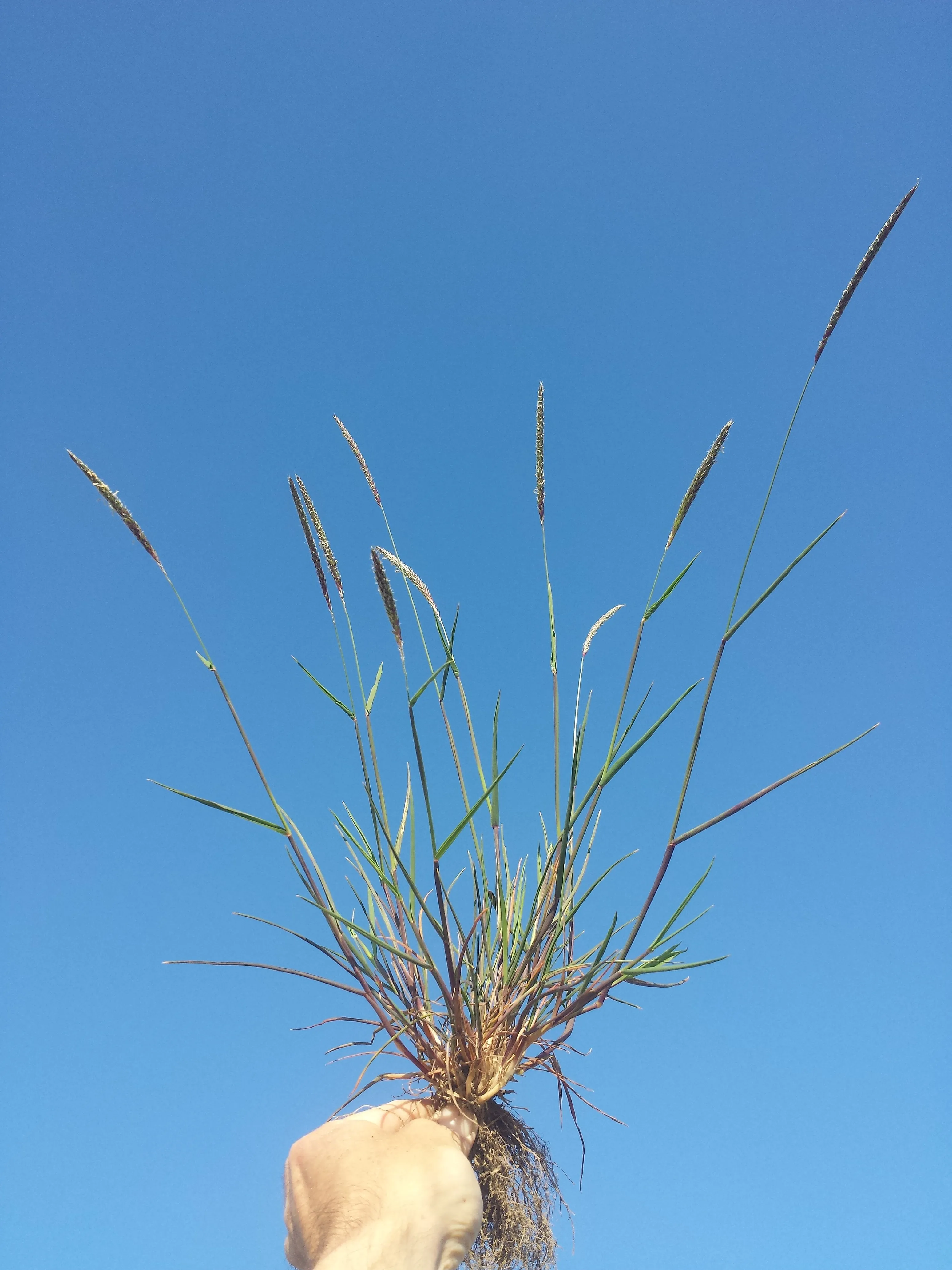
Black-grass (Alopecurus myosuroides)

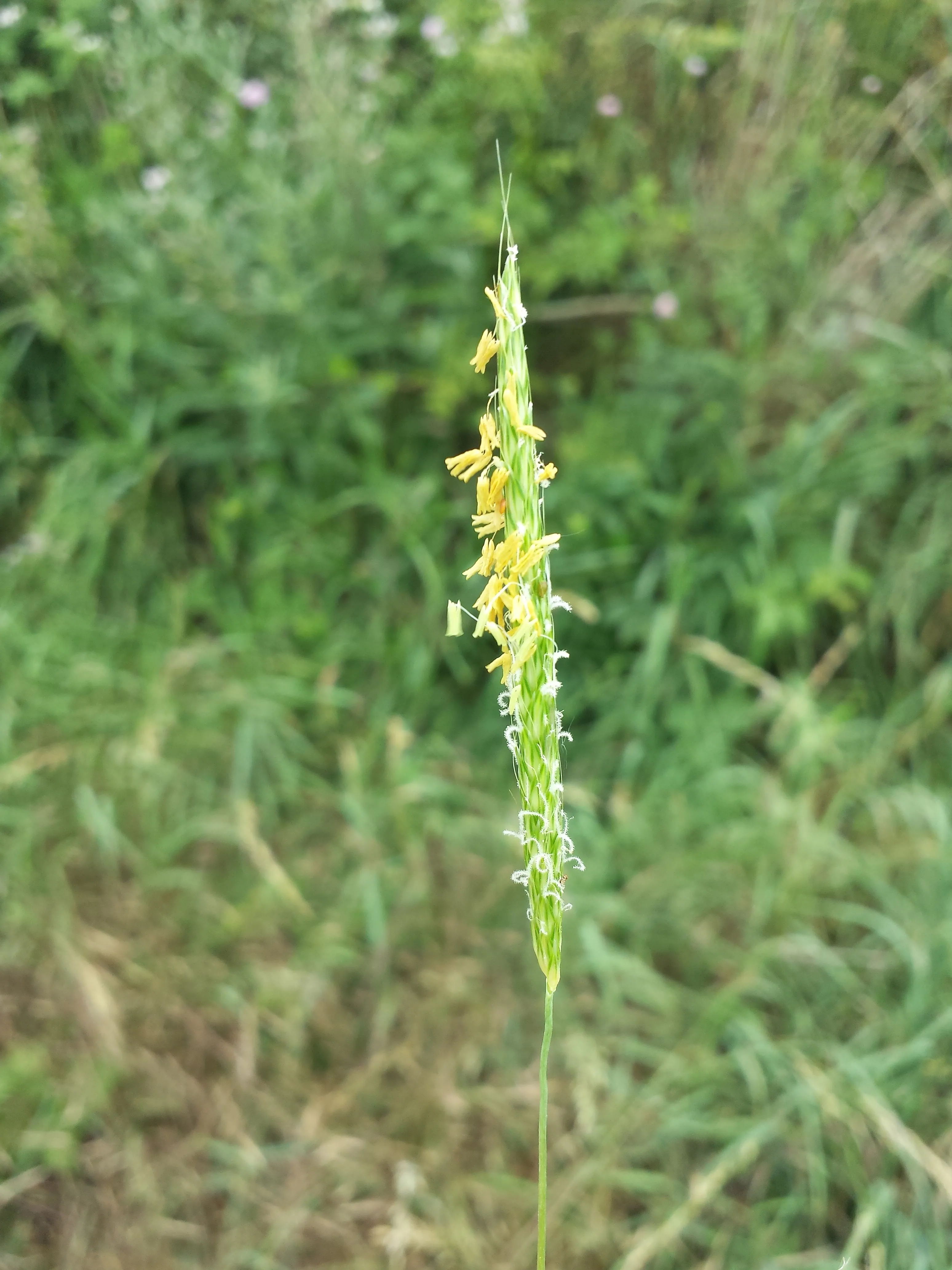
Black-grass (Alopecurus myosuroides)


LCD 4-in-1 Soil Tester
Check essential growing conditions with one compact tool. Measure soil pH, moisture, temperature and light intensity — ideal for gardens, potted plants and greenhouses.
- 4-in-1 measurement
- Easy-to-read LCD display
- Portable design
Affiliate link · For indicative measurements only.
Botanical description
Root system
The root system is fibrous.
Seedlings
Seedlings with delicate, linear, narrow, hairless cotyledonous leaves, often reddish at the base and spirally twisted, with an acute tip.
Leaves
Leaves narrow, linear, 4–6 mm wide, with sharp edges, long-acuminate at the apex, without auricles.
Ligule long, 2 (4) mm long, rigid, with an uneven fringe.
Stems
Tussock-forming plant.
Stems erect or ascending, numerous, geniculate.
Plant height (10) 20–40 (60) cm.
Inflorescences
Inflorescence a flexible spike, elongated and narrow, up to 6–7 cm long, narrowed toward both ends, becoming reddish and pointed at the tip as it matures.
Flowers gathered in ovate-oblong, single-flowered spikelets, 4–5 mm long, broadly convex, with one awn.
Glumes fused along their margins to half their length. Lemmas up to 4.5 mm long, with a geniculate awn up to 5 mm long.
Anthers up to 3 mm long.
Fruit
Fruit an elongated-oval, flat caryopsis, slightly shiny, up to 6 mm long, up to 3 mm wide.
Ecology
Soil requirements
Grows on medium to heavy, moist, calcareous, fertile soils with sufficient moisture supply.
Habitats
Black-grass occurs in wet places lacking a sod cover.
A ruderal, unstable weed plant.
Habitats: fallow lands, along roads, rarely in crops and vegetable gardens, in settlements, meadows, rarely along the banks of streams and irrigation ditches.

Solar Automatic Drip Irrigation Kit for Gardens
Automate watering for pots, gardens and small greenhouses. This solar-powered system features a timer to help schedule water delivery to your plants.
- Solar-powered
- 15 m irrigation hose
- Programmable watering
Affiliate link · Check included accessories.
Physiology
Germination
Seed germination occurs from the soil surface at sufficient moisture and a temperature of 2–5 °C.
Vegetation
Black-grass germinates mainly in autumn, but also in spring.
Flowering May–June. Fruiting (June) July–(August).
Reproduction
Reproduces by seeds.
One plant can produce 200–400 (Klaassen). According to other data, about 300 caryopses (Bazdyrev).
Weight of 1000 seeds — about 2.5 g.
Distribution
Alopecurus myosuroides is found primarily in Europe and Asia Minor.
In Russia, it is distributed across the southern regions of the European part of the country. It extends further north into disturbed areas.
Distribution Areas
Russia:
- European part: Lower Don (Volgograd Oblast (west), Rostov Oblast, Krasnodar Krai (north), Republic of Kalmykia); Lower Volga (Astrakhan Oblast, Volgograd Oblast (west)); Crimean (Republic of Crimea and Sevastopol);
- North Caucasus — all regions.
Georgia, Armenia, Azerbaijan, Kyrgyzstan, Turkmenistan, Uzbekistan, Tajikistan — all regions.
Ukraine: Black Sea region (Odessa Oblast, Mykolaiv Oblast, Kherson Oblast, Zaporizhzhia Oblast, Donetsk Oblast).
Kazakhstan:
- Lower Volga (West Kazakhstan Region (west), Atyrau Region (west));
- Aral-Caspian (West Kazakhstan Region (east), Atyrau Region (east), Aktobe Region, Mangystau Region, Kyzylorda Region);
- Balkhash region (Karaganda Region (south), Almaty Region (north), Zhambyl Region, Turkistan Region);
- Dzungarian-Tarbagatai (Tarbagatai and Dzungarian mountains);
- Tian Shan (Tian Shan mountains);
- Syr Darya (Syr Darya basin).

7-in-1 Wi-Fi Weather Station
Monitor local weather conditions with a wireless outdoor sensor. Track temperature, humidity, rainfall, wind speed and direction, and atmospheric pressure. Ideal for gardens, farms and greenhouses.
- Wireless outdoor sensor
- Solar-powered
- Wi-Fi connectivity
Affiliate link · Check regional compatibility.
Harmfulness
Crop infestation
It infests crops of winter and spring cereals, row crops, forage crops, flax, meadows, and pastures.
Under conditions of agricultural intensification, it has become widespread.
Useful properties
Forage value
Erect forms of black-grass are readily eaten by livestock.
It is of importance on winter pastures.

40W Full Spectrum LED Grow Light
Support healthy plant growth with full-spectrum LED lighting. Ideal for seedlings, indoor plants and small growing spaces. A practical solution for indoor gardening and year-round cultivation.
- Full-spectrum LED
- Energy-efficient design
- Indoor plant growing
Affiliate link · Check actual power and light coverage.
Control methods
Chemical methods
For chemical control, timely and high-quality soil treatment with herbicides of the 2,4-D group and 2M-4X is carried out.
In crops, the use of graminicides is recommended.
List of sources
- Bazdyrev G.I. (1993) Weeds and their control in modern agriculture: A textbook for universities. Moscow: MSKhA Publishing House.
- Nikitin, V.V. (1983) Weeds of the flora of the USSR. Leningrad: Nauka.
- Klaassen, H., Freitag, J. (2004) Weeds: distribution and harmfulness, species identification. Joint publication of the agricultural publishing house Landwirtschaftsverlag Münster-Hiltrup and BASF AG, Limburgerhof.
- Gubanov I.A., Kiselyova K.V., Novikov V.S., Tikhomirov V.N. (2002) Illustrated identification guide to plants of Central Russia. Volume 1: Ferns, horsetails, clubmosses, gymnosperms, angiosperms (monocots). Moscow: KMK Scientific Press Association, Institute of Technological Research.
- Larin I.V. et al. (1950) Forage plants of hayfields and pastures of the USSR. Volume I. Spore-bearing plants. Gymnosperms and monocots. Moscow: State Publishing House of Agricultural Literature.
- S_11
