
Autumn Hawkbit (Leontodon autumnalis)

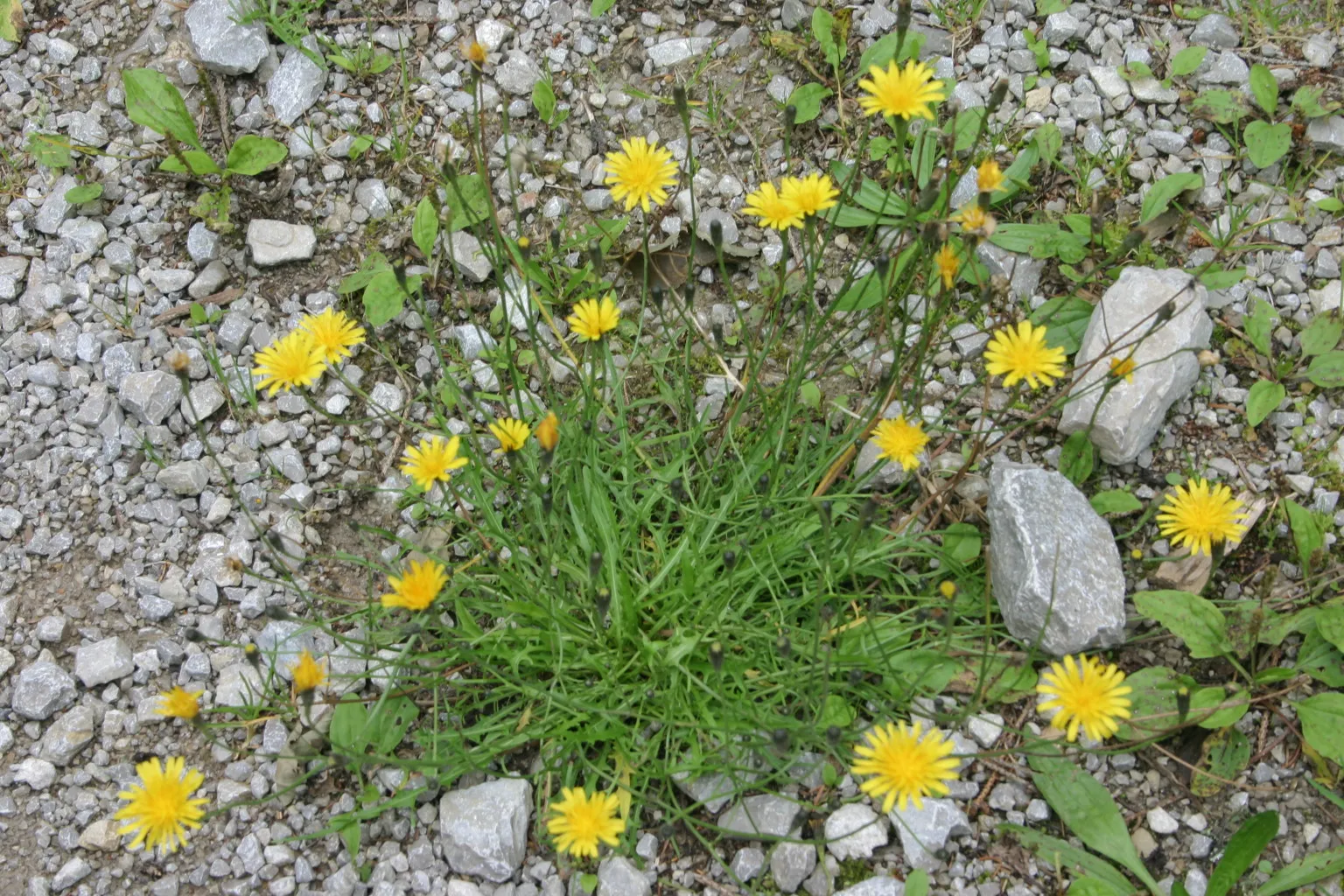
Autumn Hawkbit (Leontodon autumnalis)
Autumn hawkbit (Leontodon autumnalis L.) — is a non-parasitic perennial tap-rooted herbaceous weed of the Asteraceae family (Asteraceae).
Life cycle: perennial.
Other names: fall hawkbit (Eng.).
Taxonomy
Classification
Kingdom: Plants (Plantae)
Division: Flowering plants (Angiosperms) (Angiospermae)
Class: Dicotyledons (Dicotyledoneae)
Order: Asterales (Asterales)
Family: Asteraceae (Asteraceae)
Genus: Hawkbit (Leontodon)
Species: Autumn hawkbit (Leontodon autumnalis L.)
Origin
Native to Europe and Asia. Introduced weed in North America.
Photos

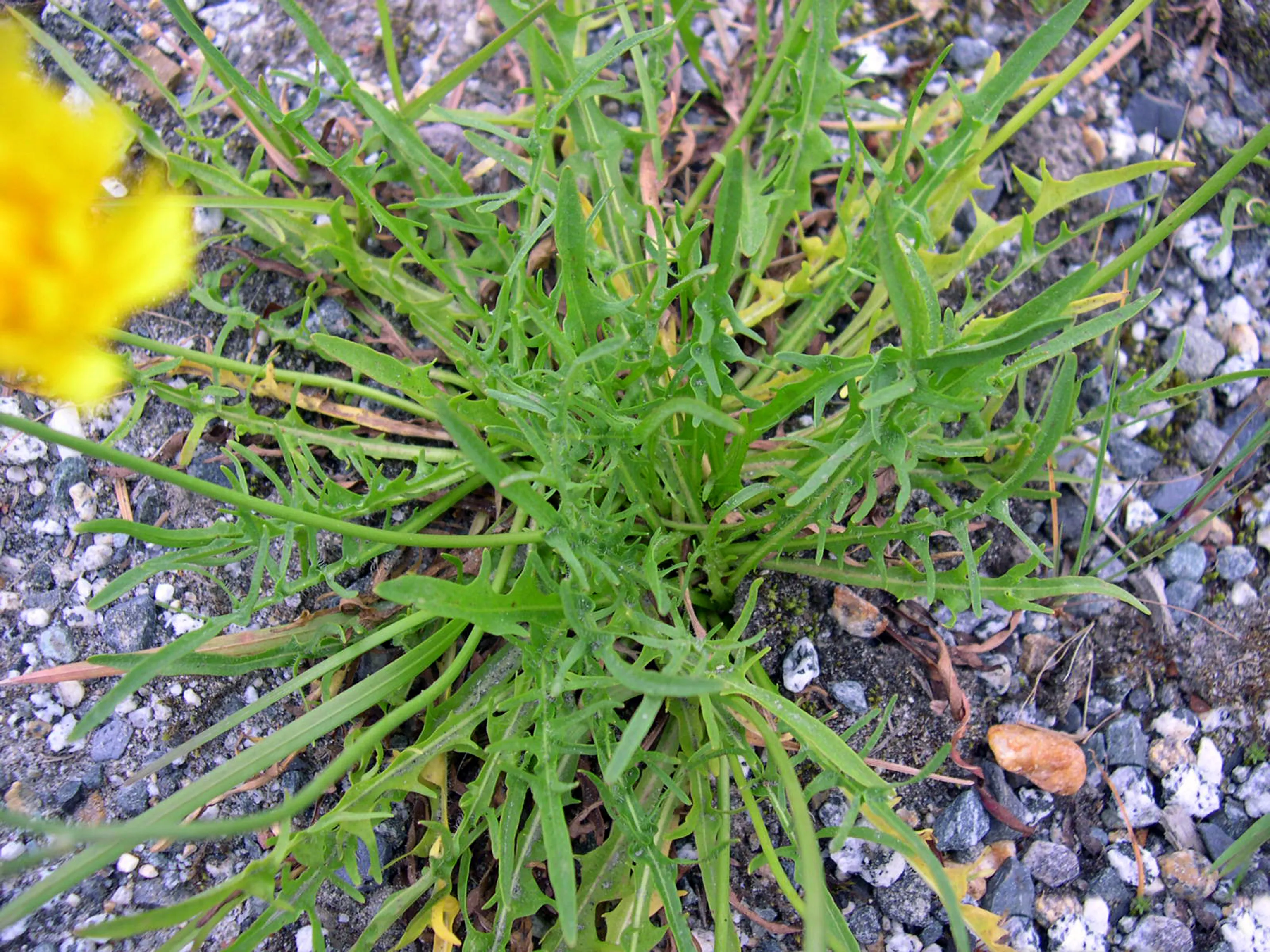
Autumn Hawkbit (Leontodon autumnalis)
license::{PUBLIC_DOMAIN}

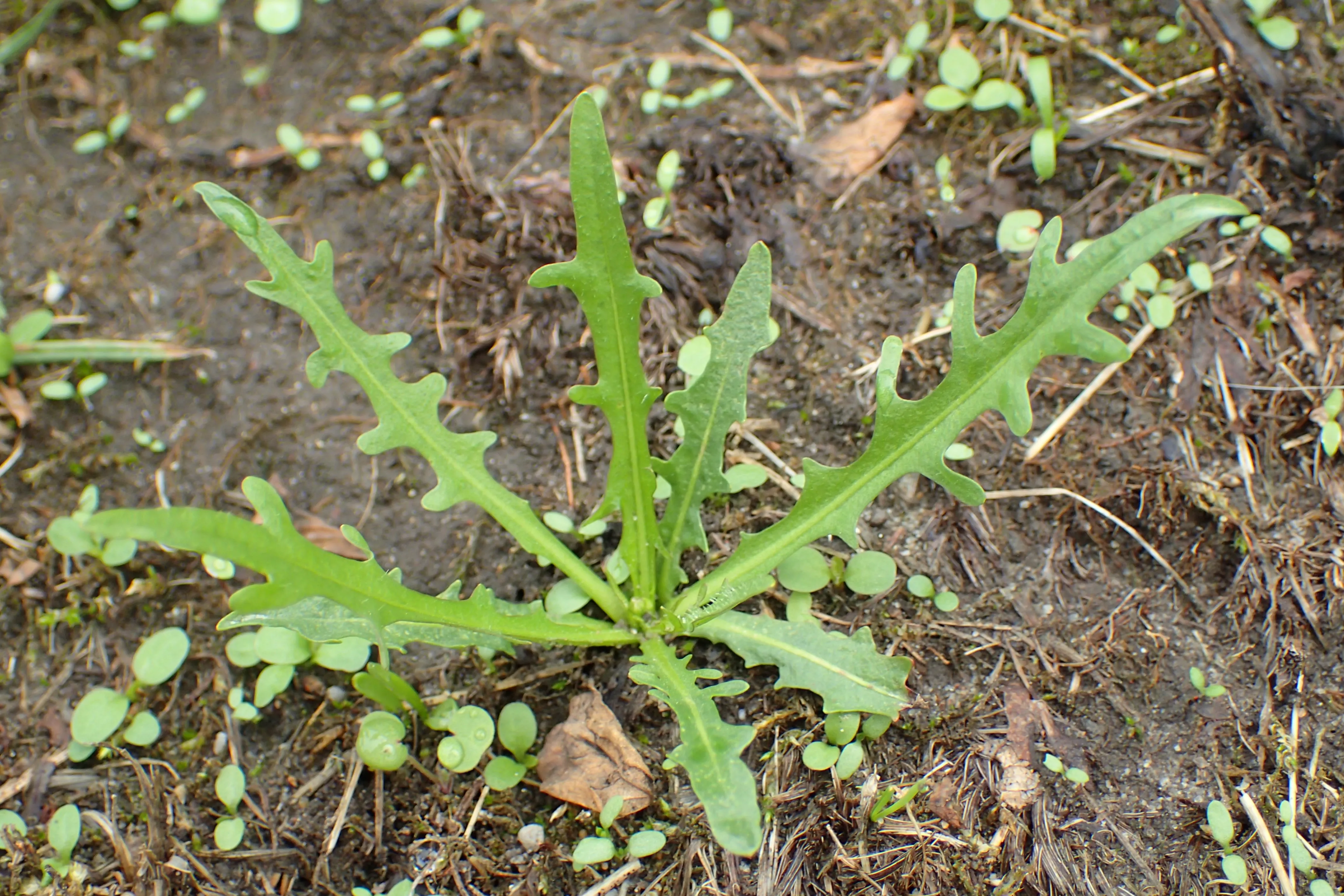
Autumn Hawkbit (Leontodon autumnalis)

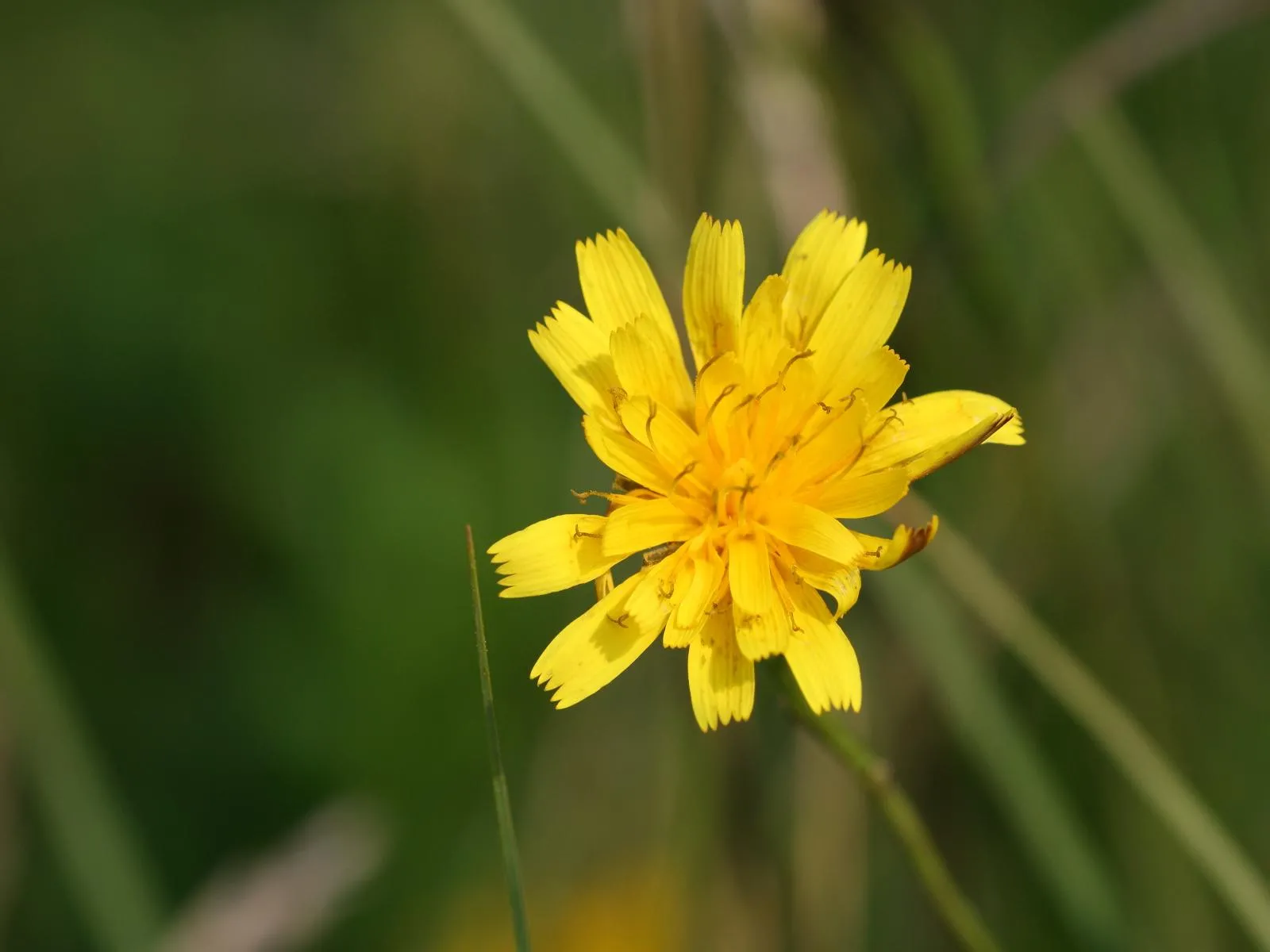
Autumn Hawkbit (Leontodon autumnalis)


LCD 4-in-1 Soil Tester
Check essential growing conditions with one compact tool. Measure soil pH, moisture, temperature and light intensity — ideal for gardens, potted plants and greenhouses.
- 4-in-1 measurement
- Easy-to-read LCD display
- Portable design
Affiliate link · For indicative measurements only.
Botanical Description
Root System
Taproot, short.
Seedlings
Cotyledon leaves lanceolate, 8–12 mm long, 1.5–2.5 mm wide.
Leaves
Leaves mostly basal (in a rosette), alternate, glabrous, oblong to lanceolate (in general outline), 4–35 cm long, 5–40 mm wide, margins entire to deeply lobed (deeply pinnatifid).
Stems
Stems (dichotomously) branched, leafless, ascending, glabrous or with sparse simple hairs.
Flowering stems 10–80 cm tall, often up to 20 stems per rosette, woolly-hairy beneath the heads, with a few small leaves and several flower heads.
Height (10) 20–50 (60) cm.
Inflorescences
Inflorescence — capitula (anthodia) one to five in an umbel, 7–13 mm long. Capitula many-flowered, borne singly at the tips of stems.
Pedicels with campanulate bracts (involucres) beneath each head. 18–20 bracts, 10–12 mm long, arranged in two rows.
All florets (20–30 per head) are ligulate, bisexual, yellow, 13–16 mm long, with black stigmatic branches.
Fruit
Fruit — a cylindrical achene, 4–7 mm long, slightly curved, dark brown. When mature, they become distinctly transversely wrinkled, with a single-row pappus.
Pappus yellowish-white to tawny, 5–8 mm long, consisting of plumose bristles.
Ecology
Soil Requirements
Autumn hawkbit grows on drained, light-textured, infertile soils.
Habitats
Habitats: meadows, clearings, wastelands, shrub thickets, forest edges, fallow lands, rubbish places, along roads, field boundaries, near crops, in settlements, on weedy places.

Solar Automatic Drip Irrigation Kit for Gardens
Automate watering for pots, gardens and small greenhouses. This solar-powered system features a timer to help schedule water delivery to your plants.
- Solar-powered
- 15 m irrigation hose
- Programmable watering
Affiliate link · Check included accessories.
Physiology
Germination
Minimum germination temperature is 6–8°C, optimum 20–24°C.
Maximum germination depth is 4–6 cm.
Vegetation
Seedlings emerge in early spring and autumn.
Flowering June–October. Peak flowering occurs in autumn (hence the species name). Achene maturation July–late autumn.
Reproduction
Maximum fecundity of one plant is 4,900 achenes (Bazdyrev).
Weight of 1,000 seeds — 0.9–1 g.
Distribution
Autumn hawkbit in Russia is distributed in the European part, the Caucasus, and Western Siberia. As an introduced species, in Eastern Siberia and the Far East.
Distribution Regions
Russia:
- European part — all regions;
- North Caucasus — all regions;
- Western and Eastern Siberia: Ob (Tomsk Oblast, Tyumen Oblast, Sverdlovsk Oblast (east), Yamalo-Nenets Autonomous Okrug, Khanty-Mansi Autonomous Okrug, Krasnoyarsk Krai (west)), Upper Tobol (Chelyabinsk Oblast (east), Kurgan Oblast, Orenburg Oblast (east)), Irtysh (Omsk Oblast, Novosibirsk Oblast, Kemerovo Oblast, Altai Krai), Altai (Altai Republic), Angara-Sayan (Krasnoyarsk Krai (south), Republic of Khakassia, Republic of Tyva, Irkutsk Oblast, Republic of Buryatia (south-west));
- Far East: Ussuri (Primorsky Krai, Khabarovsk Krai (south)), Sakhalin (Sakhalin Oblast), Kamchatka (Kamchatka Krai).
Belarus, Latvia, Lithuania, Estonia, Ukraine, Moldova, Georgia, Armenia, Azerbaijan — all regions.
Kazakhstan:
- Lower Volga (West Kazakhstan Oblast (west), Atyrau Oblast (west));
- Upper Tobol (Kostanay Oblast (north));
- Irtysh (North Kazakhstan Oblast, Akmola Oblast, Karaganda Oblast (north), Pavlodar Oblast, Kostanay Oblast (south), East Kazakhstan Oblast (west));
- Altai (East Kazakhstan Oblast (east)).

7-in-1 Wi-Fi Weather Station
Monitor local weather conditions with a wireless outdoor sensor. Track temperature, humidity, rainfall, wind speed and direction, and atmospheric pressure. Ideal for gardens, farms and greenhouses.
- Wireless outdoor sensor
- Solar-powered
- Wi-Fi connectivity
Affiliate link · Check regional compatibility.
Harmfulness
Crop Infestation
Infests perennial grass crops and meadows, urban lawns, vegetable crops. Does not infest field crops. Produces mass germination in autumn in winter crop sowings.
Useful Properties
Honey Plant
Honey plant.
Fodder Value
Fodder plant.

40W Full Spectrum LED Grow Light
Support healthy plant growth with full-spectrum LED lighting. Ideal for seedlings, indoor plants and small growing spaces. A practical solution for indoor gardening and year-round cultivation.
- Full-spectrum LED
- Energy-efficient design
- Indoor plant growing
Affiliate link · Check actual power and light coverage.
Control Methods
Agronomic Methods
The main control measures include deep cutting with share cultivators or heavy disc harrows to a depth of 12–14 cm.
Chemical Methods
Autumn hawkbit is resistant to most herbicides.
References
- Bazdyrev, G.I. (1993) Weed Plants and Control Measures in Modern Agriculture: A Textbook for Universities. Moscow: MSHA Publishing House.
- Dickinson, R., Royer, F. (2014) Weeds of North America. The University of Chicago Press.
- Nikitin, V.V. (1983) Weed Plants of the Flora of the USSR. Leningrad: Nauka.
- Gubanov I.A., Kiseleva K.V., Novikov V.S., Tikhomirov V.N. (2004) Illustrated Guide to Plants of Central Russia. Volume 3: Angiosperms (Dicotyledons: Choripetalae). Moscow: KMK Scientific Press, Institute of Technological Research.
