
Field Forget-me-not (Myosotis arvensis)

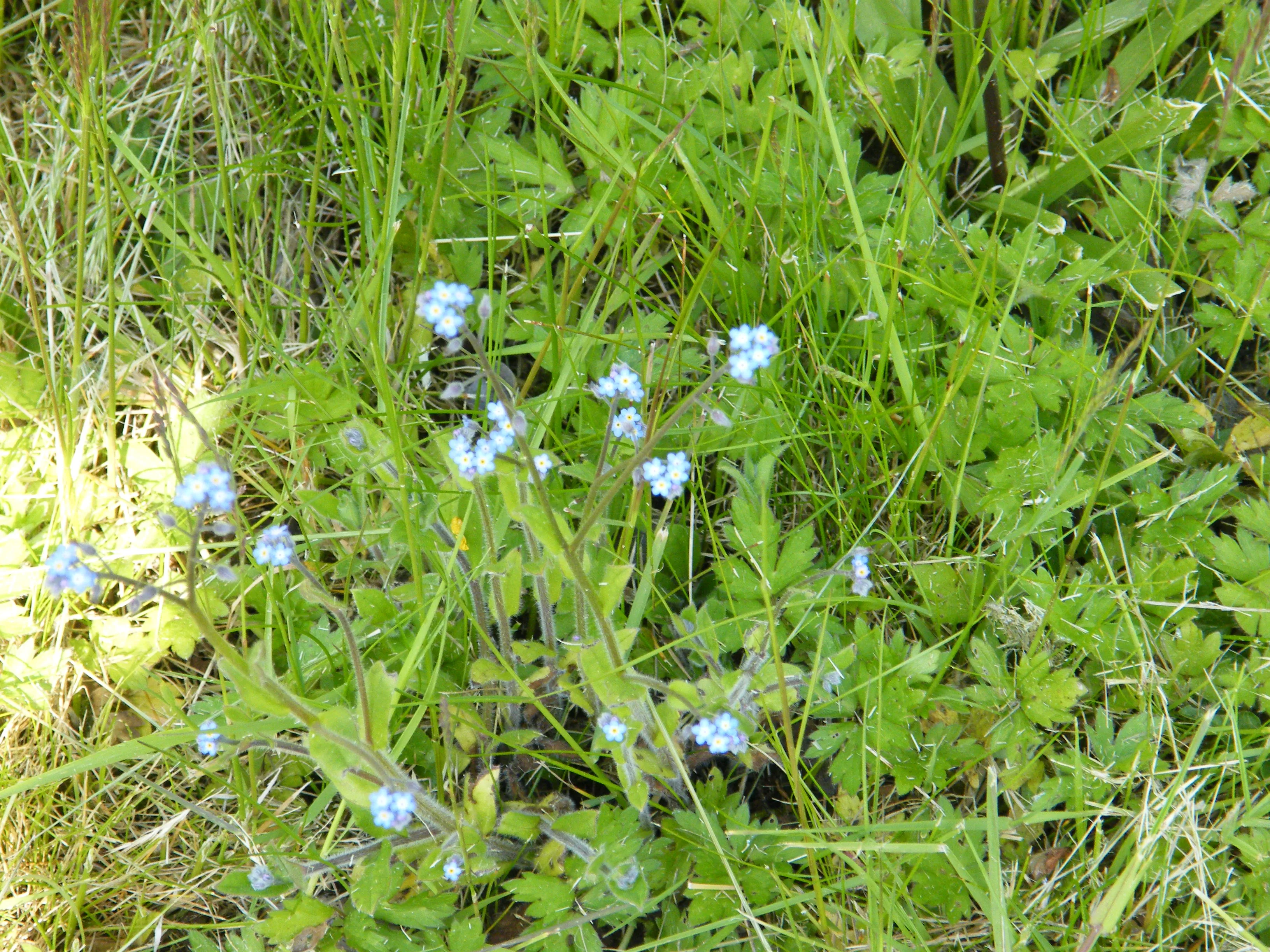
Field Forget-me-not (Myosotis arvensis)
Field Forget-me-not (Myosotis arvensis) is a non-parasitic wintering weed of the Borage family (Boraginaceae).
Life cycle: annual or biennial.
Taxonomy
Classification
Kingdom: Plants (Plantae)
Division: Flowering plants (Angiosperms) (Angiospermae)
Class: Dicotyledons (Dicotyledoneae)
Order: Lamiales (Lamiales)
Family: Boraginaceae (Boraginaceae)
Genus: Forget-me-not (Myosotis)
Species: Field Forget-me-not (Myosotis arvensis L. Hill.)
Similar Species
Branching Forget-me-not (Myosotis ramosissima Rochel ex Schult. (Myosotis collina auct., non Hoffm.). Plant height 8–30 cm, stems thin, slender, pubescent. Flowers small with a blue or dark blue corolla. Found in all regions of the chernozem belt (occasionally further north). Grows in dry forests, forest edges, dry meadows, roadsides. Distinguished by loose racemes, pedicels equal in length to the calyx, which is open at fruiting.
Photographs

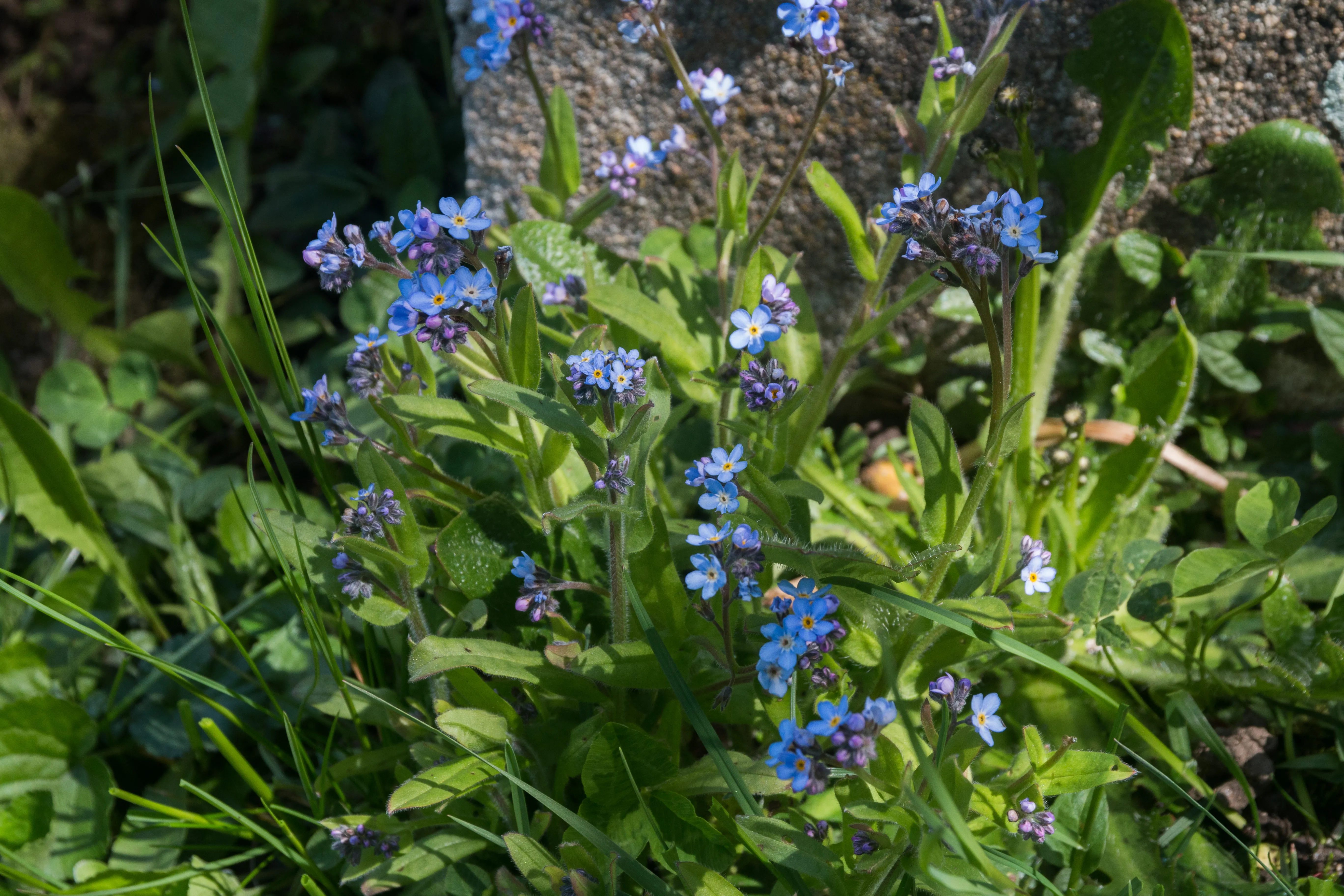
Field Forget-me-not (Myosotis arvensis)

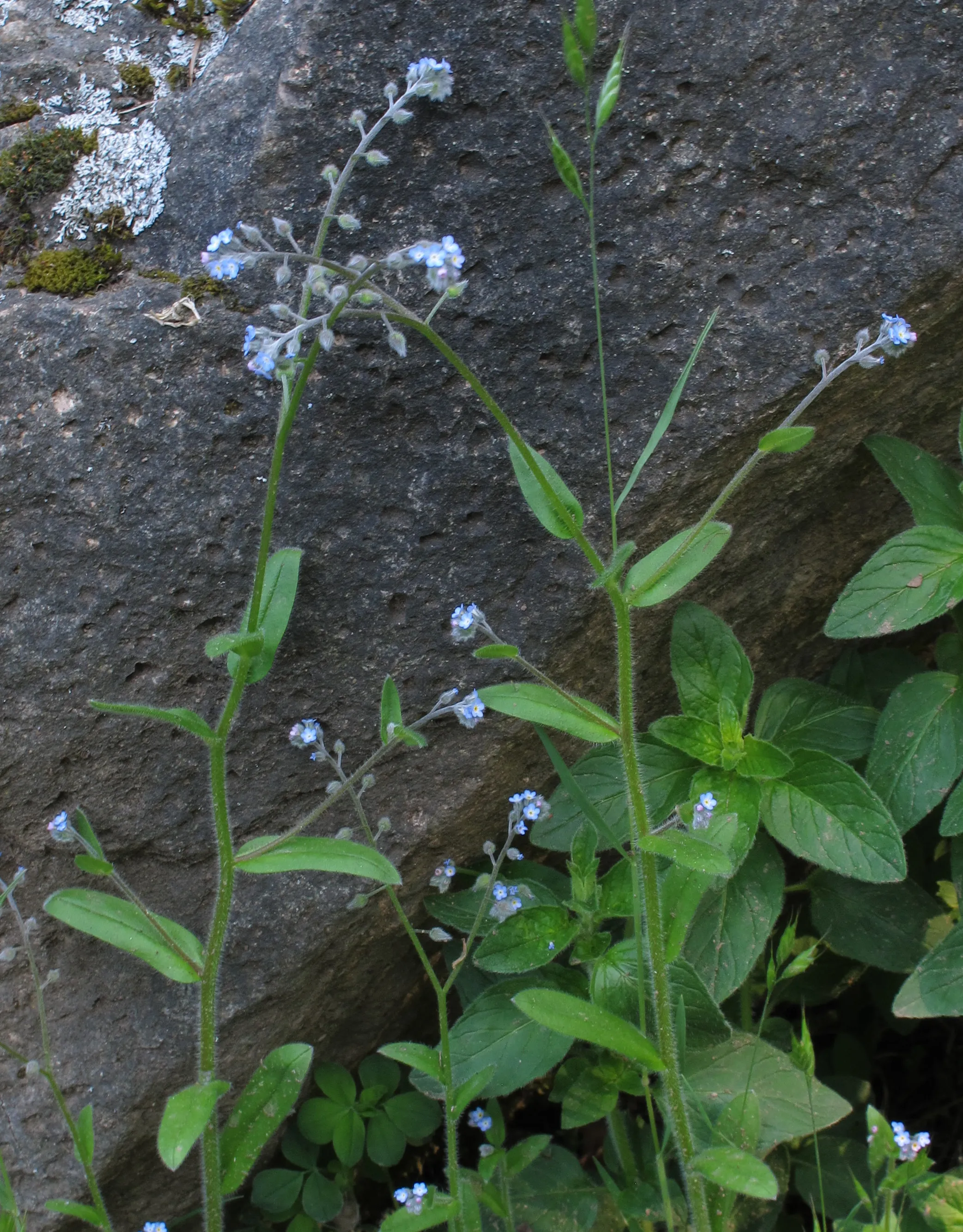
Field Forget-me-not (Myosotis arvensis)

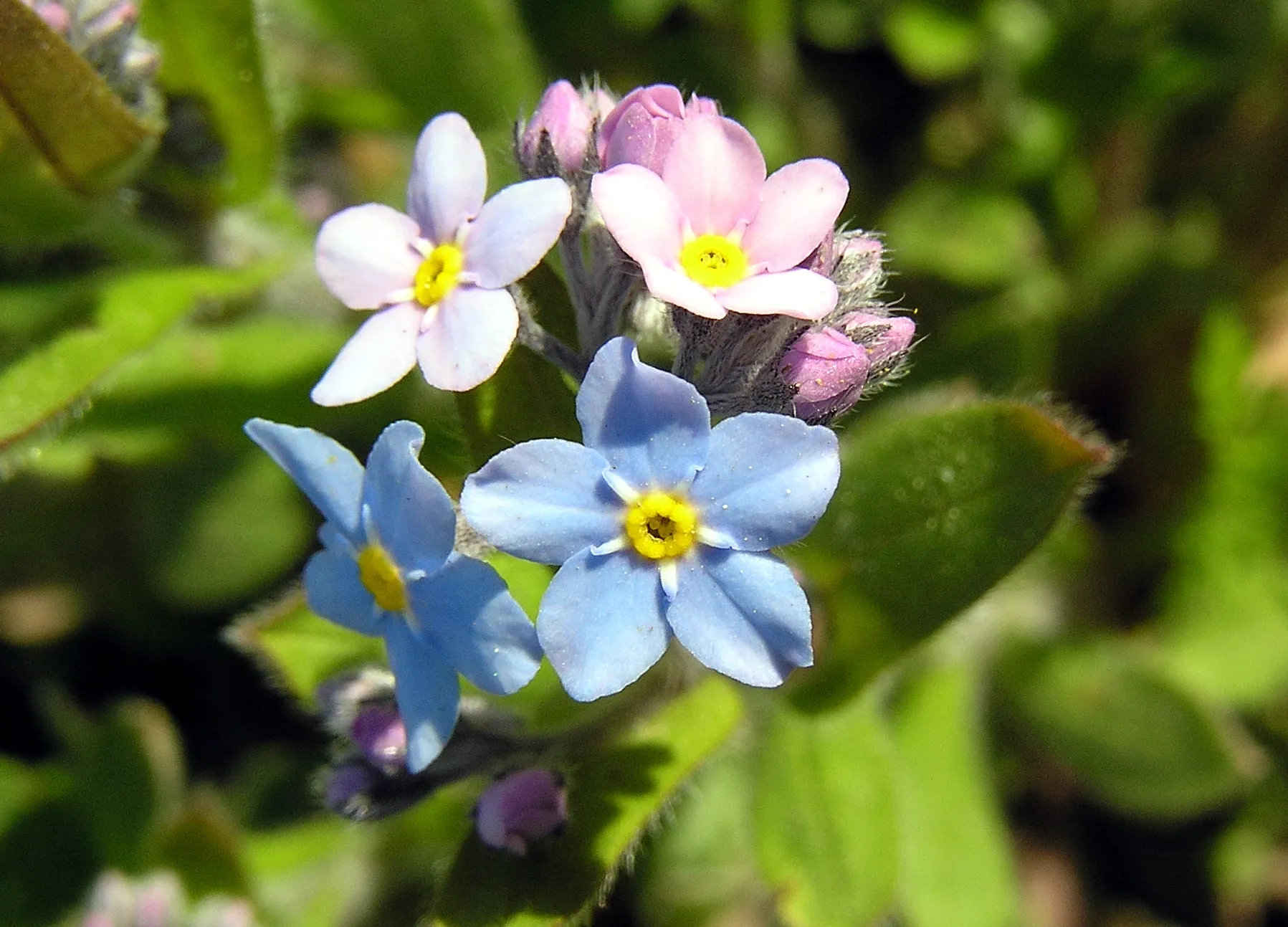
Field Forget-me-not (Myosotis arvensis)


LCD 4-in-1 Soil Tester
Check essential growing conditions with one compact tool. Measure soil pH, moisture, temperature and light intensity — ideal for gardens, potted plants and greenhouses.
- 4-in-1 measurement
- Easy-to-read LCD display
- Portable design
Affiliate link · For indicative measurements only.
Botanical Description
Root System
Taproot.
Seeds
Seeds ovoid, shiny, dark brown, flat, with sharp edges.
Seedlings
Seedlings with broadly elliptic or ovate, pubescent cotyledons, 2–4 mm long, with a somewhat flattened and indented tip, short-petiolate, with distinct veins.
First true leaf round, petiolate.
Leaves
Leaves alternate, oblong or lanceolate, 2–5 cm long, 0.5–1 cm wide, stiffly bristly on both sides.
Lower leaves often rosette-forming, spatulate, gradually tapering into a petiole.
Upper leaves sessile, often appearing grey due to dense pubescence with semi-appressed hairs.
Stems
Stems ascending, branched, covered with short hairs, rather sturdy.
Height (5) 10–25 (60) cm.
Inflorescence
Flowers gathered in loose, one-sided, elongated racemes without leaves.
Flowers light blue or pale blue, with a brown tube, small.
Pedicels 2–2.5 times as long as the calyx, horizontal or curved, pubescent with appressed hairs.
Calyx five-toothed, densely pubescent with spreading and curved hooked white hairs, closed at fruiting.
Corolla blue, 2–4 mm in diameter, with an almost flat or concave limb, with a tube shorter than the calyx teeth.
Fruit
Fruit — ovoid or oblong-triangular, broadly three-angled, slightly compressed, shiny, brownish-black or dark (black) nutlet, 1.5–2 mm long.
Ecology
Soil Requirements
Field Forget-me-not grows on all soils but prefers light fertile, aerated, moist loams.
Habitats
As a ruderal plant in weedy places, along roadsides, on fallow fields, abandoned lands, dry meadows, vegetable gardens, orchards, wastelands.
As a weed in crops, it is predominantly widespread in the north.

Solar Automatic Drip Irrigation Kit for Gardens
Automate watering for pots, gardens and small greenhouses. This solar-powered system features a timer to help schedule water delivery to your plants.
- Solar-powered
- 15 m irrigation hose
- Programmable watering
Affiliate link · Check included accessories.
Physiology
Germination
Germination of freshly matured seeds is high; they germinate readily after shedding.
Minimum germination temperature 3–5 °C. Optimum — 12–20 °C.
Maximum depth of germination 2.5–3 cm.
Vegetation
Germination is prolonged from spring to autumn.
The development cycle is completed in one summer.
In the first year of development, a basal rosette is formed; in the second, a flowering shoot.
Flowering May–September. Fruiting June–October.
Reproduction
Reproduces by seeds. The calyces of forget-me-not with seeds, which do not shed for a long time after ripening, are dispersed by animals and with bird droppings.
One plant produces about 700 seeds.
Weight of 1000 nutlets — 0.5–0.75 g.
Harmfulness
Infestation of Crops
Infests cereal crops, primarily winter cereals.

7-in-1 Wi-Fi Weather Station
Monitor local weather conditions with a wireless outdoor sensor. Track temperature, humidity, rainfall, wind speed and direction, and atmospheric pressure. Ideal for gardens, farms and greenhouses.
- Wireless outdoor sensor
- Solar-powered
- Wi-Fi connectivity
Affiliate link · Check regional compatibility.
Distribution
Distribution areas
Russia:
- European part — all areas;
- Caucasus: Ciscaucasian (Krasnodar Krai (south), Republic of Adygea, Stavropol Krai, Karachay-Cherkess Republic, Kabardino-Balkarian Republic, Republic of North Ossetia, Chechen Republic, Republic of Ingushetia), Dagestan (Republic of Dagestan);
- Western and Eastern Siberia: Ob (Tomsk Oblast, Tyumen Oblast, Sverdlovsk Oblast (east), Yamalo-Nenets Autonomous Okrug, Khanty-Mansi Autonomous Okrug, Krasnoyarsk Krai (west)), Altai (Altai Republic), Yenisei (Krasnoyarsk Krai (east)).
Belarus, Ukraine, Moldova, Latvia, Lithuania, Estonia — all areas.
Kazakhstan:
- Lower Volga (West Kazakhstan Region (west), Atyrau Region (west);
- Altai (East Kazakhstan Region (east));
- Aral-Caspian (West Kazakhstan Region (east), Atyrau Region (east), Aktobe Region, Mangistau Region, Kyzylorda Region);
- Balkhash (Karaganda Region (south), Almaty Region (north), Zhambyl Region, Turkestan Region).
Uzbekistan: Karakalpakstan (west).
Control Measures
Agronomic Methods
Adherence to agronomic practices.

40W Full Spectrum LED Grow Light
Support healthy plant growth with full-spectrum LED lighting. Ideal for seedlings, indoor plants and small growing spaces. A practical solution for indoor gardening and year-round cultivation.
- Full-spectrum LED
- Energy-efficient design
- Indoor plant growing
Affiliate link · Check actual power and light coverage.
References
- Nikitin, V.V. (1983) Weed Plants of the Flora of the USSR. Leningrad: Nauka.
- Bazdyrev, G.I. (1993) Weed Plants and Measures for Their Control in Modern Agriculture: A Textbook for Universities. Moscow: Publishing House of the Moscow Agricultural Academy.
- Claassen, H., Freytag, J. (2004) Weed Plants, Distribution and Harmfulness, Species Identification. Joint publication of Landwirtschaftsverlag Münster-Hiltrup and BASF AG, Limburgerhof.
- Gubanov I.A., Kiseleva K.V., Novikov V.S., Tikhomirov V.N. (2004) Illustrated Guide to Plants of Central Russia. Volume 3: Angiosperms (Dicotyledons: Choripetalae). Moscow: KMK Scientific Press Ltd., Institute of Technological Research.
- S_10
