
Prickly Phlomis (Phlomis pungens)

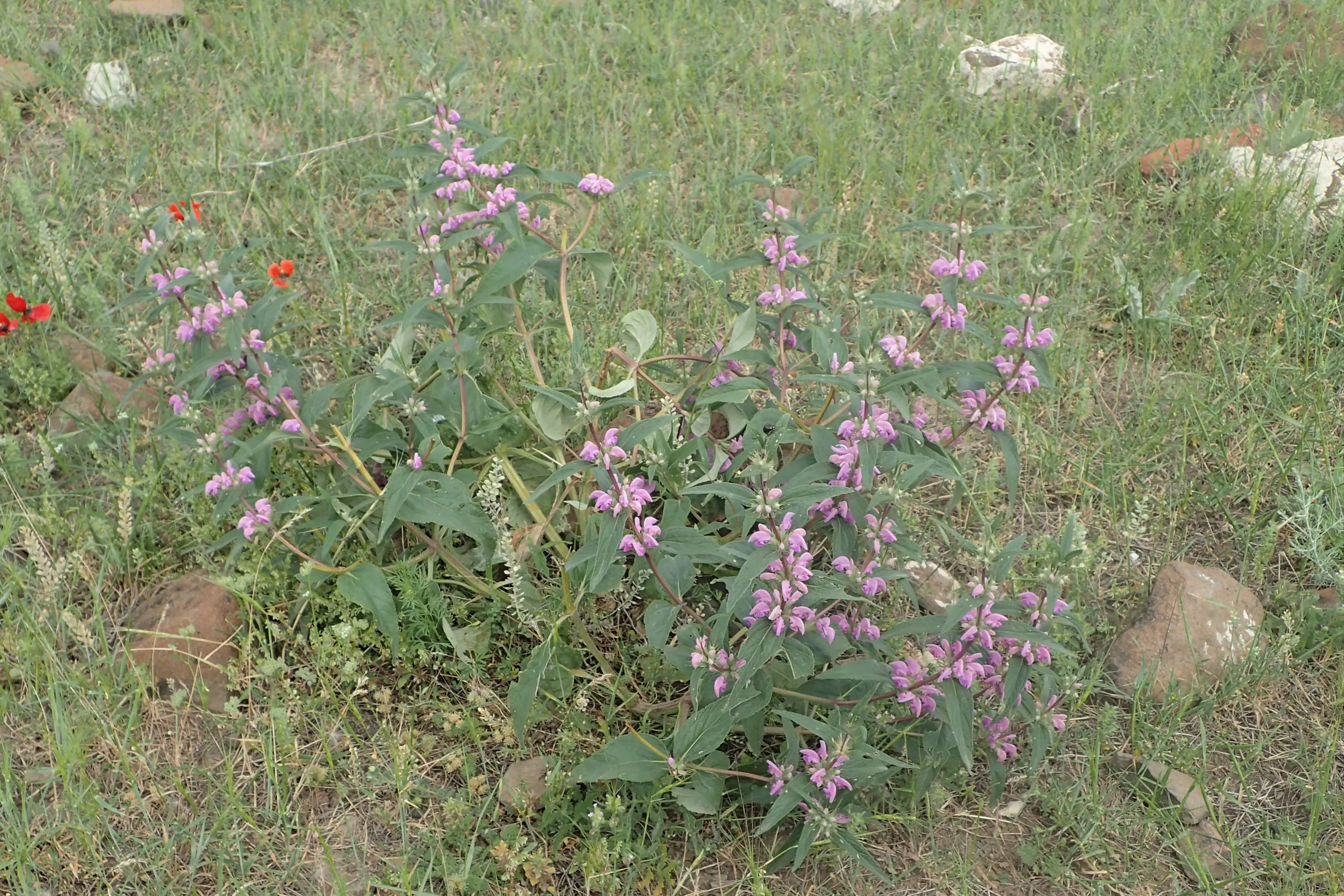
Prickly Phlomis (Phlomis pungens)
Prickly Phlomis (Phlomis pungens) is a non‑parasitic taproot perennial herbaceous weed of the family Lamiaceae (Lamiaceae).
Life cycle: perennial.
Taxonomy
Classification
Kingdom: Plants (Plantae)
Division: Flowering plants (Angiosperms) (Angiospermae)
Class: Dicotyledons (Dicotyledoneae)
Order: Lamiales (Lamiales)
Family: Lamiaceae (Lamiaceae) or Labiatae (Labiatae)
Genus: Phlomis (Phlomis)
Species: Prickly Phlomis (Phlomis pungens Wielld.)
Photographs

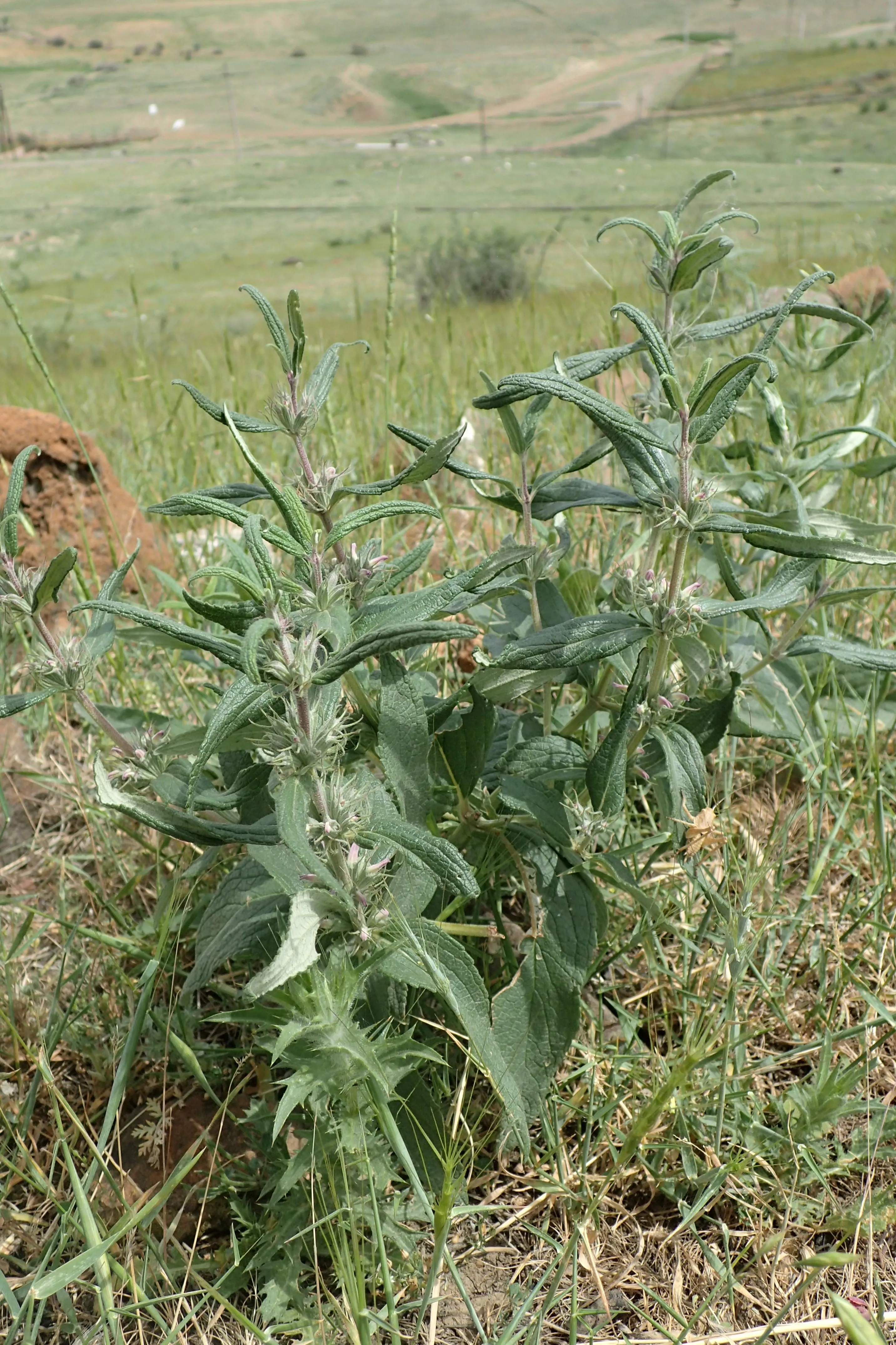
Prickly Phlomis (Phlomis pungens)

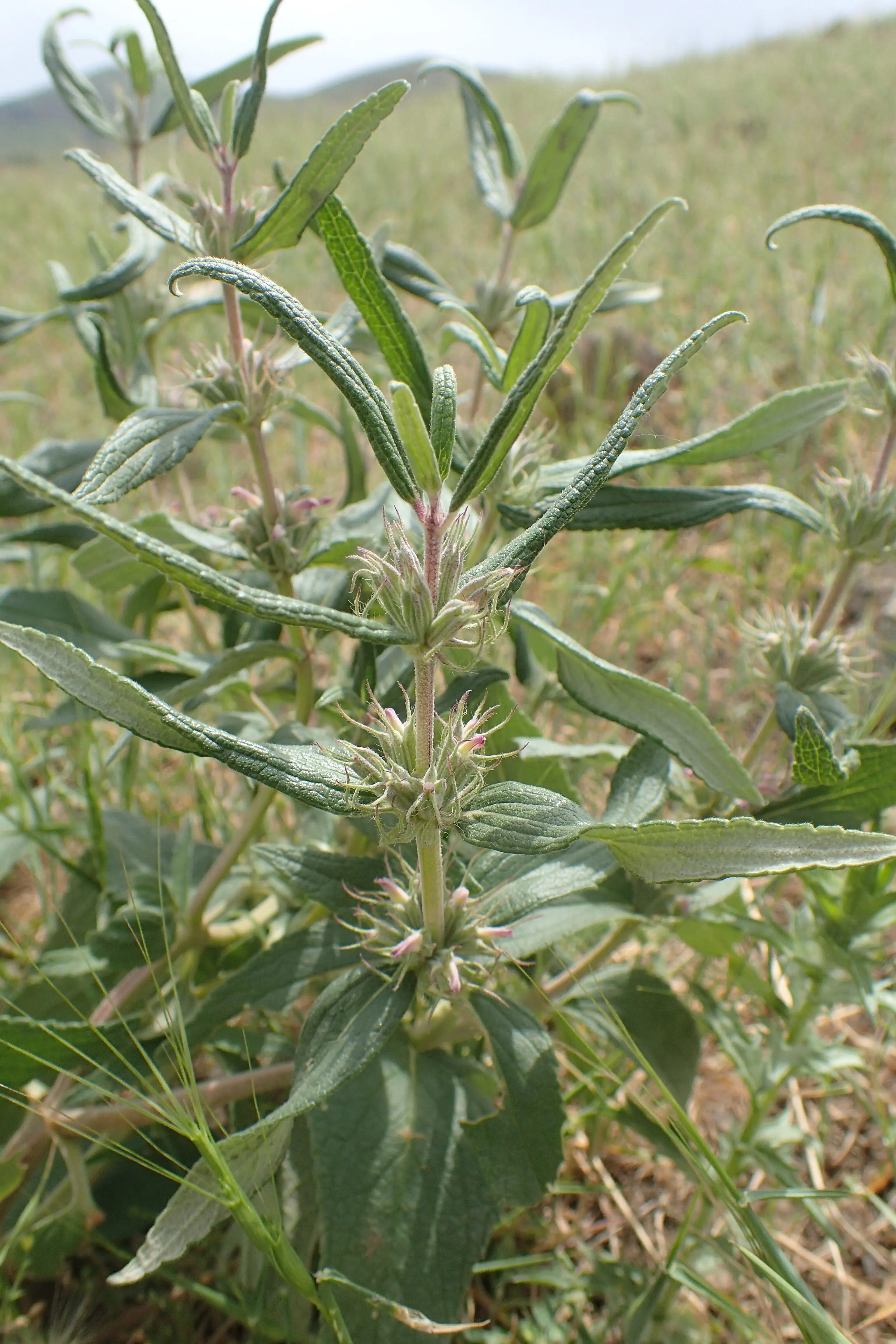
Prickly Phlomis (Phlomis pungens)

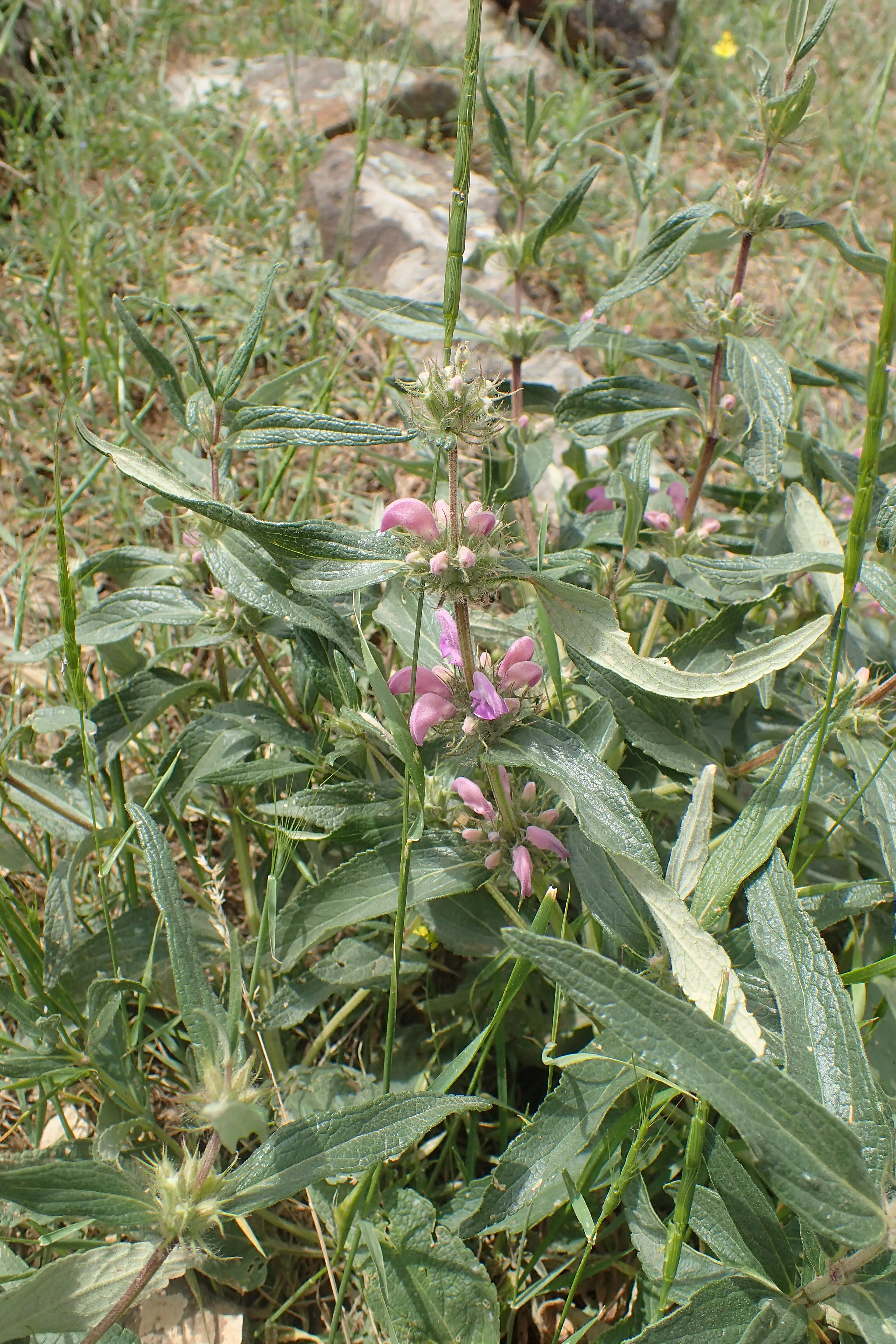
Prickly Phlomis (Phlomis pungens)


LCD 4-in-1 Soil Tester
Check essential growing conditions with one compact tool. Measure soil pH, moisture, temperature and light intensity — ideal for gardens, potted plants and greenhouses.
- 4-in-1 measurement
- Easy-to-read LCD display
- Portable design
Affiliate link · For indicative measurements only.
Botanical description
Root system
The root system is taproot, powerful, cord‑like.
Seedlings
Seedlings with elliptical, cordate‑lobed cotyledon leaves, glabrous, on pubescent petioles, 10‑12 mm long, 6‑7 mm wide.
Leaves
Leaves opposite, oblong‑lanceolate, serrate‑dentate, rough. Upper surface green, shiny, glabrous or with scattered hairs; lower surface greyish due to dense pubescence of stellate hairs.
Lower leaves oblong‑lanceolate, up to 12 cm long, 2‑3 cm wide, on petioles 4‑6 cm long, withering by the beginning of flowering.
Middle stem leaves narrowly lanceolate, 5.5 cm long, coarsely crenate, on short petioles.
Bract leaves crenate‑serrate.
Stems
Plant pubescent, prickly.
Stems quadrangular, erect, divaricately branched, grey‑tomentose, pubescent with stellate and multicellular hairs, strongly branched from the base.
Plants 50‑80 cm tall.
Inflorescences
Inflorescences consist of 3‑4 few‑flowered verticillasters, widely spaced and located in leaf axils on branches and stems.
Bracts linear‑subulate, acute, longer than calyx; pubescence consists of simple multicellular and small stellate hairs with elongated ray.
Calyx tubular‑campanulate, pubescent (as bracts), with five divergent subulate teeth of different lengths.
Corolla lilac or pink, with entire, vault‑like upper lip and three‑lobed lower lip. In the lower lip, the middle lobe is broad, lateral ones are short teeth. Outside, the corolla is pubescent with simple stellate hairs; stellate hairs with elongated ray are present only on its tube.
Fruit
Fruit is a trihedral, longitudinally ribbed nutlet, glabrous, truncate at apex, 4.5‑5 mm long, 2‑2.5 mm wide, 1.5‑2 mm thick.
Ecology
Natural zones
Grows in feather grass‑fescue steppe regions.
Moisture requirements
Plant drought‑resistant.
Light requirements
Prickly Phlomis prefers sunny habitats.
Habitats
Habitats: fields, meadows, pastures, shrub thickets, vegetable gardens, orchards, fallow lands.

Solar Automatic Drip Irrigation Kit for Gardens
Automate watering for pots, gardens and small greenhouses. This solar-powered system features a timer to help schedule water delivery to your plants.
- Solar-powered
- 15 m irrigation hose
- Programmable watering
Affiliate link · Check included accessories.
Physiology
Germination
Germination of freshly matured seeds is 7‑35%.
Vegetation
Flowers in the second year of life.
Flowering June‑July (August). Fruiting (July) August‑September.
Reproduction
Reproduces by seeds.
One plant produces up to 1300 nutlets.
Weight of 1000 fruits – up to 15 g.
Distribution
Mediterranean species. Grows in southern Europe, Asia Minor, Central and Western Asia, as well as in northwestern Kazakhstan and the Caucasus.
In Russia, it grows in the south and southeast of the European part, in the Ciscaucasia and Dagestan.

7-in-1 Wi-Fi Weather Station
Monitor local weather conditions with a wireless outdoor sensor. Track temperature, humidity, rainfall, wind speed and direction, and atmospheric pressure. Ideal for gardens, farms and greenhouses.
- Wireless outdoor sensor
- Solar-powered
- Wi-Fi connectivity
Affiliate link · Check regional compatibility.
Harmfulness
Weed infestation of crops
In grass stands, Prickly Phlomis provides a small admixture.
Occasionally enters crops.
Other harmful properties
Upon dying, it forms tumbleweed.
Useful properties
Use as food
A spicy, slightly bitter plant.
In Turkmenistan, the roots were used as food dried, baked, or boiled.
Fodder value
Fodder value is insignificant due to low occurrence.
Satisfactorily eaten only in early spring by sheep, goats, and cattle. At later stages, it is not eaten at all.
Poorly or moderately eaten by camels.
Palatability in hay is satisfactory.

40W Full Spectrum LED Grow Light
Support healthy plant growth with full-spectrum LED lighting. Ideal for seedlings, indoor plants and small growing spaces. A practical solution for indoor gardening and year-round cultivation.
- Full-spectrum LED
- Energy-efficient design
- Indoor plant growing
Affiliate link · Check actual power and light coverage.
Control methods
Agrotechnical methods
Agrotechnical control measures should include deep soil cultivation.
References
- Bazdyrev G.I. (1993) Weed Plants and Measures for Their Control in Modern Agriculture: A Textbook for Universities. Moscow: Publishing House of the Moscow Agricultural Academy (MSKhA).
- Gubanov I.A., Kiseleva K.V., Novikov V.S., Tikhomirov V.N. (2004) Illustrated Guide to Plants of Central Russia. Volume 3: Angiosperms (Dicotyledons: Polypetalous). Moscow: Association of Scientific Publications KMK, Institute of Technological Research.
- Larin I.V. et al. (1956) Fodder Plants of Hayfields and Pastures of the USSR. Volume III. Dicotyledons (Geraniaceae – Asteraceae). Moscow: State Publishing House of Agricultural Literature.
