
Loesel's Tumble Mustard (Sisymbrium loeselii)

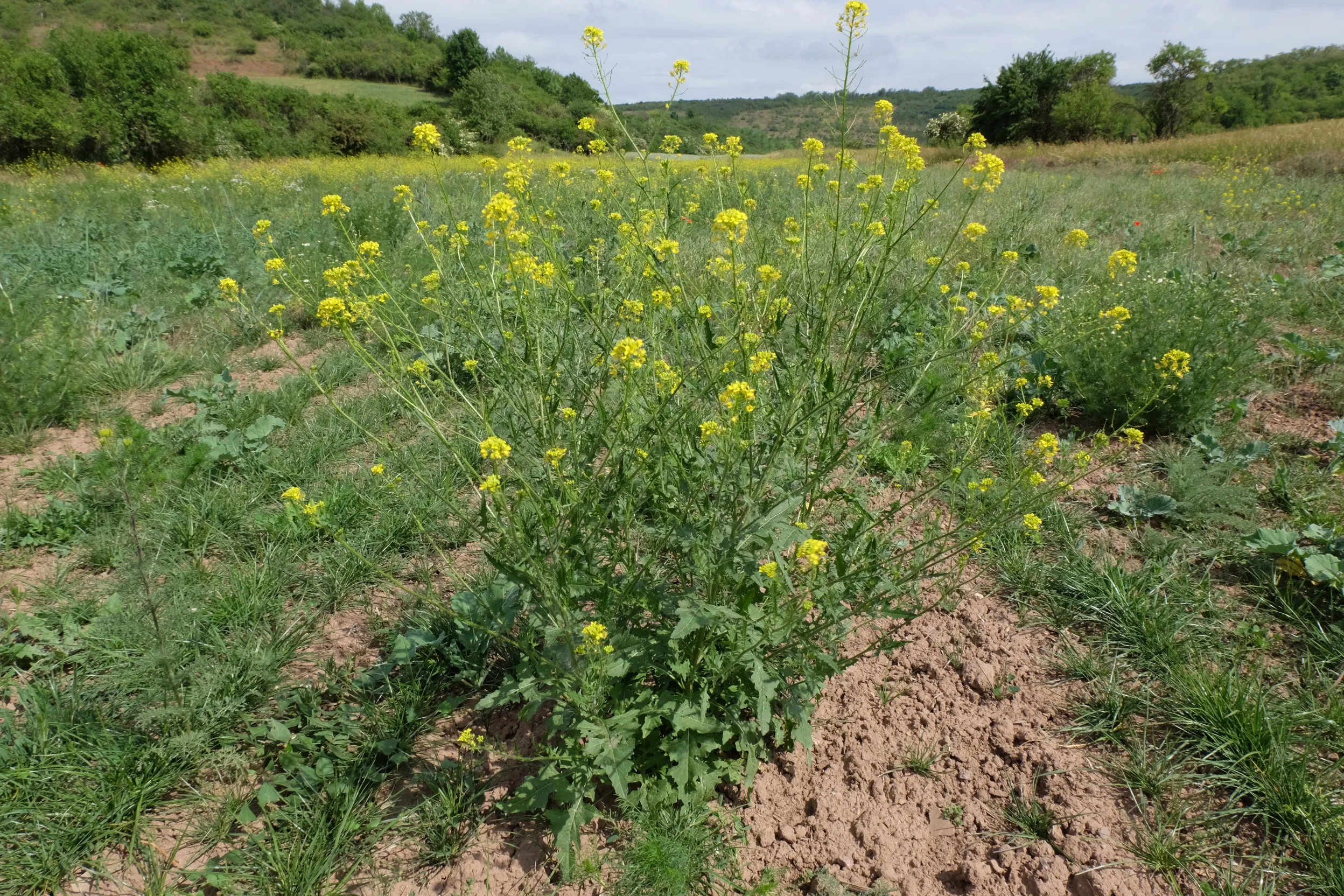
Loesel's Tumble Mustard (Sisymbrium loeselii)
Loesel's tumble mustard (Sisymbrium loeselii) is a non‑parasitic wintering weed of the family Brassicaceae (Brassicaceae).
Life cycle: annual or winter annual.
Other names: Loesel's rocket, Loesel's Sisymbrium.
Taxonomy
Classification
Kingdom: Plants (Plantae)
Division: Flowering plants (Angiosperms) (Angiospermae)
Class: Dicotyledons (Dicotyledoneae)
Order: Brassicales
Family: Brassicaceae (Brassicaceae), or Crucifers (Cruciferae)
Genus: Sisymbrium (Sisymbrium)
Species: Loesel's tumble mustard (Sisymbrium loeselii L.)
Photographs

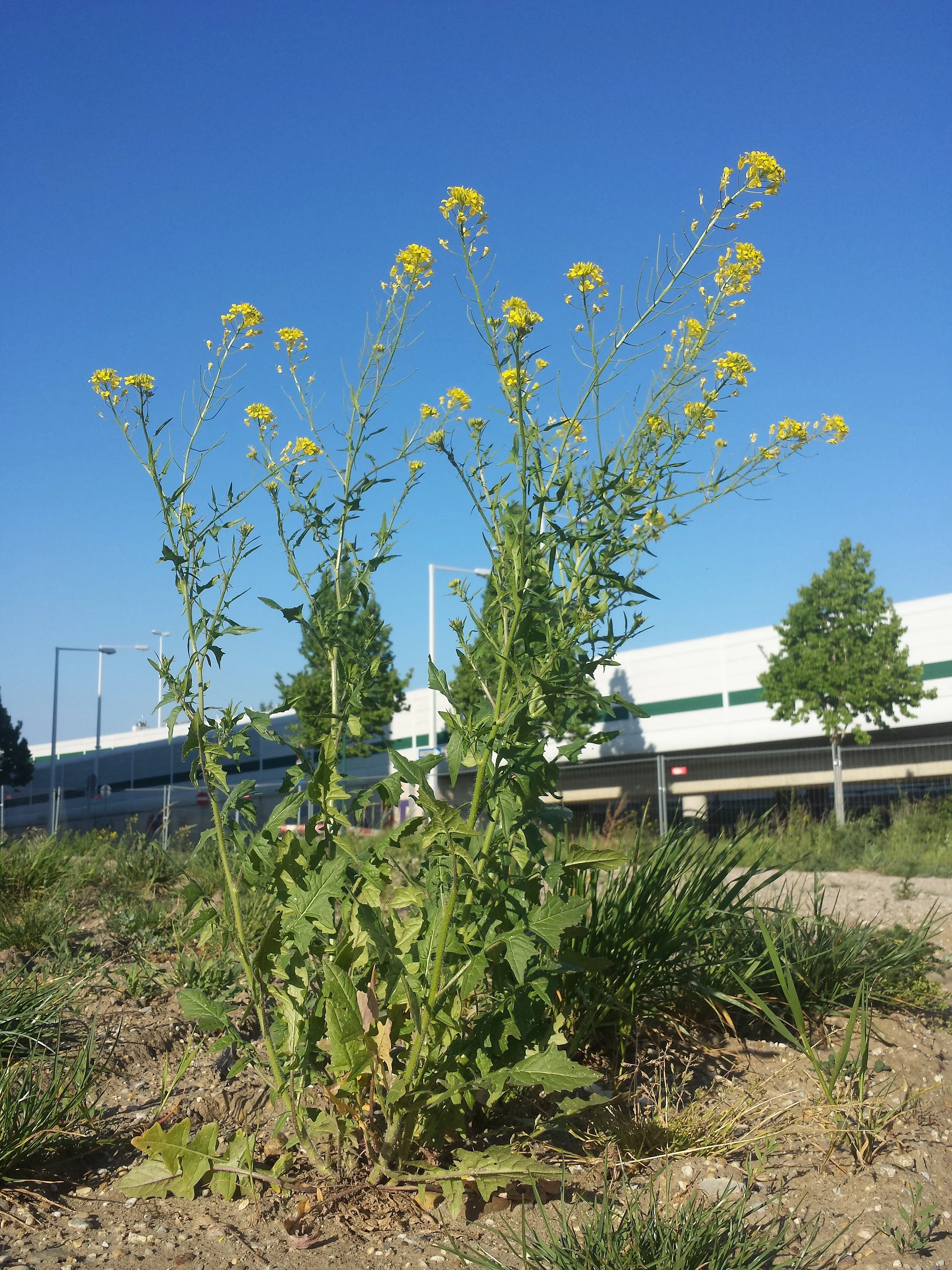
Loesel's Tumble Mustard (Sisymbrium loeselii)

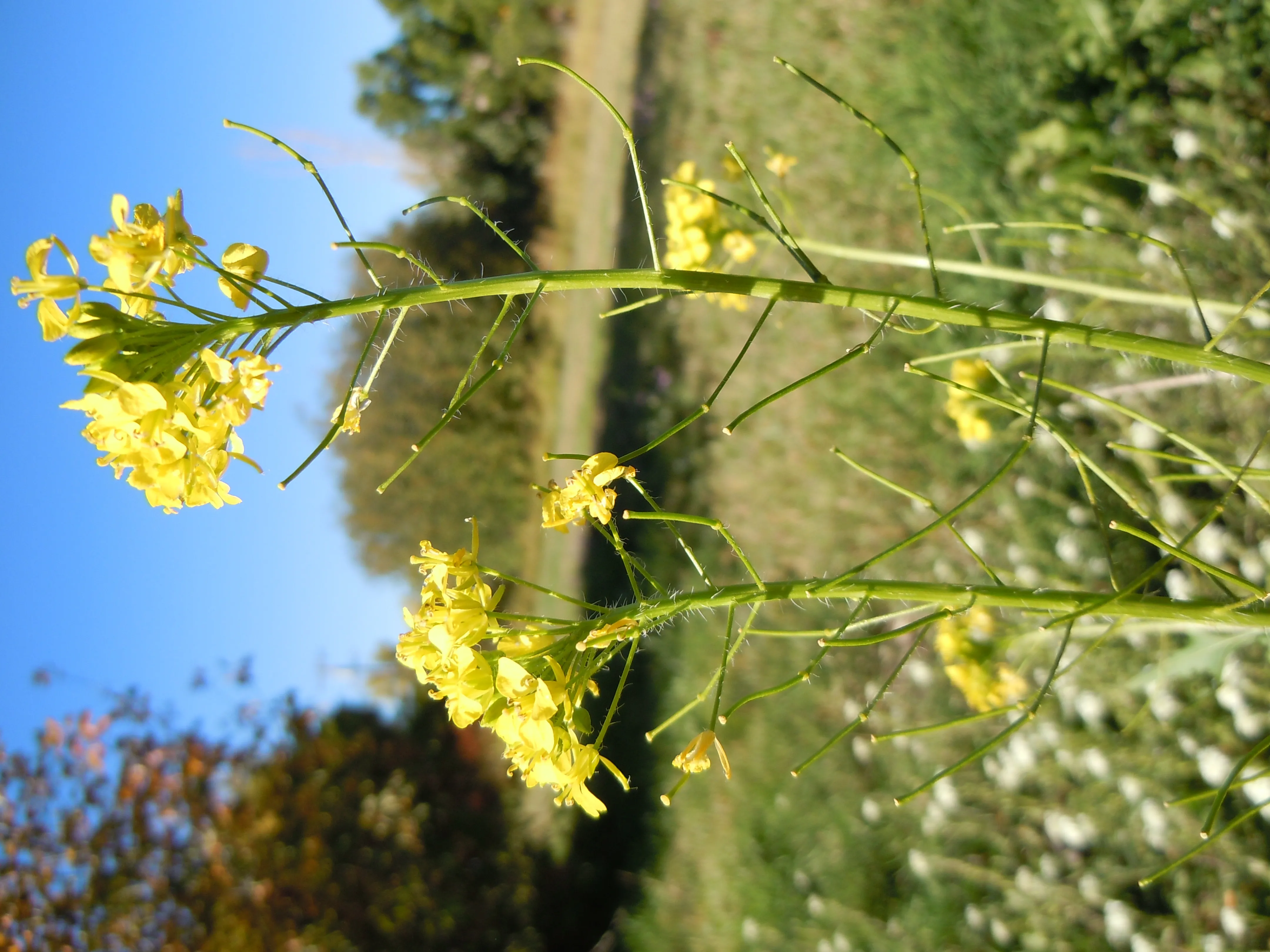
Loesel's Tumble Mustard (Sisymbrium loeselii)

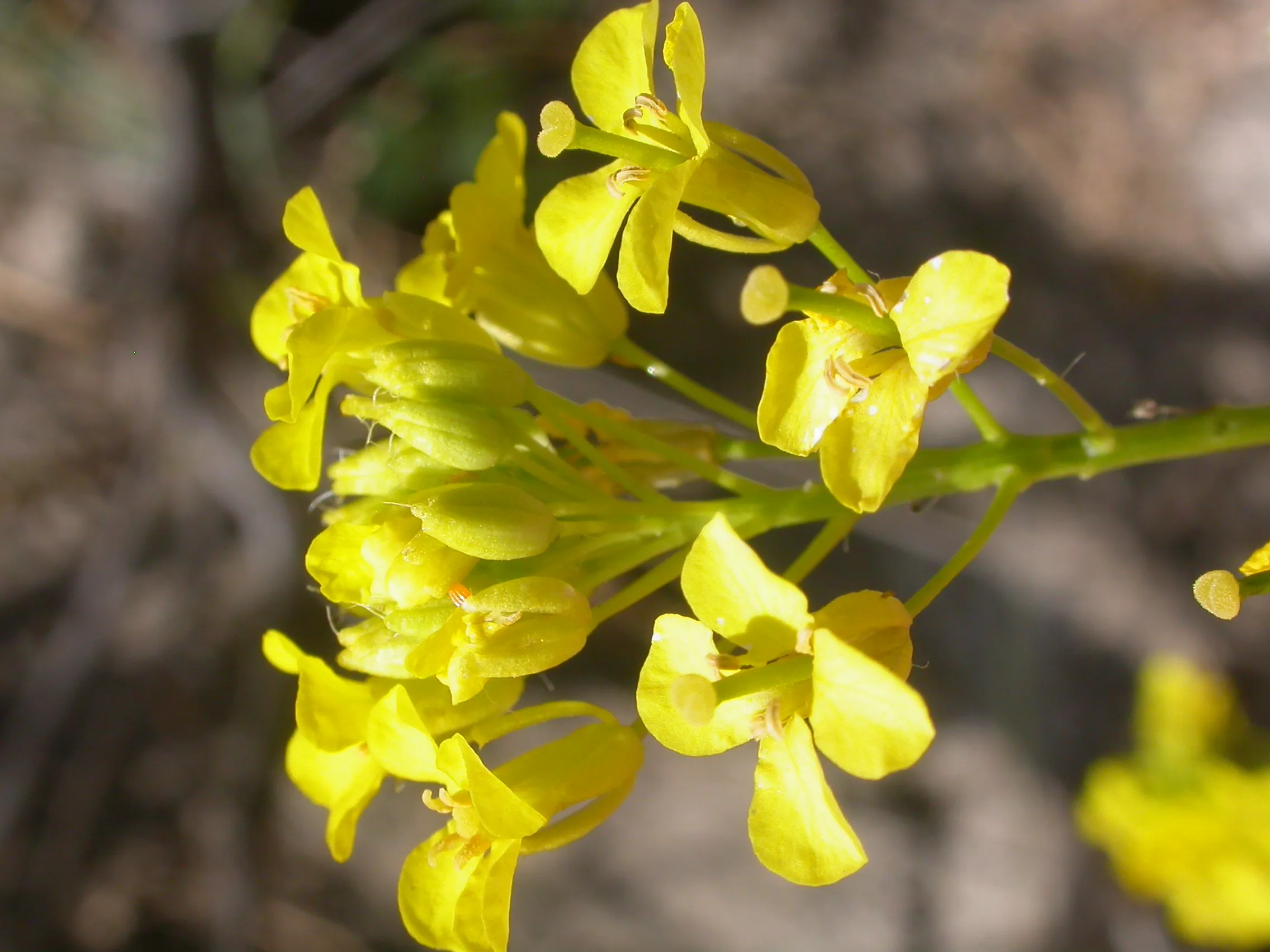
Loesel's Tumble Mustard (Sisymbrium loeselii)


LCD 4-in-1 Soil Tester
Check essential growing conditions with one compact tool. Measure soil pH, moisture, temperature and light intensity — ideal for gardens, potted plants and greenhouses.
- 4-in-1 measurement
- Easy-to-read LCD display
- Portable design
Affiliate link · For indicative measurements only.
Botanical Description
Root System
Taproot.
Seeds
Seeds are ovoid or triangular‑convex, brownish, yellow or reddish‑brown, up to 1 mm long, 0.5–0.75 mm wide, 0.25 mm thick.
Seedlings
Seedlings have rounded to clavate cotyledons with distinct petioles.
Leaves
Leaves are alternate, lyrate‑pinnatifid to pinnatisect (with lobes and pinnate divisions) or runcinate‑pinnatifid, with toothed margins, the terminal lobe much larger than the others, hairy, on petioles.
Stems
Stems are erect, branched from the base, covered with stiff, spreading hairs.
Plant height: (20) 30–120 (150) cm.
Inflorescences
Inflorescence is a loose panicle (spike‑like) at the stem tops.
Flowers small, yellow.
Sepals 3–4 mm long, slightly yellowish.
Petals 5–7 mm long, 2–3 mm wide, yellow.
Fruit
Fruit is a two‑valved, slightly curved silique, covered with sparse hairs or glabrous, many‑seeded, up to 40 mm long.
Ecology
Natural Zones
Loesel's tumble mustard occurs in the forest‑steppe and steppe zones of Russia, as well as in the foothills and mountains of the Caucasus and in Central Asian countries. In the taiga zone it is a rare alien plant. It is most common in the chernozem belt.
Soil Requirements
It prefers loose, fertile sandy and loamy soils.
Habitats
Ruderal weed.
Habitats: weedy places, pastures, livestock camps, near dwellings, along roads and railway embankments, along irrigation ditches, riverbanks, fallow lands, wastelands, parks, orchards, vineyards, pastures.

Solar Automatic Drip Irrigation Kit for Gardens
Automate watering for pots, gardens and small greenhouses. This solar-powered system features a timer to help schedule water delivery to your plants.
- Solar-powered
- 15 m irrigation hose
- Programmable watering
Affiliate link · Check included accessories.
Physiology
Germination
Seeds, thanks to their oil content, remain viable in the soil for many years.
Germination rate is high.
Seeds germinate from the surface or from a depth of up to 1.5–2 cm.
Germination temperature: 2–35 °C (Klaassen). Minimum germination temperature 3–4 °C, optimum 16–24 °C (Bazdyrev).
Vegetation
Seedlings emerge in spring and autumn.
Flowering: (May) June–July (September). Fruiting from July to August (late autumn).
Reproduction
Reproduces only by seeds. The weed is usually introduced to fields from field margins.
Each plant produces about 2000 seeds (Klaassen), according to other data up to 700,000 seeds (Bazdyrev).
1000‑seed weight: about 0.1 g.
Distribution
Regions of Occurrence
Russia:
- European part – all regions;
- Caucasus – all regions;
- Western and Eastern Siberia: Ob (Tomsk Oblast, Tyumen Oblast, Sverdlovsk Oblast (east), Yamalo‑Nenets Autonomous Okrug, Khanty‑Mansi Autonomous Okrug, Krasnoyarsk Krai (west)), Upper Tobol (Chelyabinsk Oblast (east), Kurgan Oblast, Orenburg Oblast (east)), Irtysh (Omsk Oblast, Novosibirsk Oblast, Kemerovo Oblast, Altai Krai), Altai (Altai Republic), Angara‑Sayany (Krasnoyarsk Krai (south), Republic of Khakassia, Republic of Tyva, Irkutsk Oblast, Republic of Buryatia (south‑west)), Dauria (Republic of Buryatia (east of Baikal), Zabaykalsky Krai);
- Far East: Ussuri (Primorsky Krai, Khabarovsk Krai (south)).
Belarus, Ukraine, Latvia, Lithuania, Estonia, Moldova, Georgia, Armenia, Azerbaijan, Uzbekistan, Tajikistan, Kyrgyzstan, Turkmenistan, Kazakhstan – all regions.

7-in-1 Wi-Fi Weather Station
Monitor local weather conditions with a wireless outdoor sensor. Track temperature, humidity, rainfall, wind speed and direction, and atmospheric pressure. Ideal for gardens, farms and greenhouses.
- Wireless outdoor sensor
- Solar-powered
- Wi-Fi connectivity
Affiliate link · Check regional compatibility.
Harmfulness
Infestation of Crops
Rarely infests winter cereal and row‑crop fields, rapeseed.
Beneficial Properties
Forage Value
On fallow lands, Loesel's tumble mustard can form pure stands with a green mass yield of 8–10 t/ha.
It is eaten by domestic animals satisfactorily or poorly. Cattle in the budding phase eat it poorly, and in the flowering phase they do not eat it at all.
It can be used for silage making in arid steppe and semi‑desert areas.

40W Full Spectrum LED Grow Light
Support healthy plant growth with full-spectrum LED lighting. Ideal for seedlings, indoor plants and small growing spaces. A practical solution for indoor gardening and year-round cultivation.
- Full-spectrum LED
- Energy-efficient design
- Indoor plant growing
Affiliate link · Check actual power and light coverage.
Chemical Composition
The above‑ground parts contain alkaloids.
Control Methods
Agronomic Methods
Proper agricultural practices.
Chemical Methods
Loesel's tumble mustard is susceptible to herbicides 2,4‑D and MCPA (2‑methyl‑4‑chlorophenoxyacetic acid).
References
- Bazdyrev G.I. (1993) Weed Plants and Their Control in Modern Agriculture: A Textbook for Universities. Moscow: Publishing House of the Moscow Agricultural Academy.
- Nikitin, V.V. (1983) Weed Plants of the Flora of the USSR. Leningrad: Nauka.
- Klaassen, H., Freytag, J. (2004) Weed Plants, Distribution and Harmfulness, Species Identification. Joint publication of Landwirtschaftsverlag Münster‑Hiltrup and BASF AG, Limburgerhof.
- Gubanov, I.A., Kiseleva, K.V., Novikov, V.S., Tikhomirov, V.N. (2003) Illustrated Guide to Plants of Central Russia. Volume 2: Angiosperms (Dicotyledons: Choripetalae). Moscow: KMK Scientific Press, Institute of Technological Research.
- Larin, I.V. et al. (1951) Forage Plants of Hayfields and Pastures of the USSR. Volume II. Dicotyledons (Chloranthaceae – Fabaceae). Moscow: State Publishing House of Agricultural Literature.
