
Downsides, Risks, and Consequences of Poor Homestead Management
1. Introduction
A garden, a vegetable plot, and keeping animals are not only about fresh produce, physical activity, and the joy of connecting with nature. Any homestead is a system that requires resources: time, money, energy, and knowledge. And like any system, it carries risks. Some are obvious — drought, hail, pests. Others are hidden — soil erosion, toxin accumulation, burnout, conflicts with neighbors and the law.
This article is not an attempt to talk you out of gardening. On the contrary, an honest understanding of the downsides makes the path more sustainable. Research shows that gardening really does improve physical and mental health (Gross, 2018; Ingram et al., 2015), but only under realistic expectations. When expectations do not match reality, disappointment can be strong — even leading to giving up the homestead entirely (Gross, 2018).
The purpose of this article is to warn. We will examine which costs are often underestimated, what physical, psychological, environmental, legal, and social risks exist, and how to reduce them. The material is aimed at amateur gardeners, vegetable growers, and small farmers from different regions of the world, so the advice is universal. Where there is regional specificity, we will point it out separately.
2. Costs That Are Often Forgotten
Any homestead begins with expenses. And we are talking not only about money. Experienced gardeners know: the most expensive component is not seeds or tools, but time and energy. Let us look more closely.
Time. A garden and vegetable plot mean daily work during the season. Watering, weeding, inspecting plants, harvesting, pest control — these tasks do not wait. Research shows that even a small plot requires several hours a week at the height of the season (Utzinger & Connolly, 1978). If you go on vacation, you need to arrange watering and care in advance. Otherwise, a week of absence can undo months of work (Gross, 2018).
Money. Seeds, seedlings, transplants, fertilizers, crop protection products, tools, hoses, irrigation systems, greenhouses, storage containers — all of this costs money. When keeping animals, feed, veterinary services, and housing equipment are added. A study of a 13.9 m2 home garden showed that with a market value of the harvest of $90.45, costs were $48.71 (Utzinger & Connolly, 1978). Thus, the “net” savings were about $42, and the return per hour of labor was $1.08. It is important to understand this: a vegetable garden is not free food, but an exchange of labor and resources for a harvest.
Physical energy. The physical load in a garden and vegetable plot can be significant. Digging, weeding, carrying heavy loads, and working bent over all put strain on the back, knees, and arms. This is especially relevant for older people and beginners: without preparation, injury is possible (Gross, 2018; Ingram et al., 2015). Research shows that gardening is associated with a risk of musculoskeletal injuries, especially with prolonged repetitive work (Ingram et al., 2015).
The myth of “free produce.” Many people start a homestead expecting the harvest to be “free” or almost free. The reality is different. Even without counting the cost of land and water, the cost of the harvest consists of seeds, fertilizers, crop protection products, tool depreciation, and, most importantly, labor. In the study by Utzinger & Connolly (1978), the return per hour of labor was about $1.08 — below the minimum wage in many countries. If the market value of labor is taken into account, a vegetable garden often turns out to be economically unprofitable compared with buying vegetables in a store.
When a hobby becomes a burden. Psychologists note that gardening can become a source of stress if a person cannot keep up with the tasks. Gross (2018) describes this as “overwhelmed by my garden” — a state in which the garden stops being a place of rest and becomes a source of guilt and anxiety. This is especially characteristic of those who have taken on too much: a large plot, many crops, animals. In such cases, the garden stops bringing joy and becomes a burden.
Note. It is important to distinguish gardening as a hobby from gardening as a commercial activity. If the goal is to sell produce, the economics must be calculated differently: taking into account taxes, registration, quality standards, and logistics (Alkhaja et al., 2025; Swiader & Ware, 1992). In this case, the risks and costs are significantly higher.
Regional aspect. Costs differ in different climates. In arid regions, water and drainage expenses are added. In cold regions, heating greenhouses and covers are added. In poor regions, a homestead may be a matter of survival, and the risks are related to a lack of resources. In wealthy regions, they are related to excess and burnout. This is important to take into account when planning.


LCD 4-in-1 Soil Tester
Check essential growing conditions with one compact tool. Measure soil pH, moisture, temperature and light intensity — ideal for gardens, potted plants and greenhouses.
- 4-in-1 measurement
- Easy-to-read LCD display
- Portable design
Affiliate link · For indicative measurements only.
3. Physical and Psychological Risks
A garden and vegetable plot are often perceived as a way to improve health and relieve stress. This is indeed true — with a reasonable approach. However, physical and psychological risks are real, and it is important to know them before they manifest.
Injuries. Gardening is associated with a risk of musculoskeletal injuries. Digging, weeding, carrying heavy loads, and working bent over all create strain on the back, knees, shoulders, and wrists. Research shows that the lower back is the most common area of pain among gardeners (Ingram et al., 2015). Cuts, bruises, and sprains are also common injuries. Work with power tools is especially dangerous: lawnmowers, trimmers, and brush cutters cause thousands of injuries worldwide every year (Ingram et al., 2015). Older people and beginners are at the greatest risk, since their physical capabilities may not match the load.
Bites and contact with animals. If there are animals or poultry on the homestead, the risks of bites, scratches, and kicks are added. Research shows that older people are more often hospitalized after dog and cat bites, and falls caused by pets are a serious problem for people over 65 (Zoanetti et al., 2024). When keeping large animals, the risk of injury increases many times over.
Overwork and burnout. Gardening is seasonal work with peak loads. In spring and summer, the load can be very high: planting, watering, weeding, harvesting. If a person does not calculate their strength, overwork sets in. Psychologists describe this as a state in which the garden stops being a source of joy and becomes a source of anxiety (Gross, 2018). Burnout manifests as loss of interest, a sense of the futility of effort, and irritability. This is especially characteristic of those who have taken on too much: a large plot, many crops, animals.
Stress from failures. Hail, frost, drought, plant diseases, and pest invasions can destroy a harvest in a matter of days. For a person who has invested months of labor in it, this is a serious psychological test. Gross (2018) notes that gardeners often feel guilt and disappointment when plants die. This can lead to reduced self-esteem and even giving up gardening.

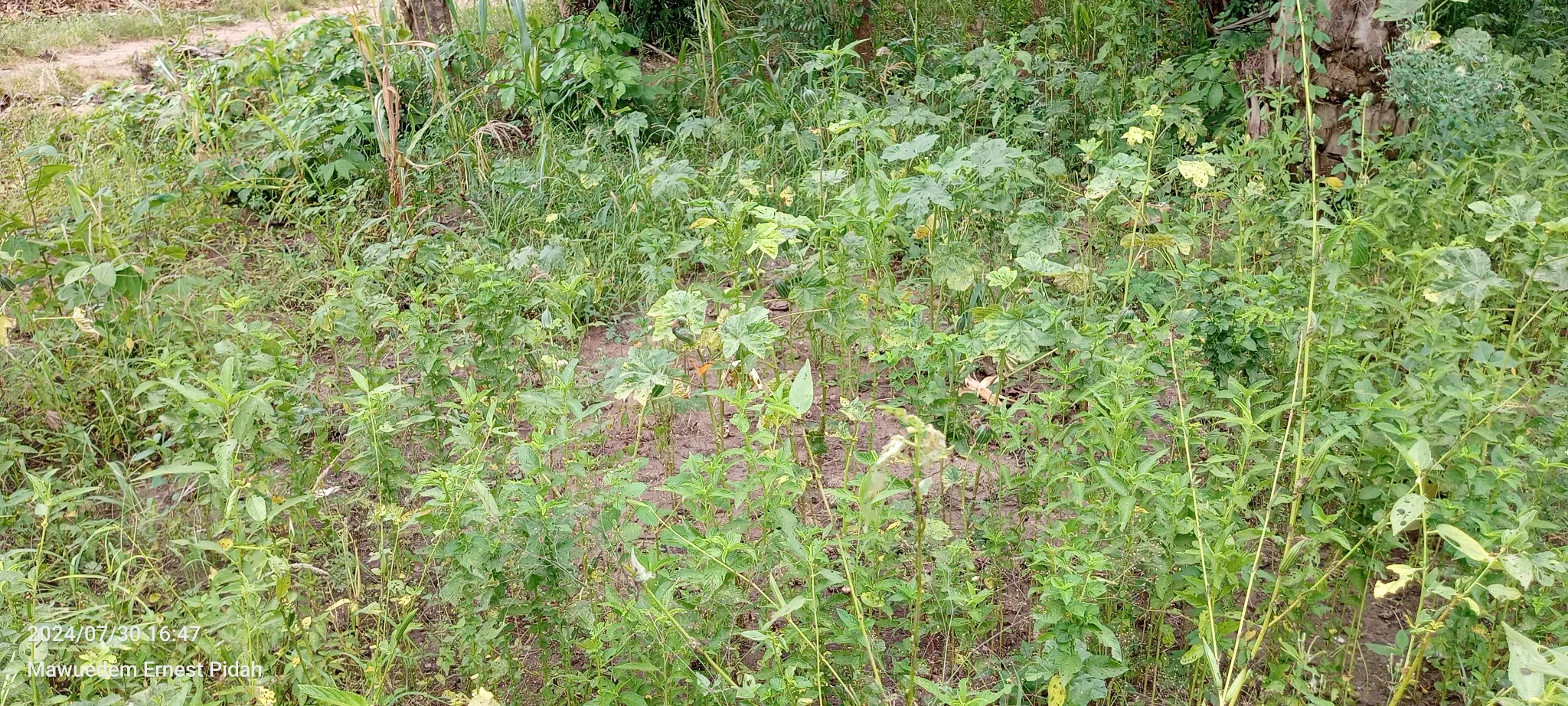
Neglected vegetable garden plot
An example of a vegetable garden in a neglected state with dense weed vegetation. It illustrates the consequences of lack of care for the plantings.
Guilt. If the garden or animals require more time than is available, guilt arises. A person begins to think that they are a “bad gardener” or an “irresponsible owner.” This is especially characteristic of those who combine homesteading with work and family. Gross (2018) describes cases in which gardeners gave up their plot because they could not cope with the guilt over its neglected state.
Look at this neglected plot. For a person who put in effort but couldn't stop in time or manage their schedule, such a garden view becomes not a source of joy, but a constant reminder of failure, causing a strong sense of guilt.
Psychological burden of keeping animals. Animals require constant attention, care, feeding, and maintenance. They get sick, grow old, and die. Losing an animal is a serious emotional trauma comparable to losing a close person (Zoanetti et al., 2024). Grief can be so strong that it requires professional help. In addition, animals can create conflicts in the family if their keeping was not agreed upon.
Note. Research shows that gardening really does improve mental health — it reduces symptoms of depression and anxiety and improves mood (Ingram et al., 2015). But this effect is achieved only if a person is not overloaded and does not experience constant stress. It is important to find a balance between load and rest.
Regional aspect. Attitudes toward gardening and animals differ across cultures. In some regions, a homestead is a means of survival, and psychological burden is related to the risk of crop loss. In others, it is a hobby, and the burden is related to perfectionism and social pressure. In poor regions, there are risks of survival; in wealthy ones, risks of excess and burnout.
4. Health Risks
A garden and vegetable plot can be a source not only of benefits but also of health risks. Some are obvious, others hidden. Let us consider the main ones.
Allergies. Pollen, mold, compost, and animals can all cause allergic reactions. Pollen allergy is one of the most common: according to estimates, 10–30% of the world's population suffers from allergic rhinitis (Domina et al., 2024). In urban conditions, the situation is worsened by air pollution and climate change. Mold in compost, greenhouses, and basements can cause respiratory symptoms. Animal hair and dander are another common allergen.
Infections. Soil, water, and animals can be sources of infections. Zoonoses — diseases transmitted from animals to humans — include salmonellosis, campylobacteriosis, listeriosis, toxoplasmosis, and others (Zoanetti et al., 2024; Yonga et al., 2026). Research shows that Salmonella, Campylobacter, Mycoplasma gallisepticum, and other pathogens are common in backyard poultry flocks in Europe (Yonga et al., 2026). Contact with soil can lead to tetanus, helminths, and fungal infections. Water from open sources can contain pathogenic microorganisms.
Toxins. Pesticides, herbicides, and fertilizers can all be toxic if used incorrectly. Acute poisoning is possible if instructions are violated; chronic poisoning is possible through accumulation in the body. Research shows that in urban conditions, plants can accumulate heavy metals (lead, cadmium, arsenic) and polycyclic aromatic hydrocarbons (PAHs) from atmospheric deposition (Hubai et al., 2024; Saikawa & Filippelli, 2021). Leafy vegetables such as lettuce, spinach, and cabbage are especially prone to accumulating these substances.
Food poisoning. Improper storage and processing of the harvest can lead to food poisoning. Canning with violations of technology, storage in unsanitary conditions, and use of damaged fruit all create risk. Research shows that home-preserved foods are one of the frequent causes of botulism and other severe infections (Kessler, 2013).
Poisonous and dangerous plants. Many ornamental plants are toxic. A study in Sicily identified 137 species of poisonous and allergenic plants in gardens and parks, of which 21 are fatally poisonous (Domina et al., 2024). Among them are oleander, castor bean, foxglove, and aconite. Sosnowsky's hogweed causes severe burns on contact with the skin. It is important to know which plants are dangerous and to exercise caution.
Bites from insects, ticks, snakes, and rodents. A garden and vegetable plot are a habitat for many creatures. Ticks can carry Lyme disease and other infections. Mosquitoes can carry malaria, dengue fever, and West Nile virus. Bees, wasps, and hornets can cause allergic reactions up to anaphylactic shock. Rodents can be carriers of infections.
How to reduce risks. Prevention measures are simple and effective:
— Use protective clothing, gloves, and footwear.
— Wash your hands after working with soil and animals.
— Do not eat unwashed vegetables and fruits.
— Store and process the harvest in accordance with sanitary standards.
— Use protective equipment when working with pesticides and fertilizers.
— Know poisonous plants and avoid contact with them.
— Vaccinate animals and observe hygiene rules.
— Consult a doctor if symptoms of infections or poisoning appear.
Note. Research shows that if hygiene standards are observed, health risks from gardening are small. For example, in a study of urban gardens in Baltimore, concentrations of heavy metals in produce were within safe limits (Saikawa & Filippelli, 2021). However, in areas with high soil contamination (industrial areas, roadsides), the risks increase. In such cases, it is recommended to use raised beds with clean soil.
Regional aspect. Different regions have their own risks. In the tropics — malaria, dengue, and parasitic infections. In temperate latitudes — tick-borne encephalitis and borreliosis. In arid regions — the risk of heatstroke and dehydration. In poor countries — lack of access to clean water and medical care. In wealthy ones — risks associated with the use of chemicals and excess.

Solar Automatic Drip Irrigation Kit for Gardens
Automate watering for pots, gardens and small greenhouses. This solar-powered system features a timer to help schedule water delivery to your plants.
- Solar-powered
- 15 m irrigation hose
- Programmable watering
Affiliate link · Check included accessories.
5. Environmental Risks
A garden and vegetable plot can not only support biodiversity but also harm the environment if the homestead is managed without considering ecological consequences. These risks accumulate slowly, often imperceptibly, but their consequences can be long-term — for years and decades.

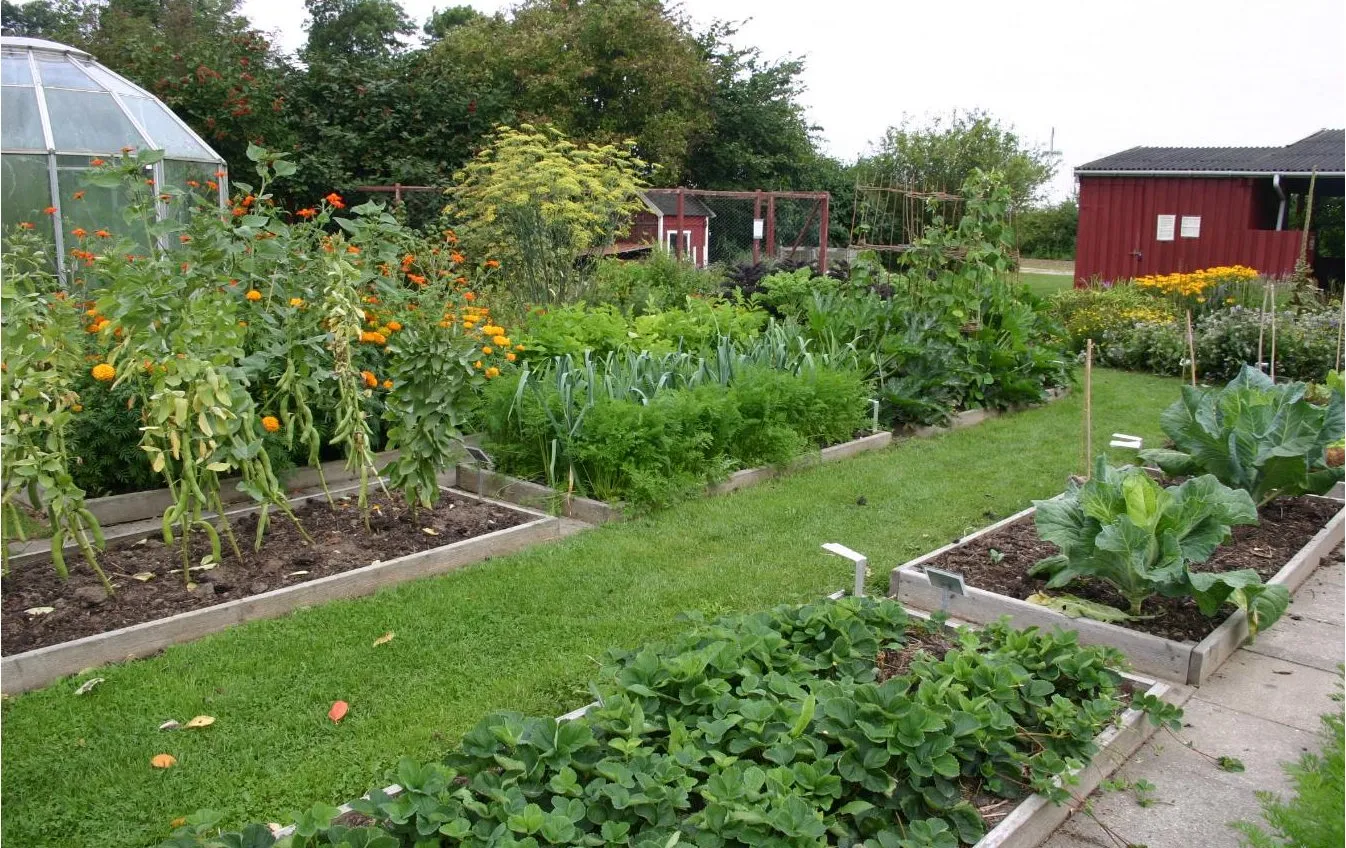
Crop rotation in raised beds at the Ecological Garden (Denmark)
A demonstration of the crop rotation principle on a small plot. Various vegetable crops are planted in separate raised beds. Photographed at the Ecological Garden in the town of Odder, Denmark.
Soil depletion under monoculture. Growing the same crop in the same place year after year depletes the soil. Plants consume certain nutrients, and if they are not replenished, the soil becomes poorer. Monoculture also contributes to the accumulation of specific pests and diseases. Research shows that crop rotation is one of the key principles of sustainable agriculture (Swiader & Ware, 1992). Without it, yields fall and dependence on fertilizers grows.
An example of the right approach is separating crops into individual beds, which allows for crop rotation and prevents soil depletion from monotonous planting.
Erosion from improper cultivation. Frequent deep digging, especially on slopes, destroys soil structure and contributes to erosion. Rain and wind carry away the top fertile layer that formed over centuries. Soil restoration is an extremely slow process: it takes decades to form 1 cm of humus (Ingram et al., 2015). Trannua (2018) recommends preserving the original fertile layer and minimizing deep cultivation where possible.
Salinization from excessive irrigation and fertilizer use. In arid regions, excessive irrigation can lead to soil salinization. Water evaporates, and salts remain in the top layer, creating conditions unsuitable for most crops. Excess mineral fertilizers worsen the problem. Research shows that salinization is one of the main causes of land degradation in arid zones (Ingram et al., 2015).
Water pollution from fertilizers and pesticides. Nitrogen and phosphorus fertilizers, washed away by rain and irrigation, enter water bodies. This causes eutrophication — algal blooms, oxygen deficiency, and fish kills. Pesticides can accumulate in water and soil, harming nontarget organisms. Research shows that agricultural pollution is one of the main causes of water quality deterioration in the world (Ingram et al., 2015).
Loss of biodiversity under intensive management. Intensive homesteading with monocultures, pesticides, and herbicides reduces biodiversity. Pollinating insects, birds, and beneficial microorganisms disappear. Research in the UK has shown that gardens can support high species diversity (Owen, 2010; Ingram et al., 2015), but only if there is plant diversity and no aggressive chemicals. Gardens with trees and shrubs support more species than open areas (Ingram et al., 2015).
Invasive species and their spread. Many invasive plants were introduced as ornamentals. Japanese knotweed, hogweed, and water hyacinth spread aggressively, displacing native flora. Research shows that about 70% of invasive plants in Europe are “garden escapees” (Ingram et al., 2015). It is important to choose plants that are not prone to invasion and to avoid dumping plant residues into nature.
How to manage a homestead without harming nature. The principles of sustainable gardening are simple: crop rotation, mulching, composting, minimal tillage, crop diversity, avoiding excessive chemicals, collecting and storing rainwater, and using native species. These practices not only reduce environmental risks but also increase the homestead's resilience to climate fluctuations.
Note. Research shows that urban gardens can be important islands of biodiversity (Owen, 2010; Ingram et al., 2015). But only if they are managed with ecological principles in mind. Intensive homesteading with monocultures and chemicals, by contrast, can cause harm.
Regional aspect. Environmental risks differ in different regions. In arid zones — salinization and erosion. In the tropics — deforestation and loss of biodiversity. In temperate latitudes — water pollution and soil degradation. Everywhere it is important to take local conditions into account and choose sustainable practices.
6. Risks of Keeping Animals and Poultry
Keeping animals and poultry is not only about fresh eggs, meat, and milk. It is a daily responsibility that carries serious risks: biological, financial, social, and emotional.
Disease and mortality. Animals get sick and die. Infectious diseases can spread quickly, especially in crowded conditions. Studies of backyard poultry in Europe have shown a high prevalence of Salmonella, Campylobacter, Mycoplasma gallisepticum, infectious bronchitis, and other pathogens (Yonga et al., 2026). Mortality can be mass-scale, especially without vaccination and veterinary control. This is not only financial loss but also emotional stress.
Veterinary expenses. Treating animals can be expensive. Vaccination, antibiotics, antiparasitic agents, and surgical interventions all require costs. In some regions, access to veterinary care is limited. Research shows that biosecurity in backyard flocks is often low, which increases the risk of disease and, accordingly, expenses (Yonga et al., 2026; Di Francesco et al., 2025).
Odors, noise, flies, and rodents. Animals and poultry create odors and noise and attract flies and rodents. This can become a source of conflicts with neighbors. Research shows that conflicts over odors and noise are one of the frequent causes of disputes between neighbors in rural areas (Zoanetti et al., 2024). In urban conditions, keeping animals is often regulated by local laws.
Conflicts with neighbors and laws. In many countries, there are rules for keeping animals: minimum distances to residential buildings, limits on numbers, and requirements for buildings. Violating these rules can lead to fines, lawsuits, and conflicts. It is important to familiarize yourself with local regulations in advance.
Emotional burden of losing an animal. Losing an animal is a serious emotional trauma. Research shows that grief over the loss of a pet can be comparable to the loss of a close person and may require professional help (Zoanetti et al., 2024). This is important to take into account, especially for older people, for whom an animal may be their only companion.
Animal welfare. Animals should not be kept without proper conditions. They need space, feed, water, protection from predators and bad weather, and veterinary care. Research shows that herds on household plots are often deprived of basic conditions: lack of space, poor ventilation, and no vaccination (Yonga et al., 2026). This is not only animal suffering but also a risk to human health.
Where to put surplus produce and animals. Surplus eggs, meat, and milk must be stored, processed, or sold. If the produce is not sold, it spoils. Animals that no longer produce must be disposed of somehow: sold, slaughtered, or given away. This is an ethically and practically difficult issue that must be resolved in advance.
Note. Research shows that homesteading can be a source of zoonotic infections (Yonga et al., 2026; Zoanetti et al., 2024). At the same time, biosecurity in such homesteads is often low. This does not mean that keeping animals is always dangerous, but the risks are real and require management.
Regional aspect. Different countries have their own rules and risks. In Europe and North America, there are strict biosecurity and veterinary control standards. In developing countries, access to veterinary care is limited, and the risk of zoonoses is higher. Everywhere it is important to take local conditions and laws into account.

7-in-1 Wi-Fi Weather Station
Monitor local weather conditions with a wireless outdoor sensor. Track temperature, humidity, rainfall, wind speed and direction, and atmospheric pressure. Ideal for gardens, farms and greenhouses.
- Wireless outdoor sensor
- Solar-powered
- Wi-Fi connectivity
Affiliate link · Check regional compatibility.
7. Legal and Social Risks
A garden, vegetable plot, and keeping animals are regulated by laws and norms that many beginning homesteaders do not know about. Ignorance does not exempt from responsibility: fines, lawsuits, and conflicts can become an unpleasant surprise.
Local laws. In most countries and regions, there are rules regulating the keeping of animals and poultry, the height of buildings, the distance from the plot boundary, and sanitary standards. For example, in some cities it is prohibited to keep chickens, goats, or bees. In others, it is permitted but with restrictions: no more than a certain number of head, at a distance of at least N meters from residential buildings. Research shows that in Europe and North America, rules differ even within a single country (Zoanetti et al., 2024; Yonga et al., 2026). It is important to familiarize yourself with local regulations in advance to avoid fines and orders.
Sanitary standards. Keeping animals and poultry requires compliance with sanitary rules: cleaning, disinfection, waste disposal, and protection from rodents and flies. Violating these standards can lead to the spread of infections and conflicts with neighbors. Studies of poultry show that biosecurity is often low, which creates risks for both animals and people (Yonga et al., 2026; Di Francesco et al., 2025).
Quarantine restrictions. In some countries, there are quarantine restrictions on the import of plants, seeds, and animals. For example, in the United States, the import and cultivation of black currant (Ribes nigrum) was long prohibited in some states because it is an intermediate host of a fungus that affects white pine. The federal ban was lifted in 1966, but individual states retained restrictions. This is an example of how laws differ by region and can unexpectedly affect a gardener's plans. Before buying rare plants or animals, it is worth checking local rules.
Disputes with neighbors. Shade from trees, odors from compost or animals, water runoff, fence height, and noise from a lawnmower can all become sources of conflict. Trannua (2018) devotes an entire chapter to “garden disagreements with neighbors” and recommends proceeding from the principle: do not take actions that may cause justified dissatisfaction. Simple measures — regularly mowing weeds, not shading a neighbor's plot, not placing a compost heap close to the fence, and not making noise on weekends — help maintain good-neighborly relations. In some countries, disputes are resolved through court, which requires time and money.
Responsibility for produce. If you sell produce, eggs, meat, or milk, you are responsible for their quality and safety. In most countries, there are standards, sanitary norms, and labeling requirements. Violation can lead to fines and lawsuits. Research shows that commercial gardening and animal husbandry require registration, taxes, and compliance with standards (Swiader & Ware, 1992; Alkhaja et al., 2025).
Taxes and registration. If a homestead is run as a commercial activity, it is subject to taxation and registration. This applies to the sale of produce, keeping animals, and land use. In some countries, there are subsidies and benefits for small farmers, but to receive them one must meet the requirements.
Note. Laws differ not only between countries but also between regions within a single country. Before starting a homestead, it is worth consulting with local authorities or legal advisors.
Regional aspect. Different cultures have different attitudes toward neighborliness and land. In some regions, it is customary to help neighbors, exchange harvests, and solve problems together. In others, boundaries are more closed, and conflicts arise more often. In poor regions, risks are related to survival and access to resources; in wealthy ones, to excess and social pressure.
8. Consequences of Poor Homestead Management
Poor homestead management is not only a failure in the current season. It can have long-term consequences: for the soil, for finances, for health, for family relations, and for relations with neighbors. Let us consider the main ones.

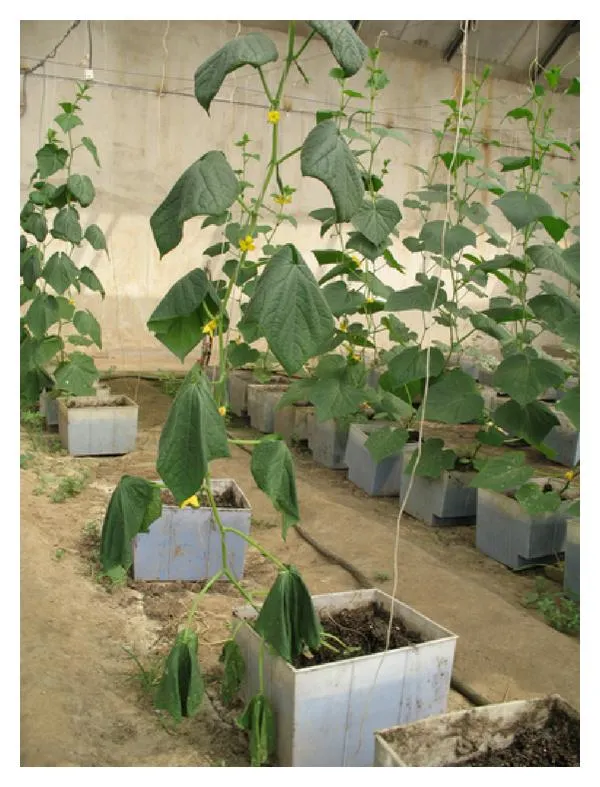
Wilting of cucumber plants in a greenhouse
The photograph captures cucumber plants grown under protected ground conditions in white containers. Plants in the foreground and on the left show severe wilting: the leaves have lost turgor and drooped. This may be caused both by a lack of moisture in the substrate and by damage to the plant vascular system by pathogens (e.g., Fusarium wilt).
Crop loss and disappointment. Hail, frost, drought, disease, and pests can all destroy a harvest. If this happens several years in a row, disappointment sets in. Gross (2018) describes cases in which gardeners, faced with failures, completely gave up the homestead. This is especially characteristic of beginners who expected quick results.
Wilted plants in a greenhouse are a common result of lack of time or care errors. This is not only a loss of harvest but also a serious blow to the gardener's motivation.
Death of plants and animals. Improper care, disease, lack of vaccination, and poor housing conditions all lead to death. Studies of poultry show that mortality can be mass-scale, especially without biosecurity (Yonga et al., 2026). This is not only financial loss but also emotional trauma.
Soil deterioration for years. Erosion, salinization, depletion, and toxin accumulation all make the soil unsuitable for cultivation for years. Restoration requires time, effort, and money. Trannua (2018) recommends preserving the fertile layer and minimizing deep cultivation so as not to destroy the soil.
Conflicts in the family and with neighbors. A homestead requires time and energy that may be lacking for the family. This can become a source of tension. Conflicts with neighbors over shade, odors, and noise are another risk. Trannua (2018) describes typical “mistakes” and recommends avoiding them.
Financial losses. Investment in seeds, seedlings, tools, and animals may not pay off. The study by Utzinger & Connolly (1978) showed that the return per hour of labor in a home garden was about $1.08 — below the minimum wage. If all costs are taken into account, the homestead may turn out to be economically unprofitable. Puett et al. (2014) showed that even socially significant projects (gardens for people with HIV in Zimbabwe) can be ineffective from a cost perspective.
Giving up gardening forever. Failures, burnout, and guilt can all lead to a complete abandonment of the homestead. Gross (2018) describes this as a loss of identity and a source of joy. This is especially regrettable because gardening can bring benefits — physical, psychological, and social.

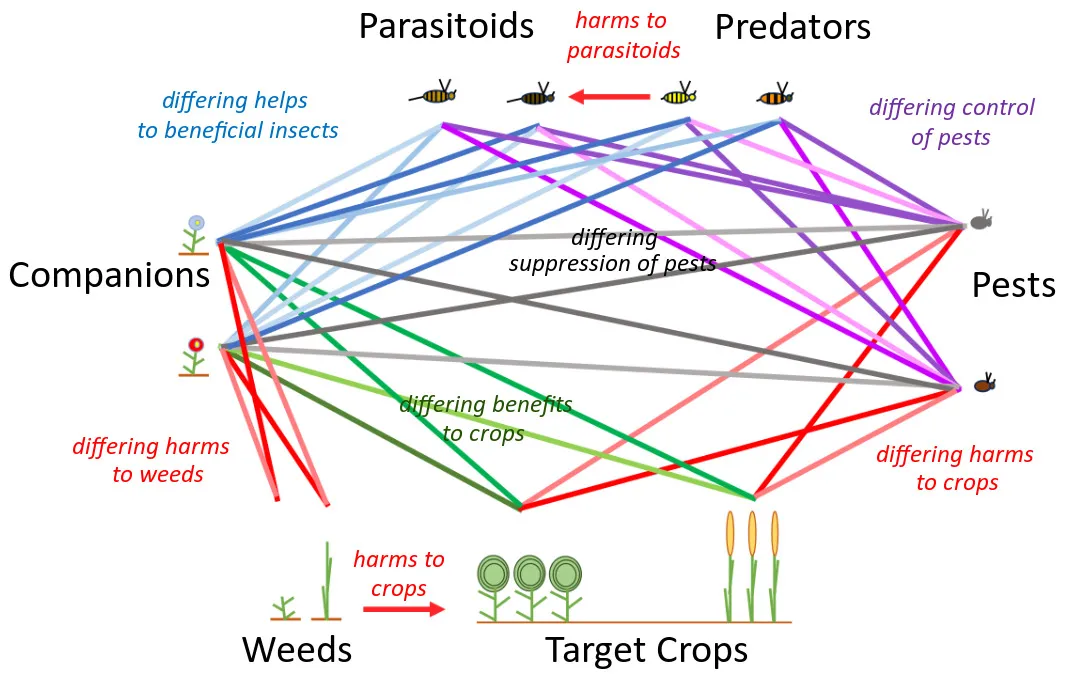
Complex network of interactions in a companion planting system
A diagram showing the multiple ecological relationships between companion plants, target crops, weeds, pests, and beneficial insects (parasitoids and predators). Multicolored lines illustrate various effects: from helping beneficial insects and suppressing pests to various harm caused to crops or weeds. The diagram explains why scientific evaluation of companion cropping is a complex and slow process due to the many variables.
How to avoid this. Planning, knowledge, and gradualness. Start small, learn before rather than after, and take climate, laws, and neighbors into account. Do not get animals without preparation. Stop in time and review your approach. Seek help and community. Research shows that gardeners who learn from mistakes and adapt achieve better results (Gross, 2018; Chalker-Scott, 2018).
Understanding the complex interactions in the garden (from beneficial insects to weed suppression) requires learning and time, but it is exactly what helps create a resilient system that protects itself.
Note. Research shows that gardening can be sustainable and beneficial if approached wisely (Ingram et al., 2015; Alkhaja et al., 2025). The key is in the balance between load and rest, between expectations and reality.

40W Full Spectrum LED Grow Light
Support healthy plant growth with full-spectrum LED lighting. Ideal for seedlings, indoor plants and small growing spaces. A practical solution for indoor gardening and year-round cultivation.
- Full-spectrum LED
- Energy-efficient design
- Indoor plant growing
Affiliate link · Check actual power and light coverage.
9. Who a Garden and Vegetable Plot May Not Suit
Gardening and keeping animals are not a universal hobby. There are people and situations for whom a homestead can become a source of stress, disappointment, and financial loss. Honestly acknowledging this is not weakness but maturity.
Those who are not ready to spend time. A garden and vegetable plot require daily attention during the season. Watering, weeding, inspecting plants, and harvesting — these tasks do not wait. Research shows that even a small plot requires several hours a week (Utzinger & Connolly, 1978). If life is busy and free time is scarce, a homestead can become a burden.
Those who expect quick results. Gardening is a process. Fruit trees begin to bear fruit after several years. Soil improves gradually. The first season may not produce the expected harvest. Gross (2018) notes that disappointment from unmet expectations is one of the main reasons people give up gardening.
Those who are not ready for failures. Hail, frost, drought, disease, and pests can all destroy a harvest. This is part of the process. If failures are perceived as a personal defeat, the homestead will be a source of stress rather than joy (Gross, 2018).
Those who lack the conditions. Lack of light, poor soil, lack of water, and proximity to industrial areas with pollution all limit possibilities. In such cases, efforts may not pay off. Research shows that in areas with high soil contamination, growing leafy vegetables can be risky (Saikawa & Filippelli, 2021; Hubai et al., 2024).
Those who want only “beauty” but not “work.” An ornamental garden also requires labor. If the goal is only aesthetics without investing effort, the result will be disappointing. Trannua (2018) emphasizes that even a “beautiful” plot requires regular care.
Note. It is normal that gardening is not for everyone. Everyone chooses their own path. If a homestead does not suit you for one reason or another, this is not a reason for guilt. It is better to honestly assess your capabilities than to face disappointment.
10. How to Reduce Risks
Risks can be managed. This does not mean they can be eliminated completely, but the homestead can be made more sustainable and safe.
Start small. Do not immediately take on a large plot, many crops, and animals. Start with a few beds, one tree, and a small number of poultry. This will allow you to gain experience without large losses. Trannua (2018) recommends focusing in the first season on layout and soil preparation rather than large-scale plantings.
Plan rather than act impulsively. Make a plot plan and take into account light, elevation changes, and drainage. Think through where the beds, trees, buildings, and compost will be. Trannua (2018) emphasizes that layout is the rational use of soil resources, and mistakes at this stage are costly.
Learn before, not after. Study the basics of agronomy, soil science, and plant protection. Use scientifically based sources, not only folk advice. Chalker-Scott (2018) warns about the many myths and unverified practices that can cause harm.
Take climate, laws, and neighbors into account. Choose crops and animals suitable for your climate. Familiarize yourself with local rules for keeping animals and constructing buildings. Consider neighbors' interests: shade, odors, and noise. Trannua (2018) recommends avoiding typical “mistakes” that cause justified dissatisfaction.
Do not get animals without preparation. Animals require conditions, feed, and veterinary care. Research shows that backyard flocks often lack biosecurity, which leads to disease and mortality (Yonga et al., 2026). Get animals only if you are ready to provide them with decent conditions and take responsibility.
Stop in time and review your approach. If the homestead becomes a source of stress, if there is not enough time or energy, the load can be reduced. Gross (2018) describes cases in which gardeners gave up part of the plot or the animals in order to restore joy in the process.
Seek help and community. Communicating with experienced gardeners and participating in clubs and online communities helps avoid mistakes and find support. Research shows that collective forms of gardening (community gardens) reduce risks and increase sustainability (Alkhaja et al., 2025; Ingram et al., 2015).
Note. The key to a sustainable homestead is balance between load and rest, between expectations and reality. Gardening is worth it if approached wisely.
Regional aspect. Different regions have their own risks and their own ways of reducing them. In arid zones — water collection, mulching, and drought-resistant crops. In cold regions — greenhouses, covers, and early varieties. In poor regions — cooperation and resource sharing. In wealthy ones — letting go of excess and perfectionism. Everywhere it is important to take local conditions into account and learn from local communities.
In the next chapter, we will look at the regional aspect of risks and summarize.
11. Regional Aspect
The risks of gardening and keeping animals are not universal. They depend on the climate, laws, culture, and economic conditions of the region. What is safe and reasonable in one place may be risky or impossible in another. Let us consider the main differences.
Climatic risks. Different climatic zones have their own threats. In arid regions — drought, water shortage, and soil salinization. In the tropics — floods, hurricanes, and high humidity that contributes to fungal diseases. In temperate latitudes — frost, hail, and sharp temperature fluctuations. In northern regions — a short growing season and the risk of early autumn frosts. Research shows that climate change is intensifying these risks: droughts are becoming longer, downpours more intense, and anomalies more frequent (Ingram et al., 2015). A gardener must take into account the climatic characteristics of their region and choose resilient crops and methods.
Laws and restrictions. Different countries have their own rules. Here are a few examples. In the United States, a federal ban on growing black currant (Ribes nigrum) was introduced in the early 20th century because it is an intermediate host of the fungus Cronartium ribicola, which affects white pine. The federal ban was lifted in 1966, but individual states retained restrictions, and in some of them the cultivation of black currant is still regulated or prohibited. This is an example of how laws differ by region and can unexpectedly affect a gardener's plans. In Europe, there are strict rules for keeping animals and biosecurity, especially after outbreaks of avian influenza and African swine fever (Yonga et al., 2026). In developing countries, access to veterinary care is limited, and the risk of zoonoses is higher. Before starting a homestead, it is worth checking local regulations.
Cultural differences. Different cultures have different attitudes toward land, neighborliness, and homesteading. In some regions, it is customary to help neighbors, exchange harvests, and solve problems together. In others, boundaries are more closed, and conflicts arise more often. In some cultures, gardening is a means of survival; in others, a hobby or a status symbol. Trannua (2018) notes that in Russia, the dacha is not only a place of rest but also a source of food, which forms a special attitude toward land. In Western Europe and North America, gardening is more often perceived as recreation or a way to support biodiversity (Ingram et al., 2015). These differences are important to take into account when planning and communicating with neighbors.
Economic conditions. In poor regions, the risks of gardening and animal husbandry are related to survival: lack of water, seeds, fertilizers, veterinary care, and markets. Crop loss or livestock death can mean hunger or loss of income. In wealthy regions, the risks are different: surplus produce, burnout, perfectionism, and social pressure. Research shows that in developed countries, gardeners often experience stress from failing to meet expectations and social norms (Gross, 2018). In developing countries, by contrast, gardening and animal husbandry are often a matter of survival, and the risks are related to a lack of resources and support (Puett et al., 2014).
Note. There are no universal solutions. What works in one region may not work in another. It is important to take local conditions, laws, culture, and economy into account. The best source of knowledge is local communities, universities, and agricultural services.
12. Conclusion
A garden, vegetable plot, and keeping animals are not only about benefits and joy. They are responsibility, costs, risks, and limitations. An honest understanding of the downsides makes the path more sustainable. It is better to know the risks in advance than to face them unprepared.
We have examined the main groups of risks: the costs of time, money, and energy; physical and psychological loads; health threats; environmental consequences; risks of keeping animals; legal and social aspects; and the consequences of poor homestead management. We also discussed who a garden and vegetable plot may not suit and how to reduce risks.
Key takeaways:
— Gardening is an exchange of resources for a harvest. Economic benefit is not always obvious, and labor may not pay off by market standards (Utzinger & Connolly, 1978).
— Physical and psychological risks are real: injuries, overwork, burnout, and guilt (Gross, 2018; Ingram et al., 2015).
— Health requires protection: allergies, infections, toxins, and food poisoning can all be prevented by observing hygiene and caution (Hubai et al., 2024; Saikawa & Filippelli, 2021; Yonga et al., 2026).
— Environmental risks accumulate slowly but have long-term consequences: erosion, salinization, water pollution, and loss of biodiversity (Ingram et al., 2015).
— Animals require conditions, care, and responsibility. Without preparation, they become a source of stress and loss (Yonga et al., 2026; Zoanetti et al., 2024).
— Laws and social norms differ by region. They need to be known and taken into account (Zoanetti et al., 2024; Ingram et al., 2015).
— Poor homestead management can lead to crop loss, animal death, soil deterioration, conflicts, and disappointment (Trannua, 2018; Puett et al., 2014).
— Gardening does not suit everyone. This is normal. An honest assessment of one's capabilities is the foundation of sustainability.
— Risks can be reduced: start small, plan, learn, take local conditions into account, do not get animals without preparation, stop in time, and seek support (Chalker-Scott, 2018; Trannua, 2018; Ingram et al., 2015).
Gardening is worth it — if approached wisely. It provides fresh produce, physical activity, psychological relief, and connection with nature and community. But only under realistic expectations, planning, and respect for limitations. It is better to know the risks in advance than to face them unprepared. An honest understanding of the downsides makes the path more sustainable.
References
- (2015). ‘Climate and other environmental changes’, in Ingram, D.S., Vince-Prue, Daphne, Gregory, P.J. (ed.) Science and the Garden. The scientific basis of horticultural practice. West Sussex, UK: Royal Horticulture Society. Wiley Blackwell, pp. 206-213.
- (2015). ‘Garden wildlife and conservation’, in Ingram, D.S., Vince-Prue, Daphne, Gregory, P.J. (ed.) Science and the Garden. The scientific basis of horticultural practice. West Sussex, UK: Royal Horticulture Society. Wiley Blackwell, pp. 292-298.
- (2015). ‘Health, well-being and socio-cultural benefits’, in Ingram, D.S., Vince-Prue, Daphne, Gregory, P.J. (ed.) Science and the Garden. The scientific basis of horticultural practice. West Sussex, UK: Royal Horticulture Society. Wiley Blackwell, pp. 307-319.
- Alkhaja, Nour, Alawadi, Khaled, Almemari, Kholoud, Alshehhi, Ghalya (2025). ‘How is urban agriculture practiced, institutionalized, implemented, and sustained? A literature review’, Progress in Planning, 192(0), 100917. doi: 10.1016/j.progress.2024.100917
- Ashikuzzaman, Md, Swapan, M.ShahidulH., Zaman, A.Uz (2025). ‘Integrating urban rooftop farming into city governance in megacities: A systematic literature review’, Cities, 161(0), 105893. doi: 10.1016/j.cities.2025.105893
- Athearn, Kevin, Wooten, Hannah, Felter, Liz, Campbell, C.G., Ryals, J.E., Lollar, M.C., Popenoe, Juanita, Bravo, Lorna, Duncan, L., Court, Christa, Wilber, Wendy (2021). ‘Costs and Benefits of Vegetable Gardening’, EDIS, 2021(2), 10. doi: 10.32473/edis-fe1092-2021
- Chalker-Scott, Linda (2018). ‘Garden Science: Weeding Out the Myths’, in The Science of Gardening. Course Guidebook. Chantilly, Virginia: The Great Courses, pp. 5-13.
- Chalker-Scott, Linda (2018). ‘Tackling Garden Myths and Misinformation’, in The Science of Gardening. Course Guidebook. Chantilly, Virginia: The Great Courses, pp. 211-220.
- Domina, Gianniantonio, Gristina, E.Di, Barone, Giulio (2024). ‘Main Poisonous and Allergenic Plant Species in Sicilian Gardens and Parks: Applications and Recommendations for Use’, Plants, 13(7), 1031. doi: 10.3390/plants13071031 (PubMed)
- Francesco, J.Di, Isenhower, Elizabeth, Fausak, E.D., Silva-Del-Rio, Noelia, Pires, A.F..A. (2025). ‘A scoping review of studies reporting biosecurity practices in small and backyard farms raising livestock or poultry in developed countries, 2000–2022’, Preventive Veterinary Medicine, 236(0), 106423. doi: 10.1016/j.prevetmed.2025.106423 (PubMed)
- Gentile, Nicla, Carrasquer, Fernando, Marco-Fuertes, Ana, Marin, Clara (2024). ‘Backyard poultry: exploring non-intensive production systems’, Poultry Science, 103(2), 103284. doi: 10.1016/j.psj.2023.103284 (PubMed)
- Gross, Harriet (2018). ‘Taking up or taking over? reflections on gardening as an occupation’, in The Psychology of Gardening. New York, NY: Routledge, .
- Gross, Harriet (2018). ‘‘In touch with nature’: the human–nature relationship’, in The Psychology of Gardening. New York, NY: Routledge, .
- Hubai, Katalin, Kováts, Nora, Eck-Varanka, Bettina (2024). ‘Urban Gardening—How Safe Is It?’, Urban Science, 8(3), 91. doi: 10.3390/urbansci8030091
- Johnson, Noelle (2023). ‘Choosing the Right Plants for Hot, Arid Regions’, in Dry Climate Gardening. Beverly, MA: Cool Springs Press, .
- Kessler, Rebecca (2013). ‘Urban Gardening: Managing the Risks of Contaminated Soil’, Environmental Health Perspectives, 121(0), A326-A333. doi: 10.1289/ehp.121-A326 (PubMed)
- Littlewood, Michael (2007). ‘The Basics’, in The organic gardener's handbook. Ramsbury, Wiltshire: The Crowood Press, pp. 15-22.
- Peter, Robinson (1999). ‘Saving Water in the Garden’, in Water-wise gardening. New York, NY: DK Publishing, pp. 7-16.
- Pratt, M.M. (2005). ‘Biodiversity in the Garden – Encouraging Wildlife’, in Practical Science for Gardeners. Portland, Oregon: Timber Press, pp. 100-128.
- Puett, Chloe, Salpéteur, C., Lacroix, Elisabeth, Zimunya, Simbarashe, Israël, A., Aït-Aïssa, M. (2014). ‘Cost-effectiveness of community vegetable gardens for people living with HIV in Zimbabwe’, Cost Effectiveness and Resource Allocation, 12(1), 11. doi: 10.1186/1478-7547-12-11 (PubMed)
- Rozmainsky, I.V., Lozhnikova, A.V., Kichko, N.I., Khloptsov, D.M. (2017). ‘Dacha in Post-Soviet Russia: Institutional Analysis’, Journal of Institutional Studies, 9(2), null. doi: 10.17835/2076-6297.2017.9.2.063-079
- Saikawa, Eri, Filippelli, G.M. (2021). ‘Invited Perspective: Assessing the Contaminant Exposure Risks of Urban Gardening: Call for Updated Health Guidelines’, Environmental Health Perspectives, 129(11), null. doi: 10.1289/EHP10376 (PubMed)
- Swiader, J.M., Ware, G.W., McCollum, J.P. (1992). ‘The Vegetable Industry’, in Producing Vegetable Crops. Danville, Illinois: Interstate Publishers, pp. 1-28.
- Utzinger, J.D., Connolly, H.E. (1978). ‘Economic Value of a Home Vegetable Garden’, HortScience, 13(2), 148-149.
- Yonga, C.Ngandjui, Vandenput, Sandrina, Hornick, J.Camille, Marlier, D.GilbertJ. (2026). ‘Pathogen prevalence and health risks in European backyard poultry: a scoping review’, BMC Veterinary Research, 0(0), null. doi: 10.1186/s12917-026-05730-2
- Zoanetti, Joshua, Young, Janette, Nielsen, T.Dahl (2024). ‘A Scoping Review of the Risks Posed by Companion Animals to Older Adults’, Anthrozoös, 37(5), 1015-1031. doi: 10.1080/08927936.2024.2351278
- do Nascimento NunesM. C. (2008). ‘Subtropical and Tropical Fruits’, in Color Atlas of Postharvest Quality of Fruits and Vegetables. Ames, Iowa, USA: Blackwell Publishing, pp. 3-104.
- Траннуа, Павел (2018). ‘Болезни растений [Plant diseases]’, in Сад и огород в рисунках и комиксах: полная наглядная энциклопедия [The Garden and Vegetable Patch in Drawings and Comics: A Comprehensive Visual Encyclopedia]. Москва: Издательство «Э», pp. 167-171.
- Траннуа, Павел (2018). ‘Борьба с сорняками [Weed control]’, in Сад и огород в рисунках и комиксах: полная наглядная энциклопедия [The Garden and Vegetable Patch in Drawings and Comics: A Comprehensive Visual Encyclopedia]. Москва: Издательство «Э», pp. 145-147.
- Траннуа, Павел (2018). ‘Вредители растений [Plant pests]’, in Сад и огород в рисунках и комиксах: полная наглядная энциклопедия [The Garden and Vegetable Patch in Drawings and Comics: A Comprehensive Visual Encyclopedia]. Москва: Издательство «Э», pp. 156-162.
- Траннуа, Павел (2018). ‘Заключение или ошибки и уязвимые стороны садоводов [Conclusion, or the mistakes and vulnerabilities of gardeners]’, in Сад и огород в рисунках и комиксах: полная наглядная энциклопедия [The Garden and Vegetable Patch in Drawings and Comics: A Comprehensive Visual Encyclopedia]. Москва: Издательство «Э», pp. 187-190.
- Траннуа, Павел (2018). ‘Мыши и кроты [Mice and moles]’, in Сад и огород в рисунках и комиксах: полная наглядная энциклопедия [The Garden and Vegetable Patch in Drawings and Comics: A Comprehensive Visual Encyclopedia]. Москва: Издательство «Э», pp. 163-166.
- Траннуа, Павел (2018). ‘Планировка участка и посадок [Site and planting layout]’, in Сад и огород в рисунках и комиксах: полная наглядная энциклопедия [The Garden and Vegetable Patch in Drawings and Comics: A Comprehensive Visual Encyclopedia]. Москва: Издательство «Э», pp. 9-15.
- Траннуа, Павел (2018). ‘Садовые разногласия с соседями [Garden-related disputes with neighbors]’, in Сад и огород в рисунках и комиксах: полная наглядная энциклопедия [The Garden and Vegetable Patch in Drawings and Comics: A Comprehensive Visual Encyclopedia]. Москва: Издательство «Э», pp. 183-186.
- Траннуа, Павел (2018). ‘Сбор и хранение урожая [Harvesting and storage]’, in Сад и огород в рисунках и комиксах: полная наглядная энциклопедия [The Garden and Vegetable Patch in Drawings and Comics: A Comprehensive Visual Encyclopedia]. Москва: Издательство «Э», pp. 172-178.
