
Gardening as a Global Tradition
1. Gardening — an Activity on Every Continent
Gardening is one of humanity’s oldest and most universal pursuits. Wherever people settled, they sought to grow plants: for food, medicine, beauty, or spiritual balance. Today gardens and vegetable plots can be found on every continent—from the tropical islands of Oceania to the arid oases of the Middle East, from densely built European cities to the vast plains of North America.
Archaeological and historical data indicate that home gardens arose simultaneously with plant domestication and have accompanied human civilization ever since (Maredia et al., 2023). In different cultures they served different functions: providing sustenance, serving as places of rest, displaying the owner’s status, or serving as spaces for spiritual practices. But one thing remained unchanged—the garden remains a place where humans interact with nature in the most direct way.
Modern research confirms: gardening is not just a hobby. It is associated with improved nutrition, physical activity, mental health, and social connections (Chalmin-Pui et al., 2021). In cities, gardens and vegetable plots become islands of biodiversity, help regulate microclimate, and reduce environmental pressure (Mhlanga et al., 2026). In rural areas, they support food security and serve as a source of income.
The global character of gardening manifests in an astonishing diversity of forms. In Europe, these are cottage gardens and dachas; in North America, backyard gardens and community gardens; in Latin America, family vegetable plots and milpa; in Africa, subsistence farming; in Asia, terraces and mini-gardens on balconies; in the Middle East, oases with date palms; in Australia and Oceania, drought-resistant and tropical gardens. In Russia and post-Soviet countries, gardening is inseparably linked with dachas and the famous “six sotkas.”
The diversity of climatic conditions, cultural traditions, and economic realities shapes different approaches to gardening. Yet behind this diversity lies a common foundation: people grow plants to sustain life, health, and well-being. Understanding this global context helps amateur gardeners learn from one another, adapt best practices to their conditions, and recognize their belonging to a centuries-old tradition.
2. Europe: Vegetable Plots, Dachas, Cottage Gardens
European gardening is a mosaic of traditions shaped by climate, history, and culture. In the northern and western regions, small private gardens predominate; in the eastern regions, collective and household plots. But everywhere the garden remains an important part of everyday life.
United Kingdom: Cottage Garden and Vegetable Growing
British gardening has deep roots. As early as the 19th century, a cult of the private garden formed here, and today about half of the country’s adult population engages in gardening (Chalmin-Pui et al., 2021). The cottage garden is not merely a plot with flowers and vegetables but a whole philosophy combining aesthetics and practicality. Studies show that gardeners in the UK consume fruits and vegetables more often, and the frequency of garden work is directly linked to improved well-being and reduced stress (Dunnett & Qasim, 2000). Allotment gardens—public vegetable plots provided by local authorities—remain popular in cities, allowing residents to grow produce even without their own plot.
Germany and the Netherlands: Schrebergärten and volkstuintjes

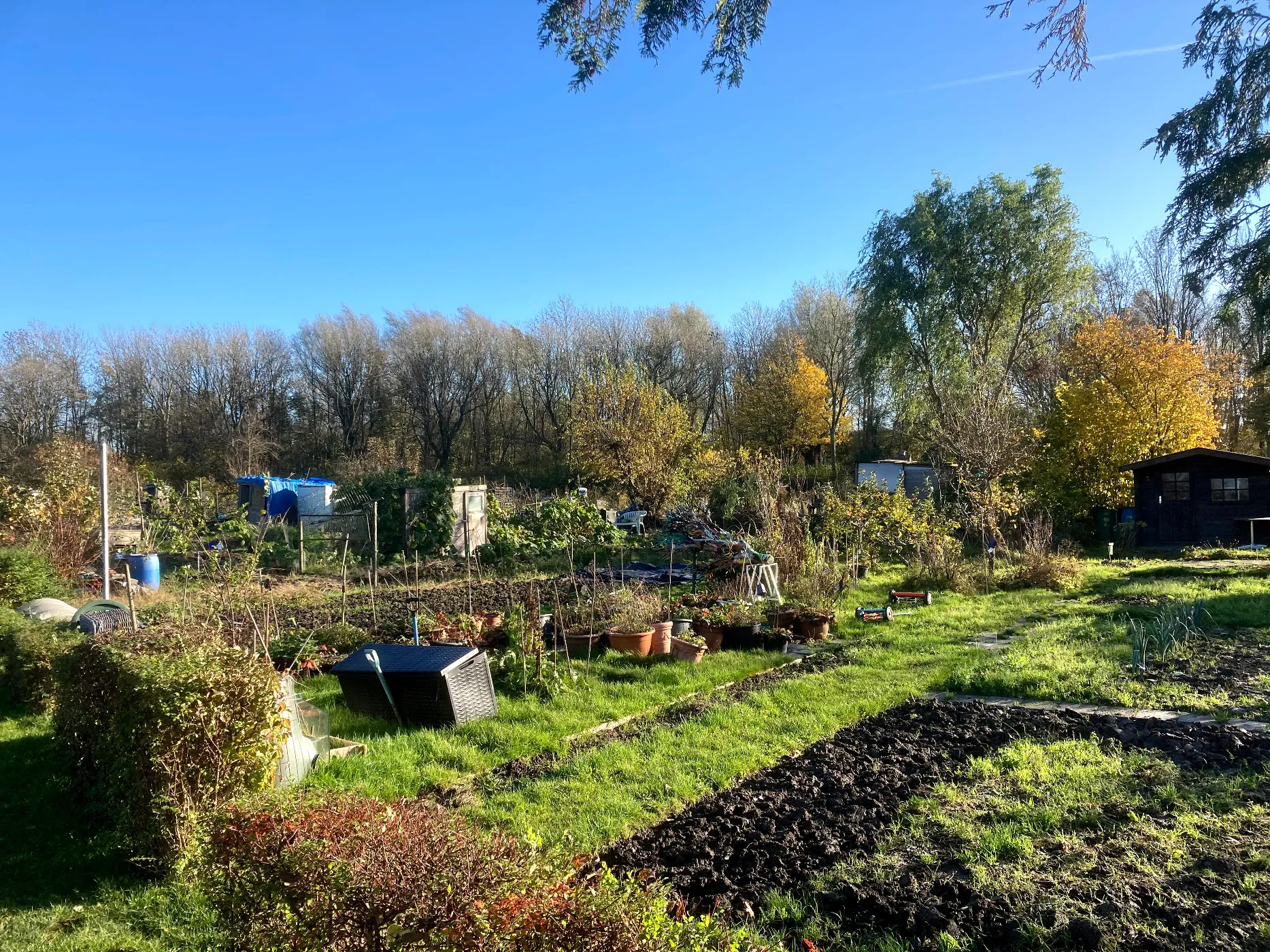
Space organization and composting in a community garden
A view of the landscaped plots of a community garden where composting processes, cold frames, and utility buildings are visible. It illustrates the principles of sustainable farming, site zoning, and organic waste processing. Location: Beijum district, Groningen, Netherlands.
In Germany, the tradition of Schrebergärten (garden associations) is more than a century and a half old. These plots, often located within city limits, serve not only for growing vegetables and fruit but also for recreation. In the Netherlands, similar gardens (volkstuintjes) are also widespread. Studies in these countries confirm that such gardens promote social interaction, physical activity, and psychological well-being (Nur-E-Alam et al., 2026).
In the Netherlands, for example, community gardens (volkstuintjes) often serve as a testing ground for sustainable farming principles, such as composting and spatial zoning.
The Mediterranean: Gardens and Vegetable Plots
In Southern Europe—Italy, Spain, Greece—gardening is closely tied to culinary traditions. Olives, citrus fruits, tomatoes, and herbs are grown here. Gardens are often located on terraces, allowing even steep slopes to be used. The “zero-kilometer” tradition—consuming local products—makes home vegetable plots especially valuable.
Eastern Europe: Dachas and Six Sotkas
In Russia, Belarus, Ukraine, and other post-Soviet countries, gardening is inseparably linked with dachas. A dacha is a country plot with a house and garden that performs many functions: from growing food to recreation and socializing. Studies show that dachas remain an important social and economic institution, as well as a testing ground for ecological experiments (Shkaruba et al., 2021). Many dacha owners use organic methods, compost waste, and preserve traditional varieties.
Scandinavia: Practicality and Ecology

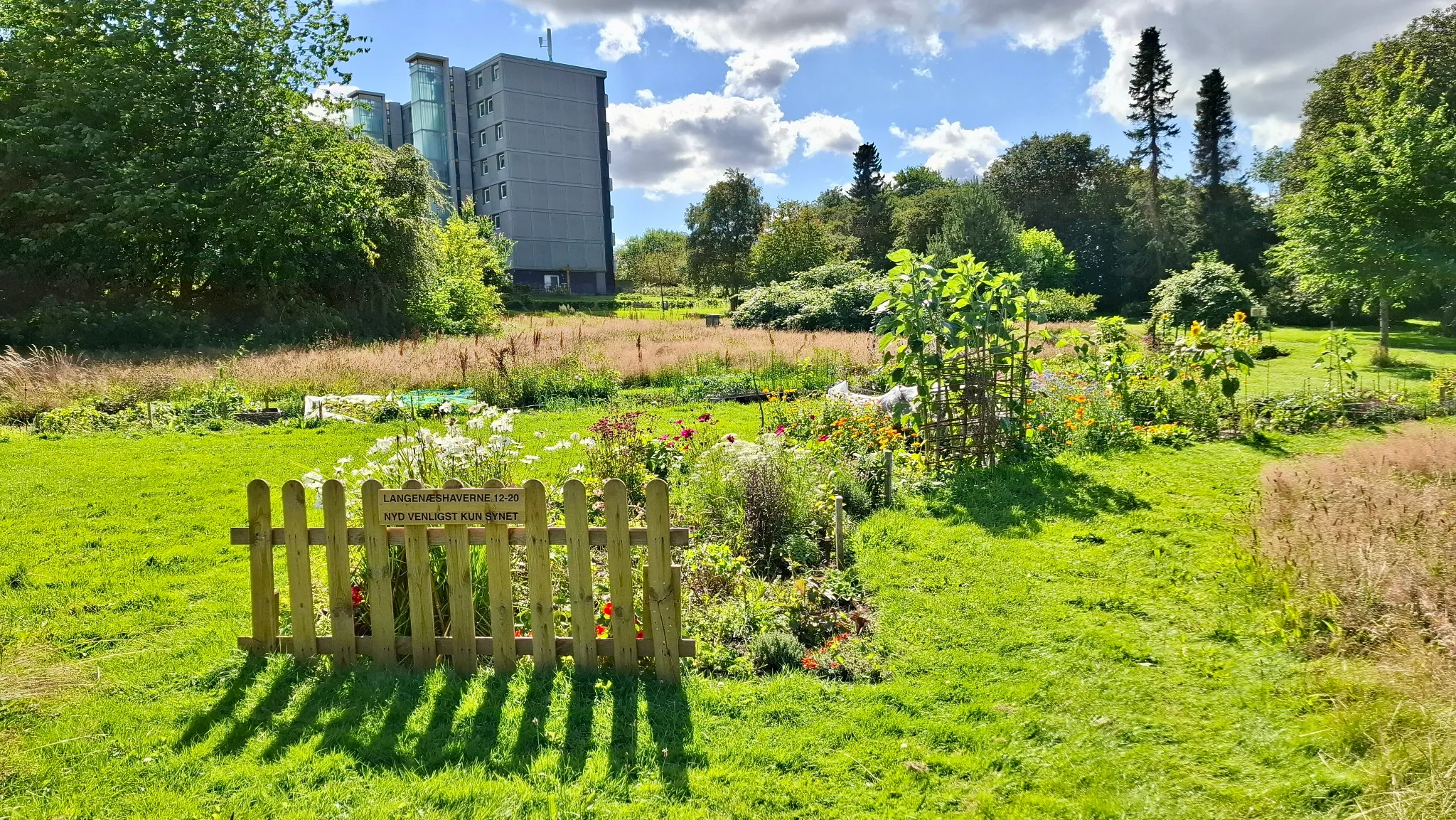
Community vegetable garden in Langenæs Park: flowering beds (Aarhus, Denmark)
A view of the community urban vegetable gardens in Langenæs Park, the city of Aarhus, Denmark. In the foreground is a wooden fence with a sign "LANGENÆSHAVERNE 12-20" enclosing a plot with various flowers and plants. In the distance, residential buildings, park plantings, and plots of other gardeners are visible. The sign reminds that the harvest is grown by local residents and is intended for visual enjoyment only.
In Scandinavian countries, gardening is often oriented toward sustainability. Greenhouses that extend the season and the cultivation of cold-resistant crops are popular here. Urban gardens and vegetable plots are becoming part of sustainable development strategies.
Common Trends
Despite differences, European gardening is united by several features: growing interest in organic farming, the use of gardens for recreation and psychological relief, and a striving for food self-sufficiency. European gardeners actively exchange experience through communities, online platforms, and local clubs, making gardening not only a personal but also a collective activity.


LCD 4-in-1 Soil Tester
Check essential growing conditions with one compact tool. Measure soil pH, moisture, temperature and light intensity — ideal for gardens, potted plants and greenhouses.
- 4-in-1 measurement
- Easy-to-read LCD display
- Portable design
Affiliate link · For indicative measurements only.
3. North America: Backyard Gardens, Community Gardens
North America—Canada and the United States—is a region with enormous climatic diversity: from Arctic zones to the subtropics of Florida and the arid deserts of the Southwest. Gardening here was shaped by Indigenous peoples, European colonists, African traditions, and later waves of immigration. Today two main types can be distinguished: private gardens at homes (backyard gardens) and community gardens.
Backyard gardens are plots around the house where vegetables, fruits, herbs, and ornamental plants are grown. Historically, the first European settlers brought seeds from Europe but quickly adopted the experience of Indigenous peoples, who grew corn, beans, squash, and other crops (Hobhouse, 2004). In the 19th century, Andrew Jackson Downing and Frederick Law Olmsted promoted natural landscapes and front lawns, which largely determined the appearance of the American suburb (Hobhouse, 2004). Today backyard gardens are not only a source of fresh produce but also a place for rest, physical activity, and psychological relief. Typical crops: tomatoes, peppers, eggplants, zucchini, cucumbers, lettuce, basil, berries. In arid regions, drip irrigation, mulching, and drought-resistant plants are popular.
Community gardens are public gardens that may be located on municipal land, at schools, churches, or in residential complexes. Their main feature is collective management and accessibility for local residents. A study in Baltimore showed that such gardens are perceived as an “urban oasis”: they transform vacant lots, create safe space, strengthen neighborly ties, and improve access to fresh produce (Poulsen et al., 2014). A systematic review confirms: participation in community gardens is associated with higher fruit and vegetable consumption, improved psychosocial well-being, and greater community activity (Hume et al., 2022). However, the quality of evidence remains low, and effects may be somewhat overstated (Hume et al., 2022).
Practical aspects for North American gardeners: raised beds and containers help solve problems of poor or contaminated soils; composting and mulching reduce costs and improve the soil; season extension is possible with greenhouses, cold frames, and row cover. In community gardens, it is important to agree in advance on rules, access to water, plot allocation, and care of common areas. Climatic challenges—droughts, extreme heat, frosts—require flexibility and the choice of resilient varieties.
Note. Hume et al. (2022) warn that most studies of community gardens have limitations: small samples, lack of control for confounding factors, and risk of systematic error. Therefore, results should be viewed as encouraging but not definitive.
4. Latin America: Familia, Milpa, Home Gardens
Latin America comprises more than 30 countries and territories from Mexico to Argentina and Chile. The region is distinguished by diverse climates, cultures, and socioeconomic conditions. Gardening here has deep roots: even before the arrival of Europeans, the Aztecs created floating chinampa gardens, and the Incas built terraces in the Andes (Hobhouse, 2004). Today traditions combine with modern forms of urban and household gardening.
Milpa is a traditional farming system common in Mexico and Central America. It is the joint cultivation of corn, beans, and squash. Corn provides support for beans, beans enrich the soil with nitrogen, and squash covers the ground, suppressing weeds and preserving moisture. Chili peppers, tomatoes, and herbs are often added. Milpa provides balanced nutrition, resistance to pests and diseases, and preserves cultural identity. Such plots are usually managed by the whole family, with knowledge passed from elders to younger generations.
Huertos familiares are family gardens at homes. They may include vegetables, fruit trees, medicinal plants, and sometimes small animals. An example from Costa Rica: a project for migrants in which women learned to grow multipurpose crops (pigeon pea, achiote, papaya), learned to collect rainwater, prepare biopesticides, and sell surpluses through a local market (Maredia et al., 2023). This improved nutrition, dietary diversity, income, and women’s status.

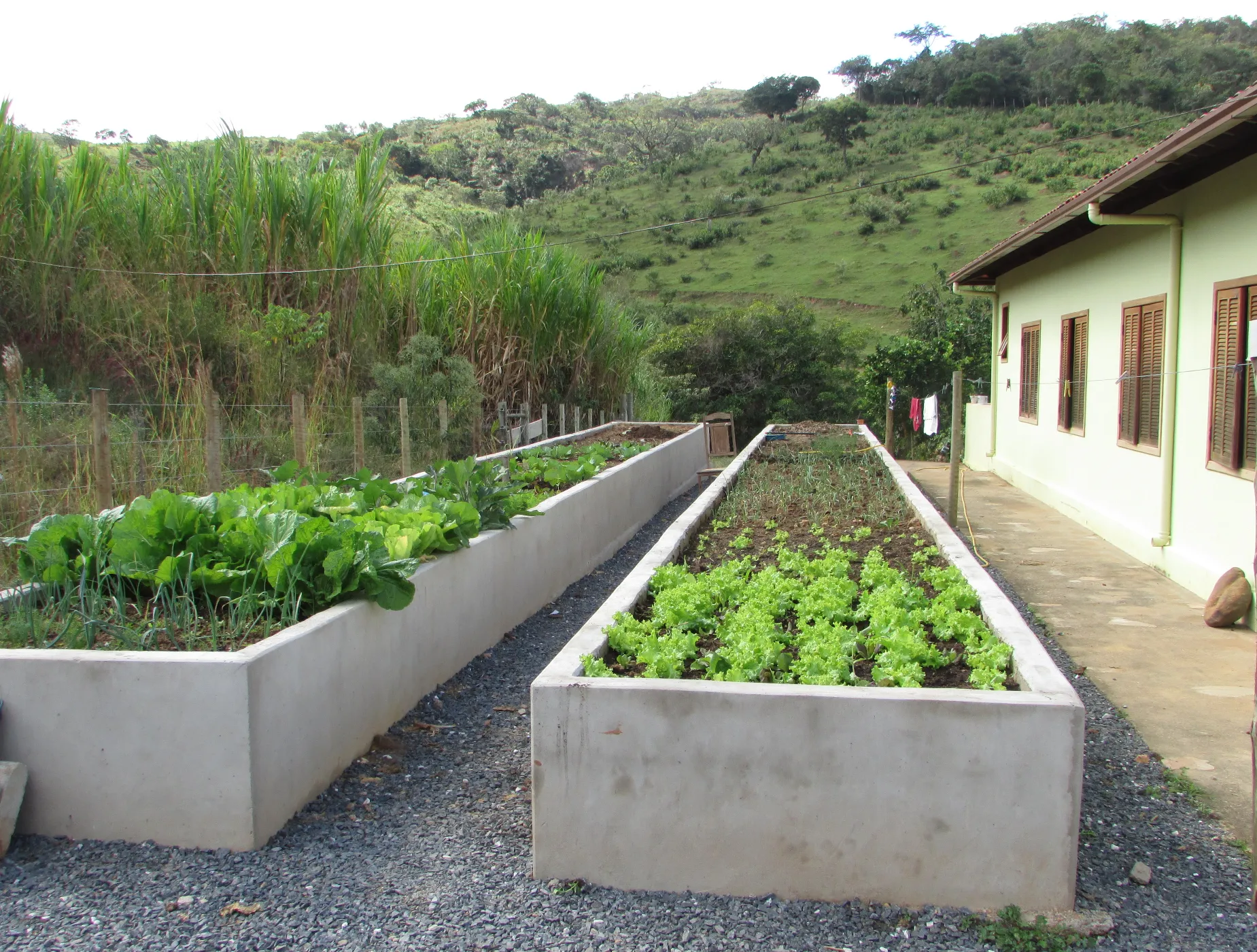
Organic garden with raised beds at Fazenda Andrequice
The photo shows an organic garden located at Fazenda Andrequice, Minas Gerais state (MG), Brazil. Two tall concrete beds filled with green leafy crops are presented next to a rural house. The raised beds make plant care easier and prevent soil erosion.
Urban gardens in Latin America often arise as a response to crisis and social exclusion. A study in Havana, Quito, and Rio de Janeiro showed that community vegetable plots activate vacant spaces, expand green areas, and create places for learning, food production, and socializing. They become a form of “resistance” and “co-production” of public space, strengthening social ties and civic activity (Fontes et al., 2026). However, institutionalization can limit autonomy: it is important to maintain a balance between grassroots initiatives and state support (Fontes et al., 2026).
Practical advice for the Latin American context: use local adapted crops, practice polyculture, compost organic waste, collect rainwater, save seeds, and integrate small animals. In cities, containers, vertical beds, and rooftops are suitable. It is important to consider land rights, access to water, and the risk of soil contamination. Family and neighbor networks help exchange knowledge and resources.
Note. Fontes et al. (2026) emphasize: urban gardens in Latin America are not merely food production but an instrument of social transformation. But without political support and fair distribution of resources, their potential remains limited.

Solar Automatic Drip Irrigation Kit for Gardens
Automate watering for pots, gardens and small greenhouses. This solar-powered system features a timer to help schedule water delivery to your plants.
- Solar-powered
- 15 m irrigation hose
- Programmable watering
Affiliate link · Check included accessories.
5. Africa: Subsistence Farming, Home Gardens
Africa is a continent with enormous diversity of climatic zones: from the Mediterranean coast to tropical forests and the arid Sahel and Kalahari. Gardening here is often vitally important: it provides families with food, income, and resilience to crises. Historically, African gardens arose long before colonization: for example, in Benin, plant cultivation in cities was practiced even before the arrival of Europeans (Konou et al., 2023). Today several main forms can be distinguished.
Subsistence farming is a subsistence economy in which the main goal is to feed the family. Such plots are usually located near the home and include diverse crops: corn, cassava, sweet potato, legumes, greens, and vegetables. In Mozambique, a nutrition improvement project showed that home gardens increase dietary diversity and knowledge about healthy eating, especially among women (Maredia et al., 2023). In Kenya, households reported improved nutrition, financial relief, and women’s empowerment, although they faced shortages of water, land, and technical support (Maredia et al., 2023).
Traditional African gardens often rely on drought-resistant crops, such as sorghum, and simple trellises for climbing plants, which allows for efficient land use in challenging climatic conditions.

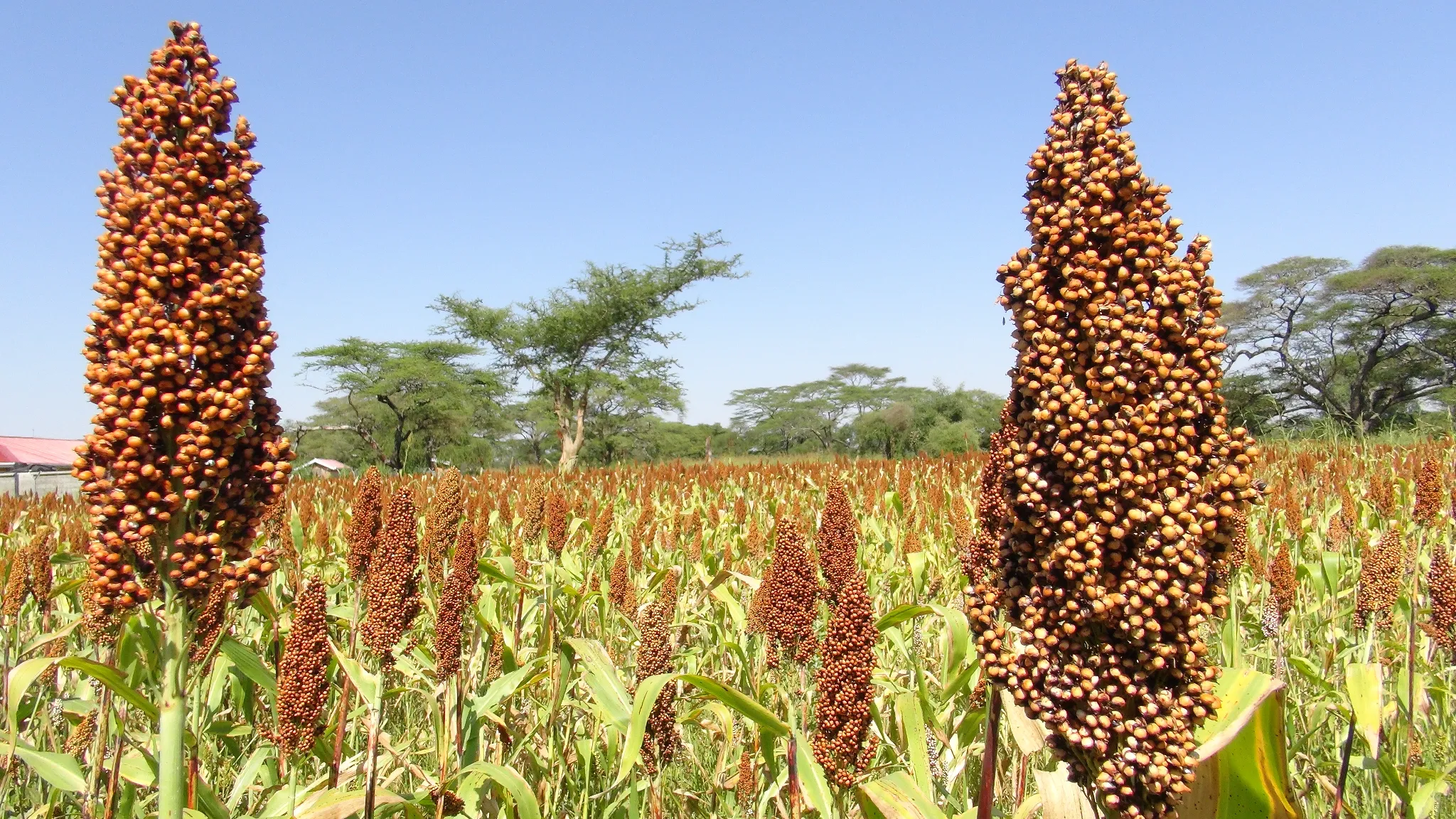
Drought-tolerant sorghum field in Karamoja
The photograph captures a sorghum field — a vital grain and fodder crop distinguished by high drought tolerance. Growing sorghum in the Karamoja region (Uganda) contributes to food security in arid areas where other cereal crops may not survive due to lack of moisture.

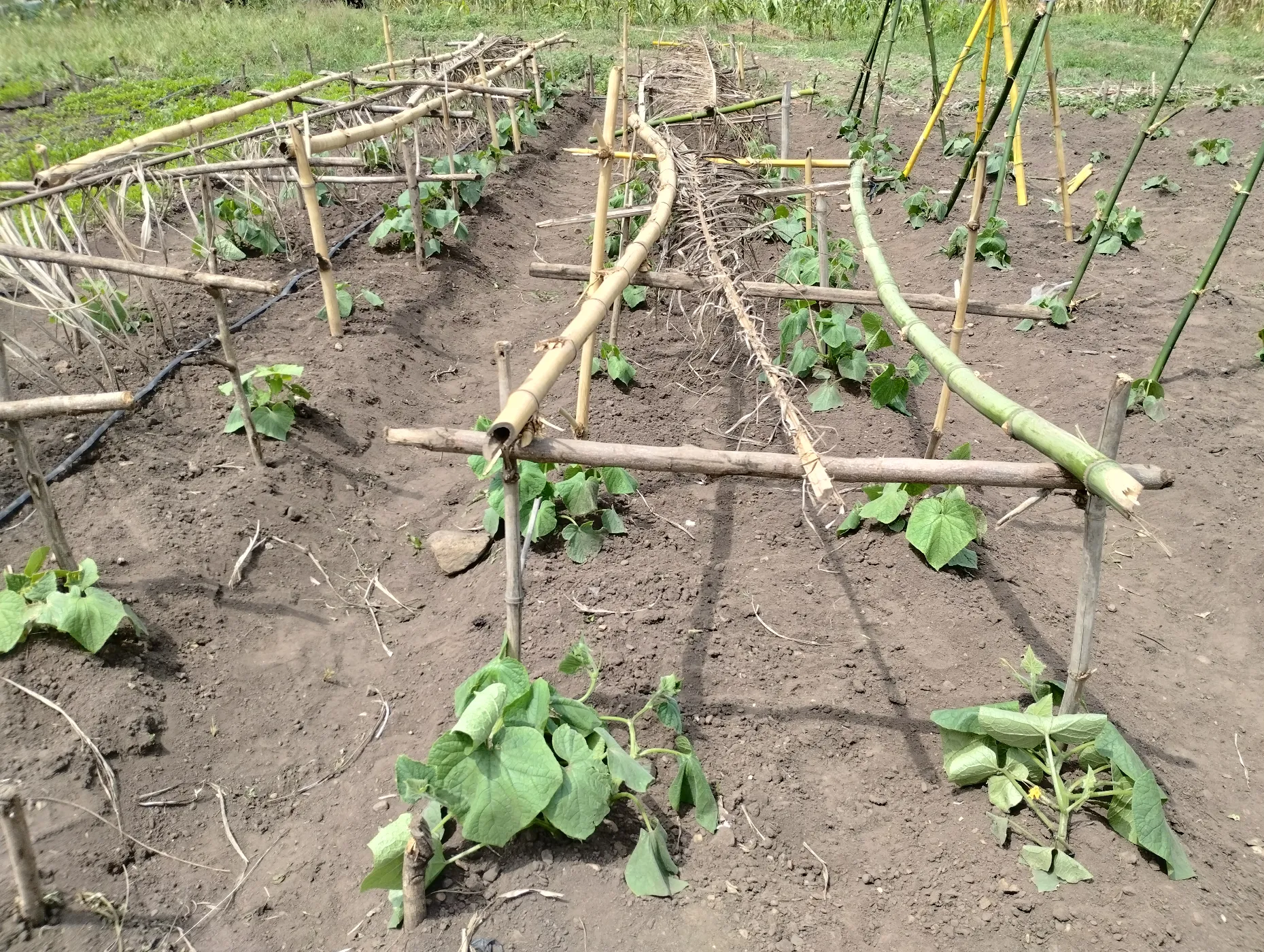
Plants on trellises in Kpalimé
A bed of climbing agricultural crops on wooden and bamboo supports in Kpalimé (Togo), belonging to the "Infa de Tové" project. The traditional method of supporting climbing plants to save space and improve ventilation is demonstrated.
Urban gardening in Africa is growing rapidly. A systematic review of 47 studies showed that urban gardening in sub-Saharan Africa contributes to food security, income, and psychosocial resilience, especially for women and low-income people (Mhlanga et al., 2026). However, problems are widespread: insecure land tenure, water shortages, weak technical support, and limited integration into urban policy (Mhlanga et al., 2026). Studies in Lagos noted that urban expansion reduces agricultural areas, but zoning along infrastructure corridors can protect gardens (Mhlanga et al., 2026).
Oases of North Africa are unique agroforestry systems. Traditional oases combine date palms, fruit trees, vegetables, and livestock. They provide food, income, and cultural identity but suffer from droughts, salinization, biodiversity loss, and population outflow (Santoro, 2023). Studies show that preserving traditional knowledge and polyculture is critically important for resilience.
Gardens for vulnerable groups. In Zimbabwe, a project of low-cost gardens for people living with HIV improved food consumption and dietary diversity, although the cost proved high (Puett et al., 2014). Participants noted psychological benefits: reduced stress, a sense of community, and reduced stigma.
Practical advice for the African context: use drought-resistant crops (sorghum, millet, sweet potato, amaranth), collect rainwater, apply mulching and compost, integrate small animals (goats, chickens), and create seed banks. In cities, containers, vertical beds, and rooftops are suitable. It is important to consider risks: soil contamination, malaria (standing water), and land shortage. Cooperation and knowledge exchange through local groups increase resilience.
Note. Mhlanga et al. (2026) emphasize: African urban gardens are often informal, without legal land rights. This limits investment and long-term planning. Political support and recognition of gardeners’ rights are key to unlocking their potential.
6. Asia: Rice Fields, Terraces, Mini-Gardens, Balconies
Asia is the world’s most densely populated region, where gardening and vegetable growing have millennial traditions. From the terraced fields of China and the Philippines to Japanese gardens and Indian vegetable plots, unique systems have formed here combining intensive farming, cultural meanings, and adaptation to dense construction.
China is the homeland of many cultivated plants (rice, tea, soy, citrus). Traditional Chinese gardens are not only places for rest but also philosophical spaces where nature and humans are in harmony (Hobhouse, 2004). However, practical vegetable plots are no less important. In rural areas, intensive systems with polyculture, use of compost, and integration with livestock are common. In cities, balcony and rooftop gardens, as well as community gardens, are increasingly popular.

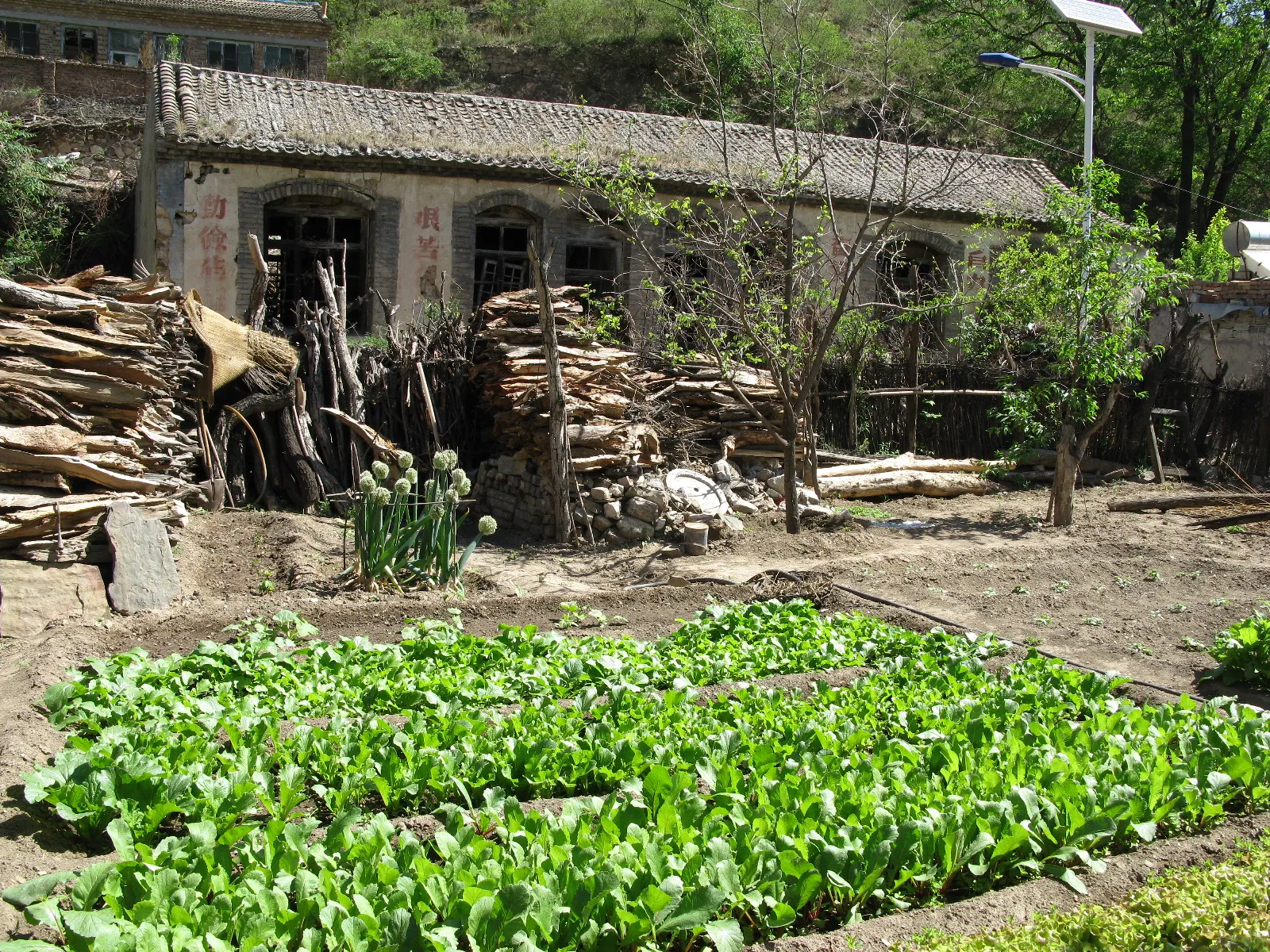
Vegetable garden in Jie Shi Village
A rural vegetable garden in Jie Shi Village (碣石村) near Beijing (China). It shows the cultivation of green vegetable crops next to traditional utility buildings and woodpiles.

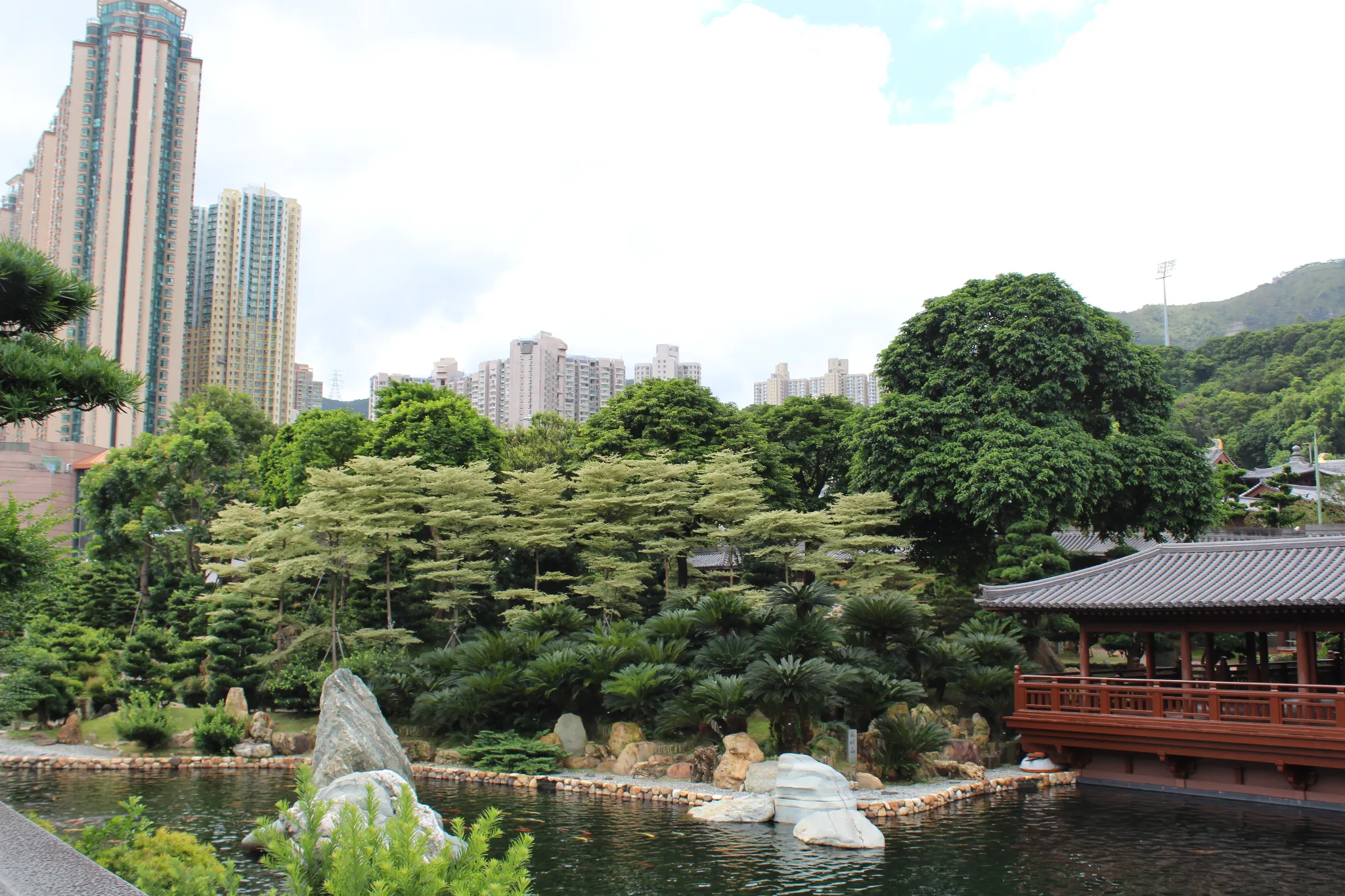
Wooden pavilion and pond in the Nan Lian Garden
A panoramic view of the garden with a pond, dense vegetation, and a traditional wooden pavilion. In the background, the garden borders dense urban development. (Hong Kong, China).
Japan is a country with high population density and limited land resources. Urban gardening is developed here: from small plots at homes to rented allotment gardens. A study in Okinawa showed that about one-third of residents engage in urban farming, mainly near homes or on balconies. Motivation includes fresh and safe vegetables, health, and contact with green spaces. More than 60% of respondents over 50 are involved in gardening, which is linked to free time and traditions (Chen et al., 2024). Japanese gardens are also known for their aesthetic perfection: even a small plot is transformed into a miniature landscape.

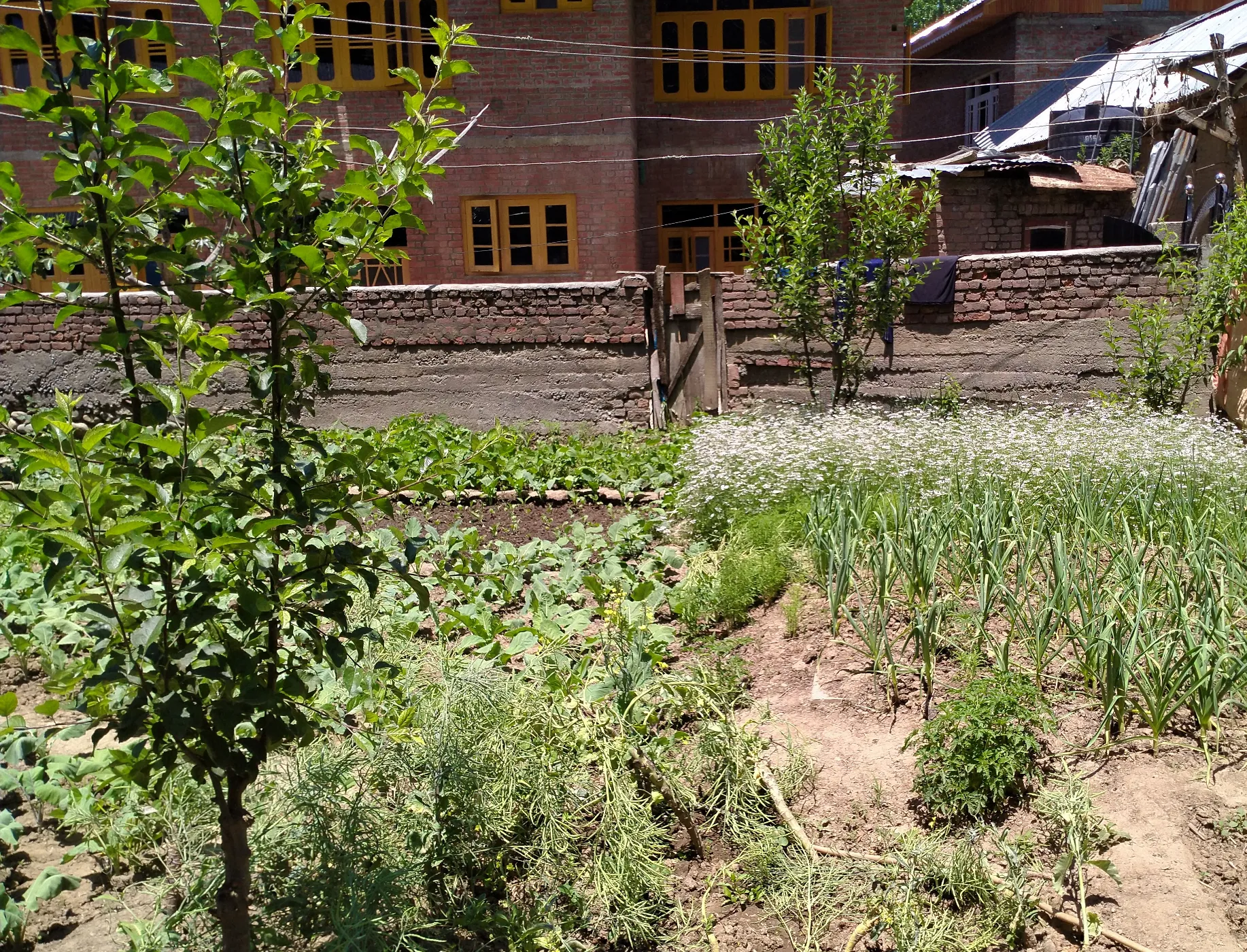
Vegetable garden in Kashmir
A traditional backyard vegetable garden in the Kashmir region (India/Pakistan). It demonstrates the cultivation of vegetables and greens in close proximity to residential buildings.
India is a country with enormous diversity of climates and cultures. Kitchen gardens are common in rural areas and increasingly in cities. A study in Gujarat, Madhya Pradesh, and Bihar showed that gardens increase fruit and vegetable consumption from twice a week to four to five times, save families up to 2,000–3,000 rupees per year, and provide opportunities to sell surpluses (Maredia et al., 2023). In Telangana, a project involving 500 households in each district demonstrated savings of $360 per year, reduced time spent shopping for food, and improved nutrition. Women trained to prepare dishes from what they grew became agents of change (Maredia et al., 2023).
Southeast Asia (the Philippines, Indonesia, Vietnam) is home to rice terraces, home gardens, and school gardens. In the Philippines, the Gulayan sa Barangay program integrates home gardens into kindergartens and schools, providing children with fresh vegetables and teaching agrobiodiversity (Maredia et al., 2023). In Indonesia, urban gardening is often linked to the food sovereignty movement.
The Middle East (West Asia) features oases, irrigated farming, and date gardens. Traditional systems use channels (qanat, foggara), allowing crops to be grown in arid zones. Modern gardeners use drip irrigation and drought-resistant plants. In Israel and Jordan, high-tech agriculture is developed, but home gardens are also popular.
Practical advice for the Asian context: use compact forms (containers, vertical beds, balconies), choose local adapted varieties, apply polyculture and crop rotation, collect rainwater, and compost. In the tropics, protect plants from overheating and heavy rains; in arid zones, mulch and use drip irrigation. Integration with livestock (chickens, fish) increases efficiency. Exchanging seeds and knowledge through communities strengthens resilience.
Note. Chen et al. (2024) note: in Japan, urban gardeners rate the social functions of gardens low, possibly because most of them are home gardeners rather than participants in community projects. This is a cultural feature worth considering when planning urban gardens in Asia.

7-in-1 Wi-Fi Weather Station
Monitor local weather conditions with a wireless outdoor sensor. Track temperature, humidity, rainfall, wind speed and direction, and atmospheric pressure. Ideal for gardens, farms and greenhouses.
- Wireless outdoor sensor
- Solar-powered
- Wi-Fi connectivity
Affiliate link · Check regional compatibility.
7. The Middle East: Oases, Irrigation, Date Gardens
The Middle East is a region with a predominantly arid and semi-arid climate, where water is the main value. Gardening here arose thousands of years ago in the land between the Tigris and Euphrates, in the Nile Valley, and on the Persian Plateau. The Islamic tradition gave gardens deep symbolic meaning: the garden is an image of paradise, with four rivers, ponds, shade, and an abundance of fruit (Hobhouse, 2004). Therefore, even a small plot of land here is treated as an oasis.
Traditional systems. The foundation is oases—unique agroforestry systems combining date palms, fruit trees (fig, pomegranate, apricot, citrus), vegetables, and greens. In North Africa and the Middle East, underground channels—qanat (in Iran) and foggara (in Algeria and Morocco)—have been used for centuries to deliver water by gravity. Such systems allow crops to be grown in the desert but require collective management and maintenance (Santoro, 2023). Traditional oases also integrate livestock: animals provide manure for fertilizer and are used for transport.
Modern practices. Today, drip irrigation is widely used in the Middle East to save water. In Israel, Jordan, and the UAE, high-tech greenhouse farming is developed. At the same time, home gardens and vegetable plots remain popular: tomatoes, cucumbers, eggplants, peppers, herbs (mint, basil, parsley), as well as dates, olives, and citrus are grown. In cities, community gardens and rooftop vegetable plots are appearing, especially in the arid zones of the Persian Gulf.
From community raised beds in cities to drip irrigation in farm fields, modern Middle Eastern gardeners adapt traditional methods to new conditions, conserving water and creating oases even in the most arid regions.

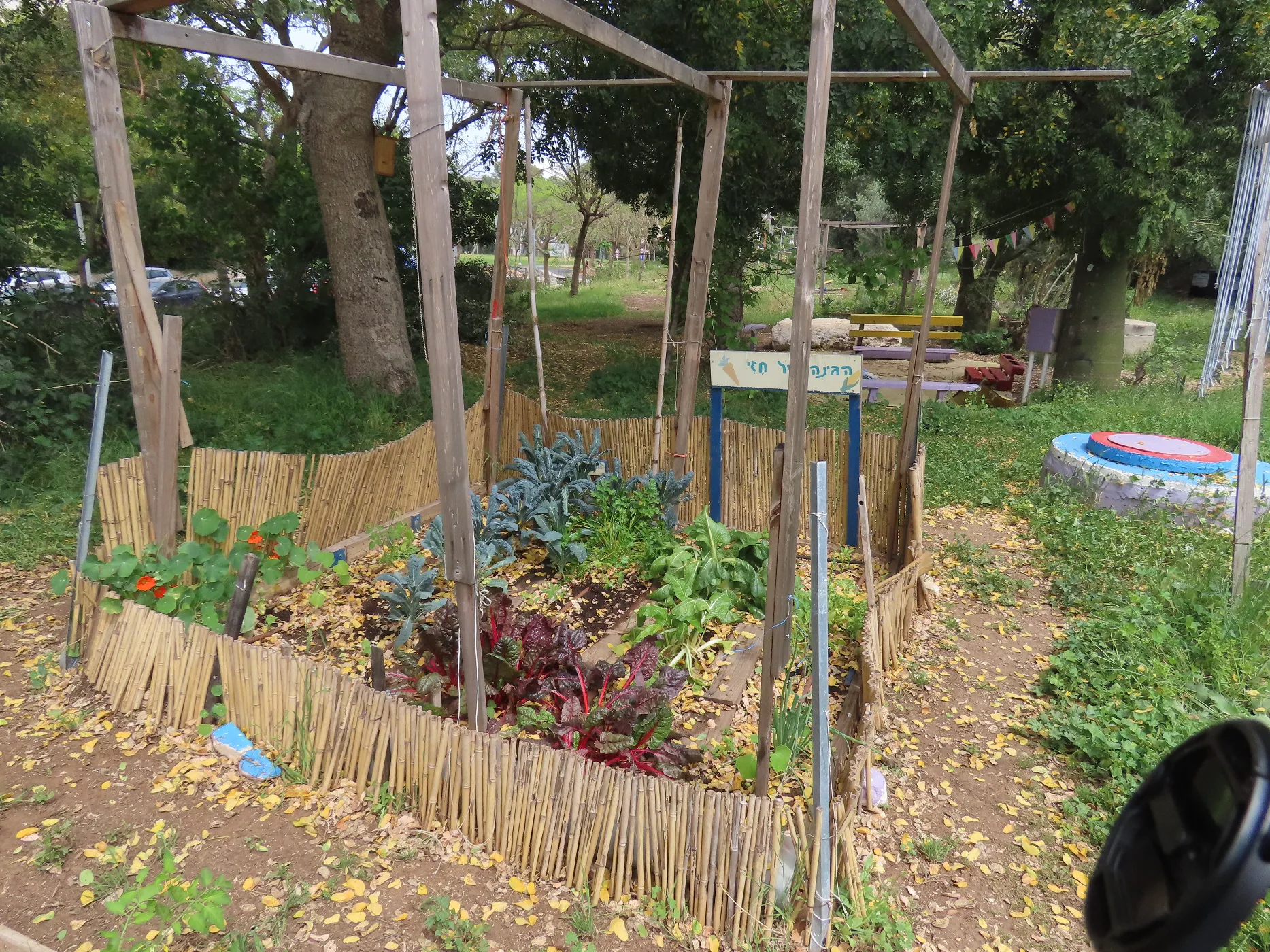
Fenced bed in the community garden of the Bavli district
A raised bed with leafy and vegetable crops surrounded by a bamboo fence and a wooden frame. Such structures protect plants and are used in urban community gardening. Location: Bavli district, Tel Aviv, Israel.

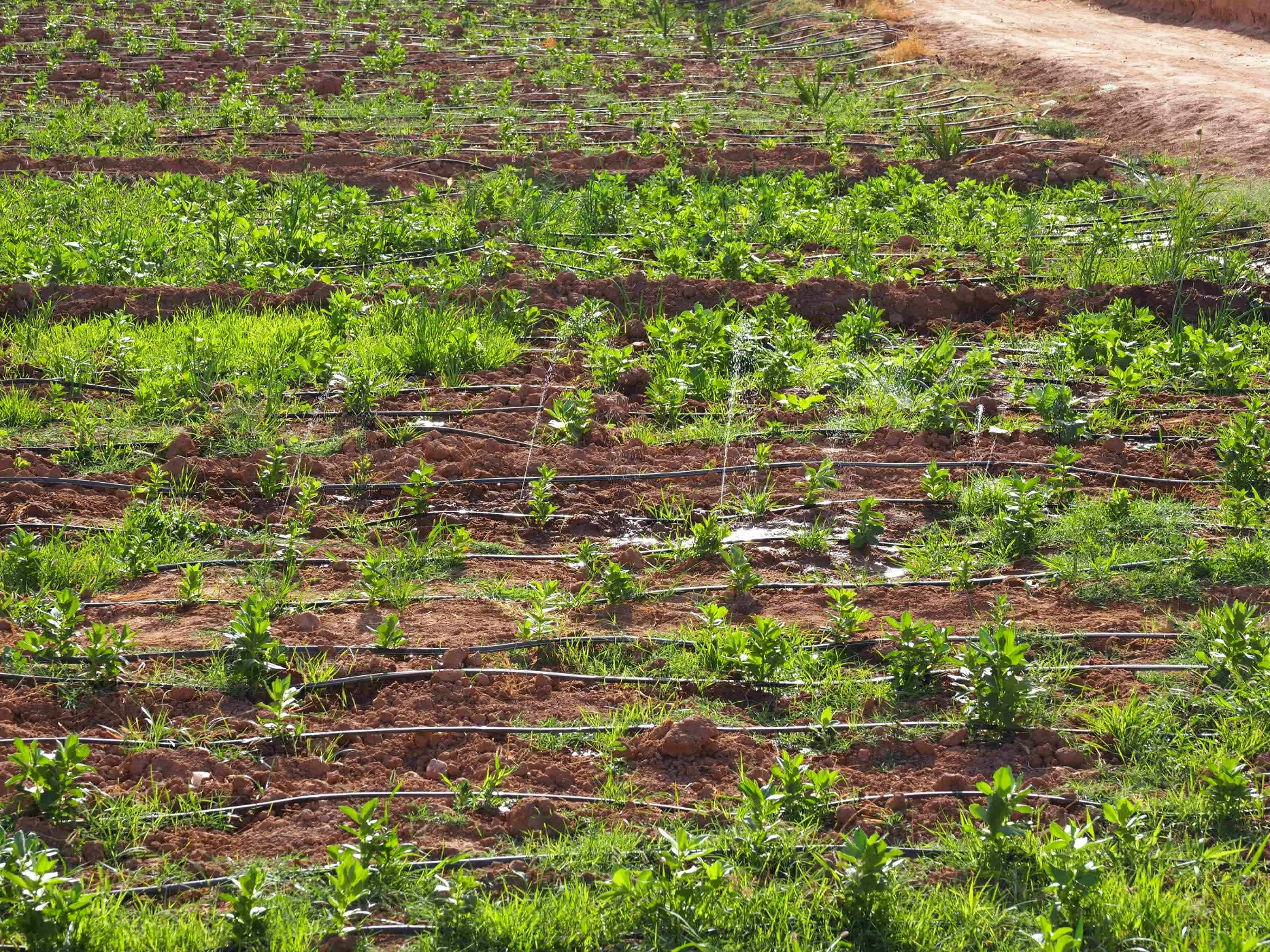
Drip irrigation in the gardens near Zagora
A drip irrigation system laid in the beds in the gardens near the town of Zagora. Irrigation lines run along rows of plants on reddish soil. Location: Zagora, Morocco.
Practical advice. For Middle Eastern gardeners, the key points are: collecting and storing rainwater; mulching the soil to preserve moisture; choosing drought-resistant crops and local varieties; using drip irrigation and containers; creating shade with plants or artificial structures; composting organic waste. It is important to consider soil salinization and water quality. In oases, the tradition of polyculture is preserved: the date palm provides shade, fruit trees grow beneath it, and vegetables below them.
Note. Santoro (2023) emphasizes that traditional oases of North Africa are under threat from droughts, salinization, biodiversity loss, and population outflow. Preserving traditional knowledge and polyculture is critically important for the region’s resilience. The same principles apply to the Middle East.
8. Australia and Oceania: Arid Zones, Tropics
Australia and Oceania is a vast region including the continent of Australia, New Zealand, and thousands of Pacific islands. The climate ranges from the deserts and semi-deserts of Australia to tropical forests and coral atolls. Gardening here is adapted to extreme conditions: droughts, fires, cyclones, poor soils, and salinization.
Australia. Much of the continent is arid, so gardeners use drought-resistant plants, native species (eucalyptus, acacia, banksia), mulching, and drip irrigation. In cities, community gardens, rooftop gardens, and vertical beds are popular. Examples: Wendy’s Secret Garden in Sydney—a community garden created on abandoned land—and Paddington Reservoir Gardens—a garden on the site of an old reservoir (DK Eyewitness, 2022). In tropical Queensland, mango, bananas, papaya, and macadamia are grown. In the southern states—apples, pears, stone fruits, grapes. Viticulture and horticulture are important industries.
New Zealand. Gardening has deep roots in Maori culture: traditional gardens (mara kai) with kumara (sweet potato), taro, and yam. Today home gardens are widespread. A study by Sharp et al. (2025) showed that children in Auckland most often learn gardening from older family members rather than at school. This emphasizes the importance of intergenerational knowledge transfer and family traditions. Organic gardening and permaculture are also developed in New Zealand.
Oceania. On the Pacific islands, traditional gardening is based on taro, yam, coconut, bananas, and breadfruit. Mulch, compost, and integration with fishing are used. However, the islands are vulnerable to cyclones, soil salinization, and climate change. The ACIAR (2023) project in Samoa, Fiji, and Tonga aims to study home and community gardens as a source of nutritious foods. In Samoa, the emphasis is on vegetable crops to improve families’ supply of fresh vegetables (ACIAR, 2023).

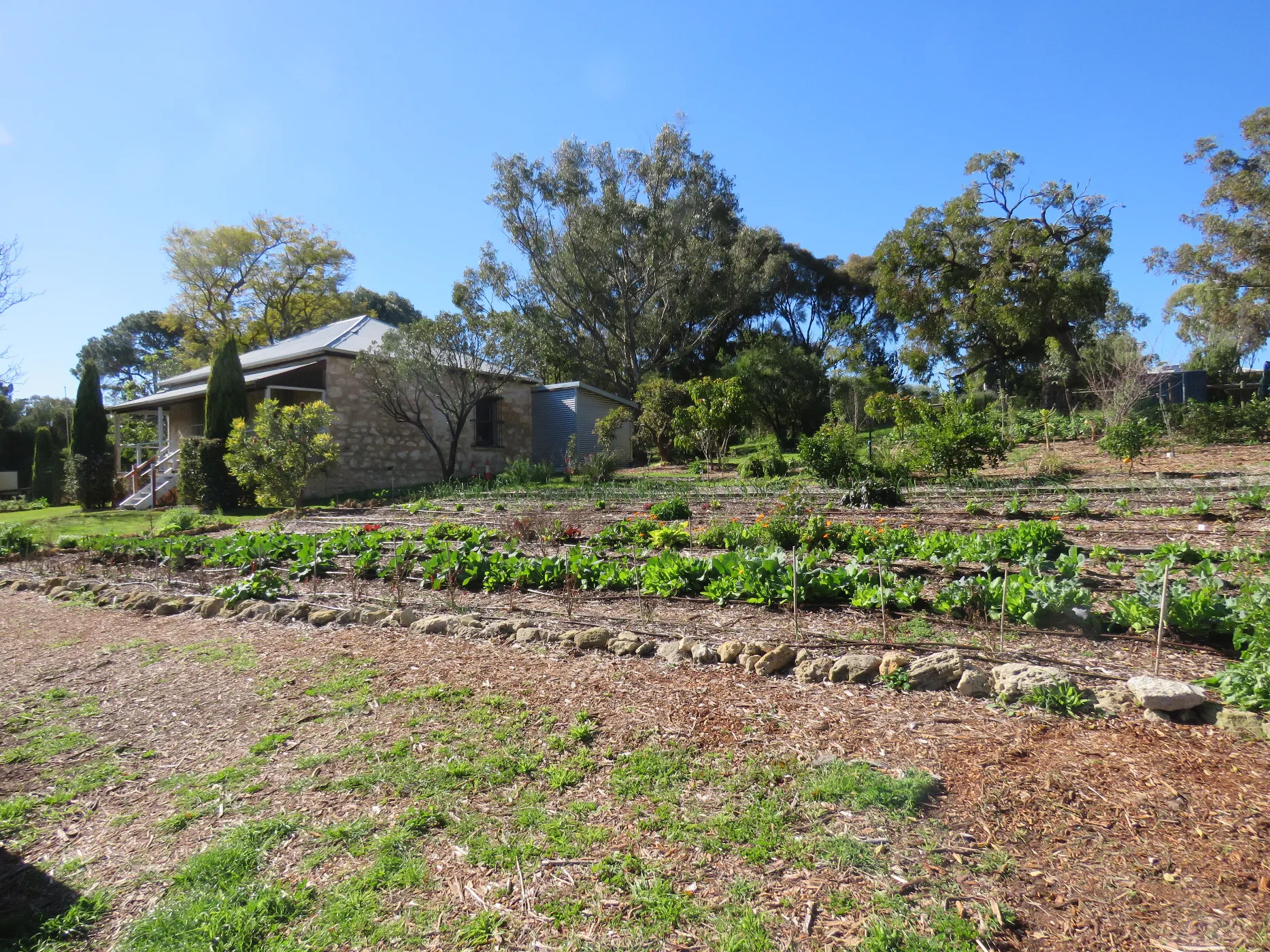
Garden at the historic Sloans Cottage (Leda, Western Australia)
A vegetable garden located on the grounds of a heritage site — Sloans Cottage in Leda, Western Australia (July 2023). Various vegetable crops are planted in the beds, including leafy vegetables and plants with bright flowers.

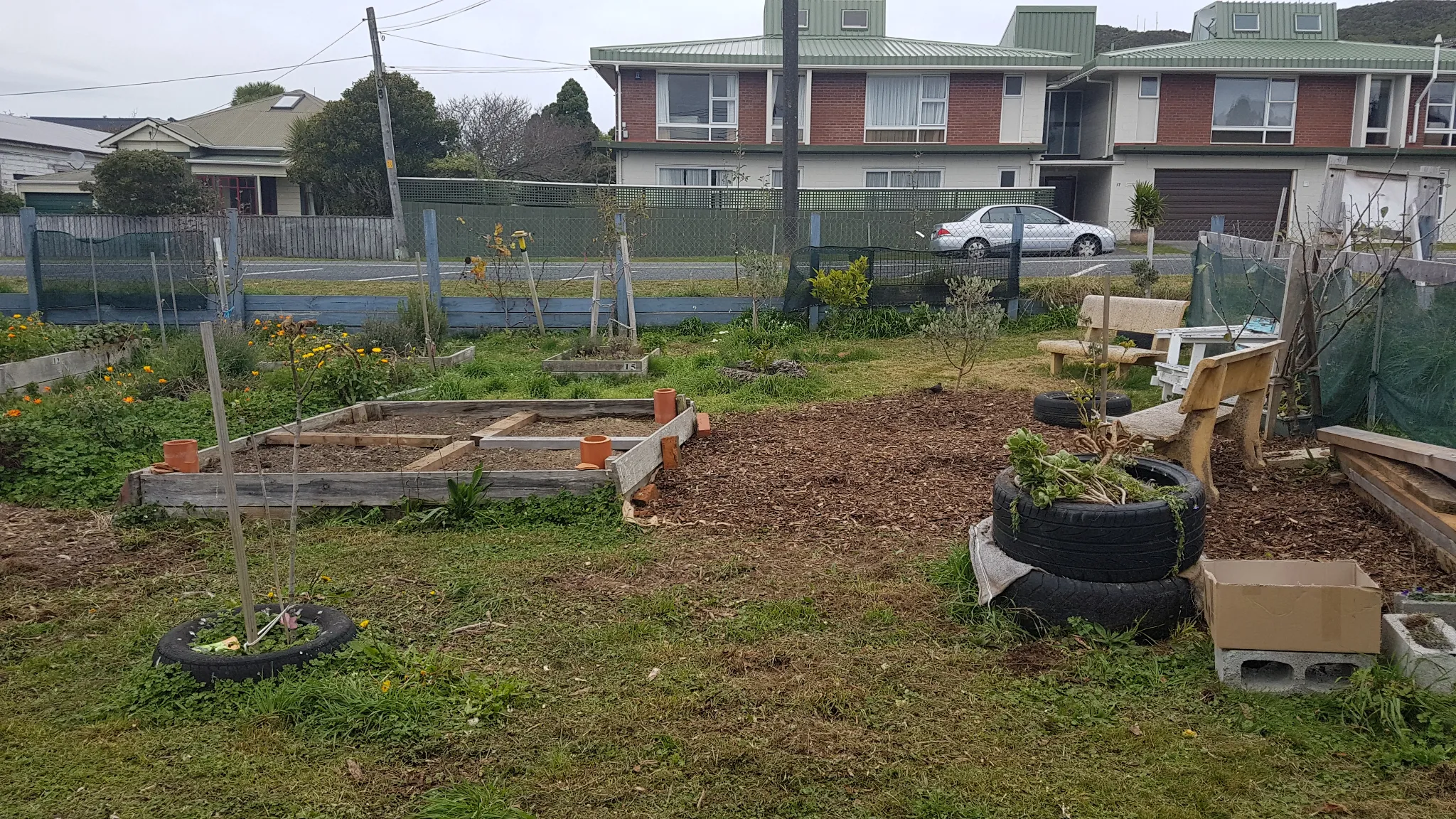
Karori community garden (spring period)
The territory of a community garden with wooden raised beds and improvised plant containers made from old car tires. Such spaces allow local residents to engage in gardening and improve the neighborhood. Location: Karori, Wellington, New Zealand (May 2020).
Practical advice. For Australia: choose native and drought-resistant species, use mulch, drip irrigation, collect rainwater, and create shade. In the tropics: ensure drainage, protection from wind and cyclones, use compost, and integrate crops. In New Zealand: consider seasonality, use greenhouses to extend the season, and preserve traditional varieties. On the islands of Oceania: prioritize traditional crops resistant to salt and wind, and create protective tree belts.
Note. Sharp et al. (2025) note that school gardens in New Zealand are not always effective if they do not support family traditions. Therefore, it is important to involve the older generation and consider cultural features. ACIAR (2023) emphasizes that home gardens can improve nutrition but require access to land, water, and knowledge.

40W Full Spectrum LED Grow Light
Support healthy plant growth with full-spectrum LED lighting. Ideal for seedlings, indoor plants and small growing spaces. A practical solution for indoor gardening and year-round cultivation.
- Full-spectrum LED
- Energy-efficient design
- Indoor plant growing
Affiliate link · Check actual power and light coverage.
9. Russia and the Post-Soviet Space: Dachas, Six Sotkas
Gardening in Russia and post-Soviet countries has a unique history and form. Here it is inseparably linked with dachas—country plots with a house and garden. The dacha is not just a vegetable plot but a whole social institution performing many functions: from food production to recreation and socializing (Shkaruba et al., 2021).
Historical context. After the October Revolution of 1917, the land decree preserved large gardens, nurseries, and greenhouses, transferring them to the state (Mukhortov, Nozdracheva, 2017). In the 1920s and 1930s, mass collectivization began, and gardening began to develop on collective and state farms. Specialized fruit-and-berry state farms were created, and large industrial orchards were established (Mukhortov, Nozdracheva, 2017). However, the mass dacha movement arose later, in the post-war years, when city residents received plots for growing vegetables and fruit.
The Soviet dacha. In Soviet times, the dacha was primarily a way to provide a family with food. Plots usually measured six sotkas—hence the famous expression “six sotkas.” People grew potatoes, cucumbers, tomatoes, zucchini, berries, fruit, and greens. Dachas also served as places of rest and socializing. Many families spent weekends and vacations there, and for children it was an experience of working with the land and observing nature.
The post-Soviet period. After the collapse of the USSR, dachas retained their popularity in Russia, Belarus, Ukraine, and other countries. A study by Shkaruba et al. (2021) shows that dachas still occupy significant areas in the suburbs of large cities and play an important role in the lives of the population. In Russia, about two-thirds of urban residents have a dacha. However, the functions of dachas are gradually changing: more and more people use them for recreation rather than only for food production. Vegetable growing is being replaced by landscape design, recreation, and construction of permanent housing.
Ecological aspects. Dachas have a number of ecological features. Water supply is usually through wells and boreholes, which can lead to seasonal overuse of aquifers. Sanitation systems are often cesspools, which are not always properly maintained. Waste is often burned or buried on the plot. Energy consumption is seasonal and inefficient, although dacha owners often use old equipment and save electricity (Shkaruba et al., 2021). At the same time, dachas preserve useful traditions: composting, reuse of materials, rainwater collection, and organic fertilization.
Regional differences. In Belarus, Russia, and Ukraine, dachas have retained their original form and function, although they are on the threshold of modernization. In the Baltic countries (Estonia, Latvia, Lithuania), many dachas have become permanent housing. In Central Asia and the Caucasus, gardening is often integrated with traditional farming systems. Differences are determined by climate, economy, and policy.
Practical advice. For dacha owners in the post-Soviet space, it is important to consider: seasonality (choose crops with different ripening periods), water supply (collect rainwater, mulch), soils (regularly add compost and ash), protection from frost (use row cover, greenhouses), and storage of the harvest (cellars, drying, canning). In a changing climate, it is useful to experiment with new varieties and methods but preserve time-tested practices.
Note. Shkaruba et al. (2021) emphasize that dachas are at a crossroads: they can become more sustainable if the right incentives are created in national governance systems. It is important to maintain a balance between traditions and innovations and to consider social and ecological aspects.
10. What Is Common and What Differs
Gardening is a universal language spoken by all peoples, but with different emphases. Despite the enormous diversity of climates, cultures, and economic conditions, common features and key differences can be identified.
What is common. First, gardening everywhere serves as a source of fresh produce. Home gardens and vegetable plots improve nutrition, dietary diversity, and food security (Maredia et al., 2023; Hume et al., 2022). Second, gardening is associated with physical activity, psychological well-being, and reduced stress (Chalmin-Pui et al., 2021; Dunnett & Qasim, 2000). Third, gardens and vegetable plots strengthen social ties: they create space for communication, knowledge exchange, and mutual assistance (Poulsen et al., 2014; Fontes et al., 2026). Fourth, gardening helps preserve cultural traditions and transmit knowledge from elders to younger generations (Sharp et al., 2025). Finally, gardens and vegetable plots contribute to ecology: they support biodiversity, improve soil, and regulate microclimate (Mhlanga et al., 2026).
What differs. Climate determines the choice of crops and methods: in the tropics, bananas and taro are grown; in arid zones, dates and olives; in temperate latitudes, apples and potatoes. Culture shapes meanings: in Japan, a garden is aesthetics and meditation; in Latin America, it is family tradition and community; in Russia, the dacha is a way of rest and sustenance. The economy influences scale and goals: in developed countries, gardening is often a hobby; in developing countries, it is a necessity. Land tenure and access to water also differ: in some regions gardeners have legal rights to land, in others they do not (Mhlanga et al., 2026; Shkaruba et al., 2021).
Universal principles. Despite differences, there are common principles applicable everywhere: adaptation to local conditions, polyculture and crop rotation, composting and mulching, rainwater collection, seed saving, integration with livestock, and knowledge exchange through communities. These principles underlie sustainable gardening in any region.
Why this matters for the reader. Understanding the global context helps gardeners learn from others, adapt best practices to their conditions, and recognize their belonging to a centuries-old tradition. A garden exists everywhere, but it looks different. By studying the experience of other regions, one can find new ideas, avoid mistakes, and make one’s garden more sustainable and productive.
11. Why This Matters for the Reader
Understanding the global context of gardening is not just broadening one’s horizons. It is a practical tool that helps make more informed decisions in one’s own garden or vegetable plot. Here are several reasons why this matters.
Learning from others. Each region has accumulated unique experience in solving problems that gardeners face everywhere: water shortages, poor soils, pests, diseases, and extreme temperatures. For example, rainwater harvesting and mulching methods common in the Middle East and Africa can be useful in arid zones of Australia or Spain. And the principles of polyculture underlying Latin American milpa are applicable in any region to increase pest resilience and improve soil (Hobhouse, 2004). By studying the experience of others, one can find ready-made solutions without reinventing them.
Adapting, not copying. Understanding differences helps avoid blindly copying others’ practices. What works in the tropics may not work in a temperate climate. For example, raised beds and containers are popular in North America and Europe because of soil contamination problems and limited space (Poulsen et al., 2014), but in regions with poor soils and abundant land they may be less relevant. Knowledge of context allows one to adapt ideas to one’s conditions rather than follow fashion.
Recognizing one’s connection to tradition. Gardening is one of humanity’s oldest pursuits. Understanding that people grew plants thousands of years ago in Mesopotamia, Egypt, China, and the Andes helps one feel connected to the past and recognize the value of one’s work. This is not just a hobby but part of a centuries-old culture (Hobhouse, 2004; Mukhortov, Nozdracheva, 2017).
Seeing common principles. Despite differences, there are universal principles of sustainable gardening: adaptation to local conditions, polyculture and crop rotation, composting and mulching, rainwater collection, seed saving, integration with livestock, and knowledge exchange through communities. These principles work everywhere, regardless of climate and culture (Maredia et al., 2023; Mhlanga et al., 2026). Understanding this helps focus on what matters rather than on secondary details.
Strengthening communities. Gardening is not only a personal matter. Studies show that community gardens and vegetable plots strengthen social ties, reduce isolation, and increase civic activity (Poulsen et al., 2014; Hume et al., 2022; Fontes et al., 2026). Understanding how gardening is organized in different countries helps create one’s own communities and participate in collective projects.
Practical benefits. Knowledge of the global context provides concrete advantages: choosing crops resilient to the local climate; water-saving methods; ways to improve soil; plant protection techniques; and ideas for organizing space. All of this can be applied in one’s garden today.
Note. Hume et al. (2022) warn that studies of community gardens have limitations, and effects may be overstated. Nevertheless, even with this caveat, gardening remains a powerful tool for improving health, nutrition, and social connections.
12. Conclusion
A garden exists everywhere, but it looks different. In Europe, it is cottage gardens, dachas, and allotment gardens. In North America, backyard gardens and community gardens. In Latin America, family vegetable plots and milpa. In Africa, subsistence farming and urban gardens. In Asia, rice terraces, mini-gardens, and balconies. In the Middle East, oases and date gardens. In Australia and Oceania, drought-resistant and tropical gardens. In Russia and post-Soviet countries, dachas and six sotkas.
Behind this diversity lies a common foundation: people grow plants to sustain life, health, and well-being. Gardening is a universal language spoken by all peoples, but with different emphases. Climate, culture, and economy determine the form, but the essence remains unchanged: interaction with the land, care for plants, knowledge exchange, and shared labor.
Key takeaways. First, gardening is beneficial for health, nutrition, and psychological well-being. Second, it strengthens social ties and communities. Third, gardens and vegetable plots contribute to ecology and food security. Fourth, there are many forms of gardening, and each is adapted to local conditions. Fifth, universal principles of sustainable gardening are applicable everywhere.
References
- (2022). ‘Carefully Curated’, in Gardens of the World. Munich, Germany: DK Eyewitness, .
- (2022). ‘Mindful Spaces’, in Gardens of the World. Munich, Germany: DK Eyewitness, .
- (2022). ‘Urban Oases’, in Gardens of the World. Munich, Germany: DK Eyewitness, .
- (2022). ‘Wild and Wonderful’, in Gardens of the World. Munich, Germany: DK Eyewitness, .
- ACIAR (2025). A review of the soil and agronomic constraints and opportunities in Pacific food garden systems. null : .
- Chalmin-Pui, L.Suyin, Griffiths, Alistair, Roe, Jenny, Heaton, Timothy, Cameron, Ross (2021). ‘Why garden? – Attitudes and the perceived health benefits of home gardening’, Cities, 112(0), 103118. doi: 10.1016/j.cities.2021.103118
- Chen, Bixia, Miyagi, Kazuna, Namihira, Tomoyuki, Kayano, Daiki, Aragaki, Mika, Suzuki, Shiori (2024). ‘What Motivates Urban Dwellers to Engage in Urban Farming?’, Sustainability, 16(16), 6876. doi: 10.3390/su16166876
- Dunnett, Nigel, Qasim, Muhammad (2000). ‘Perceived Benefits to Human Well-being of Urban Gardens’, HortTechnology, 10(1), 40-45. doi: 10.21273/HORTTECH.10.1.40
- Fontes, A.Sansão, Perpétuo, M.DeO., Leal, G.Bulcão, Baptista, A.Trainini, Cunha, B.Mangabeira, Rzetelna, Ilan (2026). ‘Cultivar la ciudad: huertos urbanos y la coproducción del espacio público en Latinoamérica’, Limaq, 0(18), 1-22. doi: 10.26439/limaq2026.n018.8014
- Gothein, M.Luise (1979). ‘Byzantine Gardens and the Countries of Islam’, in A History of Garden Art. New York: Hacker Art Books, pp. 135-168.
- Harding, Diana, Lukman, K.Muhamad, Jingga, Matheus, Uchiyama, Yuta, Quevedo, J.MarD., Kohsaka, Ryo (2022). ‘Urban Gardening and Wellbeing in Pandemic Era: Preliminary Results from a Socio-Environmental Factors Approach’, Land, 11(4), 492. doi: 10.3390/land11040492
- Hobhouse, Penelope (2004). ‘A Natural Revolution: the English Landscape Garden’, in The story of gardening. London, UK: DK, pp. 204-243.
- Hobhouse, Penelope (2004). ‘A Time of Change: from Naturalism to Modernism 1870-1950’, in The story of gardening. London, UK: DK, pp. 380-419.
- Hobhouse, Penelope (2004). ‘Gardens of China: a Timeless Tradition’, in The story of gardening. London, UK: DK, pp. 318-345.
- Hobhouse, Penelope (2004). ‘Japanese Style: Symbolism and Restraint’, in The story of gardening. London, UK: DK, pp. 346-379.
- Hobhouse, Penelope (2004). ‘Plants on the Move: Botanists, Collectors and Artists’, in The story of gardening. London, UK: DK, pp. 168-203.
- Hobhouse, Penelope (2004). ‘Pleasure and Piety: Medieval Gardens of Christendom’, in The story of gardening. London, UK: DK, pp. 96-117.
- Hobhouse, Penelope (2004). ‘The Americas: New Horizons in Horticuliture’, in The story of gardening. London, UK: DK, pp. 280-317.
- Hobhouse, Penelope (2004). ‘The Eclectic 19th Century: Novelties, Inventions and Revivals’, in The story of gardening. London, UK: DK, pp. 244-279.
- Hobhouse, Penelope (2004). ‘The Renaissance Vision: the Flowering of the European Garden’, in The story of gardening. London, UK: DK, pp. 118-167.
- Hobhouse, Penelope (2004). ‘Today and Tomorrow: a World of Opportunities’, in The story of gardening. London, UK: DK, pp. 420-453.
- Hume, Clare, Grieger, J.A., Kalamkarian, Anna, D’Onise, K., Smithers, L.G. (2022). ‘Community gardens and their effects on diet, health, psychosocial and community outcomes: a systematic review’, BMC Public Health, 22(1), null. doi: 10.1186/s12889-022-13591-1 (PubMed)
- Konou, A.Akpedze, Mbianda, A.FirminK., Munyaka, B.Jean-Claude., Chenal, J. (2023). ‘Two Decades of Architects’ and Urban Planners’ Contribution to Urban Agriculture and Health Research in Africa’, Urban Science, 7(4), 117. doi: 10.3390/urbansci7040117
- Maredia, K.M., Dissanayake, D.HashiniG., Freed, Russell, Madan, Sunil, Mikunthan, Gunasingham, Attorp, Adrienne, Patidar, Naveen, Blanco-Metzler, Helga, Meka, R.Rajeswari, Gonsalves, Julian (2023). ‘Building sustainable, resilient, and nutritionally enhanced local food systems through home gardens in developing countries’, Development in Practice, 33(7), 852-859. doi: 10.1080/09614524.2023.2218068
- Mhlanga, P.Felicity, Wesch, N.Susan, Moseri, M.Elizabeth, Neumann, F.Harald, Ngobese, N.Ziphorah (2025). ‘Greening African Cities for Sustainability: A Systematic Review of Urban Gardening’s Role in Biodiversity and Socio-Economic Resilience’, Plants, 14(20), 3187. doi: 10.3390/plants14203187 (PubMed)
- Nur-E-Alam, S.M., Feltynowski, Marcin, Chądzyński, J. (2026). ‘Urban Gardening, Sustainable Development and Inhabitant Perceptions: A New Framework for Analysis’, Environment and Behavior, 0(0), null. doi: 10.1177/00139165261488333
- Poulsen, M.N., Hulland, K.R.S., Gulas, C.A., Pham, Hieu, Dalglish, S.L., Wilkinson, R.K., Winch, P.J. (2014). ‘Growing an Urban Oasis: A Qualitative Study of the Perceived Benefits of Community Gardening in
B altimore,M aryland’, Culture, Agriculture, Food and Environment, 36(2), 69-82. doi: 10.1111/cuag.12035 - Puett, Chloe, Salpéteur, C., Lacroix, Elisabeth, Zimunya, Simbarashe, Israël, A., Aït-Aïssa, M. (2014). ‘Cost-effectiveness of community vegetable gardens for people living with HIV in Zimbabwe’, Cost Effectiveness and Resource Allocation, 12(1), 11. doi: 10.1186/1478-7547-12-11 (PubMed)
- Rozmainsky, I.V., Lozhnikova, A.V., Kichko, N.I., Khloptsov, D.M. (2017). ‘Dacha in Post-Soviet Russia: Institutional Analysis’, Journal of Institutional Studies, 9(2), null. doi: 10.17835/2076-6297.2017.9.2.063-079
- Santoro, Antonio (2022). ‘Traditional oases in Northern Africa as multifunctional agroforestry systems: a systematic literature review of the provided Ecosystem Services and of the main vulnerabilities’, Agroforestry Systems, 97(1), 81-96. doi: 10.1007/s10457-022-00789-w
- Sharp, Emma, Tsang, Sophia, Egli, Victoria (2024). ‘Children’s food gardening: valuing experiential, intergenerational and multi‐cultural learning’, Kōtuitui: New Zealand Journal of Social Sciences Online, 20(4), 738-762. doi: 10.1080/1177083X.2024.2425427
- Shkaruba, Anton, Skryhan, Hanna, Likhacheva, Olga, Kireyeu, Viktar, Katona, Attila, Shyrokostup, Sergey, Sepp, Kalev (2021). ‘Environmental drivers and sustainable transition of dachas in Eastern Europe: An analytical overview’, Land Use Policy, 100(0), 104887. doi: 10.1016/j.landusepol.2020.104887
- Мухортов, С.Я., Ноздрачева, Р.Г. (2017). ‘Садоводство после Октябрьской революции 1917 года [Horticulture after the October Revolution of 1917]’, in История садоводства. Учебное пособие [History of Horticulture: A Study Guide]. Воронеж, Россия: ФГБОУ ВО «Воронежский государственный аграрный университет имени императора Петра I», pp. 69-103.
- Мухортов, С.Я., Ноздрачева, Р.Г. (2017). ‘Тенденции развития овощеводства в мире [Global trends in vegetable growing]’, in История садоводства. Учебное пособие [History of Horticulture: A Study Guide]. Воронеж, Россия: ФГБОУ ВО «Воронежский государственный аграрный университет имени императора Петра I», pp. 170-200.
- Рандхава, М. (1981). ‘Акбар и его сады’, in Сады через века. Москва: Знание, pp. 127-132.
- Рандхава, М. (1981). ‘Деревья древних индусов’, in Сады через века. Москва: Знание, pp. 40-45.
- Рандхава, М. (1981). ‘Джахангир, великий создатель садов’, in Сады через века. Москва: Знание, pp. 133-139.
- Рандхава, М. (1981). ‘Индийские сады в период правления династии Гупта’, in Сады через века. Москва: Знание, pp. 57-69.
- Рандхава, М. (1981). ‘Испанцы и португальцы’, in Сады через века. Москва: Знание, pp. 235-241.
- Рандхава, М. (1981). ‘Истоки сельского хозяйства и садоводства’, in Сады через века. Москва: Знание, pp. 20-28.
- Рандхава, М. (1981). ‘Могольские сады Бабура’, in Сады через века. Москва: Знание, pp. 118-126.
- Рандхава, М. (1981). ‘Планировка могольских садов’, in Сады через века. Москва: Знание, pp. 151-156.
- Рандхава, М. (1981). ‘Сады Древнего Египта’, in Сады через века. Москва: Знание, pp. 29-33.
- Рандхава, М. (1981). ‘Сады Ирана’, in Сады через века. Москва: Знание, pp. 98-117.
- Рандхава, М. (1981). ‘Сады Китая’, in Сады через века. Москва: Знание, pp. 70-81.
- Рандхава, М. (1981). ‘Сады арабов’, in Сады через века. Москва: Знание, pp. 213-223.
- Рандхава, М. (1981). ‘Сады в индуистско-буддийской Индии’, in Сады через века. Москва: Знание, pp. 34-39.
- Рандхава, М. (1981). ‘Сады шаха Джагана’, in Сады через века. Москва: Знание, pp. 140-145.
- Рандхава, М. (1981). ‘Священные рощи буддизма’, in Сады через века. Москва: Знание, pp. 46-56.
- Рандхава, М. (1981). ‘Японские сады’, in Сады через века. Москва: Знание, pp. 82-97.
