
Soil Life: The Invisible World Beneath Our Feet

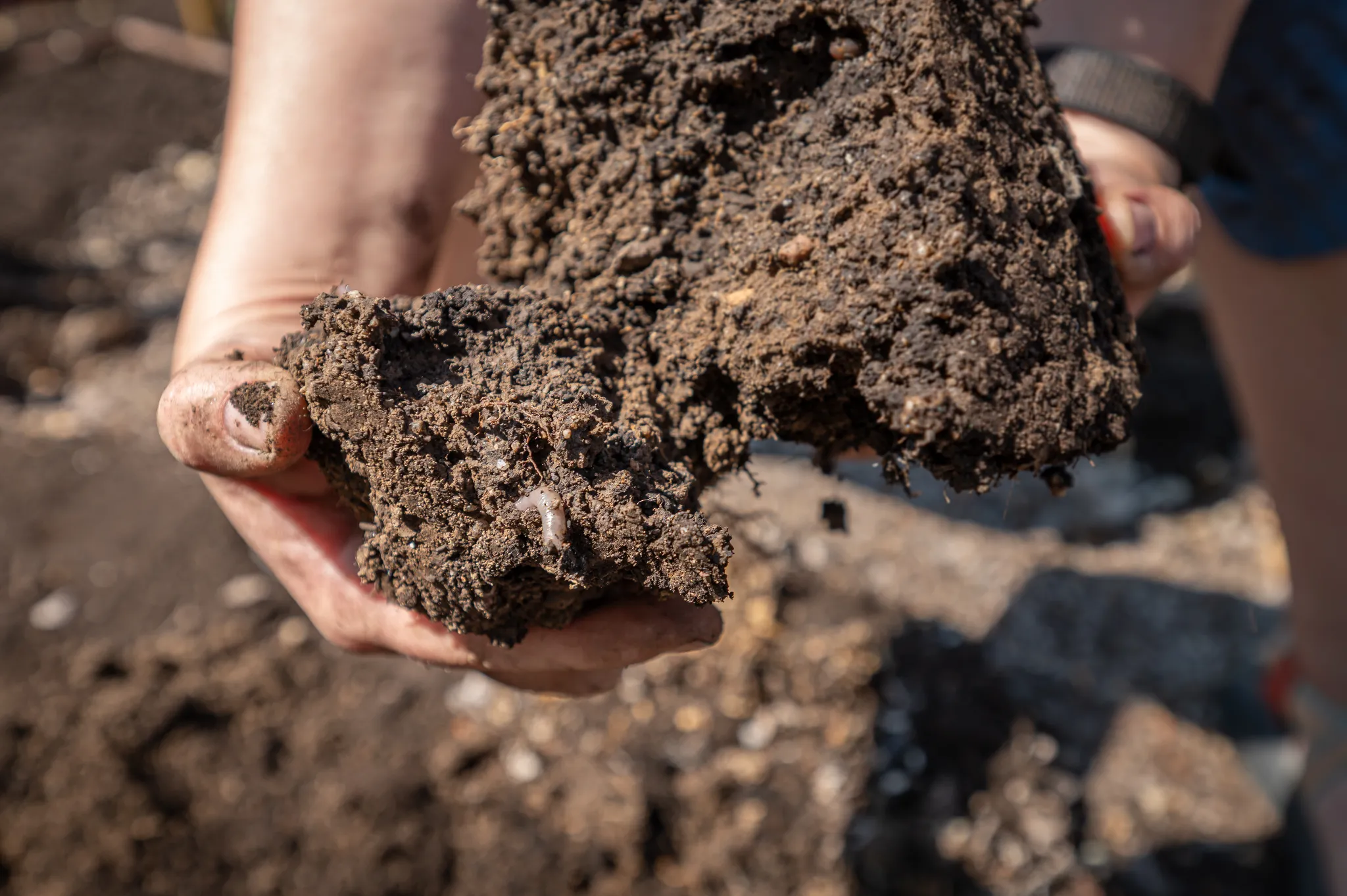
Living soil: the basis of fertility
Photograph of a farmer holding a clump of soil with an earthworm. It conveys well the main idea of the article: soil is a living ecosystem, not merely a substrate for plants.
Healthy soil is not just a substrate for plants. It is a complex, dynamic ecosystem inhabited by billions of living organisms. The more life in the soil, the better plants absorb nutrients, and the less fertilizer and watering are required. Understanding who lives in the soil and how these organisms interact is the key to creating a sustainable and productive garden or vegetable plot (Gliessman, 2014; Lowenfels & Lewis, 2010).
1. Who Lives in the Soil
Soil is one of the richest ecosystems on Earth. A single teaspoon of healthy soil contains more microorganisms than there are people on the planet (Rees-Warren, 2021). Soil life is represented by an incredible diversity of organisms: from microscopic bacteria to large invertebrates and mammals. All of them play a role in maintaining soil fertility and structure.
Bacteria are the most numerous soil inhabitants. A single gram of healthy soil can contain up to a billion bacteria (Pavlis, 2020; Lowenfels & Lewis, 2010). They are so small that 500,000 bacteria can fit into the period at the end of this sentence (Lowenfels & Lewis, 2010). Bacteria are single-celled organisms that decompose organic matter and make nutrients available to plants.
Fungi are the second most important decomposers of organic matter. They form long threads called hyphae, which can extend for meters through the soil. A single gram of soil can contain from 100 to 1000 meters of fungal hyphae (Pavlis, 2020). Fungi are capable of decomposing complex compounds such as lignin and cellulose, which bacteria cannot handle (Lowenfels & Lewis, 2010).
Protozoa are single-celled organisms that feed on bacteria and fungi. They play a key role in nutrient cycling by releasing excess nitrogen in a form available to plants. A single teaspoon of soil can contain from 1,000 to 1 million protozoa (Pavlis, 2020).

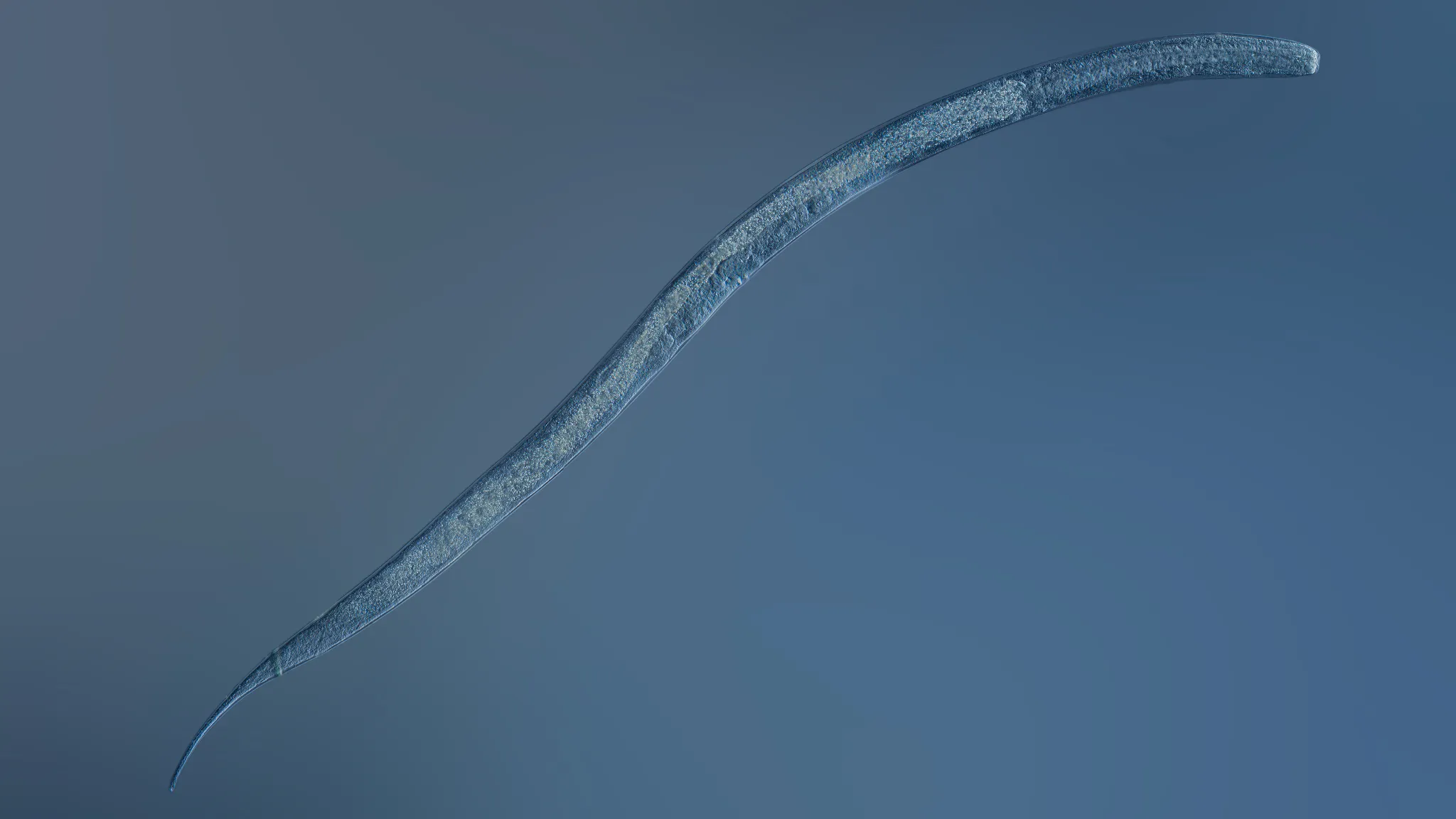
Nematode under a microscope
Micrograph of a roundworm obtained by differential interference contrast. It well conveys the characteristic elongated shape of nematodes.
Nematodes are microscopic roundworms. They come in various types: some feed on bacteria, others on fungi, and still others on other nematodes or plant roots. Nematodes contribute to nutrient mineralization and serve as indicators of soil health (Lowenfels & Lewis, 2010; Ingram et al., 2015).
Earthworms are among the most recognizable soil inhabitants. A single acre of good garden soil can harbor from 2 to 3 million worms (Lowenfels & Lewis, 2010). They pass enormous volumes of soil through their bodies—up to 18 tons per acre per year (Lowenfels & Lewis, 2010). Worms shred organic matter, create channels for air and water, and their excrement (casts) is rich in nutrients and humus (Gershuny, 1999).
Insects and other arthropods—mites, springtails, ants, termites, beetles—also actively participate in soil processes. They shred organic matter, mix the soil, and regulate the populations of other organisms. For example, mites and springtails process up to 30% of fallen leaves in temperate climates (Lowenfels & Lewis, 2010).
Moles and other mammals—although their contribution is less noticeable, they also affect the soil. Moles, mice, and shrews mix the soil, create tunnels, and leave excrement, enriching it with nutrients (Gershuny, 1999).
Key idea: Soil is a living world. Every organism in it performs its function, and together they create the conditions for plant growth. The more diverse the soil life, the more resilient and productive the garden.
Note: In regions with warm and humid climates, soil life is more active, and organic matter decomposes faster. In cold and dry regions, these processes are slowed, which is important to consider when managing soil (Gershuny, 1999; Ingram et al., 2015).
2. The Role of Bacteria

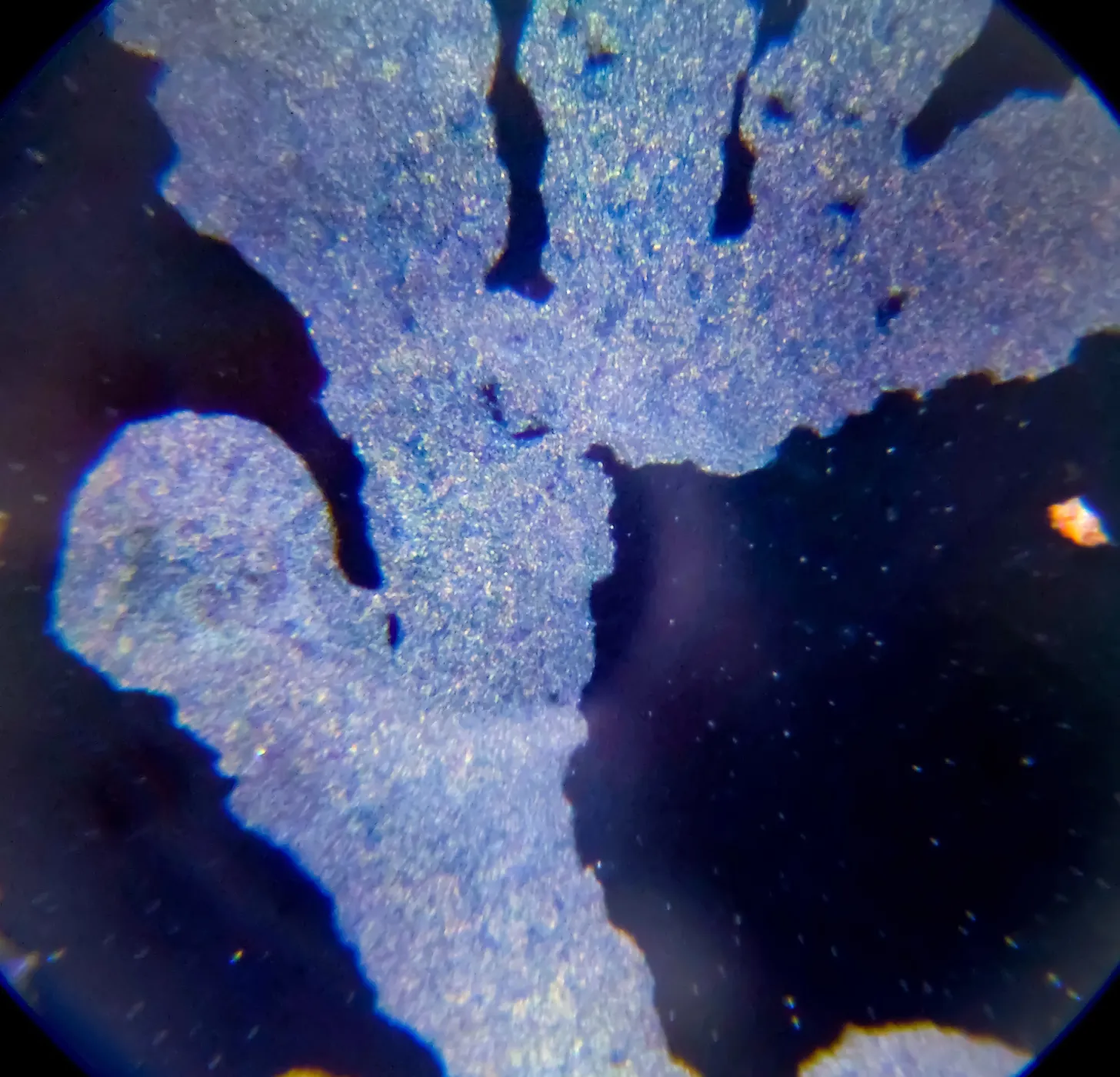
Bacterial cells under a microscope
Micrograph of bacteria of the genus Bacillus. Well suited for visualizing bacterial cells and the microscopic world of soil.
Bacteria are the most numerous group of soil organisms. A single gram of healthy soil can contain up to a billion of them, and a teaspoon can contain more than there are people on Earth (Pavlis, 2020; Lowenfels & Lewis, 2010). Most of the processes that make soil fertile begin with bacteria. Their role can be divided into several key areas.
Decomposition of Organic Matter
Bacteria are among the main decomposers of organic matter in soil. They secrete enzymes that break down complex organic compounds into simpler ones. Bacteria are especially good at handling fresh, "green" plant residues: cut grass, young leaves, kitchen waste, and green manures. These materials are rich in sugars and readily available nitrogen, so bacteria respond to them quickly (Lowenfels & Lewis, 2010).
During decomposition, bacteria absorb carbon and nutrients, temporarily holding them in their cells. This is called immobilization. When bacteria are eaten by protozoa or nematodes, the excess nutrients are released into the soil solution in a form available to plants. This process is called mineralization (Lowenfels & Lewis, 2010; Pavlis, 2020). In essence, bacteria work as living "fertilizer capsules": while they are alive, nutrients are not leached away, and when they are eaten, they gradually release nutrients to the roots.
According to some estimates, up to 80% of the nitrogen required by plants can come from the waste of protozoa that feed on bacteria and fungi (Lowenfels & Lewis, 2010). Therefore, maintaining an active bacterial population is a natural way to supply plants with nutrition without constant fertilizing.
Nitrogen Fixation

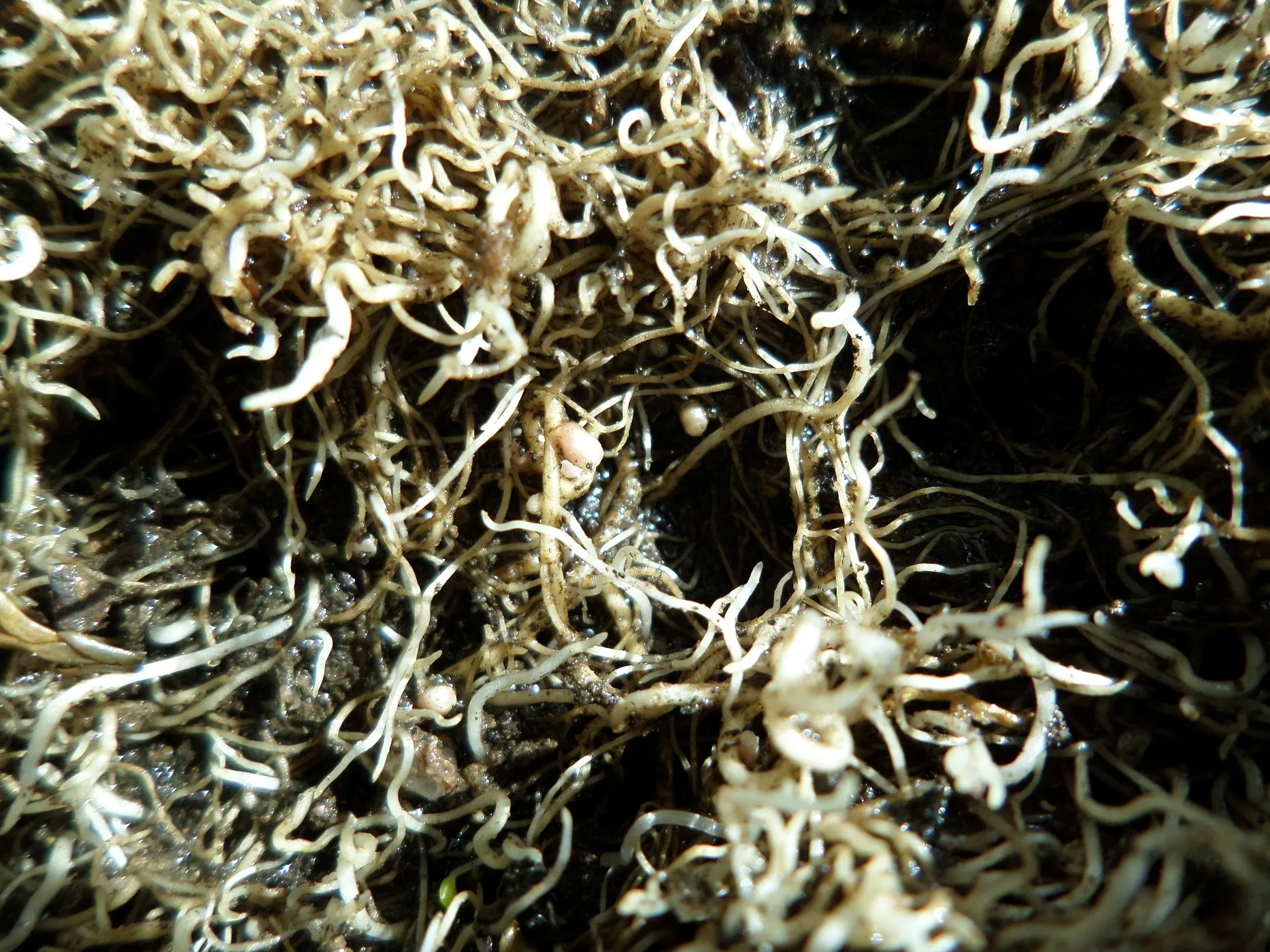
Nodules on white clover (Trifolium repens) roots
Root nodules on the roots of the plant Trifolium repens (white clover). The pink color of the nodules is due to the presence of leghaemoglobin, and inside them are bacteria of the genus Rhizobium.
One of the unique abilities of bacteria is converting atmospheric nitrogen into a form available to plants. Nitrogen makes up about 78% of the air, but most plants cannot use it directly. This work is performed by special nitrogen-fixing bacteria.
They are divided into two main groups:
- Free-living nitrogen fixers—for example, Azotobacter, Azospirillum, Clostridium. They live in the soil independently and are not associated with specific plants. In temperate regions, they can fix approximately 5–20 kg of nitrogen per hectare per year (Ingram et al., 2015).
- Symbiotic nitrogen fixers—primarily Rhizobium and related bacteria, which form nodules on the roots of legumes: peas, beans, clover, alfalfa, vetch, and soybeans. Inside such nodules, anaerobic conditions are created that are necessary for the enzyme nitrogenase to function. Legumes supply the bacteria with sugars, and the bacteria give the plant nitrogen. Depending on the crop and conditions, symbiotic fixation can reach 40–200 kg of nitrogen per hectare per year (Ingram et al., 2015).
In addition to Rhizobium, nitrogen is also fixed by actinomycetes of the genus Frankia, which form symbioses with alder, sea buckthorn, and some other non-leguminous plants (Pavlis, 2020). Actinomycetes are filamentous bacteria similar to fungi. They also decompose cellulose and chitin and give soil its characteristic "earthy" smell (Lowenfels & Lewis, 2010).
Nitrogen Cycling
Bacteria manage not only fixation but also further transformations of nitrogen in the soil. After organisms die and organic matter decomposes, nitrogen is released in the form of ammonium. Then nitrifying bacteria convert ammonium first into nitrite and then into nitrate—a form that plants absorb especially readily (Lowenfels & Lewis, 2010; Ingram et al., 2015).
There is also a reverse process: denitrifying bacteria return nitrogen to the atmosphere as gas. This is a natural part of the cycle, but with excess nitrogen fertilizers and waterlogging, nitrogen losses can increase (Lowenfels & Lewis, 2010).
It is important that nitrifying bacteria work better at pH above 7. In acidic soils, the conversion of ammonium to nitrate is slowed, and nitrogen remains in the ammonium form longer. Different plants prefer different forms of nitrogen, so pH and bacterial activity influence crop nutrition (Lowenfels & Lewis, 2010).
Bacteria and Soil Structure
Bacteria not only feed plants but also improve soil structure. They secrete mucus—a biofilm consisting of sugars, proteins, and DNA. This mucus glues small soil particles into aggregates. As a result, crumb-like structures form, with pores between them that hold air and water (Lowenfels & Lewis, 2010; Pavlis, 2020).
The more bacteria and organic matter in the soil, the better its structure: it becomes loose, moisture-retentive, and air-permeable. This directly affects root growth and plant resistance to drought.
Plant Protection Against Diseases
Most soil bacteria are not pathogens but beneficial organisms. They compete with disease-causing agents for food and space, and some produce antibiotics and other protective compounds. For example, bacteria of the genus Pseudomonas can suppress the dangerous fungal disease of wheat—take-all root rot caused by Gaeumannomyces graminis (Lowenfels & Lewis, 2010).
A healthy and diverse bacterial population is a natural barrier against pathogens. The more beneficial microbes in the rhizosphere—the zone around the roots—the harder it is for pathogenic organisms to establish themselves on the plant (Lowenfels & Lewis, 2010; Chalker-Scott, 2018).
What Supports Bacteria
Bacteria need four main conditions: organic food, moisture, air, and suitable temperature. Practical steps for the gardener:
- Add organic matter: compost, mulch, green manures, plant residues. Fresh green matter especially quickly activates bacteria (Lowenfels & Lewis, 2010).
- Maintain moisture, but avoid anaerobic conditions. Bacteria are active in the thin water film around soil particles, but when waterlogged, beneficial aerobic bacteria suffer (Pavlis, 2020).
- Ensure aeration: avoid compaction, do not dig unnecessarily. Aerobic bacteria predominate in well-structured soil (Pavlis, 2020).
- Sow legumes and, if necessary, inoculate seeds with Rhizobium if the soil lacks the required strains. Inoculation is especially useful in new areas or where legumes have not been grown for a long time (Pavlis, 2020).
- Diversify plantings: different plants release different root exudates, supporting a more diverse bacterial community (Pavlis, 2020).
- Use fertilizers moderately. Important note: synthetic fertilizers are not directly toxic to bacteria—their ions are no different from those released from organic matter (Pavlis, 2020). However, an excess of readily soluble nitrogen reduces the plant's need for symbiotic fixation and can inhibit nodule formation. In addition, excessive fertilizer doses disrupt the balance of the entire soil food web (Pavlis, 2020; Chalker-Scott, 2018).
Regional Aspect
In warm and humid regions, bacteria are active year-round, and organic matter decomposes quickly. In cold and dry zones, processes slow down: bacteria enter a state of rest or hibernation, and organic matter accumulates. In the tropics, organic matter is best applied frequently and in small portions, while in temperate and cold regions—in larger doses, but taking into account slow decomposition (Gershuny, 1999; Ingram et al., 2015).
Key idea: Bacteria are the invisible workforce of the soil. They decompose organic matter, fix nitrogen, improve structure, and protect plants. The better the conditions for bacteria, the less external fertilizer is required and the more resilient the garden or vegetable plot.


LCD 4-in-1 Soil Tester
Check essential growing conditions with one compact tool. Measure soil pH, moisture, temperature and light intensity — ideal for gardens, potted plants and greenhouses.
- 4-in-1 measurement
- Easy-to-read LCD display
- Portable design
Affiliate link · For indicative measurements only.
3. The Role of Fungi

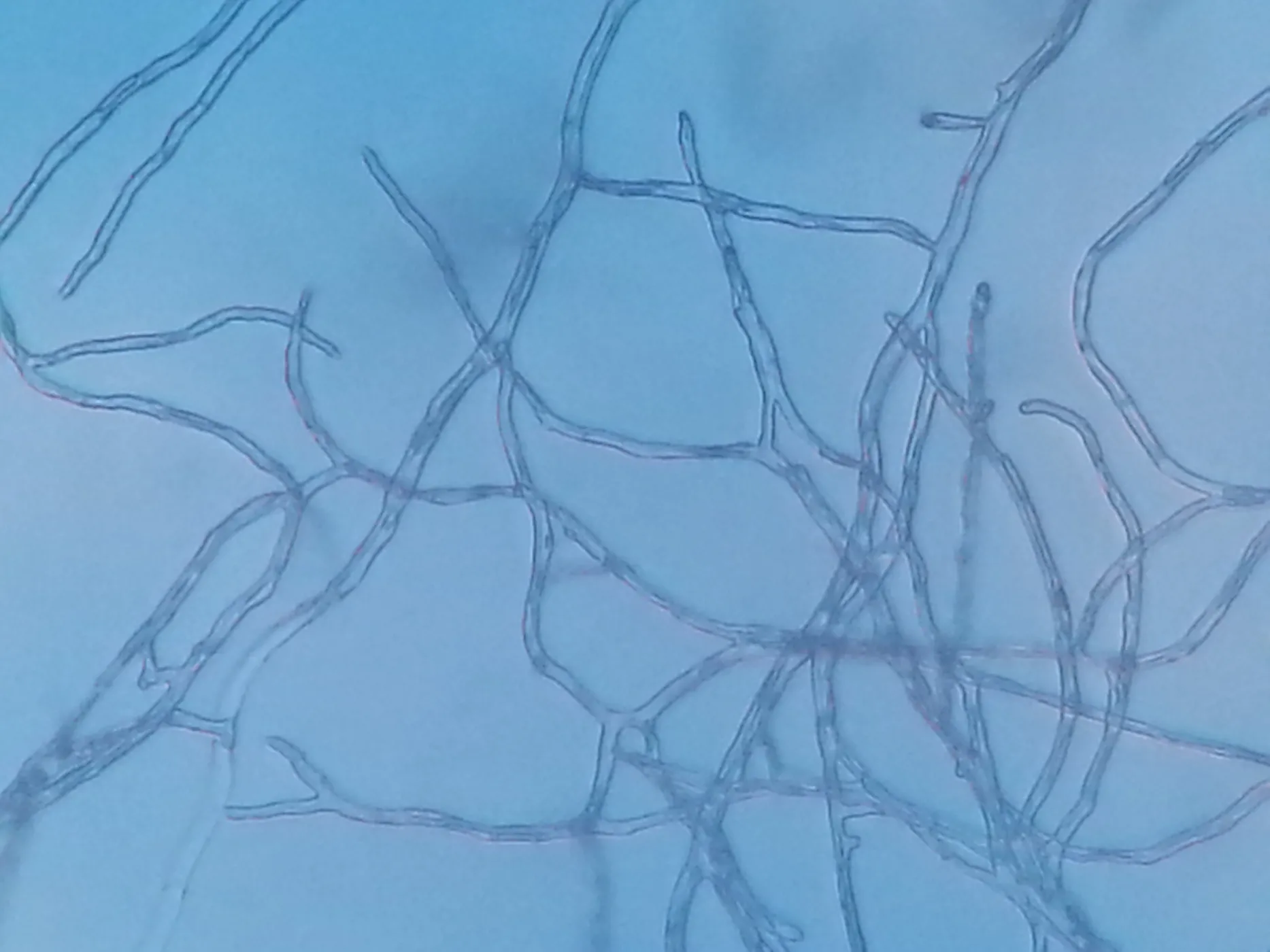
Fungal hyphae and mycelium
The image demonstrates the thread-like structures of fungi, hyphae, which intertwine and form mycelium. It especially well illustrates the description of the fungal network in soil.
Fungi are not plants but a separate kingdom of living organisms. They do not photosynthesize and do not produce their own food; instead, they obtain energy by decomposing ready-made organic matter. In soil, fungi exist as thin threads—hyphae—that form a branched network called mycelium. A single gram of healthy soil can contain from 100 to 1000 meters of fungal hyphae (Pavlis, 2020). Fungi perform two key functions in soil: decomposition of complex organic matter and symbiosis with plants (mycorrhiza).
Decomposition of Organic Matter
Fungi are the main decomposers of complex compounds in soil. While bacteria are better at handling fresh, easily degradable organic matter, fungi take on what bacteria "cannot chew": lignin, cellulose, chitin, waxes, and resins (Lowenfels & Lewis, 2010). Lignin is a tough substance that gives strength to wood and bark. Cellulose makes up about half the mass of plant residues. These compounds have long, strong molecular chains that most bacteria cannot break down.
Fungi secrete powerful enzymes, such as peroxidase and cellulase, which break these complex molecules down into simple sugars and amino acids. Fungal hyphae can penetrate solid substrates—leaves, branches, wood—opening them up for further decomposition by bacteria (Lowenfels & Lewis, 2010). Without fungi, organic matter would accumulate much more slowly, and forest litter and compost would not turn into humus.
Fungi can also be predators. About 150 species of fungi are capable of catching nematodes using sticky droplets or constricting rings. For example, the oyster mushroom (Pleurotus ostreatus) releases toxins that paralyze nematodes and then grows into them and digests them (Lowenfels & Lewis, 2010). This is another way of regulating soil organism populations and returning nutrients to the cycle.
Mycorrhiza: Symbiosis of Fungi and Plants

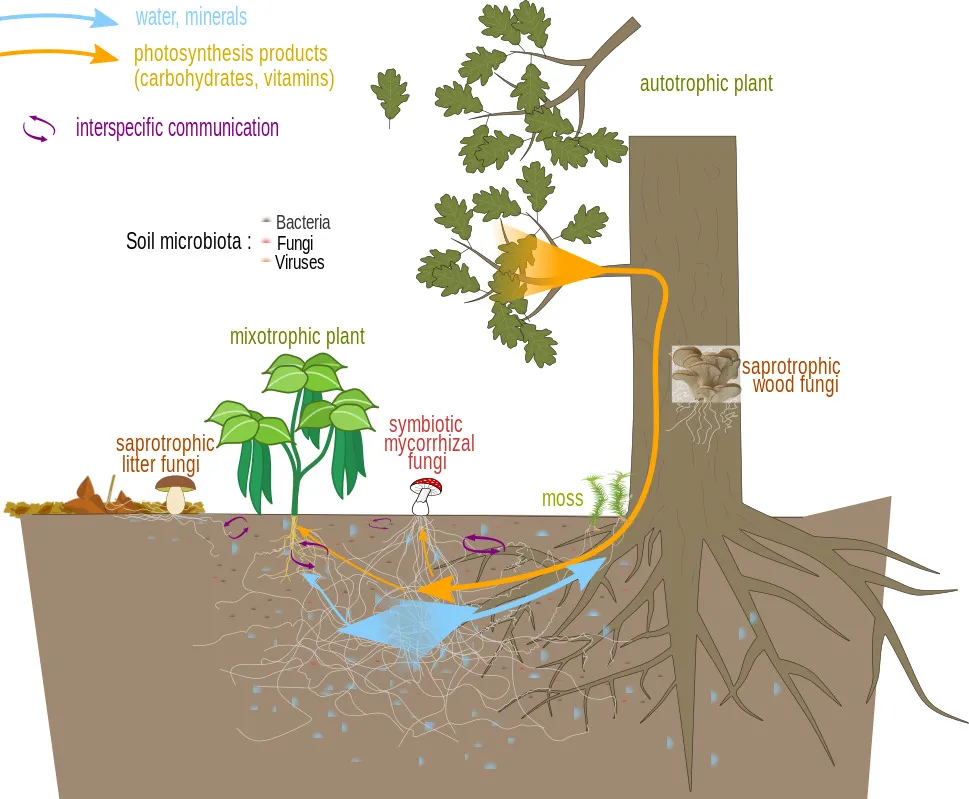
Mycorrhizal network: exchange of substances between plants and fungi
Schematic representation of a mycorrhizal network and the interconnection of fungal mycelium with plant roots. The illustration shows the exchange of water and mineral substances from the fungus and photosynthesis products from the plant.
The most well-known and important role of fungi in soil is the formation of mycorrhiza (from the Greek mykes—fungus and rhiza—root). Mycorrhiza is a mutually beneficial association between a fungus and a plant root. According to estimates, 90 to 95% of all land plants form mycorrhiza (Lowenfels & Lewis, 2010; Chalker-Scott, 2018). The plant supplies the fungus with sugars and vitamins that the fungus cannot produce itself, and the fungus in return supplies the plant with water and mineral nutrients, primarily phosphorus, as well as nitrogen, copper, zinc, magnesium, and other elements (Pavlis, 2020; Chalker-Scott, 2018).
There are two main types of mycorrhiza:
- Ectomycorrhiza—fungal hyphae envelop the root from the outside, forming a dense sheath, and only slightly penetrate the tissues. This type is characteristic of many trees and shrubs: oak, beech, pine, spruce, birch, willow (Lowenfels & Lewis, 2010; Chalker-Scott, 2018).
- Endomycorrhiza—hyphae penetrate into root cells. The most common subtype is arbuscular mycorrhiza (AM), which occurs in most herbaceous plants, including vegetable crops, flowers, grasses, and many perennials (Pavlis, 2020; Chalker-Scott, 2018). In AM, the fungus forms tree-like structures—arbuscules—inside root cells, through which nutrient exchange takes place.
Fungal hyphae extend far beyond the root system, increasing the absorption area by 700–1000 times (Lowenfels & Lewis, 2010). They penetrate the smallest soil pores that roots cannot reach and extract water and nutrients from there. The role of mycorrhiza in supplying plants with phosphorus is especially important: this element is immobile in soil and often in an unavailable form. Fungi release organic acids that dissolve phosphorus compounds and convert them into an available form (Pavlis, 2020; Chalker-Scott, 2018).
Mycorrhiza also increases plant resistance to stresses: drought, salinity, and pathogens. A dense network of hyphae creates a physical barrier around the root, and some fungi release antibiotics that suppress pathogenic microorganisms (Lowenfels & Lewis, 2010). In addition, mycorrhizal networks connect the roots of different plants, allowing them to exchange nutrients and even danger signals (Pavlis, 2020; Chalker-Scott, 2018).
Important note: not all plants form mycorrhiza. The families Brassicaceae (cabbage, radish, mustard, rapeseed) and Amaranthaceae (beet, spinach, orache) do not enter into symbiosis with mycorrhizal fungi (Pavlis, 2020; Chalker-Scott, 2018). This is important to consider in crop rotation and when choosing green manures.
Fungi and Soil Structure
Fungal hyphae not only obtain nutrients but also improve soil structure. They entwine soil particles, gluing them into aggregates—crumbs with pores between them that hold air and water. Mycelium acts as a reinforcing mesh, increasing soil resistance to erosion and compaction (Lowenfels & Lewis, 2010; Pavlis, 2020). In forest soils where fungi dominate, the structure is usually looser and more porous than in soils where bacteria predominate.
Fungi and Soil pH
Fungi release acids that acidify the rhizosphere—the narrow zone around the roots. This helps dissolve minerals and make them available to plants. In addition, in fungal soils, nitrogen more often remains in the ammonium form rather than nitrate, because acids suppress the activity of nitrifying bacteria (Lowenfels & Lewis, 2010). Some plants, especially perennials and forest species, prefer the ammonium form of nitrogen. Therefore, the ratio of fungi to bacteria in the soil influences which forms of nitrogen will predominate.
Pathogenic Fungi
Not all fungi are beneficial. There are pathogenic species that cause root rots, wilts, molds, and other diseases. However, in healthy soil, their numbers are kept in check by competition with beneficial microbes and predators. The more diverse the soil life, the harder it is for pathogens to establish themselves on plants (Lowenfels & Lewis, 2010; Pavlis, 2020).
How to Support Fungi in the Soil
Fungi, like bacteria, need organic matter, moisture, and air, but there are also specific considerations. Here are practical steps for the gardener:
- Use "brown" materials for mulch. Leaf litter, wood chips, bark, straw, and shredded branches are all rich in lignin and cellulose and support fungi. Fresh green grass, on the other hand, stimulates bacteria (Lowenfels & Lewis, 2010; Pavlis, 2020).
- Minimize soil disturbance. Digging and rototilling destroy fungal hyphae. No-dig is the best way to preserve mycelium (Pavlis, 2020; Chalker-Scott, 2018).
- Maintain plant diversity. Perennials, trees, and shrubs, especially those with ectomycorrhiza, promote the development of the fungal community. Different plants release different root exudates and attract different fungal species (Pavlis, 2020).
- Add fungi-rich compost. Compost from leaves, wood chips, and bark contains more fungi than compost from grass and kitchen waste. Fungal compost is especially useful for trees, shrubs, and perennials (Lowenfels & Lewis, 2010).
- Avoid fungicides. They kill not only pathogenic but also beneficial fungi, destroying mycorrhiza (Chalker-Scott, 2018).
- Do not overdo phosphorus fertilizers. High doses of phosphorus suppress mycorrhiza formation, as the plant no longer needs the fungus's help (Pavlis, 2020; Chalker-Scott, 2018).
- Maintain moisture but avoid waterlogging. Fungi need moisture, but stagnant water and anaerobic conditions suppress them. Good soil aeration is important for fungi as well.
Regional Aspect
In nature, the ratio of fungi to bacteria depends on vegetation type and climate. In forest soils of the temperate zone, fungi usually dominate: their biomass can exceed bacterial biomass by 10 times or more. In herbaceous ecosystems (meadows, steppes, vegetable beds), bacteria predominate (Lowenfels & Lewis, 2010). In tropical forests, fungi actively decompose organic matter, but high temperature and humidity accelerate all processes. In arid regions, mycorrhiza is especially important because it helps plants obtain water from deep soil layers (Gershuny, 1999; Ingram et al., 2015).
Key idea: Fungi are the invisible partners of plants. They decompose complex organic matter, form mycorrhiza, and improve soil structure. The more fungi in the soil, the less fertilizer and watering are needed, and the more resistant plants become to diseases and stresses.
4. The Role of Worms

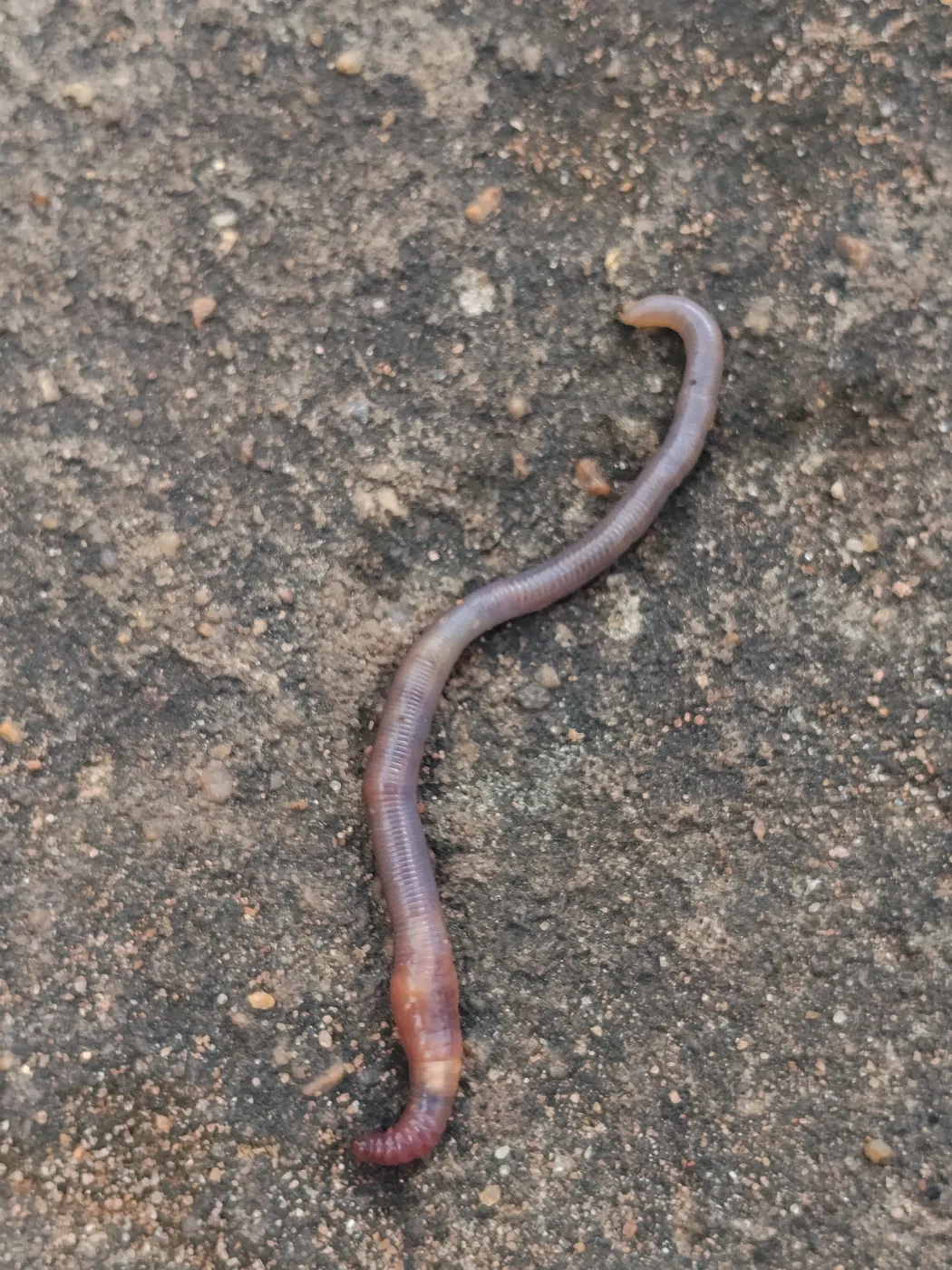
Earthworms — important organisms of the soil ecosystem
An earthworm moving along the soil surface. Earthworms participate in the processing of organic residues, the formation of soil structure, the mixing of soil horizons, and the maintenance of nutrient cycling.
Earthworms are among the most recognizable soil inhabitants and perhaps the most important "engineers" of the soil ecosystem. A single acre of good garden soil can harbor from 2 to 3 million worms—from 10 to 50 per square foot (Lowenfels & Lewis, 2010). They pass enormous volumes of soil through their bodies: up to 18 tons per acre per year (Lowenfels & Lewis, 2010). Charles Darwin, who devoted years of research to worms, called them the "intestines of the soil" and claimed that every particle of soil had passed through the body of a worm at least once (Gershuny, 1999; Lowenfels & Lewis, 2010).
Processing Organic Matter and Creating Humus
Worms are the "shredders" of the soil world. They feed on bacteria, fungi, protozoa, nematodes, and the organic matter on which these microorganisms live. Worms have no teeth, but they have a muscular pharynx and crop, as well as a muscular gizzard filled with sand grains and small stones. These "stones" work like millstones, grinding the food (Lowenfels & Lewis, 2010).
When a worm passes soil and organic matter through its intestine, it mixes it with secretions rich in calcium and other minerals. Bacteria in the worm's gut actively decompose organic matter, and nutrients are absorbed. What is not digested comes out as casts—worm excrement. These casts (vermicasts) contain 50% more organic matter than the surrounding soil. They are 7 times richer in phosphorus, 10 times in potassium, 5 times in nitrogen, 3 times in magnesium, and 1.5 times in calcium compared to unprocessed soil (Lowenfels & Lewis, 2010). Nutrients in casts are bound to organic matter and are released slowly, providing plants with nutrition over a long period.
Worms can deposit from 10 to 15 tons of casts per acre per year on the soil surface (Lowenfels & Lewis, 2010). This is a huge contribution to fertility: in essence, worms continuously create humus and return nutrients in an available form.
Improving Soil Structure and Aeration
Worms are tireless diggers. They create channels in the soil that improve its structure and create pathways for air and water. Some species dig vertical burrows up to 2–3 meters deep, while others move horizontally in the upper layers. As a result, the soil becomes more porous, water penetrates deeper, and plant roots grow more easily (Lowenfels & Lewis, 2010; Pavlis, 2020).
Worm channels also serve as drainage channels: excess water drains faster, and during dry periods, water rises through these same channels from deeper layers. In addition, the mucus with which worms coat the walls of their burrows glues soil particles together, strengthening structure and preventing erosion (Gershuny, 1999).
Important note: in forest ecosystems of North America, earthworms are often an invasive species. They accelerate the decomposition of forest litter, which can harm trees and fungi that depend on slow accumulation of organic matter (Pavlis, 2020; Lowenfels & Lewis, 2010). However, in gardens and vegetable plots, their benefits are undeniable.
Mixing and Enriching the Soil
Worms constantly move soil: they swallow it along with organic matter in one place and excrete it in another. They bring nutrients from deep layers to the surface and drag fallen leaves and plant residues underground, where they decompose. This vertical and horizontal mixing creates a uniform, fertile soil layer (Lowenfels & Lewis, 2010; Ingram et al., 2015).
Role in the Soil Food Web
Worms are not only processors but also "taxis" for microorganisms. Bacteria and fungi stick to their bodies or are carried in their intestines, spreading through the soil. In addition, worm casts contain live bacteria and fungi that continue to decompose organic matter after excretion (Lowenfels & Lewis, 2010). Worms also regulate the numbers of nematodes and protozoa by eating them along with organic matter.
How to Support Worms in the Soil
Worms need organic food, moisture, air, and neutral acidity. Practical steps for the gardener:
- Leave organic matter on the surface. Leaf litter, cut grass, compost, and mulch are all food for worms. They will pull it into the soil themselves (Lowenfels & Lewis, 2010; Gershuny, 1999).
- Minimize soil disturbance. Digging destroys worm burrows, cuts their bodies, and destroys their habitat. No-dig is the best approach for maintaining worm populations (Lowenfels & Lewis, 2010; Pavlis, 2020).
- Maintain moisture. Worms breathe through their skin, which must be moist. Dry soil is fatal to them. Mulch helps retain moisture (Gershuny, 1999).
- Maintain pH near neutral. Most worms prefer pH 6–7. In acidic soils, their numbers decline (Pavlis, 2020; Ingram et al., 2015).
- Avoid synthetic fertilizers and pesticides. Salts and chemicals irritate worms and cause them to leave the area. Organic fertilizers and compost, on the contrary, attract them (Lowenfels & Lewis, 2010).
- Prevent compaction. Compacted soil deprives worms of oxygen and space to move (Pavlis, 2020).
Regional Aspect
In warm and humid regions, worms are active year-round, and their numbers can be very high. In cold zones, they hibernate for the winter, and in arid regions—during drought. In the tropics, worms quickly process organic matter, but it also decomposes quickly without their participation. In temperate zones, worms are especially important for mixing soil and creating humus (Gershuny, 1999; Ingram et al., 2015).
Key idea: Earthworms are a living "plow" and "composter" at the same time. They create soil structure, enrich it with humus, improve aeration and drainage, and also spread beneficial microorganisms. The more worms in the soil, the less fertilizer and watering are needed.

Solar Automatic Drip Irrigation Kit for Gardens
Automate watering for pots, gardens and small greenhouses. This solar-powered system features a timer to help schedule water delivery to your plants.
- Solar-powered
- 15 m irrigation hose
- Programmable watering
Affiliate link · Check included accessories.
5. The Role of Insects
Insects and other arthropods—mites, springtails, ants, termites, beetles, millipedes, woodlice—make up a huge part of the soil fauna. In terms of number of species and individuals, arthropods surpass all other animals on Earth: they account for about three-quarters of all known organisms (Lowenfels & Lewis, 2010). In soil, they perform several key functions: they shred organic matter, mix and aerate the soil, regulate microorganism populations, and serve as food for larger animals.
Shredding Organic Matter

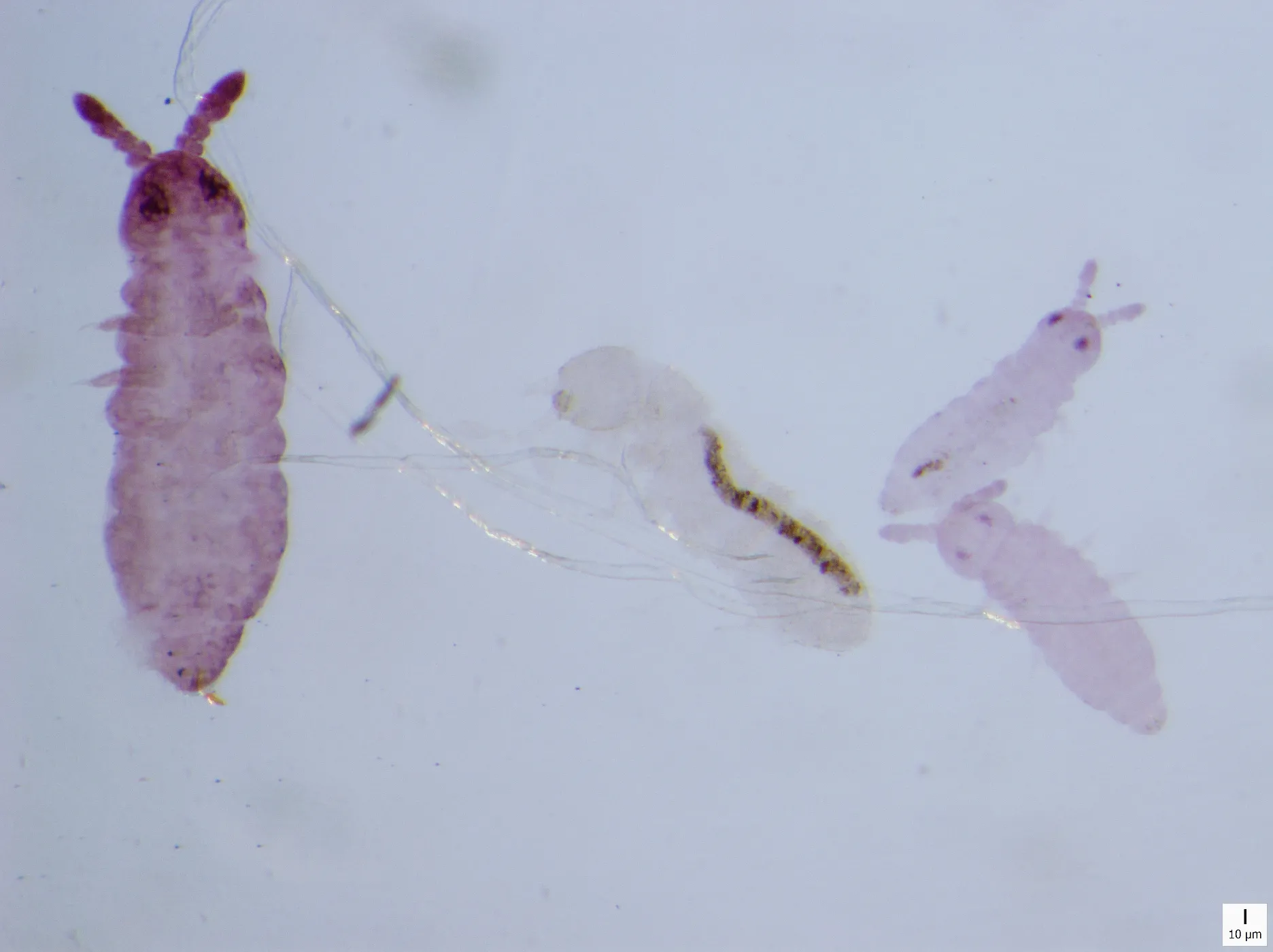
Springtails: small soil inhabitants
Micrograph of collembolans, or springtails. This is one of the important groups of soil arthropods involved in processing organic remains and regulating microorganism populations.
Most soil arthropods are "shredders." They feed on fallen leaves, branches, wood, plant residues, and fungi. By breaking large pieces of organic matter into small fragments, they increase the surface area available to bacteria and fungi. Without this preliminary processing, decomposition would proceed much more slowly (Lowenfels & Lewis, 2010; Gershuny, 1999).
Especially important in this process are:
- Mites (Acari). Oribatid mites are among the most numerous soil arthropods: up to several hundred thousand per square yard. They feed on fungi, algae, decaying plant residues, and nematodes. Gamasid mites are predators that eat springtails, insect larvae, nematodes, and other mites (Lowenfels & Lewis, 2010).
- Springtails (Collembola). These small creatures (0.2–2 mm) live in the upper soil layers and feed on bacteria, fungi, decaying organic matter, and nematodes. Up to 100 springtails can live in a single square inch. Together with mites, they process up to 30% of fallen leaves and woody residues in temperate climates (Lowenfels & Lewis, 2010).
- Millipedes (Diplopoda) and woodlice (Malacostraca). These larger invertebrates also shred leaf litter and wood, passing them through their intestines and leaving excrement rich in nutrients (Gershuny, 1999).
- Ants and termites. Ants collect and drag organic residues into their nests, while termites feed primarily on cellulose—wood and plant fibers. They are helped in digesting cellulose by symbiotic protozoa and bacteria in their intestines. Termites and ants mix the soil by building tunnels and nests (Lowenfels & Lewis, 2010).
- Beetle larvae and other insect larvae. Larvae of click beetles, cockchafers, antlions, and many other insects live in the soil and actively feed on plant residues, roots, or other organisms. Some species shred organic matter, others are predators (Pavlis, 2020).
Mixing and Aerating the Soil
Arthropods, especially ants and termites, are tireless diggers. They build tunnels, chambers, and nests, moving enormous volumes of soil. For example, ants can mix up to 6 tons of soil per acre per year (Lowenfels & Lewis, 2010). In tropical regions, the contribution of ants and termites to soil mixing is comparable to or even greater than that of earthworms.
Tunnels and chambers improve aeration and drainage: air and water penetrate through them, and plant roots grow more easily. Material brought to the surface during nest construction enriches the topsoil with mineral particles from the depths (Lowenfels & Lewis, 2010; Ingram et al., 2015).
Regulating Populations of Other Organisms
Many soil arthropods are predators. Gamasid mites, spiders, ground beetles, ants, and centipedes eat other invertebrates: springtails, mites, nematodes, and insect larvae. Thus, they keep the populations of potential pests in check and maintain balance in the soil food web (Lowenfels & Lewis, 2010; Pavlis, 2020).
For example, the predatory beetle Thanasimus formicarius feeds on bark beetles—dangerous pests of coniferous trees. Gamasid mites regulate the numbers of springtails and nematodes. Ants often destroy the larvae of other insects that could damage plant roots (Lowenfels & Lewis, 2010).
Role in the Food Web
Soil arthropods are an important link between microorganisms and larger animals. By eating bacteria, fungi, protozoa, and nematodes, they accumulate energy and nutrients in their bodies. In turn, they become prey for birds, amphibians, reptiles, and mammals (moles, shrews, hedgehogs). Thus, arthropods transfer energy from the micro level to the macro level, supporting life in and around the garden (Lowenfels & Lewis, 2010; Gershuny, 1999).
How to Support Beneficial Insects and Arthropods
Practical steps for the gardener:
- Leave organic matter on the surface. Leaf litter, mulch from wood chips, straw, and cut grass are home and food for mites, springtails, millipedes, and insect larvae. Do not remove all plant residues: they are the foundation of soil life (Lowenfels & Lewis, 2010; Gershuny, 1999).
- Create shelters. Stones, logs, boards, and brush piles serve as refuges for many invertebrates. A diversity of habitats increases the diversity of soil fauna (Pavlis, 2020).
- Minimize soil disturbance. Digging and rototilling destroy tunnels, nests, and kill many small animals. No-dig preserves the habitat of arthropods (Pavlis, 2020; Lowenfels & Lewis, 2010).
- Avoid pesticides. Insecticides and fungicides kill not only pests but also beneficial insects, mites, and springtails. This disrupts the entire food web (Chalker-Scott, 2018; Gershuny, 1999).
- Maintain moisture and mulch. Many small arthropods need a moist environment. Mulch helps retain moisture and stabilize temperature (Lowenfels & Lewis, 2010).
Regional Aspect
In tropical regions, termites and ants play a dominant role in decomposing organic matter and mixing soil. In temperate zones, the main "shredders" are mites, springtails, millipedes, and beetle larvae. In arid regions, ants and termites are also active, and their activity helps accumulate organic matter in the soil (Gershuny, 1999; Ingram et al., 2015).
Key idea: Insects and other arthropods are the invisible helpers of the gardener. They shred organic matter, mix the soil, regulate microorganism populations, and serve as food for many animals. The more diverse and numerous this group, the healthier the soil and the more resilient the garden.
6. The Soil Food Web

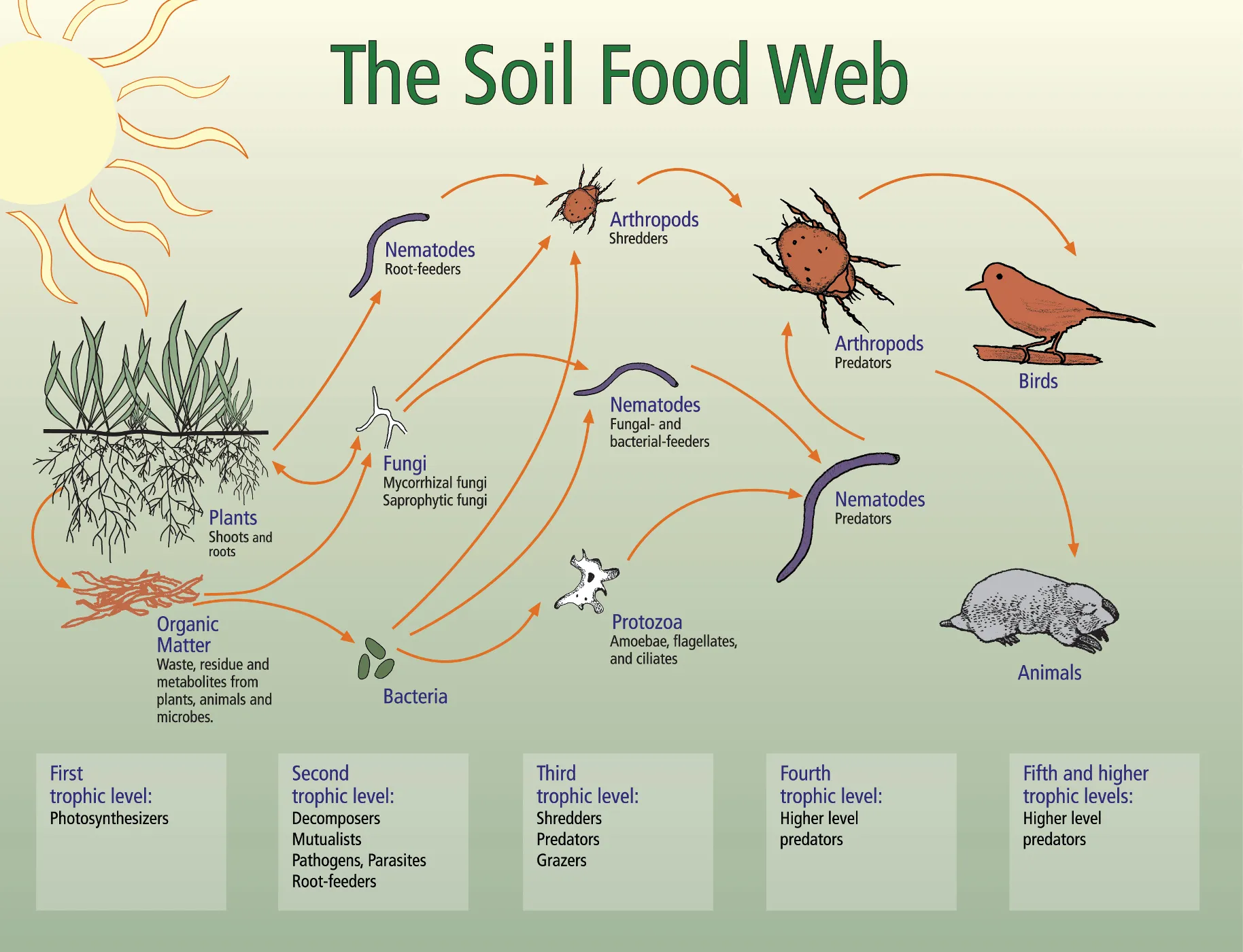
Soil food web
Diagram of relationships between soil organisms: bacteria, fungi, worms, insects, and other participants in the soil ecosystem. It shows that humus formation is linked to the activity of an entire community of organisms.
The soil food web is a system of interconnections among all soil inhabitants, from microscopic bacteria to large invertebrates and mammals. Unlike a simple food chain, where each organism eats only one other, the soil food web is a multitude of intertwined chains: most organisms feed on several species, and their prey, in turn, serve as food for many others. It is this complexity and diversity that make soil resilient and productive (Lowenfels & Lewis, 2010; Gershuny, 1999).
Main Levels of the Food Web
At the base of the soil food web are producers—plants. Through root exudates consisting of sugars, amino acids, and organic acids, plants attract and feed specific groups of microorganisms. Thus, plants do not simply passively absorb nutrients but actively manage the community around their roots (Lowenfels & Lewis, 2010; Pavlis, 2020).
Next come the primary consumers—bacteria and fungi. They decompose organic matter and hold nutrients in their cells. This process is called immobilization. Bacteria prefer fresh, easily degradable organic matter, while fungi prefer complex compounds such as lignin and cellulose (Lowenfels & Lewis, 2010).
Secondary consumers—protozoa (amoebae, ciliates, flagellates) and nematodes. They feed on bacteria and fungi, digest them, and release excess nutrients, primarily nitrogen, in the form of ammonium. This process is called mineralization. According to estimates, up to 80% of the nitrogen required by plants comes from the waste of protozoa and nematodes (Lowenfels & Lewis, 2010). Mineralization occurs directly in the rhizosphere—the zone around the roots where plants can immediately absorb nutrients.
Tertiary consumers—predatory mites, springtails, predatory nematodes, millipedes, spiders. They regulate the numbers of secondary consumers, preventing them from overpopulating and destroying all bacteria and fungi. For example, gamasid mites eat springtails and nematodes, and predatory nematodes eat other nematodes and protozoa (Lowenfels & Lewis, 2010).
Macrofauna—earthworms, insects, their larvae, woodlice, mollusks, as well as moles and other small mammals. They shred organic matter, mix the soil, create tunnels and burrows, and spread microorganisms. Their excrement enriches the soil with humus and nutrients (Gershuny, 1999; Lowenfels & Lewis, 2010).
Nutrient Cycling
The key process in the soil food web is nutrient cycling. When bacteria and fungi absorb organic matter, they temporarily hold nitrogen, phosphorus, sulfur, and other elements in their bodies. When these microbes are eaten by protozoa, nematodes, or arthropods, the excess nutrients are released into the soil solution in a form available to plants. Plants then absorb these nutrients, and after they die, the organic matter returns to the soil, and the cycle repeats (Lowenfels & Lewis, 2010; Ingram et al., 2015).
Importantly, nutrients are not leached from the soil while they are in the bodies of living organisms. Unlike soluble fertilizers, which are easily washed away by rain into groundwater, nutrients in the soil food web are held in place and released gradually as microbes are eaten. This makes the soil a natural "bank" of nutrition (Lowenfels & Lewis, 2010; Pavlis, 2020).
Plants Manage the Food Web
Plants are not passive participants in the food web. Through root exudates, they attract exactly the groups of bacteria and fungi they need. For example, when phosphorus is deficient, plants release more organic acids that dissolve phosphorus compounds. When iron is deficient, they release chelating substances that help obtain this element. In addition, plants can regulate the pH of the rhizosphere to create favorable conditions for the right microbes (Pavlis, 2020; Lowenfels & Lewis, 2010).
Some plants enter into symbiosis with nitrogen-fixing bacteria (legumes) or with mycorrhizal fungi (most crops). These partners receive sugars and vitamins from the plant and in return supply it with nitrogen, phosphorus, water, and protection from pathogens. Thus, plants form a "team" of beneficial microorganisms around themselves (Chalker-Scott, 2018; Lowenfels & Lewis, 2010).
Why Diversity Matters
The more species in the soil food web, the more resilient it is. A diverse community of microorganisms and invertebrates:
- decomposes organic matter and processes nutrients more efficiently;
- suppresses pathogen growth through competition and predation;
- better withstands stresses—drought, waterlogging, pollution;
- creates a more stable soil structure.
In contrast, monoculture and intensive soil cultivation reduce diversity. Under such conditions, the food web becomes simplified, pathogens gain an advantage, and plants become more vulnerable (Pavlis, 2020; Gershuny, 1999).
How to Support the Soil Food Web
Practical steps for the gardener and vegetable grower:
- Add organic matter. Compost, mulch, green manures, and plant residues are the foundation of nutrition for the entire food web. Different types of organic matter support different groups of organisms: fresh green matter—bacteria, dry leaves and wood chips—fungi (Lowenfels & Lewis, 2010).
- Minimize soil disturbance. Digging and rototilling destroy fungal hyphae, worm burrows, and insect nests. No-dig preserves the structure of the food web (Pavlis, 2020; Chalker-Scott, 2018).
- Keep a living root in the soil. Plants continuously release exudates, supporting microorganisms. Green manures and mulch from living plants help maintain this flow (Pavlis, 2020).
- Diversify plantings. Different plants attract different groups of microbes. Mixed plantings, crop rotation, perennials, and annuals together create a more diverse food web (Pavlis, 2020; Gershuny, 1999).
- Avoid pesticides and excess fertilizers. Chemicals kill not only pests but also beneficial soil inhabitants. An excess of readily soluble fertilizers disrupts balance and suppresses symbiotic relationships (Chalker-Scott, 2018; Gershuny, 1999).
- Mulch. Mulch retains moisture, stabilizes temperature, and serves as a home for many soil organisms. Organic mulch is gradually incorporated into the food web (Lowenfels & Lewis, 2010).
Regional Aspect
The speed of the food web depends on climate. In warm and humid tropics, decomposition and nutrient cycling proceed very quickly, so organic matter must be applied frequently and in small portions. In temperate zones, processes are slower, especially in winter, and organic matter accumulates. In arid regions, the food web is active only when moisture is present, so mulch and water conservation are especially important. In cold zones, microbial activity almost stops in winter but resumes in spring (Gershuny, 1999; Ingram et al., 2015).
Key idea: The soil food web is a living system where every organism is connected to others. Plants manage it through root exudates, and micro- and macroorganisms process organic matter and return nutrients in an available form. The more diverse and active this web, the less fertilizer and watering are needed, and the more resilient the garden and vegetable plot.

7-in-1 Wi-Fi Weather Station
Monitor local weather conditions with a wireless outdoor sensor. Track temperature, humidity, rainfall, wind speed and direction, and atmospheric pressure. Ideal for gardens, farms and greenhouses.
- Wireless outdoor sensor
- Solar-powered
- Wi-Fi connectivity
Affiliate link · Check regional compatibility.
7. What Kills Soil Life
Soil life is amazingly diverse but also fragile. Many common gardening and vegetable-growing practices cause it serious harm. Understanding what exactly suppresses soil inhabitants helps avoid mistakes and preserve fertility. Let us consider four main factors: chemicals, digging, monoculture, and compaction.
Chemicals
Pesticides, herbicides, and fungicides are among the most destructive for soil life. They are designed to destroy specific organisms but often act non-selectively. Fungicides kill not only pathogenic but also beneficial fungi, including mycorrhizal fungi, which most plants need for normal nutrition (Chalker-Scott, 2018; Lowenfels & Lewis, 2010). Insecticides destroy organic-matter-decomposing insects, and herbicides can affect the microbial community and plant root exudates (Gershuny, 1999).
Synthetic fertilizers do not kill microbes directly—their ions are chemically identical to those released from organic matter (Pavlis, 2020). However, an excess of readily soluble fertilizers, especially phosphorus, suppresses mycorrhiza formation: the plant no longer needs the fungus's help, and the fungi leave the rhizosphere (Pavlis, 2020; Chalker-Scott, 2018). In addition, high doses of salts irritate earthworms and cause them to leave the area (Lowenfels & Lewis, 2010). Constant use of fertilizers disrupts the natural nutrient cycle and reduces the diversity of the soil food web.
Important note: avoiding pesticides and using fertilizers reasonably and moderately is the key to preserving soil life. Organic materials (compost, mulch, green manures) provide plants with nutrition without destructive consequences.
Digging and Intensive Soil Cultivation
Digging, rototilling, and other types of intensive cultivation destroy soil structure. Fungal hyphae—the thin threads of mycelium—are torn, and they are the ones that form mycorrhiza and glue soil particles into aggregates (Lowenfels & Lewis, 2010; Pavlis, 2020). Earthworm burrows and insect nests are destroyed. Beneficial microorganisms brought to the surface die from ultraviolet light and drying out.
In addition, digging accelerates the decomposition of organic matter. With access to oxygen, microbes quickly process humus, releasing carbon dioxide into the atmosphere. As a result, the soil loses carbon and becomes poorer (Pavlis, 2020; Ingram et al., 2015). Frequent cultivation at the same depth creates a compacted layer—a "plow pan"—that prevents roots and water from penetrating deeper (Ingram et al., 2015).
The modern no-dig approach preserves soil structure, fungal mycelium, and worm burrows. Instead of digging, organic matter is applied on the surface as mulch or compost, and soil organisms pull it down themselves (Pavlis, 2020; Chalker-Scott, 2018).
Monoculture
Growing the same crop in the same place year after year depletes soil life. Different plants release different exudates through their roots—sugars, amino acids, organic acids. These substances attract and feed specific groups of bacteria and fungi. With monoculture, the diversity of exudates decreases, and along with it, the diversity of microorganisms falls (Pavlis, 2020).
An impoverished food web becomes less resilient. Pathogens specialized on a given crop accumulate in the soil because they have no competitors or predators. This leads to increased disease incidence and the need to use more and more chemicals (Gershuny, 1999; Gliessman, 2014).
Crop rotation, mixed plantings, and the inclusion of green manures help maintain a diversity of root exudates and, consequently, a diversity of soil life. The more different plants in the plot, the richer and more resilient the soil community (Pavlis, 2020; Gershuny, 1999).
Soil Compaction
Compaction is the loss of pore space between soil particles. It occurs from walking on beds, driving heavy machinery, and cultivating soil when it is too wet. Compacted soil has little air and water, which is fatal for roots, earthworms, and aerobic microorganisms (Pavlis, 2020; Ingram et al., 2015).
Earthworms cannot dig burrows in dense soil, fungal hyphae are destroyed, and beneficial bacteria that need oxygen die. Water either stagnates or runs off the surface without penetrating deeper. Plant roots cannot grow normally or obtain nutrients (Ingram et al., 2015; Lowenfels & Lewis, 2010).
To avoid compaction, it is recommended to:
- not walk on beds unnecessarily;
- use permanent paths;
- not cultivate soil when it is too wet;
- mulch the surface to distribute weight and protect structure;
- use no-dig, which preserves natural porosity (Pavlis, 2020; Chalker-Scott, 2018).
Other Factors
In addition to those listed, soil life is harmed by:
- Bare, unprotected soil. Without mulch or plant cover, it overheats, dries out, and suffers from erosion. Ultraviolet light and temperature fluctuations kill microbes on the surface (Gershuny, 1999; Rees-Warren, 2021).
- Excessive watering. Waterlogging displaces air from pores, creating anaerobic conditions. Beneficial aerobic bacteria and fungi die, and their place is taken by pathogenic anaerobes that release toxic substances (Pavlis, 2020).
- Erosion. The washing away of the top fertile layer carries away humus and microorganisms with it. This is especially dangerous on slopes and in the absence of plant cover (Ingram et al., 2015).
Key idea: Soil life suffers from chemicals, digging, monoculture, and compaction. Avoiding these practices in favor of organic matter, mulch, no-dig, crop rotation, and plant diversity allows you to preserve and increase the soil community. The less intervention, the more actively the gardener's natural helpers work.
8. How to Support Soil Life
Healthy soil is not the result of one-time measures but the consequence of constant care. Soil life needs organic matter, moisture, air, and minimal intervention. Below are five key practices that help maintain and increase the soil community.
Organic Matter: Food for the Soil
Organic matter is the foundation of life in the soil. Bacteria, fungi, protozoa, nematodes, worms, and insects feed on plant residues, compost, manure, and root exudates. The more organic matter entering the soil, the more actively the food web works (Lowenfels & Lewis, 2010; Gershuny, 1999).
Diversity of organic materials is important. Fresh green matter—cut grass, green manures, kitchen waste—is rich in nitrogen and sugars and supports bacteria. Dry leaves, straw, wood chips, and bark contain lignin and cellulose and stimulate fungi (Lowenfels & Lewis, 2010). A combination of different types of organic matter ensures a balance between the bacterial and fungal communities.
The optimal carbon-to-nitrogen ratio (C:N) for compost and mulch is about 25–30:1 (Lowenfels & Lewis, 2010; Pavlis, 2020). If the material has too much carbon (e.g., sawdust, straw), microbes temporarily take nitrogen from the soil, and plants may experience starvation. If there is too much nitrogen (fresh manure, grass), some of it is lost as ammonia. Mixing "brown" and "green" materials helps achieve balance (Pavlis, 2020; Ingram et al., 2015).
Practical tip: do not leave the soil bare. In autumn, mulch the beds with leaves, straw, or compost. In spring, add compost before planting. During the season, feed plants with liquid organic infusions (compost tea, grass or manure infusion).
Mulch: Protection and Nutrition
Mulch is a layer of organic material on the soil surface. It performs several functions: retains moisture, suppresses weeds, stabilizes temperature, protects soil from erosion, and gradually decomposes, feeding soil life (Lowenfels & Lewis, 2010; Rees-Warren, 2021).
To support fungi, use "brown" materials: leaf litter, wood chips, bark, straw. To stimulate bacteria—"green": cut grass, green manures, compost. A mulch layer 5–10 cm thick is sufficient for most garden crops (Rees-Warren, 2021; Pavlis, 2020).
Important note: do not apply mulch right up against trunks and stems—this can cause rotting. Leave 2–3 cm from the plant (Pavlis, 2020; Lowenfels & Lewis, 2010). In autumn, mulch from leaves and straw protects the soil from freezing and erosion, and in spring it is gradually incorporated into the food web.
No-dig: Minimal Intervention

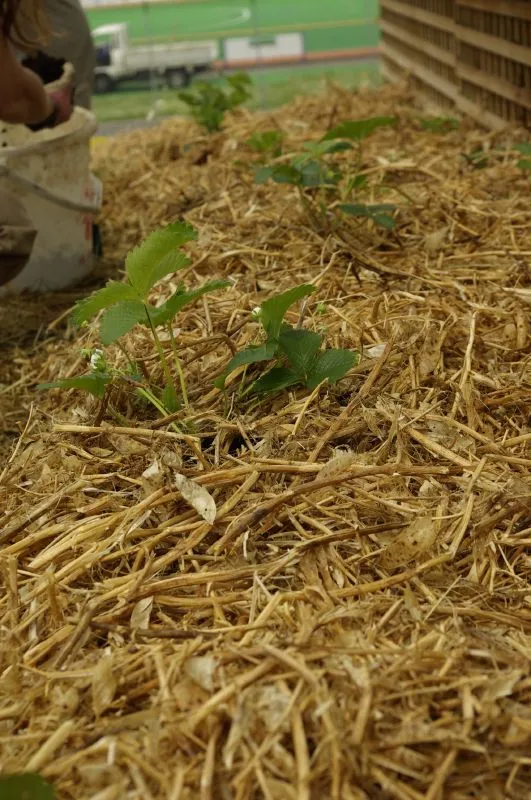
Mulched bed using the "no dig" method (No dig garden)
Close-up of a bed managed according to the "no dig" principle (no dig garden). Young strawberry bushes grow directly from a thick layer of straw mulch. The "no dig" technology aims to preserve soil structure and its microbiota by avoiding mechanical tillage.
Avoiding digging is one of the most effective practices for maintaining soil life. Digging destroys fungal hyphae, worm burrows, insect nests, and aggregate structure. In addition, it accelerates the decomposition of humus and carbon loss (Pavlis, 2020; Chalker-Scott, 2018).
With no-dig, organic materials are applied on the surface: compost, mulch, green manures. Soil organisms pull them down, process them, and create humus. Plant roots create channels, worms and insects mix the soil, and fungi form mycorrhiza (Pavlis, 2020; Lowenfels & Lewis, 2010).
Practical tip: if the soil is compacted, use a fork or a broad cultivator to loosen it slightly without turning the layer over. Do not walk on the beds—use permanent paths. Mulch helps distribute weight and protect structure (Pavlis, 2020; Chalker-Scott, 2018).
Green Manures: Green Fertilizer
Green manures are plants grown specifically to improve the soil. They are sown after the main crop or in between rows, then cut and left on the surface or lightly incorporated into the top layer. Green manures perform several functions (Gershuny, 1999; Pavlis, 2020):
- Soil protection. The roots of green manures bind the soil, preventing erosion. The above-ground mass protects against overheating and drying out.
- Nutrition for soil life. Root exudates of green manures feed bacteria and fungi. After cutting, the organic mass decomposes and returns nutrients to the soil.
- Nitrogen fixation. Leguminous green manures (clover, vetch, lupine, peas) in symbiosis with Rhizobium fix atmospheric nitrogen and enrich the soil with it. Depending on the crop and conditions, they can accumulate from 50 to 200 kg of nitrogen per hectare (Ingram et al., 2015).
- Soil loosening. Deep roots of green manures (alfalfa, oilseed radish, sweet clover) penetrate compacted layers and improve structure.
- Weed suppression. Dense sowing of green manures shades the soil and prevents weeds from developing.
Popular green manures: clover, vetch, lupine, peas, rye, oats, phacelia, buckwheat, oilseed radish, mustard. The choice depends on climate, season, and purpose (Gershuny, 1999; Pavlis, 2020).
Important note: do not allow green manures to set seed. Cut them before flowering or immediately after, while the stems are soft. If left to overripen, they become coarse and decomposition slows (Gershuny, 1999).
Compost: A Concentrate of Life

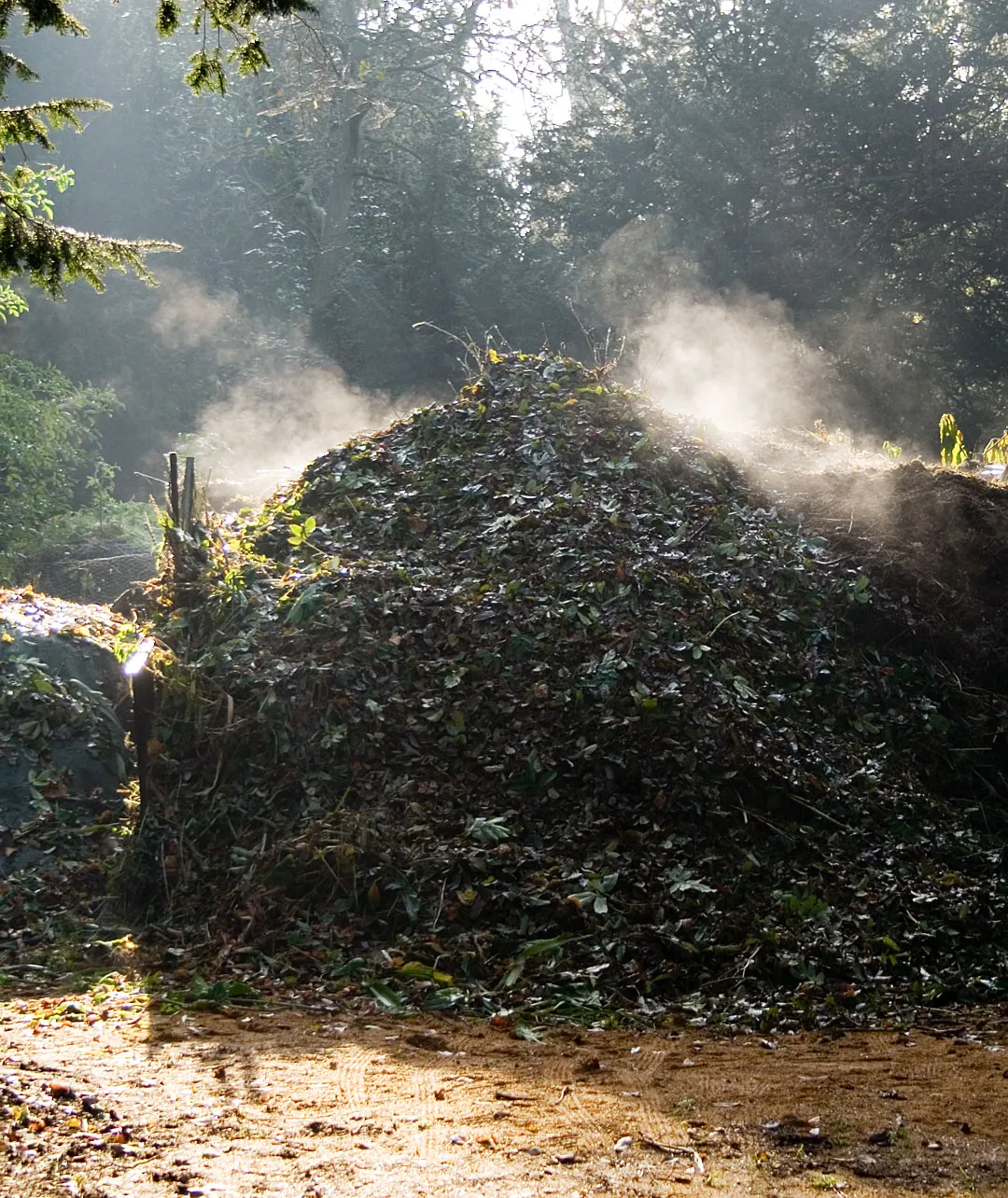
Compost heap on a frosty morning
Photograph of a large outdoor compost heap. The caption notes that the steam above the heap shows the exothermic activity of bacteria on a frosty morning.
Compost is not just fertilizer. It is a source of living microorganisms that colonize the soil and start the food web. A single teaspoon of good compost can contain billions of bacteria, hundreds of meters of fungal hyphae, thousands of protozoa, and dozens of nematodes (Lowenfels & Lewis, 2010).
Compost can be made in two ways:
- Hot compost. Material is piled, moisture is maintained, and it is turned periodically. The temperature inside rises to 55–65 °C, which kills pathogens and weed seeds. Ready in 4–8 weeks (Lowenfels & Lewis, 2010; Pavlis, 2020).
- Cold compost. Material is piled and left for a year or longer. The process is slower, the temperature is lower, but the result is also good. Cold compost contains more fungi and invertebrates (Pavlis, 2020; Lowenfels & Lewis, 2010).
The ratio of "brown" to "green" in the compost pile is about 25–30:1 by carbon and nitrogen. If the pile does not heat up, add nitrogen (grass, manure). If it smells of ammonia, add carbon (leaves, straw, wood chips). Moisture—like a wrung-out sponge: when squeezed in the hand, a few drops should be released (Lowenfels & Lewis, 2010; Pavlis, 2020).
Practical tip: apply compost on the surface without deep incorporation. This preserves its structure and allows microorganisms to gradually colonize the soil. For trees and shrubs, use fungal compost (from leaves and wood chips); for vegetables and flowers—bacterial compost (from grass and kitchen waste) (Lowenfels & Lewis, 2010).
Additional Practices
- Keep a living root in the soil. Plants continuously release exudates that feed microbes. Green manures, mulch from living plants, and perennials help maintain this flow (Pavlis, 2020).
- Diversify plantings. Different plants attract different groups of microorganisms. Mixed plantings, crop rotation, trees, and shrubs together create a rich food web (Pavlis, 2020; Gershuny, 1999).
- Avoid pesticides and excess fertilizers. Chemicals kill beneficial soil inhabitants. Use fertilizers moderately, preferring organic sources (Chalker-Scott, 2018; Gershuny, 1999).
- Monitor pH. Most soil organisms prefer neutral or slightly acidic conditions (pH 6–7). Liming acidic soils and adding organic matter help maintain balance (Ingram et al., 2015; Pavlis, 2020).
Regional Aspect
In warm and humid regions, organic matter decomposes quickly, so compost and mulch are applied more often but in smaller portions. In cold zones, processes are slower, and organic matter accumulates; here it is useful to mulch in autumn to protect the soil in winter. In arid regions, mulch and green manures are especially important for moisture conservation. In the tropics, green manures and mulch help protect the soil from erosion and overheating (Gershuny, 1999; Ingram et al., 2015).
Key idea: Supporting soil life is simple: feed it organic matter, cover it with mulch, do not dig, sow green manures, and add compost. The more active the soil community, the less fertilizer and watering are needed, and the healthier and more resilient the plants.

40W Full Spectrum LED Grow Light
Support healthy plant growth with full-spectrum LED lighting. Ideal for seedlings, indoor plants and small growing spaces. A practical solution for indoor gardening and year-round cultivation.
- Full-spectrum LED
- Energy-efficient design
- Indoor plant growing
Affiliate link · Check actual power and light coverage.
9. Regional Aspect
Soil life is active everywhere, but its speed and character depend strongly on climate. Temperature and moisture are the two main factors determining how quickly organic matter decomposes, how deeply roots penetrate, and which organisms predominate. Understanding regional characteristics helps choose the right practices for a specific plot (Gershuny, 1999; Ingram et al., 2015).
Warm and Humid Regions (Tropics, Subtropics)
In the tropics and subtropics, soil life is extremely active year-round. High temperature and humidity accelerate the decomposition of organic matter: leaves and plant residues are processed in weeks rather than months. Humus accumulates poorly—nutrients are quickly released and washed away by rains (Gershuny, 1999; Ingram et al., 2015).
In such conditions, it is useful to:
- apply organic matter frequently and in small portions so that plants can absorb it;
- use mulch from coarse materials (wood chips, bark, straw) to protect the soil from overheating and erosion;
- sow green manures between rows so that the soil is not left bare;
- maintain plant diversity, as monoculture quickly depletes the soil.
Important note: in tropical soils, fungi often dominate, especially in forest zones. Mycorrhiza is especially important here for supplying plants with phosphorus, which is quickly bound in acidic soils (Pavlis, 2020; Lowenfels & Lewis, 2010).
Temperate Regions
In the temperate zone, soil life has a pronounced seasonality. In spring and autumn, microbes are active; in summer, drought may occur; and in winter, processes slow down or stop. Organic matter accumulates more slowly than in the tropics but is not washed away as quickly. Humus forms gradually, and its reserves can persist for years (Gershuny, 1999; Ingram et al., 2015).
Practices for temperate zones:
- autumn mulching with leaves, straw, or compost to protect the soil in winter;
- spring application of compost before planting;
- use of green manures after harvest so as not to leave the soil bare;
- no-dig to preserve structure and fungal mycelium.
In temperate zones, it is especially important to maintain a balance between bacteria and fungi. Vegetable beds are usually bacterially dominant, while orchards and forest areas are fungally dominant. Mulch from leaves and wood chips helps support fungi, while compost from grass and kitchen waste supports bacteria (Lowenfels & Lewis, 2010).
Cold Regions
In a cold climate, soil life is active only in the warm season. In winter, microbes hibernate, worms go deeper, and decomposition almost stops. Organic matter accumulates slowly but also does not decompose quickly. In spring, when the soil warms up, there is a burst of activity (Gershuny, 1999; Ingram et al., 2015).
Recommendations:
- mulch the soil in autumn to reduce freezing and protect microorganisms;
- in spring, do not rush with cultivation; wait for the soil to warm up;
- use compost and green manures to replenish organic matter;
- choose cold-resistant green manures (rye, oats, vetch).
In cold zones, raised beds and warm beds (e.g., with compost inside) that warm up faster are especially useful.
Arid and Semi-Arid Regions
In arid zones, the main limiting factor is water. Soil life is active only when moisture is present. After rain, microbes quickly awaken but then enter dormancy again. Organic matter decomposes slowly due to dryness, but with irrigation, processes accelerate (Gershuny, 1999; Ingram et al., 2015).
Practices:
- mandatory mulching to conserve moisture;
- use of drought-resistant green manures and perennials;
- drip irrigation to save water;
- application of organic matter in autumn or early spring when there is enough moisture;
- avoiding deep digging, which dries out the soil.
In arid regions, mycorrhiza is especially important: fungi help plants obtain water from deep layers. Therefore, it is worth avoiding fungicides and supporting the fungal community (Pavlis, 2020; Lowenfels & Lewis, 2010).
General Principle
Regardless of region, the main thing is to keep the soil alive. Observe it: how quickly mulch decomposes, how many worms there are, what the structure looks like. Adapt practices to local conditions. In warm zones, the emphasis is on frequent application of organic matter and protection from erosion; in cold zones—on heat retention and seasonality; in dry zones—on moisture retention (Gershuny, 1999; Ingram et al., 2015).
Key idea: Climate determines the speed and character of soil life. There are no universal recipes, but there is a general principle: feed the soil with organic matter, cover it with mulch, do not dig, and maintain diversity. Then the soil community will adapt itself to local conditions and help the plants.
10. Conclusion: Healthy Soil Is Living Soil
Soil is not an inert substrate but a living ecosystem. It is inhabited by billions of bacteria, kilometers of fungal hyphae, thousands of protozoa and nematodes, and millions of worms and arthropods. All of them are connected in a complex food web that processes organic matter, retains nutrients, improves soil structure, and protects plants from diseases (Lowenfels & Lewis, 2010; Gershuny, 1999).
The main conclusion: the more life in the soil, the less fertilizer and watering are needed. Bacteria and fungi decompose organic matter and make nutrients available. Protozoa and nematodes mineralize nitrogen directly in the rhizosphere. Worms create humus and channels for roots. Arthropods shred organic matter and regulate microbe populations. Plants, in turn, manage this community through root exudates, attracting the right partners (Pavlis, 2020; Chalker-Scott, 2018).
To support soil life, no complex technologies are needed. It is enough to follow simple principles:
- Feed the soil with organic matter—compost, mulch, green manures, plant residues.
- Do not dig—no-dig preserves structure, mycelium, and worm burrows.
- Cover the soil—mulch protects against erosion, overheating, and drying out.
- Diversify plantings—different plants support different groups of microorganisms.
- Avoid pesticides and excess fertilizers—they destroy the food web.
- Take climate into account—in warm zones organic matter decomposes faster, in cold and dry zones—more slowly.
Healthy soil is the foundation of a sustainable garden and vegetable plot. It regulates plant nutrition itself, retains moisture, suppresses pathogens, and increases yields. Investing in soil life pays off many times over: less work, lower costs, more health for plants and people (Gliessman, 2014; Rees-Warren, 2021).
Key idea: Living soil is a self-sustaining system. By supporting its diversity and activity, the gardener creates conditions in which plants thrive without constant intervention. Healthy soil is the key to a healthy garden.
References
- (2014). ‘Soil’, in Agroecology. : CRC Press, 108-123. doi: 10.1201/b17881-13
- (2015). ‘Soil cultivation and fertility’, in Ingram, D.S., Vince-Prue, Daphne, Gregory, P.J. (ed.) Science and the Garden. The scientific basis of horticultural practice. West Sussex, UK: Royal Horticulture Society. Wiley Blackwell, pp. 86-101.
- (2015). ‘Summary’, in Ingram, D.S., Vince-Prue, Daphne, Gregory, P.J. (ed.) Science and the Garden. The scientific basis of horticultural practice. West Sussex, UK: Royal Horticulture Society. Wiley Blackwell, pp. 75-85.
- Chalker-Scott, Linda (2015). ‘The Underground Railroad’, in How Plants Work. Portland, London: Timber Press, pp. 38-59.
- Chalker-Scott, Linda (2018). ‘Living Soils: Bacteria and Fungi’, in The Science of Gardening. Course Guidebook. Chantilly, Virginia: The Great Courses, pp. 37-45.
- Gershuny, Grace, Smillie, Joe (1999). ‘Soil Management Practices’, in The Soul of Soil. A Soil-Building Guide for Master Gardeners and Farmers. Vermont: Chelsea Green Publishing, .
- Gershuny, Grace, Smillie, Joe (1999). ‘Understanding the Soil Ecosystem’, in The Soul of Soil. A Soil-Building Guide for Master Gardeners and Farmers. Vermont: Chelsea Green Publishing, .
- Hemenway, Toby (2009). ‘Bringing the Soil to Life’, in Gaia's Garden. A Guide To Home-Scale Permaculture. : Chelsea Green Publishing, .
- Lowenfels, Jeff, Lewis, Wayne (2010). ‘Arthropods’, in Teaming with Microbes. The Organic Gardener’s Guide to the Soil Food Web. Portland, Oregon: Timber Press, .
- Lowenfels, Jeff, Lewis, Wayne (2010). ‘Bacteria’, in Teaming with Microbes. The Organic Gardener’s Guide to the Soil Food Web. Portland, Oregon: Timber Press, .
- Lowenfels, Jeff, Lewis, Wayne (2010). ‘Compost’, in Teaming with Microbes. The Organic Gardener’s Guide to the Soil Food Web. Portland, Oregon: Timber Press, .
- Lowenfels, Jeff, Lewis, Wayne (2010). ‘Earthworms’, in Teaming with Microbes. The Organic Gardener’s Guide to the Soil Food Web. Portland, Oregon: Timber Press, .
- Lowenfels, Jeff, Lewis, Wayne (2010). ‘Fungi’, in Teaming with Microbes. The Organic Gardener’s Guide to the Soil Food Web. Portland, Oregon: Timber Press, .
- Lowenfels, Jeff, Lewis, Wayne (2010). ‘Mulch’, in Teaming with Microbes. The Organic Gardener’s Guide to the Soil Food Web. Portland, Oregon: Timber Press, .
- Lowenfels, Jeff, Lewis, Wayne (2010). ‘Nematodes’, in Teaming with Microbes. The Organic Gardener’s Guide to the Soil Food Web. Portland, Oregon: Timber Press, .
- Lowenfels, Jeff, Lewis, Wayne (2010). ‘Protozoa’, in Teaming with Microbes. The Organic Gardener’s Guide to the Soil Food Web. Portland, Oregon: Timber Press, .
- Lowenfels, Jeff, Lewis, Wayne (2010). ‘What Is the Soil Food Web and Why Should Gardeners Care?’, in Teaming with Microbes. The Organic Gardener’s Guide to the Soil Food Web. Portland, Oregon: Timber Press, .
- Morgan, Sally (2021). ‘Building a healthy soil’, in The Healthy Vegetable Garden: A natural, chemical-free approach to soil, biodiversity and managing pests and diseases. Vermont, London, UK: Chelsea Green Publishing, .
- Pavlis, Robert (2020). ‘Understanding Soil’, in Soil Science for Gardeners. Working with Nature to Build Soil Health. Gabriola Island, BC, Canada: New Society Publishers, pp. 9-96.
- Pratt, M.M. (2005). ‘Looking After the Soil – the Balanced Approach’, in Practical Science for Gardeners. Portland, Oregon: Timber Press, pp. 61-80.
- Rees-Warren, Matt (2021). ‘Soil’, in The Ecological Gardener. Vermont, London, UK: Chelsea Green Publishing, .
