
Soil — a living system: a guide for gardeners and vegetable growers
1. Soil is not dirt and not “just earth”
In everyday speech, we often call soil “earth” or “dirt.” However, for a gardener, vegetable grower, or small farmer, this attitude can become a serious obstacle to success. Soil is not an inert material that simply needs to be “used.” It is a complex, dynamic, and living system with fertility and the capacity for self-regulation (Weil, 2017).
From a scientific point of view, soil is a natural body consisting of genetically related horizons that formed at the Earth’s surface under the influence of climate, living organisms, topography, and time (Eash et al., 2016). Unlike “dirt”—an everyday concept denoting soil that has soiled one’s hands or clothes—soil has structure, contains living organisms, and performs ecological functions.
The Soil Science Society of America gives this definition: “Soil is the unconsolidated mineral or organic material on the surface of the Earth that serves as a natural medium for the growth of land plants” (Eash et al., 2016). This definition emphasizes the main point: soil is a medium of life, not merely a substrate.
For a gardener, it is important to understand that soil is not “just the earth underfoot” but a living resource that requires careful stewardship. As Gliessman (2014) notes, soil is a complex, living, variable, and dynamic component of an agroecosystem that can either be degraded or wisely managed. Therefore, the first thing worth doing is changing one’s perception: soil is not dirt but the foundation of the garden.
Note: In the scientific literature, a distinction is often made between “soil” as a natural body and “soil” as a material. Soil as a material is a mixture of minerals, gases, water, organic matter, and microorganisms. Soil as a natural body is a three-dimensional object in the landscape with a unique profile and horizons (Weil, 2017). For practical purposes, it is useful for a gardener to consider both aspects.
2. Soil as a living system: minerals + organic matter + air + water + living organisms
Soil is not just a mixture of mineral particles. It is a dynamic system in which four main components interact: the mineral base, organic matter, air and water, and living organisms. In an ideal soil for plant growth, the volume fractions are approximately as follows: about 45% mineral particles, 5% organic matter, 25% air, and 25% water (Pavlis, 2020; Weil, 2017). However, these proportions can vary depending on soil type, climate, and management.

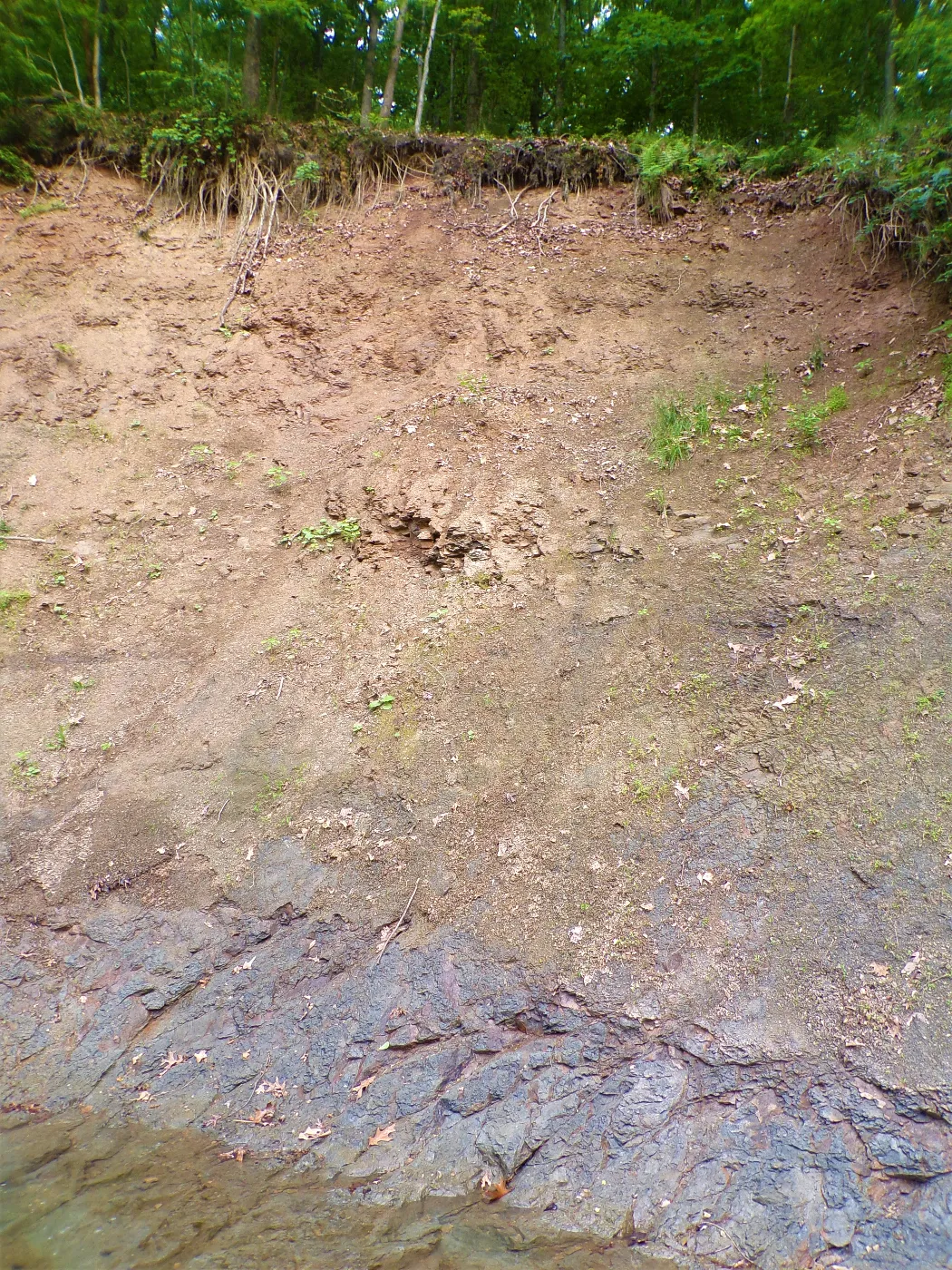
Soil profile of a slope with silt, loam, and clay.
Soil profile of an exposed hillslope demonstrating layers of silt, loam, and clay next to a creek. The photograph clearly shows the structure of the bank and the dense root system of plants in the upper soil layer.
The mineral part consists of particles of different sizes: sand, silt, and clay. Sand (2.0–0.05 mm) provides good drainage and aeration but retains water and nutrients poorly. Silt (0.05–0.002 mm) occupies an intermediate position. Clay (less than 0.002 mm) has a high capacity to retain water and nutrients due to its large specific surface area and electrical charges (Weil, 2017; Troeh, 1993). The ratio of these particles determines soil texture, which affects its water-air regime and fertility.
Soil organic matter (humus) is the result of the decomposition of plant and animal residues. It makes up only a small part (usually 1–6% by mass), but it plays an enormous role: it improves structure, increases water-holding capacity, retains nutrients, and serves as food for soil organisms (Gershuny, 1999; Weil, 2017). Humus gives soil its dark color and promotes the formation of aggregates—crumbs that create a structure favorable for roots.
Air and water occupy the pore space between particles. Air is necessary for the respiration of roots and soil organisms. Water dissolves nutrients and transports them to roots. The ratio of air and water changes after rain or irrigation: water displaces air, but as drainage occurs, air returns. It is important that the soil always retains enough air for aerobic processes (Ingram, 2015; Pavlis, 2020).
Living organisms are the key component that makes soil alive. A single teaspoon of healthy soil may contain billions of bacteria, millions of fungi, thousands of protozoa and nematodes, as well as larger organisms such as earthworms, mites, springtails, and insects (Lowenfels, 2010; Pavlis, 2020). All of them participate in processing organic matter, nutrient cycling, and the formation of soil structure. Bacteria and fungi decompose organic matter, protozoa and nematodes regulate their numbers, and earthworms mix the soil and create channels for roots and water (Hemenway, 2009; Gershuny, 1999). Without these organisms, soil quickly loses fertility.

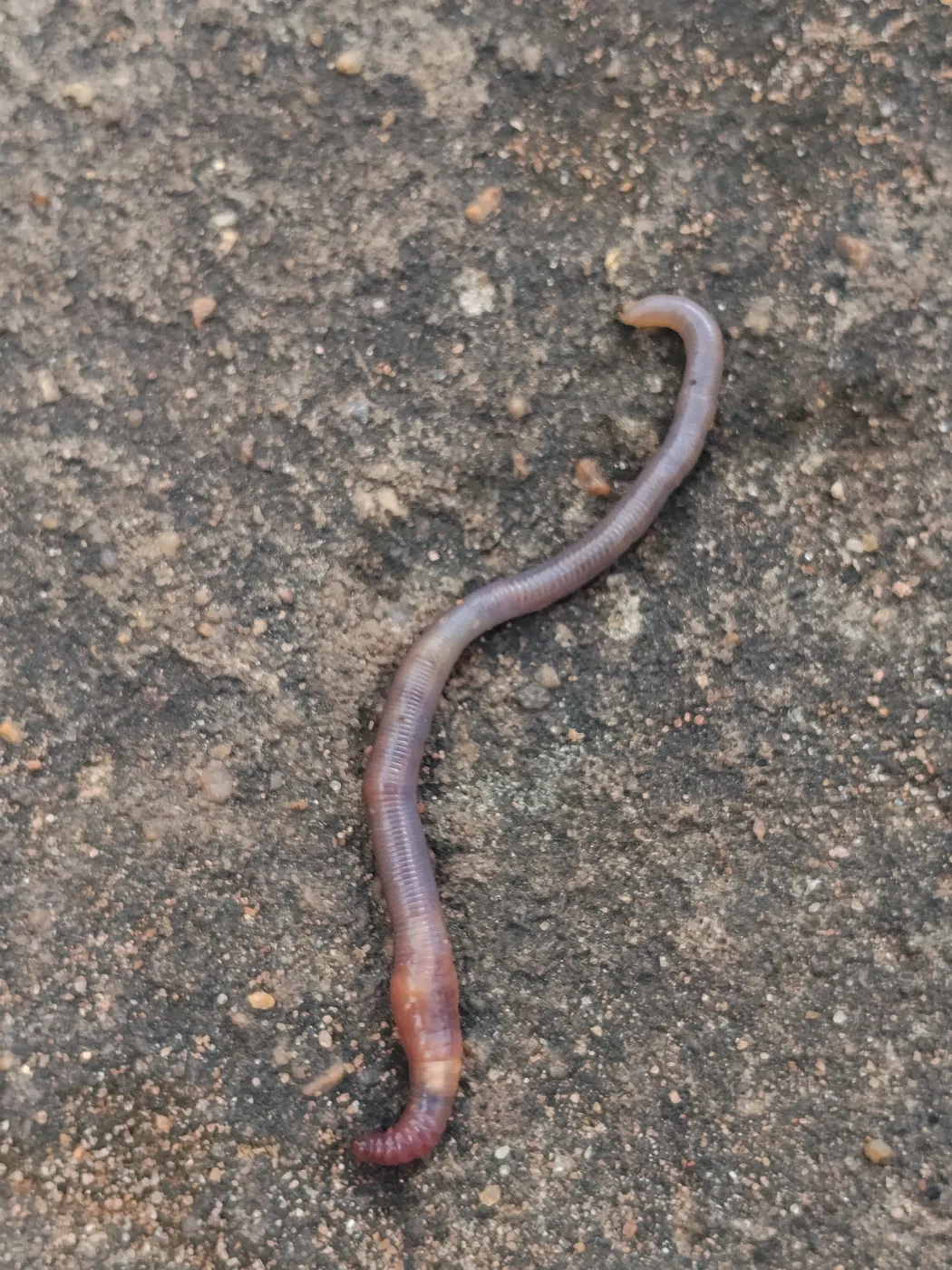
Earthworms — important organisms of the soil ecosystem
An earthworm moving along the soil surface. Earthworms participate in the processing of organic residues, the formation of soil structure, the mixing of soil horizons, and the maintenance of nutrient cycling.

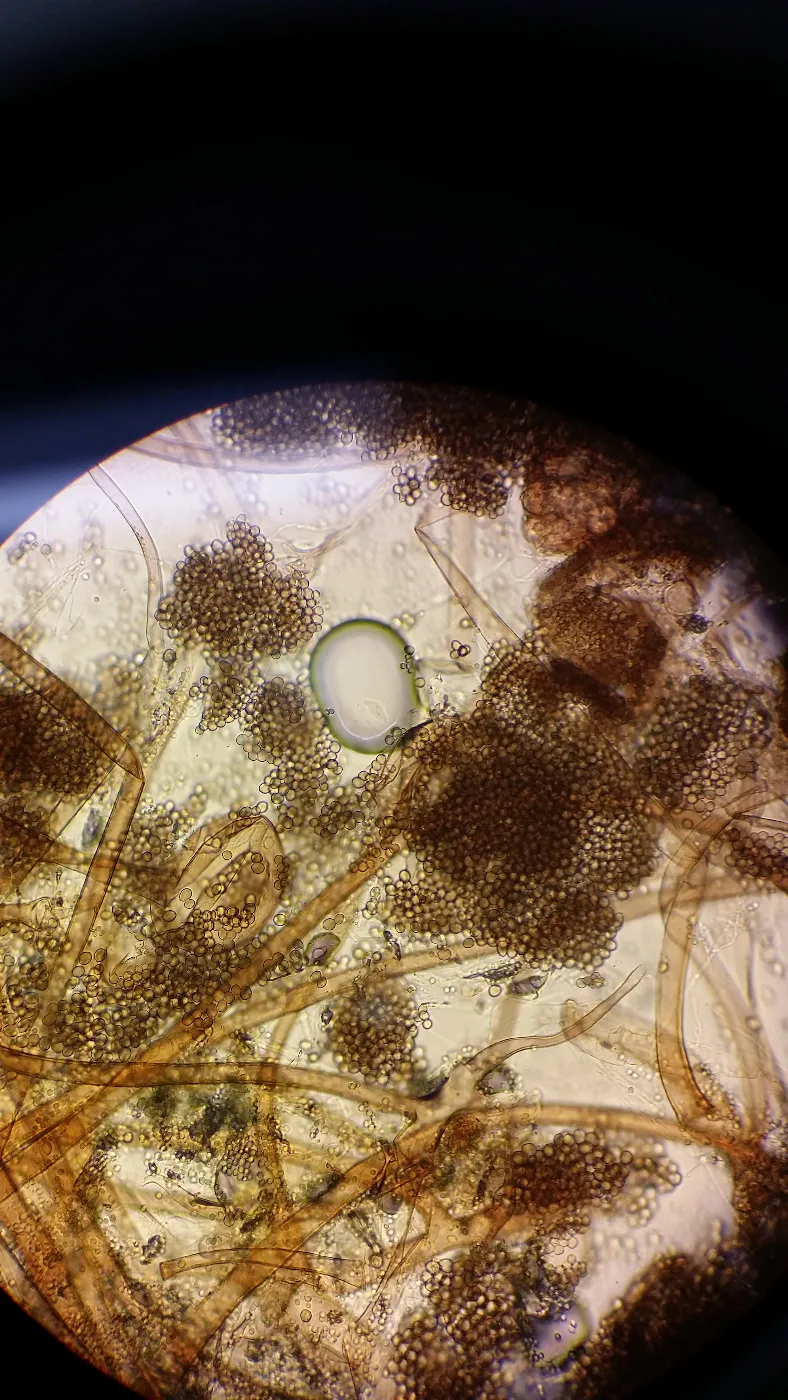
Fungal hyphae: the invisible network of soil life
Micrograph of fungal hyphae, the thin thread-like structures that form the body of a fungus. The image helps show the microscopic level of the soil ecosystem.
Note: It is estimated that one gram of healthy soil may contain up to a billion bacteria and several meters of fungal hyphae (Lowenfels, 2010). These figures emphasize how saturated with life soil is. In addition, soil microorganisms release glue-like substances (polysaccharides, glomalin) that bind mineral particles into aggregates, creating a favorable structure (Weil, 2017; Lowenfels, 2010).
Thus, soil is a complex ecosystem, not merely an inert substrate. Understanding its composition and functions is the first step toward competent soil management in the garden or vegetable plot.


LCD 4-in-1 Soil Tester
Check essential growing conditions with one compact tool. Measure soil pH, moisture, temperature and light intensity — ideal for gardens, potted plants and greenhouses.
- 4-in-1 measurement
- Easy-to-read LCD display
- Portable design
Affiliate link · For indicative measurements only.
3. How soil forms: thousands of years, from rock, under the influence of climate, plants, animals, and microbes
Soil does not appear instantly. Its formation is a long process that takes hundreds, thousands, and even millions of years. The starting material is bedrock or loose deposits, which under the influence of a complex of factors gradually turn into soil (Foth, 1990; Troeh, 1993).

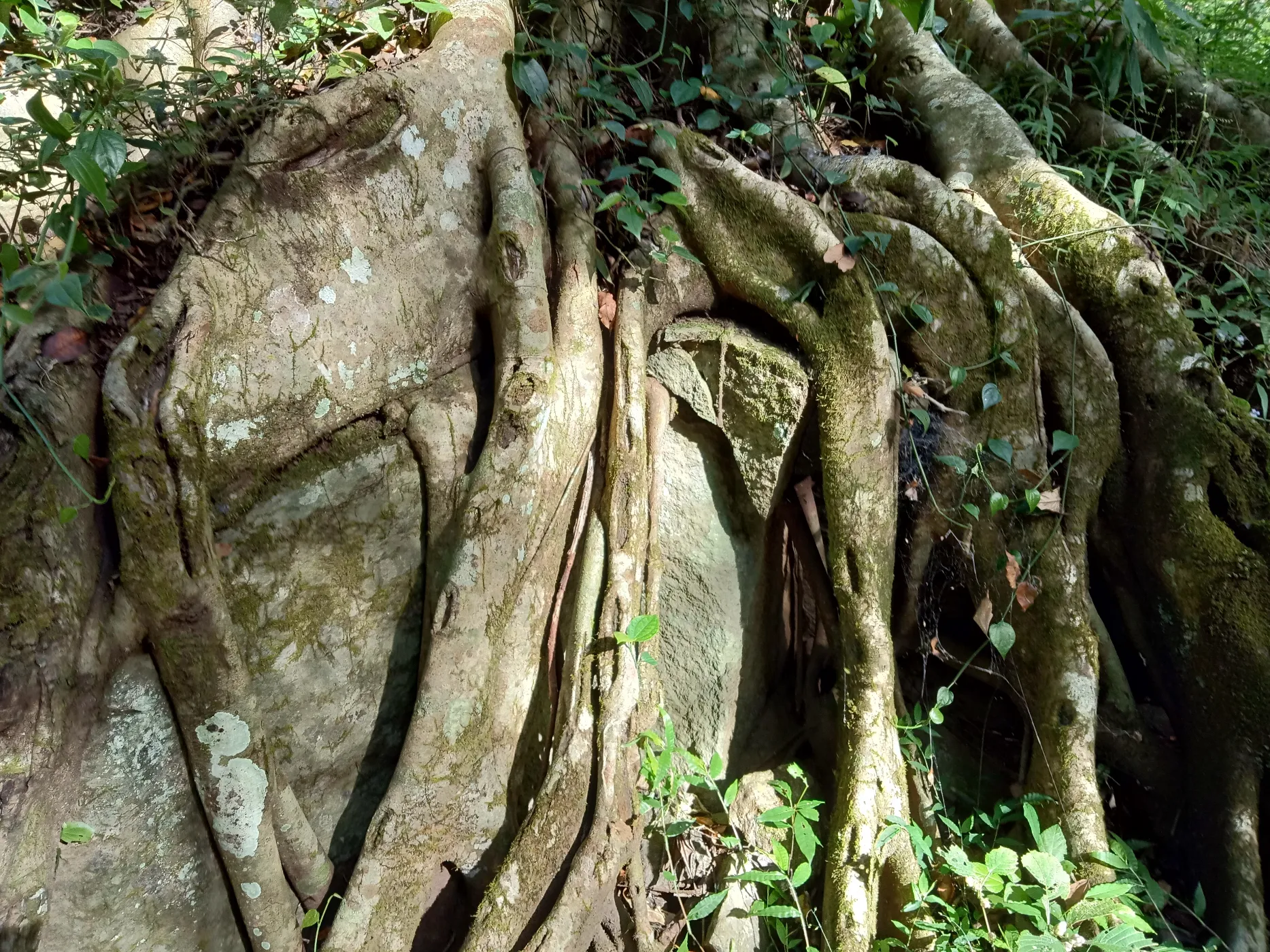
Biological weathering: ficus roots break down rock
Roots of a ficus (Ficus sp.) penetrate cracks and crevices in rock, gradually breaking it down. This is a clear example of plant participation in soil formation. The page indicates the shooting location: the Biligirirangans mountainous area, India.
Weathering—the beginning of the path. The first stage is the physical and chemical weathering of rocks. Physical weathering occurs under the action of water, wind, temperature, and gravity: water penetrates cracks, freezes, expands, and breaks the rock; temperature fluctuations cause cracking; wind and water transport fragments that abrade each other (Gliessman, 2014). Chemical weathering includes hydration, hydrolysis, dissolution, and oxidation. For example, carbon dioxide dissolving in water forms carbonic acid, which leaches calcium and magnesium from minerals, weakening the crystal lattice (Gliessman, 2014). In this way, dense rock is destroyed and loose material—regolith—is formed.
The role of living organisms. As soon as a loose substrate appears, it is colonized by plants, animals, and microorganisms. Plant roots penetrate cracks, release organic acids, break down minerals, and extract nutrients. Dying roots and leaves become food for bacteria, fungi, earthworms, and other organisms. In the process of decomposition of organic residues, humus is formed—a dark, stable organic substance that gives soil fertility and promotes the formation of structure (Eash et al., 2016; Gershuny, 1999). Microorganisms also release glue-like substances that bind mineral particles into aggregates (Lowenfels, 2010). Thus, living organisms do not merely colonize soil—they actively create it.

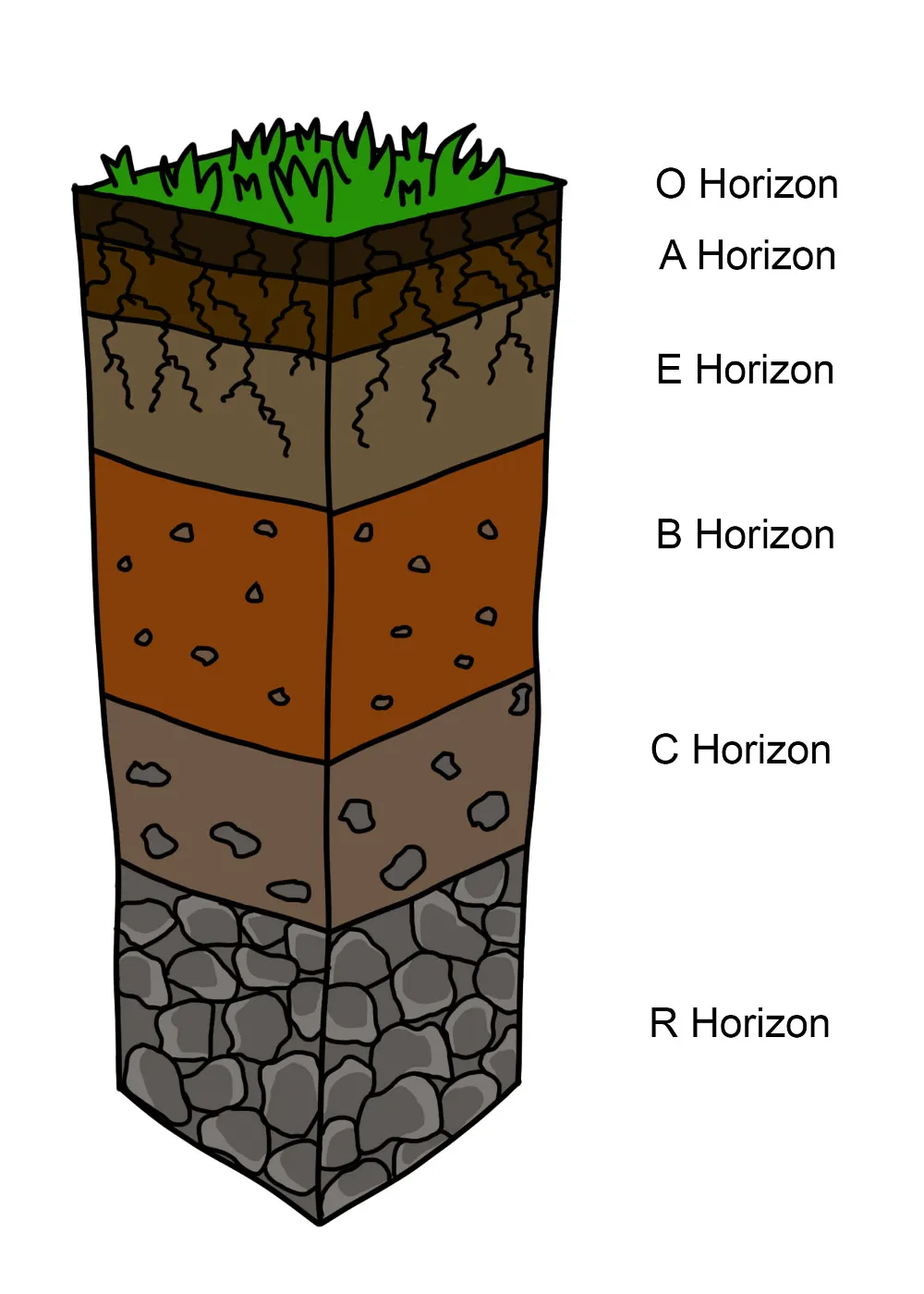
Soil profile: main horizons from the surface to parent material
Schematic illustration of the vertical structure of soil with horizons O, A, E, B, C, and R labeled. Different layers are distinguished by color and texture.
Formation of horizons. Over time, layers, or horizons, differing in color, composition, and properties arise within the regolith. The upper horizon (A) is enriched in organic matter and has a dark color. Below it may lie an eluvial horizon (E), from which nutrients and clay have been washed downward. Still deeper is the illuvial horizon (B), where these substances are deposited. Beneath it lies weakly altered parent material (C), and still lower is bedrock (R). The combination of these horizons forms the soil profile (Foth, 1990; Weil, 2017). The formation of the profile is the result of differentiated movement and transformation of substances under the influence of water, roots, and soil fauna.
Soil-forming factors. The rate and direction of processes depend on five main factors: climate, living organisms, topography, parent material, and time (Foth, 1990; Troeh, 1993). Climate determines temperature and precipitation, which influence the rate of weathering, decomposition of organic matter, and leaching. Living organisms (vegetation, animals, microbes) supply organic matter and participate in element cycling. Topography redistributes water and heat: on slopes, soils are usually thinner and drier; in lowlands, they are deeper and wetter. Parent material determines mineralogical composition. Time is a necessary condition for all these processes.
Slowly but surely. Soil formation is an extremely slow process. It is estimated that under temperate climate conditions, the formation of 1 centimeter of soil may take from several hundred to a thousand years (Foth, 1990). In the tropics, with high temperatures and humidity, weathering proceeds faster, but organic matter often mineralizes rapidly there, and soils may be poor in humus. In cold regions, processes are slowed, and organic matter accumulates slowly, but soils may be rich in organic matter due to the low rate of decomposition. In arid zones, due to insufficient moisture, vegetation is sparse, and soils contain little organic matter (Gershuny, 1999; White, 2006).
Note: It is important to understand that soil is a renewable but very slowly renewable resource. Soil loss as a result of erosion or poor management can occur in just a few years, while its restoration will take centuries. Therefore, soil conservation is one of the key tasks of sustainable gardening.
4. Soil is the boundary between living and nonliving nature
Soil occupies a unique position in nature. It is not simply a mixture of minerals and organic matter—it is the zone of contact and interaction of four Earth shells: the lithosphere (the world of rocks), the atmosphere (air), the hydrosphere (water), and the biosphere (living organisms). It is here, at the boundary between the nonliving and the living, that the most important processes supporting life on the planet occur (Weil, 2017).
The pedosphere—an interface of worlds. Scientists call the soil layer the pedosphere. It is a thin film on the Earth’s surface where mineral particles, water, air, and living beings meet. Soil serves as a link: it retains water and nutrients, provides plant roots with support and nutrition, and is home to billions of microorganisms. Without this boundary, terrestrial ecosystems would be impossible (Weil, 2017).
Living and nonliving in soil. In soil, there is a continuous exchange between living organisms and nonliving matter. Plants extract water and nutrients from the mineral part and in return release root exudates—sugars, amino acids, organic acids—that serve as food for microbes (Pavlis, 2020). Microorganisms decompose organic residues, converting them into forms available to plants. Earthworms ingest soil and plant residues, digest them, and excrete casts rich in nutrients. Thus, soil is not merely an arena where the living and nonliving meet but an active mediator that transforms one into the other.
Element cycles. Soil plays a key role in the global cycles of carbon, nitrogen, phosphorus, and other elements. It retains carbon in the form of organic matter, regulating the carbon dioxide content of the atmosphere. Nitrogen-fixing bacteria convert atmospheric nitrogen into available forms, while denitrifying bacteria return it to the atmosphere. Phosphorus, unlike nitrogen, circulates mainly through soil: it is released during rock weathering and decomposition of organic matter but is easily bound into insoluble compounds (Gliessman, 2014). Without soil, these cycles would be disrupted.
Soil as the “critical zone.” In modern science, soil is considered part of the “critical zone”—the area from treetops to the lower boundaries of aquifers where processes supporting life actively occur (Weil, 2017). Soil is the central component of this zone, since it is here that water filtration, decomposition of pollutants, carbon accumulation, and the formation of fertility take place.
Practical conclusion. Understanding soil as the boundary between living and nonliving nature helps the gardener realize that any interventions—tillage, fertilization, irrigation—affect this thin boundary. Excessive tillage destroys structure and kills soil life. An excess of mineral fertilizers can disrupt the balance of microorganisms. By contrast, adding organic matter, mulching, and minimal tillage support the health of this unique contact zone (Pavlis, 2020; Chalker-Scott, 2018).
Note: Some researchers emphasize that soil is not simply a boundary but an independent living system with properties that neither the mineral nor the biological world possesses separately. The capacity of soil for self-organization and self-regulation is the result of long evolution and the interaction of many factors (Gershuny, 1999).
Thus, soil is not a passive boundary but an active zone of exchange where nonliving matter turns into living substance and vice versa. Understanding this helps one recognize the value of soil and the need to care for it.

Solar Automatic Drip Irrigation Kit for Gardens
Automate watering for pots, gardens and small greenhouses. This solar-powered system features a timer to help schedule water delivery to your plants.
- Solar-powered
- 15 m irrigation hose
- Programmable watering
Affiliate link · Check included accessories.
5. Why soil differs from plot to plot
Even within a single garden plot, soil can differ noticeably. At one end of a bed it may be heavy and clayey, at the other light and sandy. The reason lies in the five soil-forming factors, which act simultaneously and with different intensity in each specific place: parent material, climate, living organisms, topography, and time (Foth, 1990; Troeh, 1993).
Parent material. The mineral basis of soil is inherited from underlying rocks or deposits. Granite, sandstone, and shale produce acidic soils rich in quartz. Limestone and basalt, containing calcium and magnesium, form more neutral or alkaline soils (Pavlis, 2020). If the rock lies deep and the soil formed on deposits brought by water, wind, or glaciers, its properties may not correspond at all to the local geology. For example, loess deposits in river valleys produce fertile loams, while sandy deposits produce light, poor soils (Foth, 1990).
Climate. Temperature and precipitation determine the rate of weathering, decomposition of organic matter, and leaching of nutrients. In humid regions with abundant precipitation, soils are washed, losing calcium and other bases, and become acidic. In arid zones, where evaporation exceeds precipitation, salts rise to the surface, forming saline and alkaline soils (Gershuny, 1999; White, 2006). In the tropics, with high temperature and humidity, organic matter mineralizes quickly, and soils are often poor in humus despite lush vegetation. In cold regions, decomposition is slowed, and organic matter accumulates, forming thick peat horizons (Gliessman, 2014).
Living organisms. Vegetation, animals, and microorganisms actively influence soil formation. Under forest vegetation, acidic soils with a thin humus horizon form, since falling leaves decompose with the formation of organic acids. Under meadow and steppe vegetation, where a mass of roots dies, thick dark humus horizons form—chernozems and chestnut soils (Foth, 1990). Earthworms, ants, termites, and rodents mix the soil, create channels, and enrich it with organic matter. Microorganisms decompose organic matter and release substances that bind particles into aggregates (Lowenfels, 2010).
Topography. On slopes, water runs off, carrying away fine particles and nutrients, so soils here are often shallow, stony, and dry. In lowlands, by contrast, washed-off materials accumulate, moisture stagnates, and soils become deeper, heavier, and richer in organic matter, but they may suffer from waterlogging and oxygen deficiency (Troeh, 1993). Slope aspect is also important: on southern slopes in the Northern Hemisphere, soils are warmer and drier; on northern slopes, colder and wetter.
Time. Young soils formed on fresh deposits are usually poorly differentiated, have a thin humus horizon, and contain little clay. Old soils, by contrast, are highly weathered and have a thick profile but may be poor in nutrients due to long-term leaching (Weil, 2017). For example, in the tropics, ancient lateritic soils contain much iron and aluminum but are almost devoid of available phosphorus and potassium.
Practical conclusion. Soil diversity on a plot is not a disadvantage but a reality that must be taken into account. Before choosing crops and planning beds, it is useful to assess the soil in different zones: determine its texture, acidity, depth of the fertile layer, and drainage. Where the soil is heavy and wet, it is better to plant moisture-loving plants or build raised beds. Where the soil is light and dry, choose drought-tolerant crops or add more organic matter to increase water-holding capacity (Chalker-Scott, 2018). There is no universal approach: what is good for one part of the garden may not suit another.
Note: The five soil-forming factors do not act in isolation but in close interconnection. For example, climate influences vegetation, vegetation influences organic matter, topography redistributes moisture and heat, and time determines how far the processes have gone. That is why the soil cover of the Earth is so diverse, and even on a small plot one can encounter several soil types (Weil, 2017; Foth, 1990).
6. What “healthy soil” means
The concept of healthy soil goes beyond simple fertility. Fertility is the ability of soil to provide plants with nutrients. Soil health is a broader concept: it is the ability of soil to function as a living system, support biological productivity, preserve environmental quality, and contribute to the health of plants and animals (White, 2006). Healthy soil is not merely a storehouse of nutrients but a dynamic, self-regulating ecosystem.
Key signs of healthy soil. Specialists identify several interrelated characteristics by which soil health can be judged.
1. Good structure. Healthy soil has a crumbly, granular structure. It does not break down into dust and does not form hard clods. Aggregates—crumbs bound by organic substances and microbial secretions—create pore space in which air and water circulate freely (Pavlis, 2020; Gershuny, 1999). Good structure means that the soil does not puddle after rain, does not form a crust, and is easily penetrated by roots.
2. High organic matter content. Humus is the basis of soil health. It improves structure, increases water-holding capacity, retains nutrients, and serves as food for soil organisms. In healthy soil, organic matter content is usually 3–6% by mass, although this indicator depends on climate and soil type. In sandy soils, even 2% organic matter is a good result, while for clayey soils 5% or higher is desirable (Pavlis, 2020; Morgan, 2021).

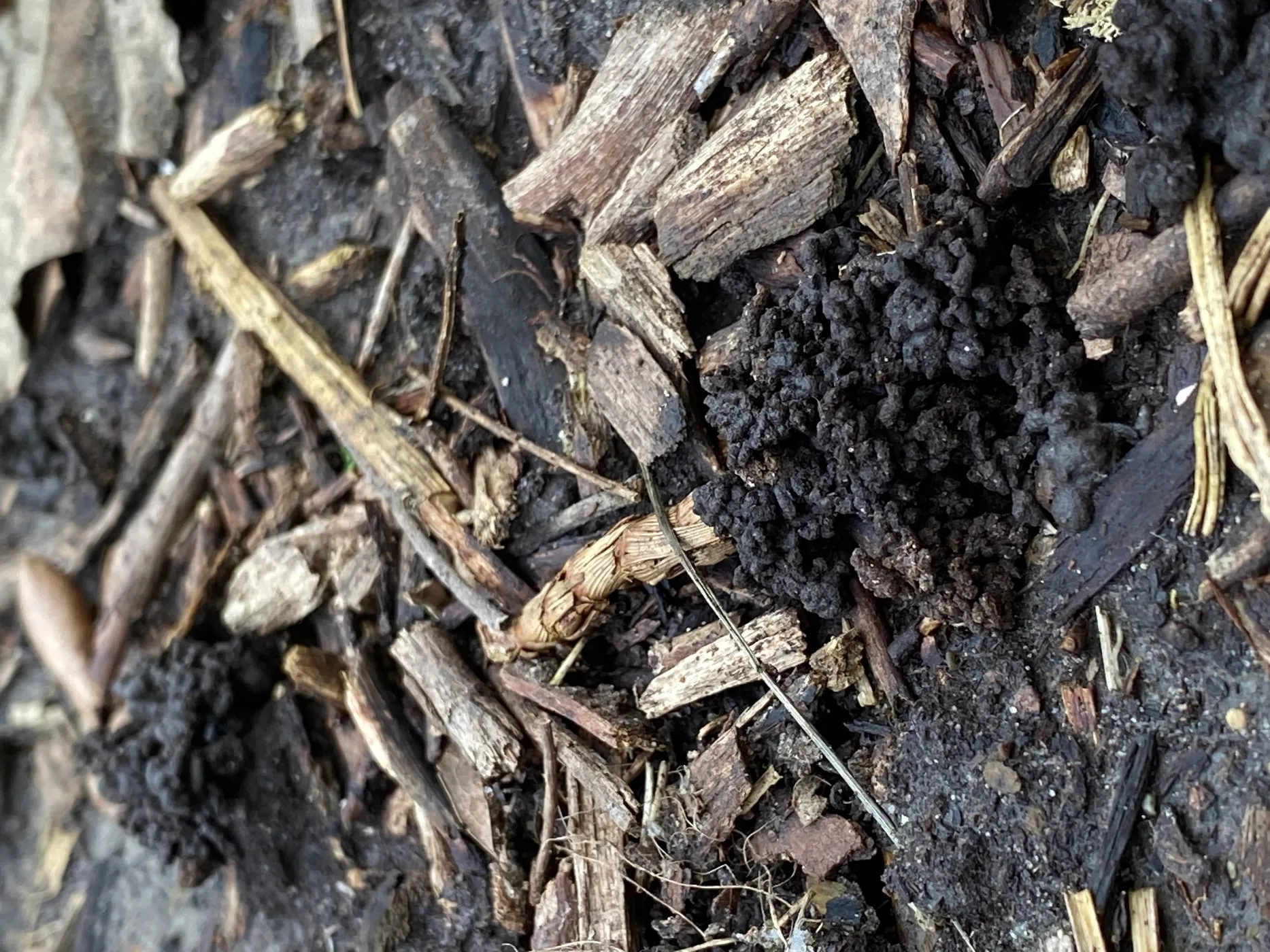
Piles of vermicompost (worm castings) on the soil surface
Close-up of organic fertilizer — earthworm castings left on the soil surface in a garden. Vermicompost is a valuable nutrient that improves soil structure and increases its fertility.
3. Active soil life. Healthy soil teems with life. It contains billions of bacteria, kilometers of fungal hyphae, thousands of protozoa, nematodes, mites, springtails, and earthworms (Lowenfels, 2010). These organisms decompose organic matter, convert nutrients into available forms, suppress pathogens, and form structure. The presence of earthworms is a simple and reliable indicator: if, when digging a bed, you find 10–15 adult worms per square foot (about 0.09 m2), the soil is healthy (Morgan, 2021).
4. Balanced nutrition. Healthy soil contains sufficient macro- and micronutrients in forms available to plants. What matters is not only absolute content but also balance: an excess of one element can block the uptake of another. For example, too much phosphorus prevents plants from absorbing iron and manganese, and an excess of potassium prevents magnesium uptake (Pavlis, 2020). Healthy soil has buffering capacity—the ability to withstand sharp changes in acidity and nutrient regime.
5. Optimal acidity. Most cultivated plants prefer a pH in the range of 6.0–7.0. In this interval, nutrients are most available. However, soil health is not reduced to ideal pH: it is important that acidity corresponds to the needs of the crops being grown. Blueberries and rhododendrons thrive at pH 4.5–5.5, while many vegetables thrive at 6.5–7.0 (Pavlis, 2020; Littlewood, 2007).
6. Good drainage and aeration. Healthy soil does not flood after rain and does not turn into a swamp. It passes water but retains enough moisture for plants. Pores are filled with air and water in approximately equal proportions. If water stands on the surface for more than a day after rain, this is a sign of drainage problems or compaction (Pavlis, 2020).
7. Absence of contamination. Healthy soil does not contain toxic concentrations of heavy metals, pesticides, or other pollutants. It is capable of decomposing some pollutants through the activity of microorganisms, but its buffering capacity is not unlimited (White, 2006).
How to assess soil health yourself. A gardener can perform several simple tests. Aggregate stability test: take a clod of slightly moist soil and place it in water. If it retains its shape for more than a minute, the structure is good. If it falls apart instantly, the aggregates are unstable (Pavlis, 2020). Earthworm test: dig a hole 20×20×10 cm and count the worms. Drainage test: dig a hole 30 cm deep, fill it with water, and time it. Water should drain at a rate of 2.5–7.5 cm per hour (Pavlis, 2020). Organic matter assessment: dark color and friability indicate high humus content.

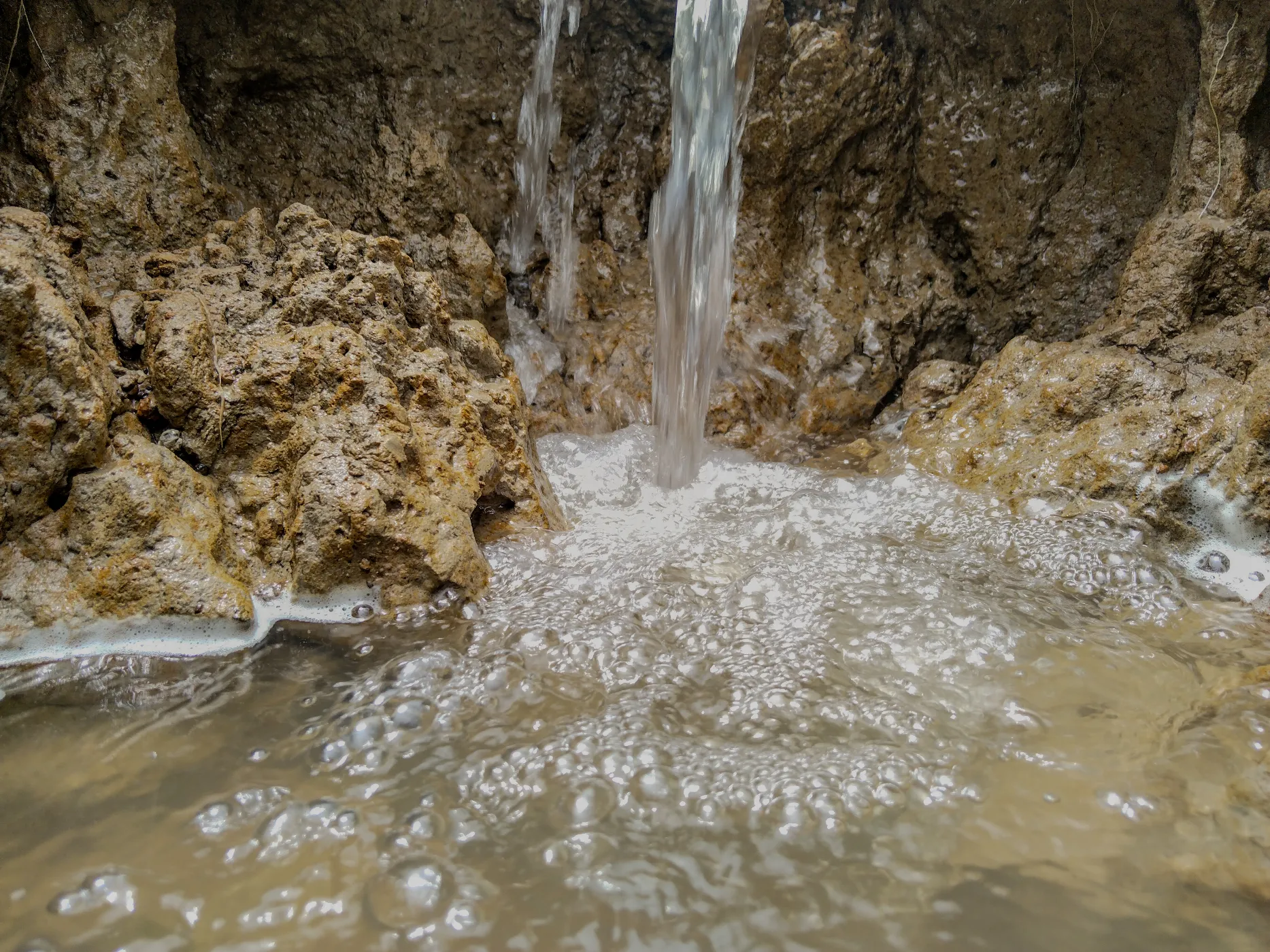
Water erosion: soil destruction by water flows
Photograph of an erosional gully formed by water moving over the land surface. It clearly shows how water gradually washes away soil and forms deepened channels.
What threatens soil health. The main enemies are erosion, compaction, loss of organic matter, salinization, contamination, and excessive tillage. Intensive digging destroys aggregates, kills earthworms and fungal hyphae, and accelerates humus mineralization. Monoculture depletes soil biota. An excess of mineral fertilizers disrupts the balance of the microbial community. Pesticides and fungicides destroy not only pests but also beneficial soil inhabitants (Morgan, 2021; Pavlis, 2020).
How to support soil health. The main strategies are simple: add organic matter (compost, mulch, green manures), minimize tillage, maintain continuous plant cover, diversify crops, and avoid excess fertilizers and pesticides. Healthy soil is a long-term investment. It is not created in one season, but the results pay off with stable yields, less dependence on irrigation and fertilizers, and greater plant resistance to diseases and pests (Chalker-Scott, 2018; Gershuny, 1999).
Note: Scientists increasingly view soil health as part of the concept of “ecosystem services”—the benefits that nature provides to humans. Healthy soil not only produces food but also regulates the water regime, accumulates carbon, supports biodiversity, and decomposes pollutants. Caring for soil is a contribution to the health of the entire ecosystem and future generations (White, 2006; Weil, 2017).

7-in-1 Wi-Fi Weather Station
Monitor local weather conditions with a wireless outdoor sensor. Track temperature, humidity, rainfall, wind speed and direction, and atmospheric pressure. Ideal for gardens, farms and greenhouses.
- Wireless outdoor sensor
- Solar-powered
- Wi-Fi connectivity
Affiliate link · Check regional compatibility.
7. Regional aspect: in different climates, soils form differently
Climate is one of the main soil-forming factors. The ratio of heat and moisture determines the rate of weathering, the intensity of organic matter decomposition, and the direction of nutrient leaching. Therefore, the soils of the tropics, temperate latitudes, arid zones, and cold regions differ dramatically from one another (Foth, 1990; Weil, 2017).

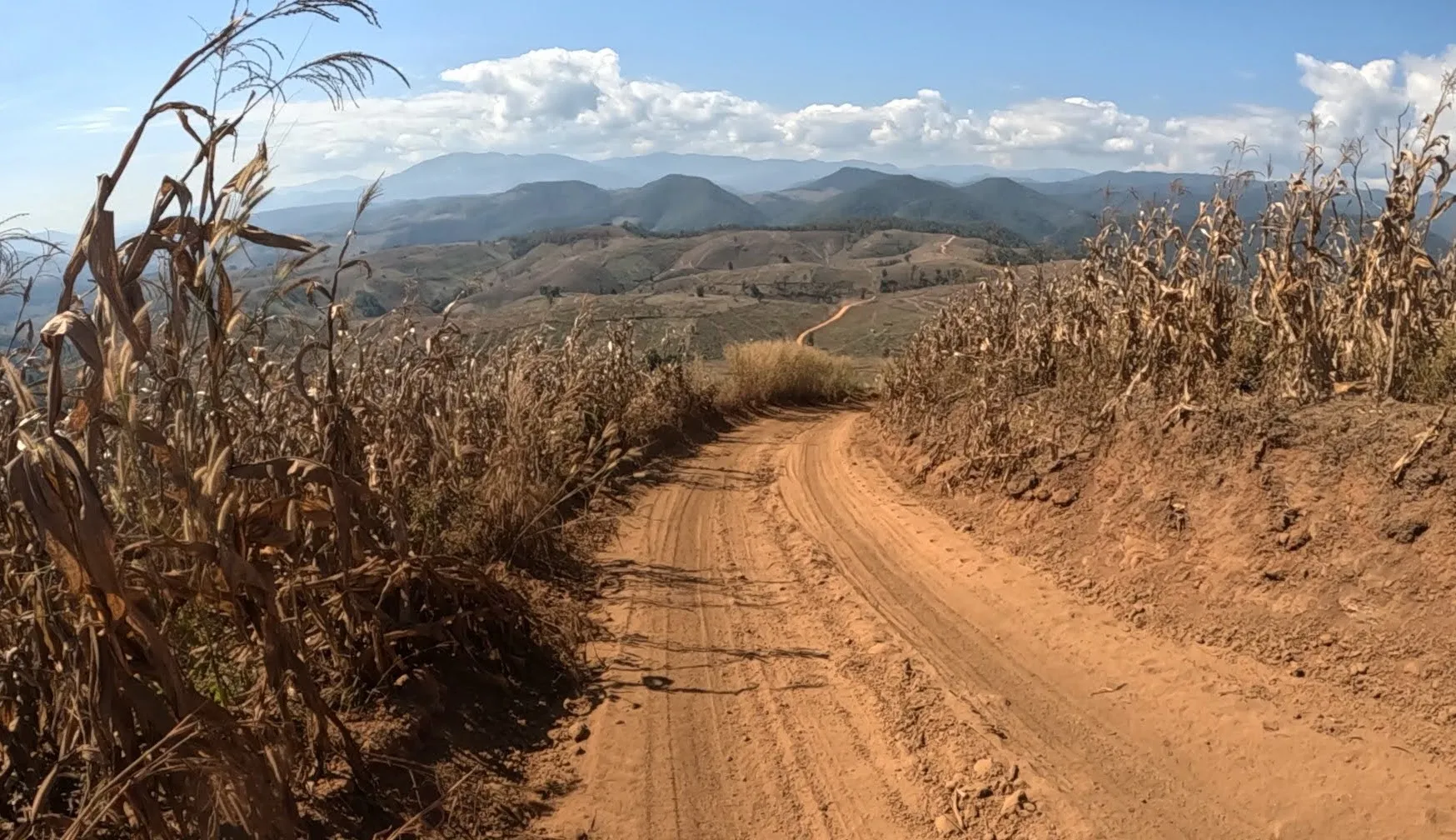
Lateritic soils of tropical highlands
A lateritic dirt road runs through rural countryside during the dry season. The author's description notes that laterite is the predominant surface material of the tropical highlands. Shooting location: highland part of Thailand. The image shows the landscape and lateritic surface rather than a soil profile.
Tropics and subtropics. In a hot and humid climate, weathering proceeds very quickly. Rocks break down rapidly, and organic matter entering the soil is quickly mineralized by microorganisms. As a result, thick, deeply weathered soils form, often poor in humus and nutrients. Clay and bases are leached out, while iron and aluminum accumulate, giving soils a red or yellow color. Such soils are called lateritic or oxisols (Gliessman, 2014; Troeh, 1993). They can be fertile only with a constant input of organic matter, but when forests are cleared for agriculture, they quickly lose fertility. In the tropics, it is especially important to maintain plant cover and return organic residues to the soil; otherwise it degrades within just a few years.
Temperate latitudes. In regions with a temperate climate, where precipitation is distributed more evenly and temperatures are moderate, diverse soils form—from podzolic soils in the forest zone to chernozems in the steppes. Under forest vegetation, organic acids formed during the decomposition of litter leach bases and iron from the upper horizons, creating acidic podzolic soils with a thin humus horizon (Foth, 1990). Under meadow and steppe vegetation, where a mass of roots dies and organic matter accumulates in the upper layer, thick dark humus horizons form—chernozems and chestnut soils, among the most fertile in the world (Gershuny, 1999; Troeh, 1993).

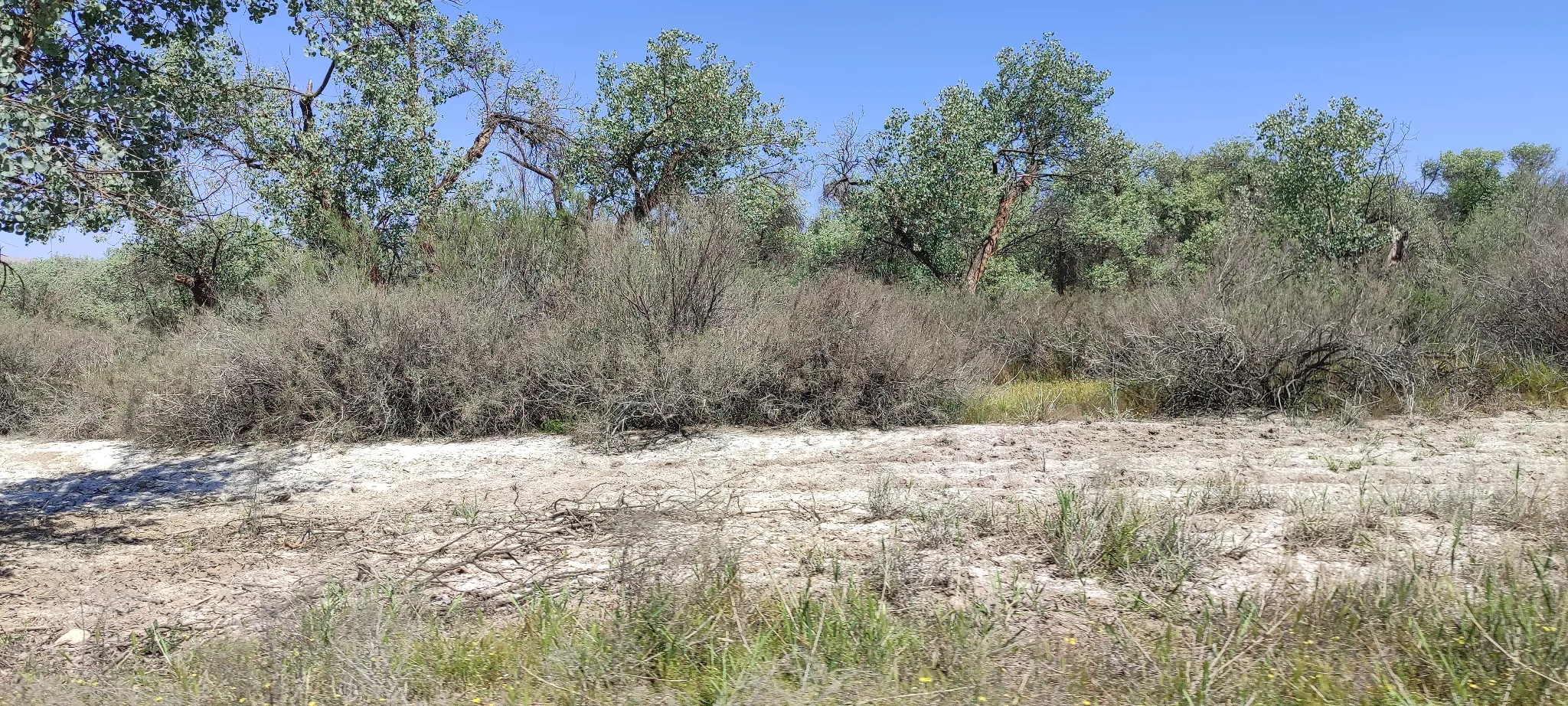
Saline lands of Tigrovaya Balka
The photograph was taken in the territory of the Tigrovaya Balka Nature Reserve, Khatlon Region, Dusti District, Tajikistan.
Arid and semiarid zones. In dry regions, vegetation is sparse, so there is little organic matter in the soil. Evaporation exceeds precipitation, and soluble salts rise to the surface together with capillary moisture, accumulating in the upper horizons. This is how saline and alkaline soils form—solonchaks and solonetz (White, 2006; Gershuny, 1999). They can be fertile under irrigation but require careful management: an excess of salts suppresses plants, and improper irrigation worsens salinization. In arid zones, it is especially important to mulch the soil to reduce evaporation and to use water efficiently.

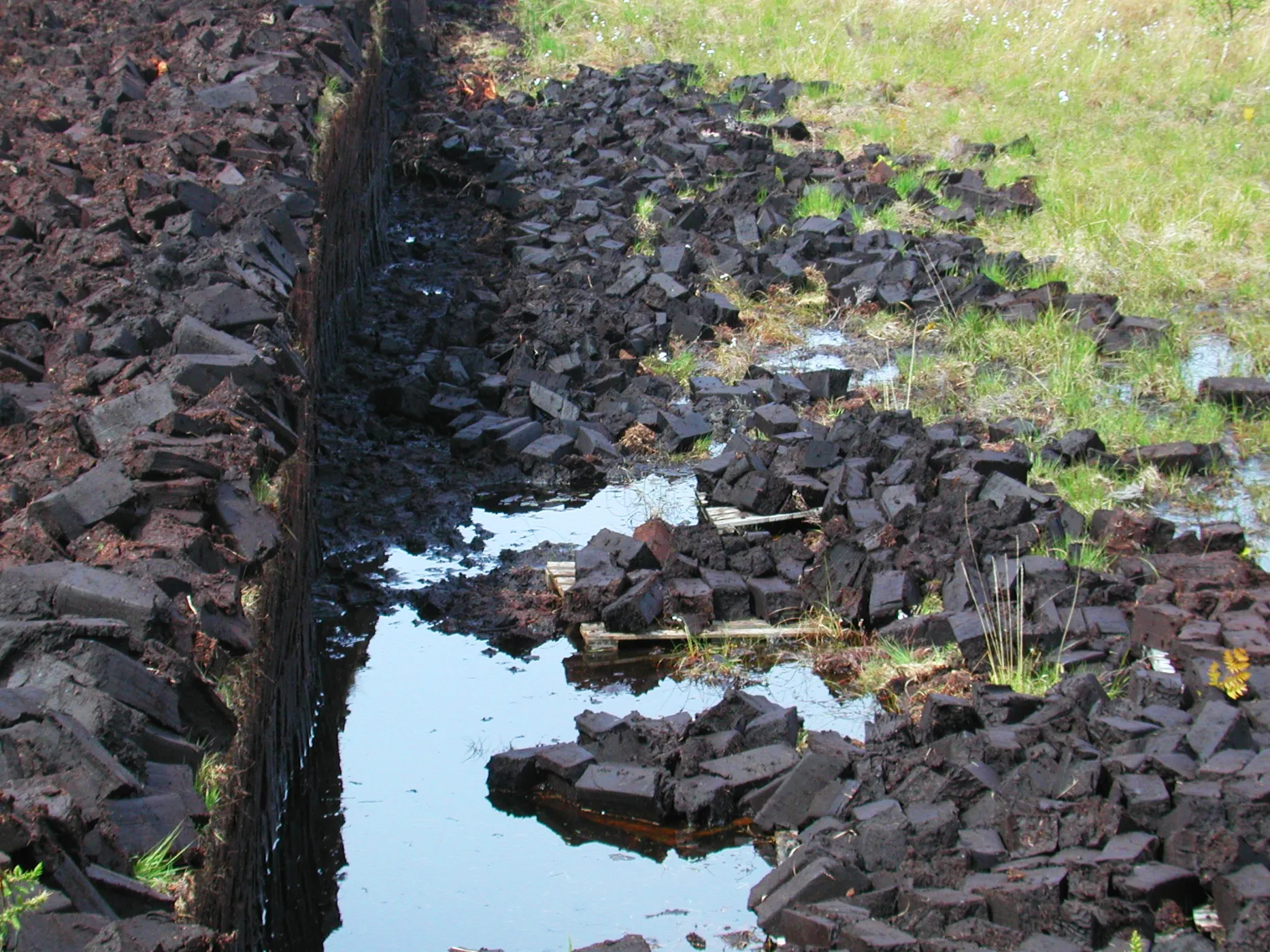
Peatland: a natural system of organic matter accumulation
Landscape of a peat bog where plant remains accumulate under conditions of excessive moisture and slowed decomposition.
Cold regions. In a cold climate, weathering and decomposition processes are slowed. Organic matter accumulates faster than it decomposes, forming thick peat horizons. Such soils are called histosols, or organic soils (Troeh, 1993). They can be very fertile after drainage but require careful handling: when drained, peat mineralizes quickly, and the soil loses volume. Cold regions also commonly have podzolic soils, acidic and poor in nutrients, but with proper management (liming, addition of organic matter) they become productive.
Soils of river valleys and lowlands. In any climatic zone, local conditions overlay topography and drainage. River valleys, floodplains, and deltas receive fresh deposits of silt and organic matter during floods, so their soils are often deeper, richer, and more fertile than watershed soils. An example is the alluvial soils of the Nile Valley, which fed Egypt for centuries (Gershuny, 1999). In lowlands with poor drainage, gley soils form—cold, wet, with signs of gleying (gray-blue spots). They require drainage or the cultivation of moisture-loving crops.
Practical conclusion for the gardener. Understanding regional features helps one choose the right strategy. In the tropics, the main task is to maintain continuous plant cover, mulch, and return organic matter so that the soil does not become depleted. In temperate latitudes, one can create a thick humus horizon through composting and green manuring. In arid zones, it is important to combat salinization, mulch, and use drip irrigation. In cold regions, one must take into account the slow decomposition of organic matter and possible nutrient deficiency. The universal principle is one: work with the soil in harmony with the climate, not against it (Chalker-Scott, 2018; Morgan, 2021).
Note: Even within a single region, soils can vary greatly due to topography, parent material, and land-use history. Therefore, general recommendations are only a starting point. Observation of a specific plot, simple tests, and attention to plant responses are the gardener’s best helpers (Pavlis, 2020; Gershuny, 1999).
8. Summary: soil is the foundation of the garden, and it must be understood, not merely used
Soil is not an inert substrate and not “just earth.” It is a complex, living, dynamic system that breathes, drinks, feeds, and needs care. It forms over thousands of years from rock under the influence of climate, plants, animals, and microbes. It occupies a unique position at the boundary between living and nonliving nature, linking the lithosphere, atmosphere, hydrosphere, and biosphere. It differs from plot to plot and from region to region, and its health is the foundation of garden health.
Key ideas worth remembering.
Soil is an ecosystem. A single teaspoon of healthy soil contains billions of bacteria, millions of fungi, thousands of protozoa and nematodes. These organisms process organic matter, convert nutrients into available forms, form structure, and suppress pathogens. Without them, soil is dead.
Soil is a balance. Minerals, organic matter, air, water, and living organisms are in dynamic equilibrium. Disruption of any component—compaction, loss of humus, waterlogging, contamination—affects everything.
Soil is a slow resource. A centimeter of soil forms over centuries. It can be lost in a few years. Therefore, soil conservation is not a luxury but a necessity.
Soil is the foundation. All the gardener’s efforts—planting, watering, fertilizing—rest on soil. Healthy soil gives plants water, air, nutrition, and protection. Sick soil nullifies any effort.
What a gardener should do. The universal principles are simple and applicable in any climate. Add organic matter: compost, mulch, green manures. Minimize tillage: digging destroys structure and kills soil life. Maintain continuous plant cover: bare soil is vulnerable to erosion and compaction. Diversify crops: different plants support different groups of microorganisms. Avoid excess fertilizers and pesticides: they disrupt the balance. Observe and test: simple tests will help you understand what is happening with the soil (Chalker-Scott, 2018; Pavlis, 2020; Gershuny, 1999).
Soil as a partner. Treating soil as a partner rather than as a resource to be exploited changes everything. Instead of “feeding the plants,” the gardener feeds the soil—and it feeds the plants itself. Instead of fighting weeds and pests with chemicals, the gardener creates conditions for healthy soil life, which naturally regulates pathogen numbers. Instead of relying only on mineral fertilizers, the gardener builds fertility on organic matter and biological processes.
Note: Studies show that soils managed with organic and regenerative methods contain more organic carbon, more active microbial biota, retain water better, and are less prone to erosion (Morgan, 2021; Gershuny, 1999). This is not only beneficial to the gardener but also useful for the climate: healthy soil accumulates carbon, reducing its concentration in the atmosphere.
Conclusion. Soil is the foundation of the garden. It must be understood, not merely used. Understanding how it forms, what it consists of, how it functions, and what makes it healthy is the first step toward successful and sustainable gardening. Further articles in this block will describe specific practices: how to improve soil, how to test it, how to manage organic matter, and how to support soil life. But one should always begin with the main thing—with the awareness that beneath our feet lies a living system on whose health everything else depends.

40W Full Spectrum LED Grow Light
Support healthy plant growth with full-spectrum LED lighting. Ideal for seedlings, indoor plants and small growing spaces. A practical solution for indoor gardening and year-round cultivation.
- Full-spectrum LED
- Energy-efficient design
- Indoor plant growing
Affiliate link · Check actual power and light coverage.
References
- (2014). ‘Soil’, in Agroecology. : CRC Press, 108-123. doi: 10.1201/b17881-13
- (2015). ‘Summary’, in Ingram, D.S., Vince-Prue, Daphne, Gregory, P.J. (ed.) Science and the Garden. The scientific basis of horticultural practice. West Sussex, UK: Royal Horticulture Society. Wiley Blackwell, pp. 75-85.
- Chalker-Scott, Linda (2018). ‘Soil Analysis: What Makes Soil Great?’, in The Science of Gardening. Course Guidebook. Chantilly, Virginia: The Great Courses, pp. 25-36.
- Chalker-Scott, Linda (2018). ‘Soil Preparation and Protection’, in The Science of Gardening. Course Guidebook. Chantilly, Virginia: The Great Courses, pp. 73-80.
- Eash, N.S., Sauer, T.J., O'Dell, D., Odoi, Evah (2016). ‘Introduction to Soil’, in Soil Science Simplified. New Jersey: Wiley Blackwell, ch. 1.
- Foth, H.D. (1990). ‘Soil as a Natural Body’, in Fundamentals of Soil Science. New York: John Wiley & Sons, pp. 11-21.
- Gershuny, Grace, Smillie, Joe (1999). ‘Observing and Evaluating Your Soil’, in The Soul of Soil. A Soil-Building Guide for Master Gardeners and Farmers. Vermont: Chelsea Green Publishing, .
- Gershuny, Grace, Smillie, Joe (1999). ‘Understanding the Soil Ecosystem’, in The Soul of Soil. A Soil-Building Guide for Master Gardeners and Farmers. Vermont: Chelsea Green Publishing, .
- Hemenway, Toby (2009). ‘Bringing the Soil to Life’, in Gaia's Garden. A Guide To Home-Scale Permaculture. : Chelsea Green Publishing, .
- Johnson, Noelle (2025). ‘Building Drought-Resistant Soil’, in The Water-Smart Garden. Beverly, MA: Cool Springs Press, .
- Littlewood, Michael (2007). ‘The Basics’, in The organic gardener's handbook. Ramsbury, Wiltshire: The Crowood Press, pp. 15-22.
- Littlewood, Michael (2007). ‘The Ground’, in The organic gardener's handbook. Ramsbury, Wiltshire: The Crowood Press, pp. 59-102.
- Lowenfels, Jeff, Lewis, Wayne (2010). ‘Classic Soil Science’, in Teaming with Microbes. The Organic Gardener’s Guide to the Soil Food Web. Portland, Oregon: Timber Press, .
- Morgan, Sally (2021). ‘Building a healthy soil’, in The Healthy Vegetable Garden: A natural, chemical-free approach to soil, biodiversity and managing pests and diseases. Vermont, London, UK: Chelsea Green Publishing, .
- Pavlis, Robert (2020). ‘Solving Soil Problems’, in Soil Science for Gardeners. Working with Nature to Build Soil Health. Gabriola Island, BC, Canada: New Society Publishers, pp. 97-178.
- Pavlis, Robert (2020). ‘Understanding Soil’, in Soil Science for Gardeners. Working with Nature to Build Soil Health. Gabriola Island, BC, Canada: New Society Publishers, pp. 9-96.
- Pratt, M.M. (2005). ‘Looking After the Soil – the Balanced Approach’, in Practical Science for Gardeners. Portland, Oregon: Timber Press, pp. 61-80.
- Troeh, F.R., Thompson, L.M. (1993). ‘Soil’, in Soil and Soil Fertility. New York, NY: Oxford University Press, pp. 1-14.
- Weil, R.R., Brady, N.C. (2017). ‘The Soils Around Us’, in The Nature and Properties of Soils. Essex, UK: Pearson Education, pp. 19-50.
- White, R.E. (2006). ‘Soil Quality and Sustainable Land Management’, in Principles and Practice of Soil Science. The Soil as a Natural Resource. Malden, MA: Blackwell Publishing, pp. 333-347.
