
How a Plant Grows
1. Growth is an increase in size and mass

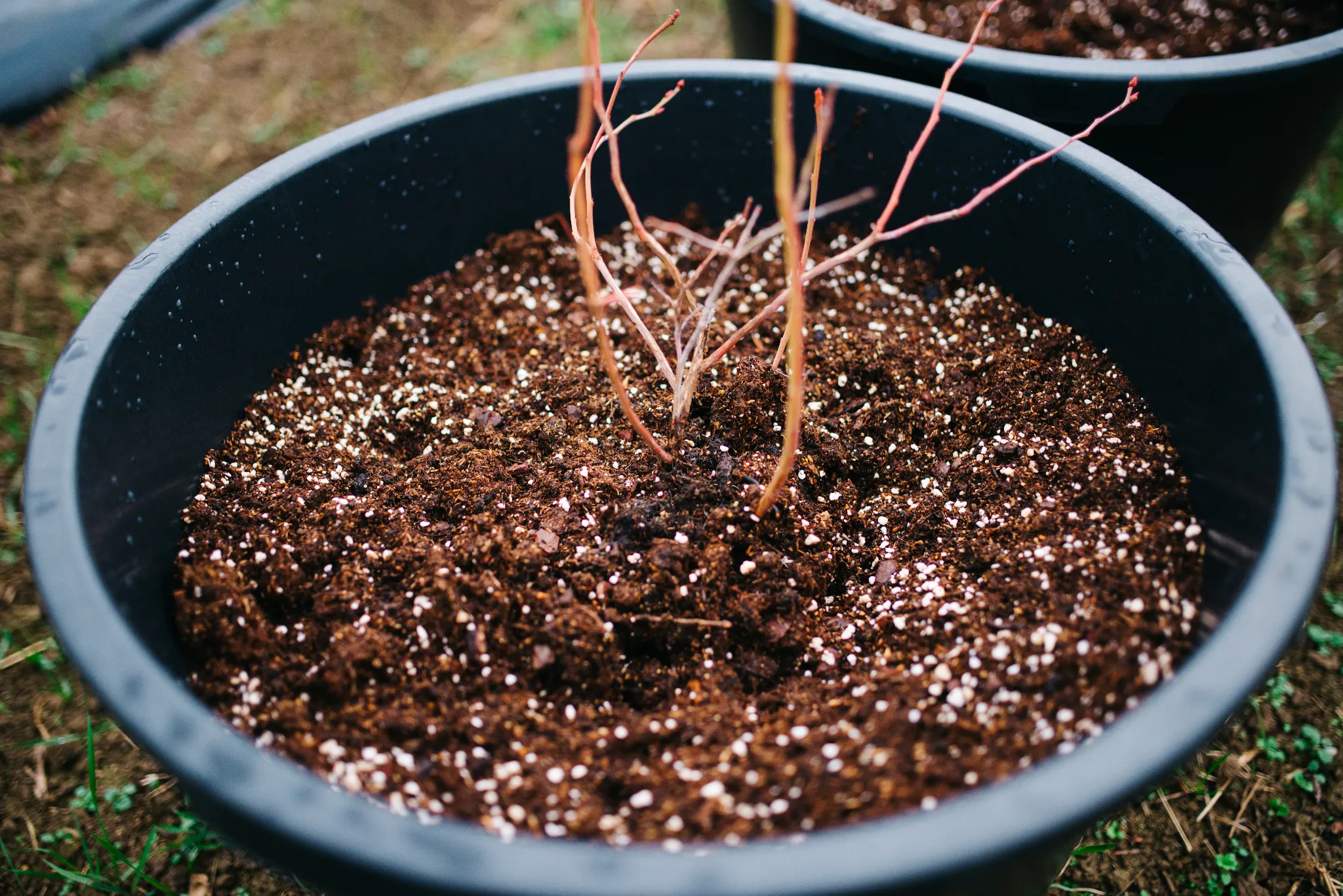
Young shoot emerging from the soil
A young plant breaks through the dark soil in a garden pot.
When we say that a plant is growing, we usually mean that it is becoming taller, wider, and larger. But from a biological point of view, growth is an irreversible increase in the size and mass of the body that occurs through cell division and cell expansion (Medvedev, 2012; Taiz et al., 2023). This is an important clarification: simple seed swelling or water uptake by dry tissues is not yet growth. Growth is the creation of new cells and their subsequent enlargement, which remains with the plant permanently.
In multicellular plants, growth includes two interconnected processes: an increase in the number of cells through division and an increase in the size of the cells themselves through expansion (Taiz et al., 2023). In annual and perennial plants, these processes proceed at different rates and in different parts of the body. For example, in leaves and fruits, cell division predominates first, and then a phase begins in which division stops and expansion starts (Medvedev, 2012). That is why a young leaf first appears tiny and then quickly unfolds and increases severalfold in size.
Plant growth is neither infinite nor uniform. It depends on heredity, environmental conditions, and the physiological state of the organism. In cultivated plants, whether tomato, apple, or wheat, growth is not an end in itself. For a gardener, it is important not simply to grow a large plant but to achieve balanced development, in which a strong vegetative mass is combined with regular and high-quality fruiting (Trunov, 2012; Westwood, 1993). If a plant “runs to foliage” and builds leaves and shoots at the expense of flowering, the harvest may be low. Therefore, understanding the mechanisms of growth is the first step toward managing a garden or vegetable plot.
2. Growth points: the shoot tip and the root tip
Plant growth does not occur over the entire surface. It is concentrated in special zones — meristems. A meristem is a tissue consisting of actively dividing cells that give rise to all organs and tissues of the plant (Evert, 2006; Mauseth, 2017). It is useful for a gardener to know that the main meristems are located at the ends of shoots and roots. They are called apical meristems (from the Latin apex — tip).

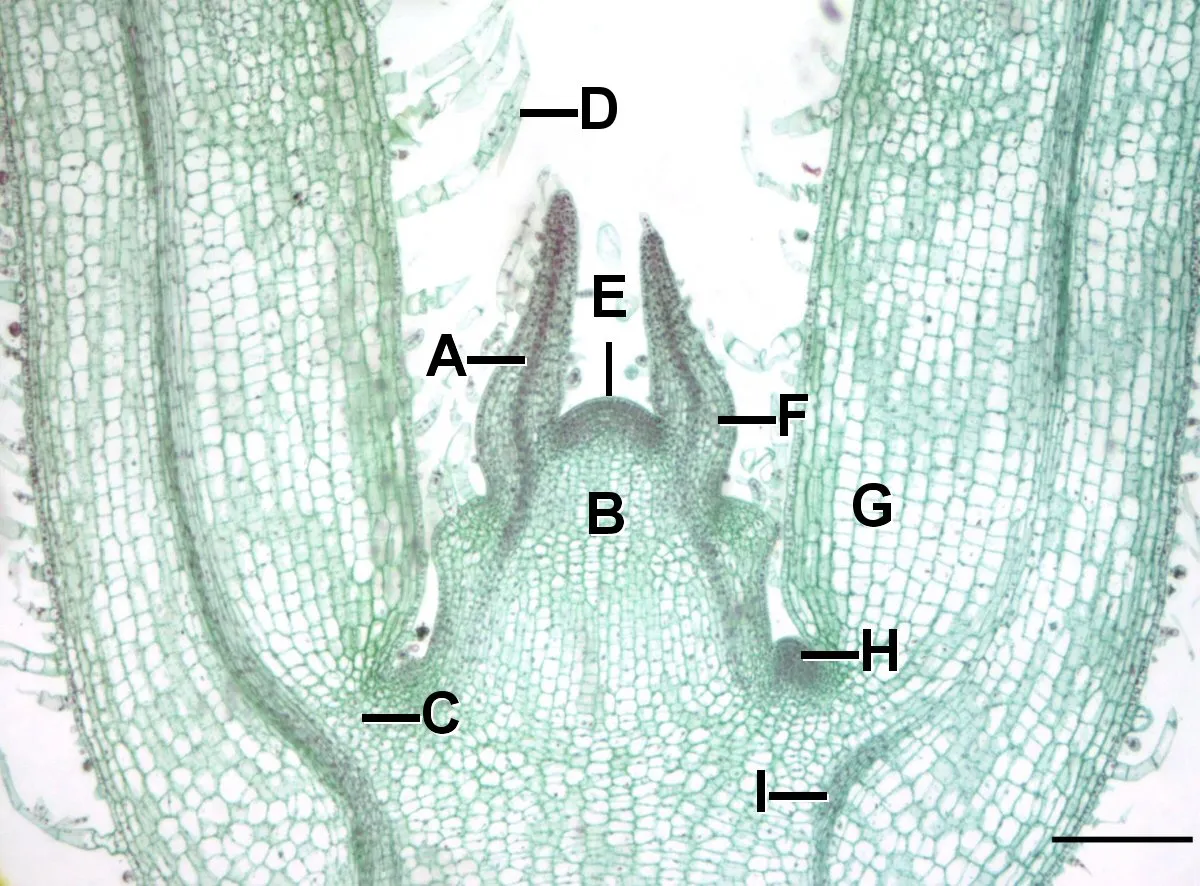
Longitudinal section of the shoot apex of coleus (Coleus)
Micrograph of a shoot apex illustrating the histological structure of the apical zone. Labels: A — procambium; B — ground meristem; C — leaf gap; D — trichome (hair); E — apical meristem; F — developing leaf primordia; G — leaf primordium; H — axillary bud; I — developing vascular tissue.
The tip of a shoot is not only the point from which new leaves and stems appear. Inside the bud, at the very tip, is the growth cone — a group of cells that constantly divide and form the primordia of leaves, nodes, and internodes (Capon, 2022; Zona, 2023). This is where the future structure of the plant is laid down: how many leaves there will be, where lateral buds will appear, and how the branches will be arranged. If the shoot tip is removed, growth in length stops, but lateral buds awaken — the plant begins to branch. This technique, known as pinching, is widely used by gardeners to shape the canopy (Chalker-Scott, 2015; Trannua, 2018).

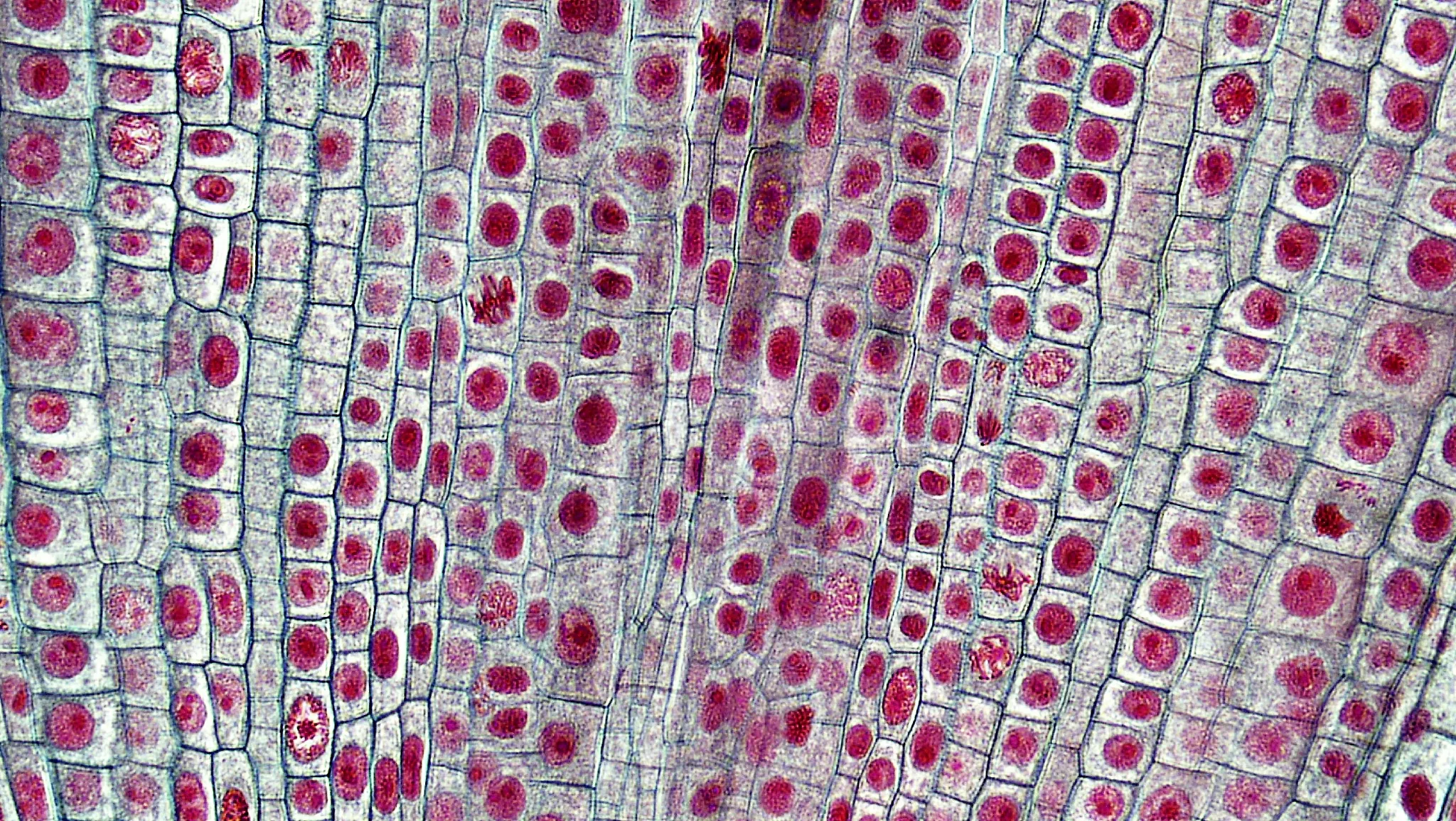
Apical meristem of an onion root
Longitudinal section of the root tip of onion (Allium cepa), demonstrating the apical meristem. Magnification — 100×.
The tip of a root is structured differently but performs the same function — it ensures growth in length. The apical meristem of the root is protected by the root cap, which protects the delicate dividing cells from damage by soil particles (Capon, 2022; Zona, 2023). The root grows downward, toward water and nutrients, and its tip constantly produces new cells. Behind the division zone is the elongation zone, where cells increase in size, and the absorption zone, where root hairs form (Graham et al., 2014). It is the young parts of the root, not the old ones, that absorb water and mineral elements.
It is important to understand that the apical meristems of the shoot and root work in coordination. The shoot tip produces hormones that influence root growth, while the roots, in turn, supply the shoot with water and nutrients and send signals about their condition (Taiz et al., 2023; Lambers & Oliveira, 2019). Disruption of this balance, for example when roots are damaged or shoots are pruned, immediately affects the growth of the whole plant. Therefore, when transplanting, pruning, or watering, it is important to take into account that a plant is a single organism, and its growth is controlled from several key points.


LCD 4-in-1 Soil Tester
Check essential growing conditions with one compact tool. Measure soil pH, moisture, temperature and light intensity — ideal for gardens, potted plants and greenhouses.
- 4-in-1 measurement
- Easy-to-read LCD display
- Portable design
Affiliate link · For indicative measurements only.
3. Cell division and expansion
Plant growth is the result of two successive processes at the cellular level: cell division and their subsequent expansion. Both processes occur in strictly defined zones and obey clear biological regularities.
Cell division occurs in meristems — tissues consisting of actively dividing cells (Evert, 2006). Each division produces two daughter cells: one remains in the meristem and continues to divide, while the other leaves the division zone and begins specialization (Taiz et al., 2023). This maintains a constant supply of young cells for growth.
Cell expansion is the second, no less important stage. A newly formed cell is initially small, but then its volume can increase tens of times (Capon, 2022). This occurs through the entry of water into the central vacuole: the cell swells, and its wall stretches. A key role here is played by expansin proteins, which loosen the bonds between cellulose fibers, allowing the wall to stretch under water pressure (Taiz et al., 2023; Lambers & Oliveira, 2019).

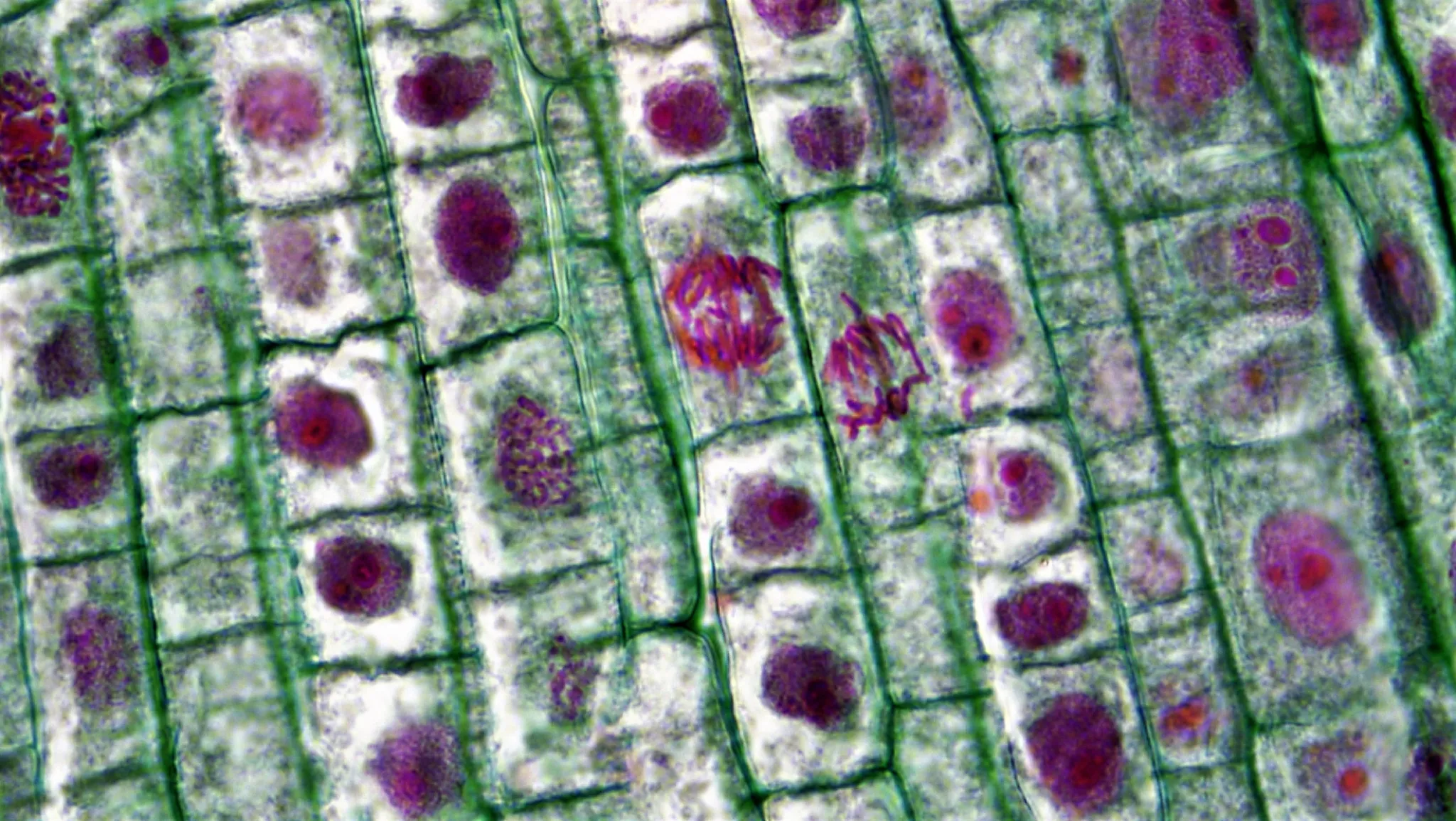
Mitosis in onion root meristem
Micrograph of various stages of mitosis in onion (Allium cepa) root meristem cells. Magnification — 400×.

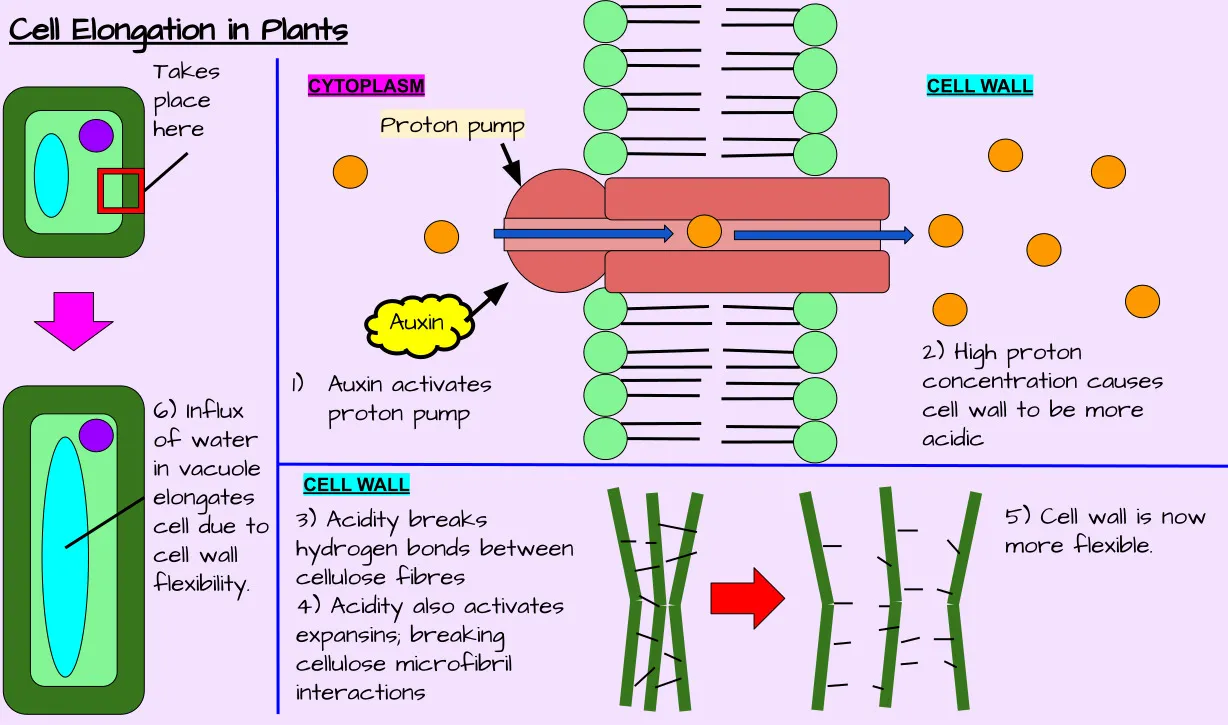
Plant cell elongation
Diagram of plant cell enlargement. It shows how changes in the properties of the cell wall and the entry of water into the vacuole promote cell elongation.
The direction of expansion is set by the orientation of cellulose microfibrils in the cell wall. If the microfibrils are arranged perpendicular to the cell axis, the cell elongates in that direction. This is how elongated cells of stems and roots are formed (Capon, 2022; Evert, 2006).
Note. In the elongation zone of the root, cells lengthen especially quickly — this area is only a few millimeters from the root tip. This is where the root actively moves through the soil (Taiz et al., 2023).
Practical takeaway. Understanding that growth occurs through cell division and expansion explains why young, actively growing shoots are so soft and succulent: their cells have not yet completed expansion and have not accumulated lignin. It is precisely from such shoots that the best cuttings for rooting are obtained (Zona, 2023).
4. The influence of light on growth: etiolation and branching
For a plant, light is not only a source of energy for photosynthesis but also the most important signal controlling the form and direction of growth (Mauseth, 2017). A plant “reads” light and rebuilds its architecture accordingly.
Etiolation (stretching). If seeds germinate in darkness or seedlings end up in deep shade, the plant turns on a “light-seeking” program: stems rapidly lengthen, internodes stretch, and leaves do not develop but remain small and pale (Capon, 2022; Chalker-Scott, 2015). This phenomenon is called etiolation. It is based on the hormone gibberellin, which stimulates cell elongation (Taiz et al., 2023). The plant literally “spends” its reserves on stretching toward the light, often at the expense of strength and fruiting.

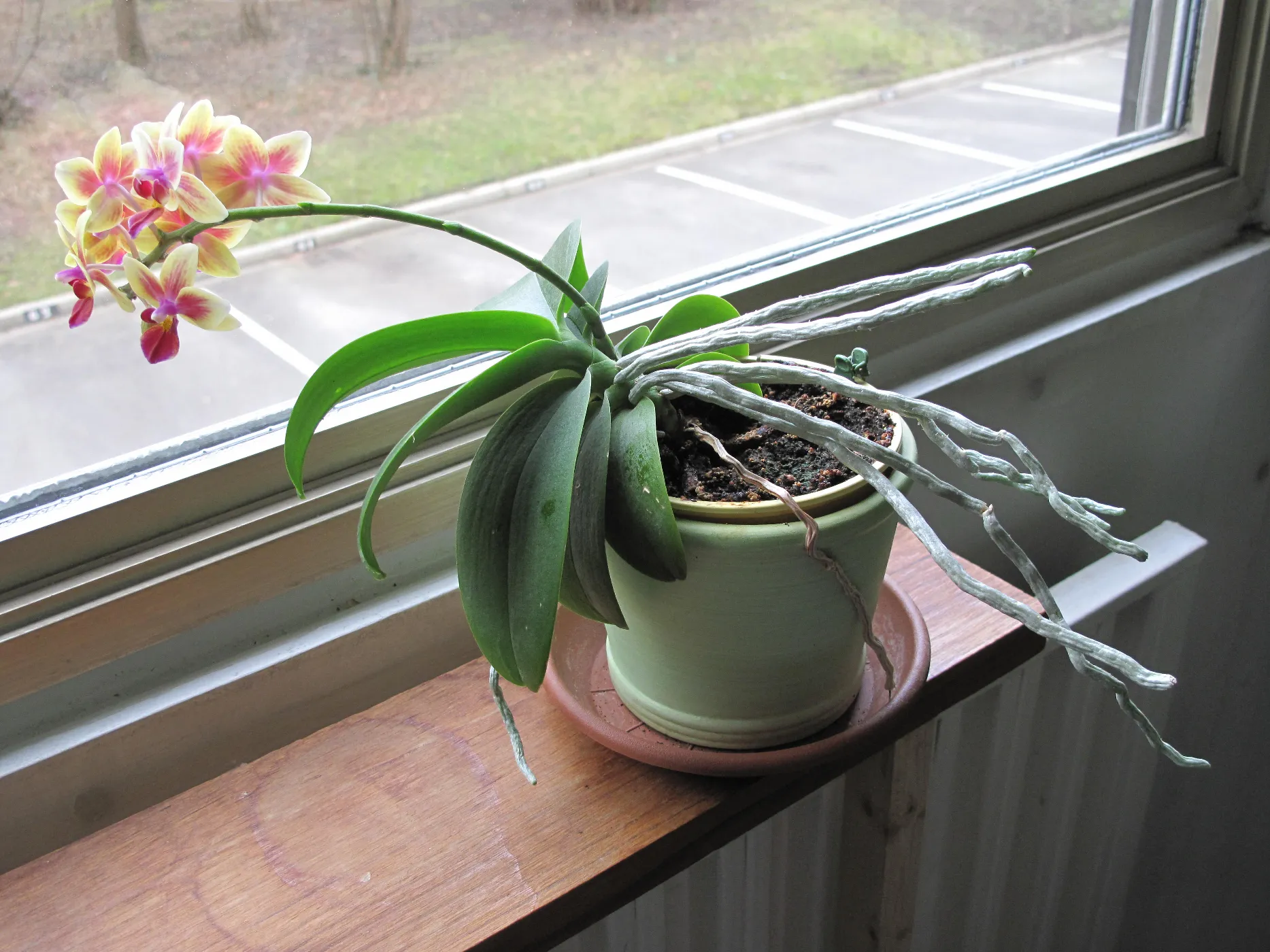
Phototropism in a Phalaenopsis orchid
Example of phototropism in a Phalaenopsis orchid standing on a windowsill. The inflorescence stalk and leaves bend toward the window (toward the light source), while aerial roots show negative phototropism, отклоняясь away from the light.

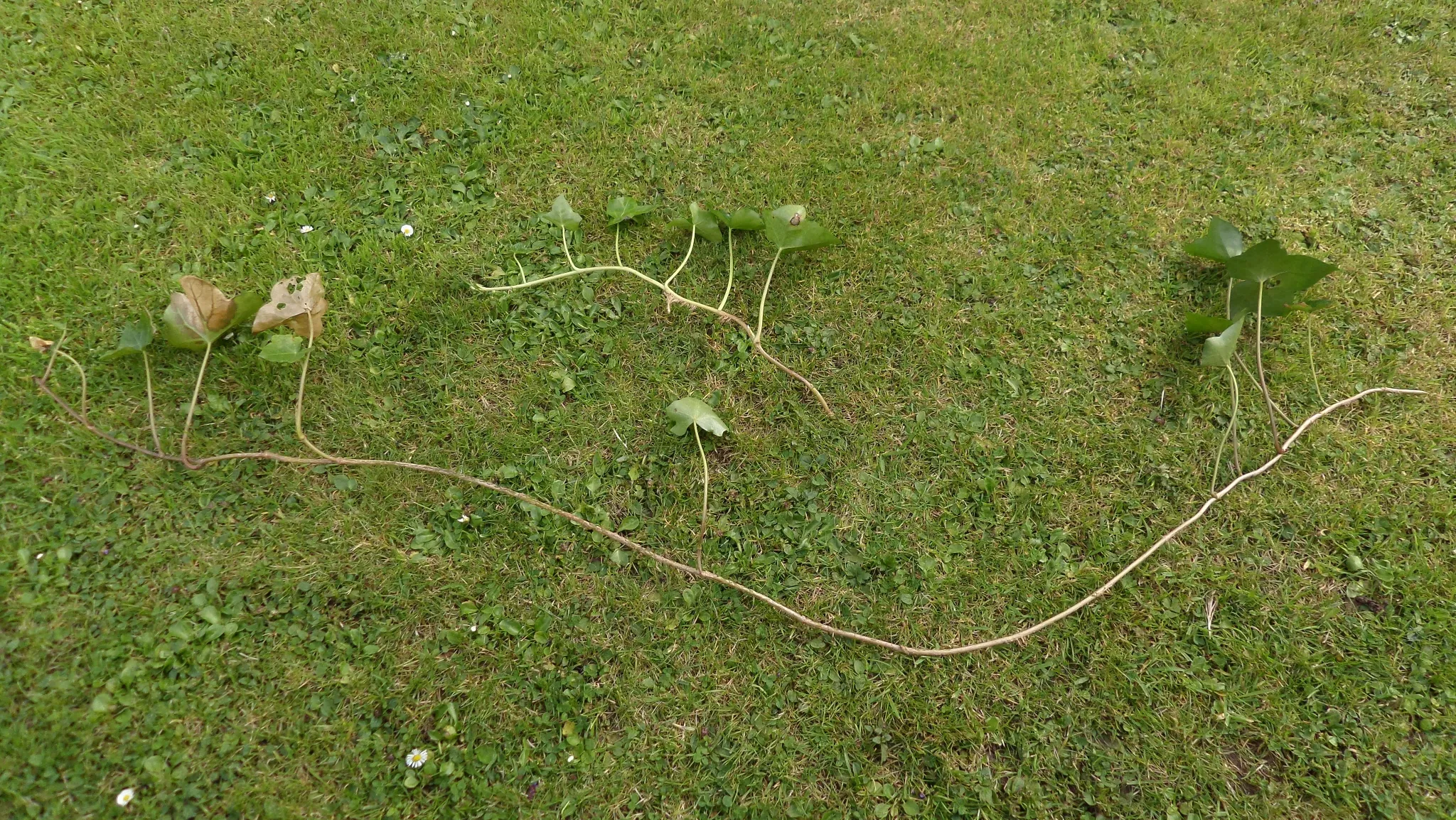
Etiolation: effect of light deficiency
Comparison of two sections of common ivy (Hedera helix): one grew in darkness, the other under illumination. It clearly demonstrates changes in the appearance of the same plant depending on environmental conditions.
Branching and bushing out. With sufficient light, especially in the blue spectrum, growth is distributed differently: the apical bud stops dominating exclusively, and lateral buds awaken. The plant becomes more bushy (Zona, 2023). This is important for gardeners: if plants stretch and do not branch, they often lack light.
The ratio of red to far-red light. Plants distinguish shades of light using phytochrome — a pigment sensitive to red (660 nm) and far-red (730 nm) light (Westwood, 1993; Mauseth, 2017). Under the canopy of other plants, red light is absorbed by leaves, and mainly far-red light reaches the lower tiers. Phytochrome detects this change and triggers the “shade-avoidance response”: stems stretch and branching is suppressed (Ghorbel et al., 2023; Lambers & Oliveira, 2019). That is why dense plantings often produce tall but weak plants with few fruiting branches.
Note. In a dense forest, only about 3% of photosynthetically active radiation reaches soil level (Zona, 2023). Understory plants are forced either to adapt to shade or to stretch rapidly when young.
Practical takeaway. Light controls plant form. If you need a compact, well-branching plant, provide it with sufficient light. If plants are stretching, this is a signal of light deficiency, not of the “wrong” variety. Pinching the tip (removing the apical bud) removes its dominance and forces the plant to branch — this technique is based precisely on the redistribution of light signals and hormones (Chalker-Scott, 2015; Zona, 2023).

Solar Automatic Drip Irrigation Kit for Gardens
Automate watering for pots, gardens and small greenhouses. This solar-powered system features a timer to help schedule water delivery to your plants.
- Solar-powered
- 15 m irrigation hose
- Programmable watering
Affiliate link · Check included accessories.
5. The influence of heat: the sum of active temperatures
Heat is one of the main factors determining the rate of plant growth and development. But plants respond not simply to the air temperature at a given moment, but to the heat accumulated over the season. The concept of the sum of active temperatures (growing degree days, heat units) is used to describe this.
Cardinal temperatures. For each species and even variety, there are three key points: the minimum at which growth is still possible, the optimum — the most favorable temperature, and the maximum above which growth stops (Rubatzky & Yamaguchi, 1997). For most temperate fruit crops, normal growth and development occur at 15…30 °C (Trunov, 2012). At temperatures below 10 °C, growth slows, and above 35 °C, it is suppressed.
The sum of active temperatures is calculated as the sum of average daily temperatures above a certain threshold (usually 5…10 °C) over the entire growing season (Rubatzky & Yamaguchi, 1997). This indicator makes it possible to predict flowering dates, fruit ripening, and other phenological phases. For example, for the Aport apple variety, the optimal sum of biologically active temperatures (above 10 °C) is 2750…3400 °C; with an excess or deficiency of heat, yield drops sharply (Trunov, 2012).
van’t Hoff’s rule (Q₁₀) states that with an increase in temperature by every 10 °C, the rate of chemical reactions and growth increases approximately twofold (Rubatzky & Yamaguchi, 1997). However, this rule works only in the range of 5…35 °C. At too high temperatures, proteins denature, and growth stops. In addition, high temperature increases respiration, which can “consume” more carbohydrates than photosynthesis produces (Westwood, 1993; Lambers & Oliveira, 2019).
Thermoperiodism. Plants need not only an average level of heat but also daily temperature fluctuations. Optimal growth of many crops is observed with warm days and cool nights: at night, respiration decreases, and less stored carbohydrate is used (Rubatzky & Yamaguchi, 1997).
Practical takeaway. In a warm climate, plants grow faster but also “wear out” more quickly: aging accelerates, and water and nutrient consumption is higher. In a cold climate, the season is shorter, and growth is limited by the amount of heat the plant manages to accumulate. Therefore, when choosing crops and varieties, it is important to consider not only minimum winter temperatures but also whether the plant will have enough heat during the season to mature, flower, and produce a harvest (Trunov, 2012; Westwood, 1993).
Note. Winter crops and perennial plants need not only warmth for growth but also cold to break dormancy. For example, budbreak in most apple varieties requires 1000–1600 hours at about 5 °C (Westwood, 1993).
6. The influence of nutrition: nitrogen and growth
Nutrition is one of the most powerful levers for managing growth. Among all elements, it is nitrogen (N) that has the most noticeable effect on vegetative growth.
Liebig’s law of the minimum. Plant growth is determined not by the total amount of nutrients but by the element that is most deficient (Zona, 2023). If the soil has enough phosphorus and potassium but little nitrogen, the plant will grow weakly until it receives nitrogen. This is figuratively represented as a barrel in which each stave is a nutrient element, and the water level is determined by the shortest stave (Zona, 2023).
The role of nitrogen. Nitrogen is part of amino acids, proteins, nucleic acids, and chlorophyll (Capon, 2022). Without it, the construction of new cells is impossible. Therefore, nitrogen is the main “building” element for growth. With sufficient nitrogen, the plant builds green mass: shoots lengthen, and leaves become larger and darker.
Nitrogen and growth. Applying nitrogen fertilizers stimulates vegetative growth, but an excess of nitrogen leads to the opposite effect: the plant “runs to foliage” — it grows a huge number of leaves and shoots at the expense of fruiting (Chalker-Scott, 2018; Martin, 2019). Excess nitrogen also delays tissue maturation and reduces winter hardiness (Trunov, 2012). In addition, plants overfed with nitrogen become more attractive to pests and are more severely affected by diseases (Chalker-Scott, 2018).
Note. The N-P-K ratio in a fertilizer is selected according to the goal. For growth of foliage and shoots, fertilizers with a high nitrogen content are suitable (for example, 20-5-5); for flowering and fruiting, those with a predominance of phosphorus and potassium are suitable (for example, 0-10-10) (Capon, 2022; Chalker-Scott, 2018).
Sources of nitrogen. Nitrogen can come from organic (compost, manure, green manure) and mineral fertilizers. Organic sources release nitrogen slowly as they decompose and improve soil structure (Pavlis, 2020). Mineral fertilizers act quickly but are easily leached and can accumulate as nitrates (Pavlis, 2020).
Practical takeaway. Nitrogen controls growth. If you need a plant to build green mass, give it nitrogen. If you need it to switch to flowering and fruiting, limit nitrogen and provide phosphorus and potassium. Before applying fertilizers, it is desirable to conduct a soil test so as not to act blindly (Chalker-Scott, 2018; Pavlis, 2020).

7-in-1 Wi-Fi Weather Station
Monitor local weather conditions with a wireless outdoor sensor. Track temperature, humidity, rainfall, wind speed and direction, and atmospheric pressure. Ideal for gardens, farms and greenhouses.
- Wireless outdoor sensor
- Solar-powered
- Wi-Fi connectivity
Affiliate link · Check regional compatibility.
7. The influence of water
Water is an obligatory condition for growth. It makes up 70–90% of the mass of living tissues and participates in almost all processes: photosynthesis, transport of nutrients, and maintenance of turgor (Trunov, 2012; Westwood, 1993).
Turgor and cell expansion. Cell growth by expansion is possible only with sufficient water pressure on the cell wall — turgor pressure. If water is insufficient, cells lose turgor, the plant wilts, and growth stops. That is why even a short drought can retard growth for days and weeks (Taiz et al., 2023; Medvedev, 2012).
Water as a transport medium. Nutrients move through the plant only in dissolved form. Water carries mineral elements from the roots to the leaves, and photosynthesis products from the leaves to growth points and storage organs (Capon, 2022).
Transpiration. A plant constantly loses water through stomata — this process is called transpiration. On the one hand, transpiration cools the leaves and creates a water flow that lifts nutrients from the roots. On the other hand, with excessive transpiration, a plant can lose more water than it manages to absorb, leading to dehydration and cessation of growth (Chalker-Scott, 2015; Westwood, 1993).

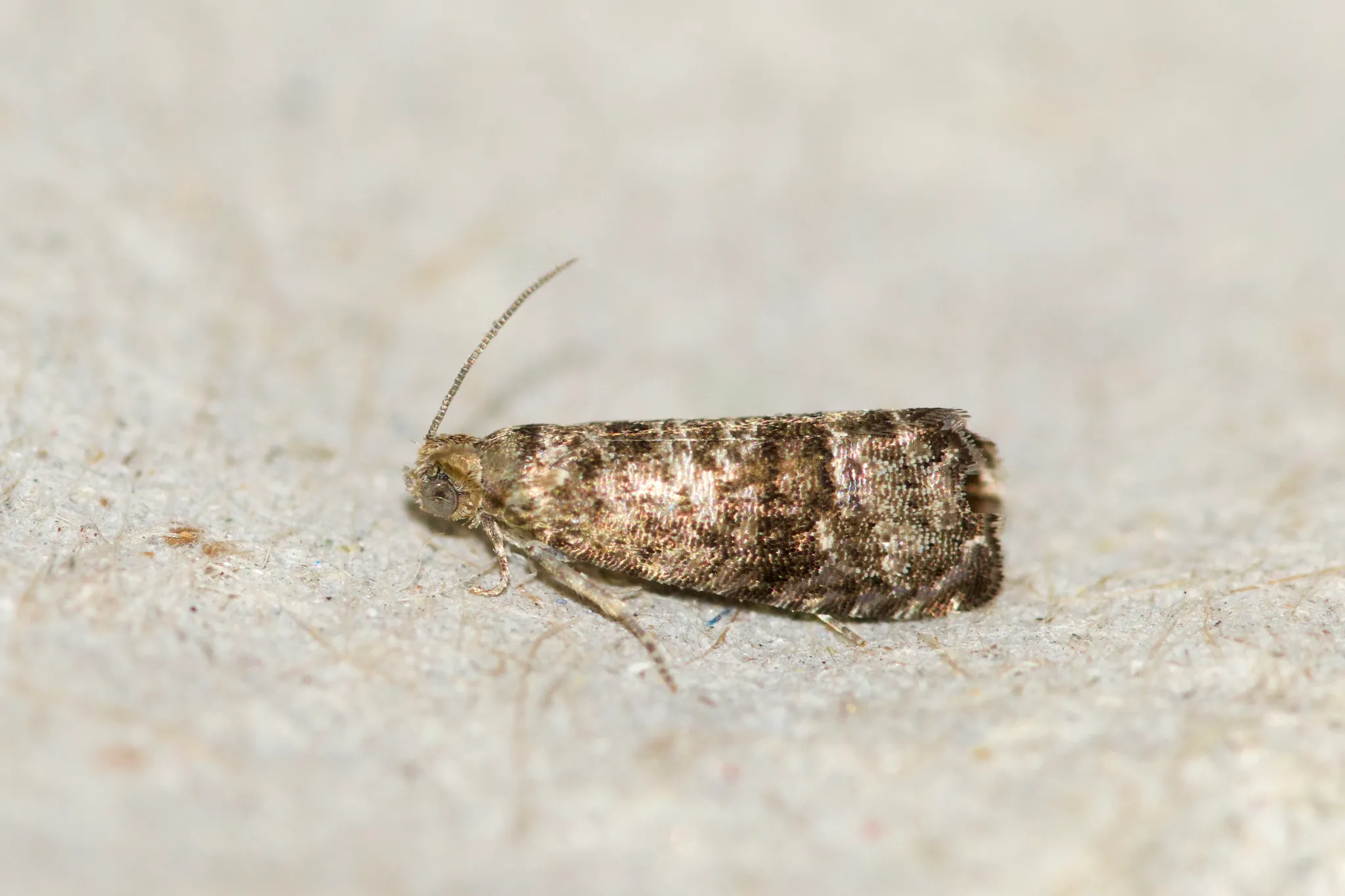
Cherry fruit moth (Aspila packardi)
The image clearly shows the mottled, mosaic brownish-gray wings with transverse streaks characteristic of the species, which in the folded state give the moth an elongated shape. This is a dangerous pest of fruit crops. Larvae of the cherry fruit moth develop inside the fruits of sour cherry, sweet cherry, as well as apples and blueberries, eating the flesh and causing premature fruit drop.
Critical periods. The greatest need for water in fruit and berry crops arises in the first half of the growing season — during flowering, active shoot growth, and fruit set formation (Trunov, 2012). A lack of water during this period leads to fruitlet drop, smaller fruits, and weak growth. In the second half of the season, excess moisture, on the contrary, prolongs growth and reduces winter hardiness (Trunov, 2012; Westwood, 1993).
Note. Water in the soil may be unavailable to a plant even when present in sufficient quantity — for example, in saline soils or under severe compaction. In such cases, the roots physically cannot absorb water, and the plant suffers from physiological drought (Pavlis, 2020; Rubatzky & Yamaguchi, 1997).
Practical takeaway. Watering should be regular and sufficient, but without waterlogging. It is better to water less often but abundantly, so that water penetrates into the root zone rather than remaining on the surface. Mulching helps preserve moisture and smooth out fluctuations (Martin, 2019; Chalker-Scott, 2015).
8. Growth of the aboveground part and roots: balance

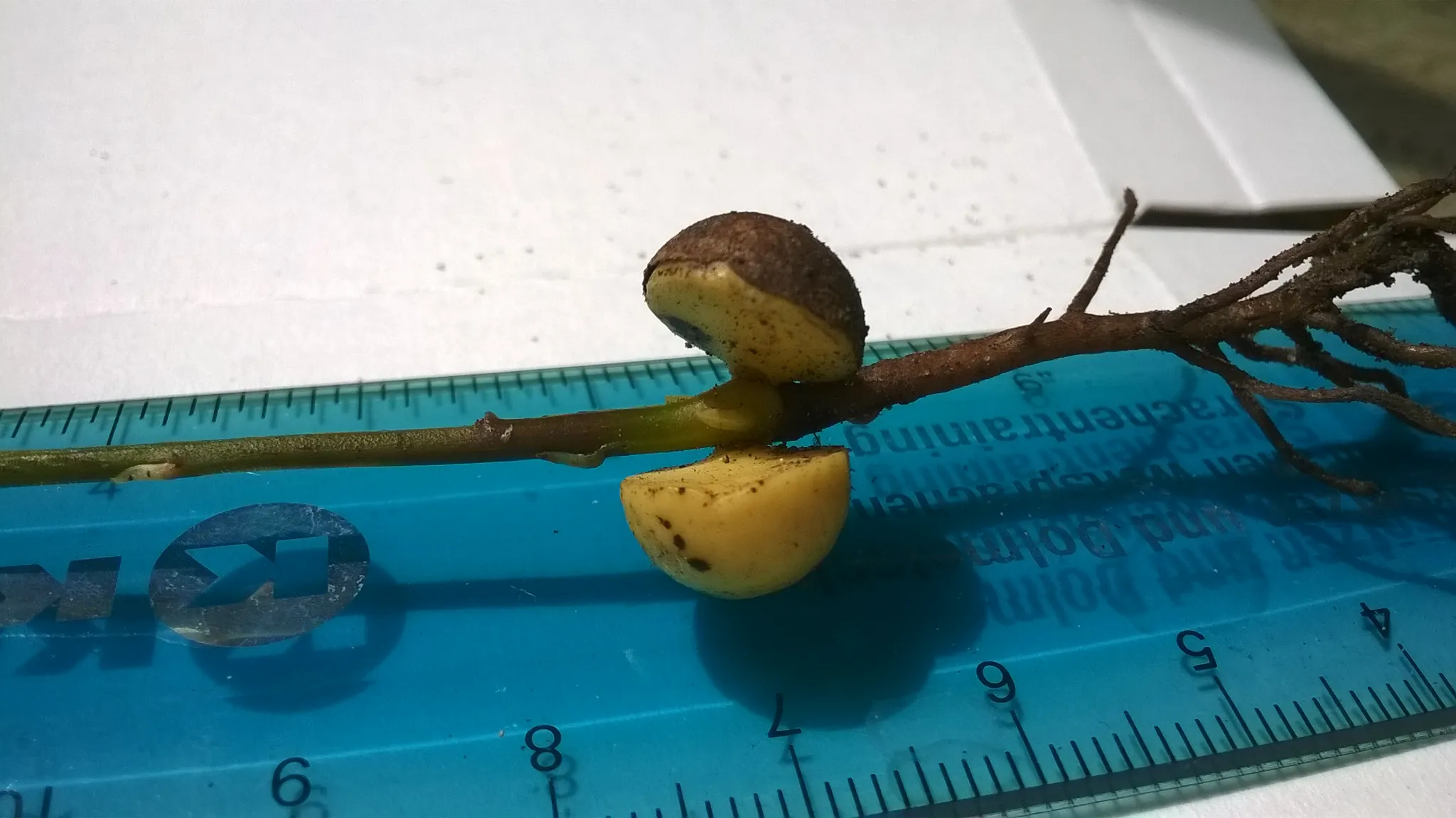
Roots and shoot of a young laurel
A young seedling of bay laurel (Laurus nobilis) removed entirely from the soil. The seed, root, stem, and leaves are clearly visible. The photograph clearly shows that the aboveground and underground parts form a single organism.
The growth of shoots and roots is not two independent processes but two parts of a single system. A plant constantly balances between them, directing resources where they are needed most.
Functional equilibrium. Roots supply the plant with water and mineral elements, while shoots supply products of photosynthesis. If a plant lacks water or nutrition, it begins to grow the root system at the expense of the aboveground part. Conversely, with an excess of nutrition and moisture but insufficient light, the plant invests in the growth of stems and leaves (Lambers & Oliveira, 2019; Medvedev, 2012).
This phenomenon is called functional equilibrium: the ratio of root and shoot mass changes so as to balance the supply of resources from the soil and from the air (Brouwer, 1963; Lambers & Oliveira, 2019).
Root:shoot. The ratio of root to aboveground mass (root:shoot ratio) is an important indicator of plant condition. In young seedlings, roots often predominate. As the plant ages and is shaded by neighboring plants, the share of shoots increases. Under drought or in poor soil, the plant increases the share of roots (Trunov, 2012; Westwood, 1993).
Signals from roots. Roots do not simply “pump” water and nutrients — they actively signal to shoots about the state of the soil. When the soil dries, roots produce abscisic acid (ABA), which rises with the water flow to the leaves and closes stomata, slowing shoot growth (Lambers & Oliveira, 2019; Medvedev, 2012). Thus the plant prepares for drought in advance, without waiting for dehydration.
Practical takeaway. Disruption of the balance between roots and shoots is a common cause of problems in the garden. For example, when digging or damaging roots, the plant loses its ability to obtain water, and the aboveground part begins to suffer. Conversely, severe pruning of shoots disrupts the supply of photosynthesis products to the roots, and they die off (Chalker-Scott, 2015; Martin, 2019). When transplanting seedlings, it is important to preserve as many roots as possible, and when pruning, to observe moderation so as not to disrupt this fragile balance.
Note. Nitrogen fertilizers stimulate shoot growth, but the plant may “forget” about its roots. If the task is to develop a powerful root system, it is better to limit nitrogen and provide phosphorus, potassium, and sufficient moisture (Trunov, 2012; Chalker-Scott, 2018).

40W Full Spectrum LED Grow Light
Support healthy plant growth with full-spectrum LED lighting. Ideal for seedlings, indoor plants and small growing spaces. A practical solution for indoor gardening and year-round cultivation.
- Full-spectrum LED
- Energy-efficient design
- Indoor plant growing
Affiliate link · Check actual power and light coverage.
9. What inhibits growth: cold, drought, deficiency, disease
Growth can slow down or stop under the influence of many factors. Some act quickly and sharply, others gradually, but the result is the same: the plant does not realize its potential.
Cold. Low temperatures inhibit all biochemical reactions. At temperatures below 5–10 °C, growth in most heat-loving crops practically stops (Rubatzky & Yamaguchi, 1997). Roots are especially vulnerable: cold soil reduces their ability to absorb water and nutrients, even if moisture is sufficient (Lambers & Oliveira, 2019). Late spring frosts damage young shoots, flowers, and fruitlets — this is one of the main causes of yield loss in a temperate climate (Trunov, 2012). Cold also slows the decomposition of organic matter and the release of nitrogen from the soil, which indirectly inhibits growth (Pavlis, 2020).

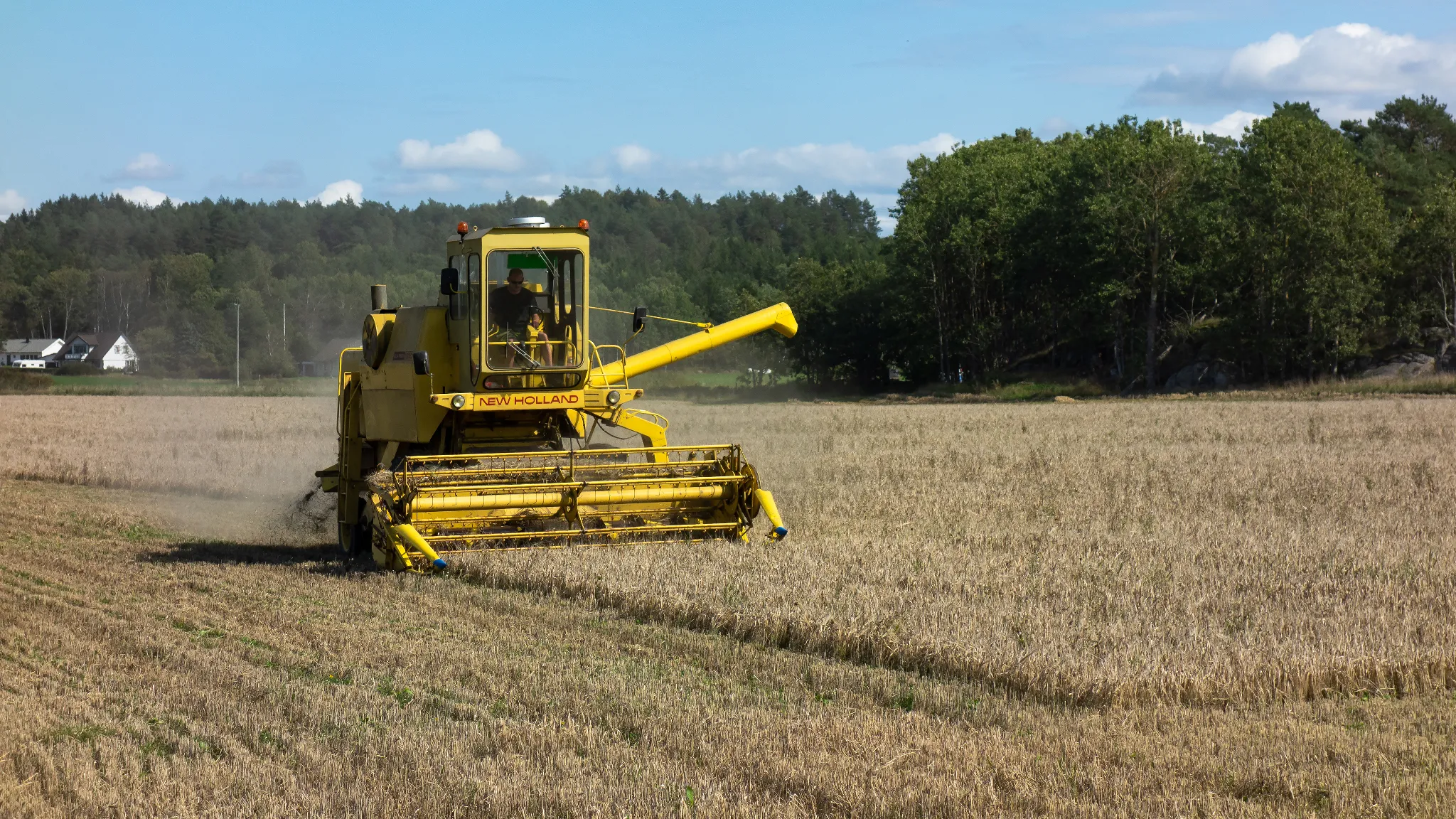
Oats after the dry summer of 2018
Drought. Lack of water is the fastest way to stop growth. As soon as turgor falls, cells lose the ability to expand, stomata close, and photosynthesis slows (Taiz et al., 2023; Medvedev, 2012). Roots signal to shoots using abscisic acid, and the plant deliberately limits aboveground growth in order to survive (Lambers & Oliveira, 2019). Even a short drought during a critical period — during flowering or fruit set — can lead to irreversible yield losses (Trunov, 2012).
Nutrient deficiency. A shortage of any element inhibits growth. Nitrogen starvation manifests as pale leaves and weak shoot growth; phosphorus deficiency as dark green coloration with a purple tinge and poor root development; potassium deficiency as marginal leaf “scorch” (Capon, 2022; Chalker-Scott, 2018). Micronutrients (iron, magnesium, manganese) are needed in small amounts, but their deficiency causes chlorosis and growth suppression (Trunov, 2012). It is important to remember: a deficiency may not be absolute but caused by an unsuitable soil pH at which the element becomes unavailable (Pavlis, 2020).
Diseases and pests. Pathogens and insects take resources from the plant, damage tissues, and block vascular vessels. Root rots destroy the root system, leaf spots reduce the area of photosynthesis, and aphids and mites suck out sap (Chalker-Scott, 2015; Martin, 2019). A weakened plant becomes even more vulnerable — a vicious cycle arises.
Note. Often a plant’s “disease” is not an infection but a consequence of improper conditions: waterlogging, soil compaction, or excess fertilizer. Before treating, it is worth checking the conditions (Pavlis, 2020; Chalker-Scott, 2018).
Practical takeaway. Any of these factors can negate all efforts. The best strategy is prevention: selection of resistant varieties, proper watering, balanced nutrition, mulching, and protection from frost (Trunov, 2012; Martin, 2019).
10. How to manage growth: pruning, pinching, fertilizing
Growth can and should be managed. A gardener has three main tools: pruning, pinching, and fertilizing.


Pruning an apple tree
Pruning an apple tree (Malus domestica) is an example of practical management of the number of branches and growth points. The photograph well complements the explanation of how removing part of the shoots helps regulate crown development.
Pruning. Removing branches solves two tasks: it regulates canopy light and redistributes resources. By removing part of the shoots, we reduce the number of growth points, and the remaining ones receive more nutrition and light (Trannua, 2018; Westwood, 1993). Pruning also removes apical dominance: after the tip is removed, lateral buds awaken, and the plant becomes more branched (Zona, 2023; Chalker-Scott, 2015). However, it is important to observe moderation: severe pruning stimulates vigorous vegetative growth at the expense of fruiting (Martin, 2019; Kurennoy, 1985).
Pinching. This is the removal of the tip of a young shoot. Pinching not only removes apical dominance but also directs resources into forming fruits. In tomatoes, peppers, and eggplants, pinching the main stem accelerates ripening and increases yield (Capon, 2022; Chalker-Scott, 2018). In fruit crops, pinching strong shoots limits their growth and promotes the setting of flower buds (Trunov, 2012).
Fertilizing. Nitrogen stimulates vegetative growth, while phosphorus and potassium stimulate flowering and fruiting (Capon, 2022; Chalker-Scott, 2018). When applying fertilizers, it is important to consider the developmental phase: in spring and early summer, the plant needs nitrogen for growth; in the second half of the season, nitrogen is limited so as not to prolong growth and reduce winter hardiness (Trunov, 2012; Westwood, 1993). Organic fertilizers (compost, manure, green manure) act slowly but improve the soil in the long term; mineral fertilizers act quickly but require caution (Pavlis, 2020).
Note. Before applying fertilizers, it is desirable to conduct a soil test. An excess of nutrients is just as harmful as a deficiency: it causes excessive vegetative growth, nitrate accumulation, and water pollution (Chalker-Scott, 2018; Pavlis, 2020).
Water as a tool. Regular but moderate watering maintains stable growth. Sharp fluctuations in moisture are harmful: they cause fruit cracking, fruitlet drop, and stress (Martin, 2019).
Practical takeaway. Managing growth is a balance. Pruning and pinching limit vegetative growth and direct energy into fruiting. Fertilizing and watering maintain the necessary level of nutrition and moisture. The gardener’s task is not to “force” the plant to grow as strongly as possible but to help it distribute resources wisely: between growth, fruiting, and preparation for winter (Trunov, 2012; Chalker-Scott, 2015).
11. Regional aspect: in a warm climate growth is faster but wear is greater; in a cold climate the season is shorter
The climate of a region is the framework within which all growth processes fit. The same variety behaves differently under different conditions, and understanding regional characteristics helps a gardener avoid mistakes.
Warm climate: speed and cost. In warm regions with a long growing season, plants grow faster, enter fruiting earlier, and produce higher yields (Trunov, 2012; Rubatzky & Yamaguchi, 1997). However, this speed has a downside. Accelerated metabolism means more intensive respiration and consumption of stored substances. The plant “wears out” faster: it ages earlier, suffers more from crop overload, and tolerates stress worse (Westwood, 1993; Kurennoy, 1985). In addition, in a warm climate, pest and disease pressure is often higher, and soils are often poorer in organic matter due to rapid decomposition (Chalker-Scott, 2018; Pavlis, 2020).
Note. In the tropics and subtropics, many fruit crops do not have a pronounced dormant period, and their growth continues continuously. This requires constant attention to nutrition and pruning; otherwise, plants quickly become exhausted (Westwood, 1993).
Cold climate: a short season and a survival strategy. In regions with cold winters, the growing season is shorter, the sum of active temperatures is lower, and plants are forced to “fit” into a compressed timeframe (Rubatzky & Yamaguchi, 1997; Trunov, 2012). Growth begins later, ends earlier, and annual increment is often less than in warm regions. But plants in a cold climate have an important advantage: they tolerate winter stress better and are often more long-lived (Westwood, 1993; Kurennoy, 1985). However, timing is critical here: if a plant does not manage to mature before the cold, it may die in winter. Therefore, in a cold climate, it is especially important to limit late nitrogen fertilizing and watering in the second half of the season (Trunov, 2012).
Transitional zones. A temperate climate with cold winters and warm summers is most favorable for most fruit and berry crops. Here the balance between growth rate and longevity is optimal (Westwood, 1993; Trunov, 2012).
Note. In addition to temperature, other regional factors are important: day length, air humidity, wind strength, and soil type. For example, in coastal areas with mild winters and cool summers, many crops grow more slowly, but the fruits are of higher quality (Westwood, 1993).
Practical takeaway. There is no universal “ideal” climate. In a warm region, it is necessary to compensate for accelerated wear: prune more often, monitor nutrition and disease protection more carefully. In a cold region, make maximum use of the short season: choose early varieties and correctly calculate planting and fertilizing dates. In any case, observing the plant and adapting practices to local conditions is more important than following general recommendations (Chalker-Scott, 2015; Martin, 2019).
12. Summary: growth can be managed if you understand the factors
Plant growth is not a chaotic process but the result of the interaction of many factors, each of which can be controlled to one degree or another.
What we have learned. Growth begins with cell division in meristems and continues through cell expansion (Evert, 2006; Taiz et al., 2023). Light sets the form: with insufficient light, the plant stretches; with sufficient light, it branches (Mauseth, 2017; Zona, 2023). Heat determines the rate of all reactions and the length of the season (Rubatzky & Yamaguchi, 1997; Trunov, 2012). Nitrogen stimulates vegetative growth, but its excess harms fruiting (Capon, 2022; Chalker-Scott, 2018). Water maintains turgor and transport of substances, and its lack stops growth (Taiz et al., 2023; Medvedev, 2012). Roots and shoots are in constant balance, and disruption of this equilibrium leads to problems (Lambers & Oliveira, 2019; Brouwer, 1963).
Key principle. Growth is not an end in itself. Powerful vegetative growth does not mean a high harvest. On the contrary, excessive growth often comes at the expense of fruiting: the plant “runs to foliage,” grows leaves and shoots, but does not lay flower buds (Trunov, 2012; Martin, 2019). The gardener’s goal is not maximum growth but balanced growth: sufficient for forming the canopy and leaf apparatus, but not at the expense of fruiting and preparation for winter (Kurennoy, 1985; Westwood, 1993).
Management tools. Pruning and pinching limit growth and redistribute resources. Fertilizing corrects nutrition in the desired direction. Watering maintains water balance. Mulching smooths out fluctuations in temperature and moisture. Protection from diseases and pests preserves the plant’s strength (Chalker-Scott, 2015; Martin, 2019; Trannua, 2018).
What is important to remember. No two gardens are alike. What works in one region may not work in another. Observation, analysis, and willingness to adapt are the gardener’s main tools. Understanding the biology of growth provides the key to making correct decisions: when to prune, what to fertilize with, how much to water, and how to prepare the plant for winter (Chalker-Scott, 2018; Pavlis, 2020).
Note. Even experienced gardeners sometimes act by habit without checking whether a technique meets the plant’s needs. The science of plant growth is not a dogma but a basis for informed decisions. The best gardener is the one who observes and thinks (Chalker-Scott, 2015; Zona, 2023).
Practical takeaway. Growth can and should be directed. By understanding the factors that influence it, a gardener can achieve harmony: a strong, healthy plant that fruits reliably and pleases the eye. Growth is not something that simply “happens” to a plant; it is something a gardener can consciously shape (Trunov, 2012; Capon, 2022).
References
- (2015). ‘Size and form’, in Ingram, D.S., Vince-Prue, Daphne, Gregory, P.J. (ed.) Science and the Garden. The scientific basis of horticultural practice. West Sussex, UK: Royal Horticulture Society. Wiley Blackwell, pp. 166-174.
- Capon, Brian (2022). ‘How Plants Function’, in Botany for Gardeners. An Introduction to the Science of Plants. Portland, Oregon: Timber Press, pp. 144-192.
- Capon, Brian (2022). ‘The Structure and Growth of Plants’, in Botany for Gardeners. An Introduction to the Science of Plants. Portland, Oregon: Timber Press, pp. 11-87.
- Chalker-Scott, Linda (2015). ‘Under the Microscope’, in How Plants Work. Portland, London: Timber Press, pp. 14-37.
- Chalker-Scott, Linda (2018). ‘Aftercare for New Plants’, in The Science of Gardening. Course Guidebook. Chantilly, Virginia: The Great Courses, pp. 98-106.
- Chalker-Scott, Linda (2018). ‘Plant Nutrition: Evidence-Based Fertilizing’, in The Science of Gardening. Course Guidebook. Chantilly, Virginia: The Great Courses, pp. 107-116.
- Evert, R.F. (2006). ‘Structure and Development of the Plant Body — An Overview’, in Esau's Plant Anatomy: Meristems, Cells, and Tissues of the Plant Body: Their Structure, Function, and Development. Hoboken, New Jersey, USA: John Wiley & Sons, Inc., pp. 1-13.
- Ghorbel, Mouna, Brini, F., Brestic, Marian, Landi, Marco (2023). ‘Interplay between low light and hormone-mediated signaling pathways in shade avoidance regulation in plants’, Plant Stress, 9(0), 100178. doi: 10.1016/j.stress.2023.100178
- Graham, L.E., Graham, J.M., Wilcox, L.W. (2014). ‘Plant Structure, Growth, and Development’, in Plant Biology. Harlow: Pearson Education Limited, pp. 165-181.
- Johnson, Noelle (2023). ‘Choosing the Right Plants for Hot, Arid Regions’, in Dry Climate Gardening. Beverly, MA: Cool Springs Press, .
- Lambers, Hans, Oliveira, R.S. (2019). ‘Growth and Allocation’, in Plant Physiological Ecology. Cham: Springer International Publishing, 385-449. doi: 10.1007/978-3-030-29639-1_10
- Martin, Orin (2019). ‘How You Grow a Tree’, in Fruit Trees for Every Garden. New York: The Speed Press, ch. 5.
- Mauseth, J. D. (2017). ‘Development and Morphogenesis’, in Botany: An Introduction to Plant Biology. Burlington, MA: Jones & Bartlett Learning, ch. 14.
- Pavlis, Robert (2020). ‘Solving Soil Problems’, in Soil Science for Gardeners. Working with Nature to Build Soil Health. Gabriola Island, BC, Canada: New Society Publishers, pp. 97-178.
- Pratt, M.M. (2005). ‘From Seed to Senescence’, in Practical Science for Gardeners. Portland, Oregon: Timber Press, pp. 43-60.
- Rubatzky, V.E., Yamaguchi, Mas (1997). ‘Environmental Factors Influencing the Growth of Vegetables’, in World Vegetables. Boston, MA: Springer US, pp. 59-80. doi: 10.1007/978-1-4615-6015-9_6
- Taiz, Lincoln, Møller, I.Max, Murphy, Angus, Zeiger, Eduardo (2023). ‘Plant and Cell Architecture’, in Plant Physiology and Development. New York, NY: Oxford University Press, pp. 3-44.
- Westwood, M.Neil (1993). ‘General Environment’, in Temperate-zone. Pomology. Physiology and Culture. Portland, Oregon: Timber Press, pp. 29-47.
- Zona, Scott (2026). ‘Plant Parts and What They Do’, in A Gardener's Guide to Botany. Beverly, MA: Cool Springs Press, .
- Zona, Scott (2026). ‘What a Plant Needs: Light’, in A Gardener's Guide to Botany. Beverly, MA: Cool Springs Press, .
- Zona, Scott (2026). ‘What a Plant Needs: Nutrients’, in A Gardener's Guide to Botany. Beverly, MA: Cool Springs Press, .
- Куренной, Н.М. (1985). ‘Краткая биологическая и производственная характеристика плодовых растений [Brief biological and production characteristics of fruit plants]’, in Плодоводство [Fruit growing]. Москва: Агропромиздат, pp. 27-67.
- Медведев, С.С. (2012). ‘Физиология роста и развития растений [Physiology of plant growth and development]’, in Физиология растений [Physiology of plants]. Санкт-Петербург: БХВ-Петербург, pp. 329-384.
- Траннуа, Павел (2018). ‘Обрезка садовых растений [Pruning garden plants]’, in Сад и огород в рисунках и комиксах: полная наглядная энциклопедия [The Garden and Vegetable Patch in Drawings and Comics: A Comprehensive Visual Encyclopedia]. Москва: Издательство «Э», pp. 113-116.
- Трунов, Ю.В., Самощенков, Е.Г., Дорошенко, Т.Н. (2012). ‘Биологические основы плодоводства [Biological foundations of fruit growing]’, in Плодоводство [Fruit growing]. Москва: КолосС, pp. 3-123.
