
What a Plant Is: A Living Organism, Not a Green Object
1. A plant is a living organism

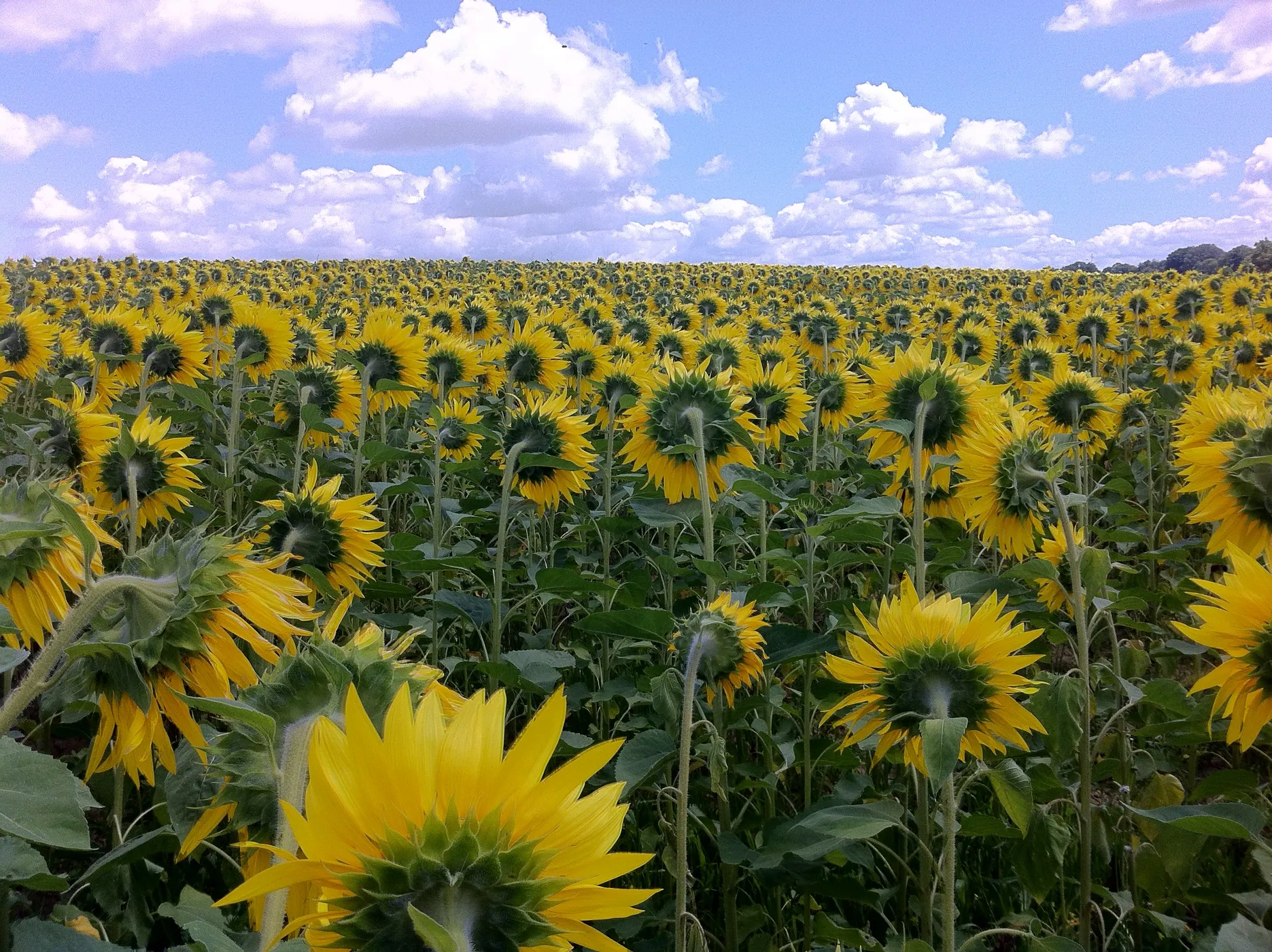
Sunflower — the living world of plants
A flowering field of annual sunflower (Helianthus annuus) in southern France.
In a garden, it is easy to perceive plants as an immobile green background. But each of them is a complex living organism that breathes, feeds, grows, and responds to the surrounding world (Capon, 2022). Understanding this fact changes the approach to care: instead of mechanical actions, the gardener begins to consciously observe and predict the plant's response to watering, warmth, pruning, and transplanting.
Living things differ from nonliving things by a number of features: the ability to reproduce, cellular structure, metabolism, growth, and response to the environment (Capon, 2022). A plant corresponds to all of them. Its body consists of millions of cells surrounded by a rigid cellulose wall—a unique feature that distinguishes plants from animals (Taiz et al., 2023). Inside cells, chemical reactions proceed continuously: some substances break down, others are synthesized. The plant breathes, absorbing oxygen and releasing carbon dioxide (Chalker-Scott, 2015). It grows throughout its entire life—from seed to seed in annuals, or over decades in trees (Simpson, 2010).

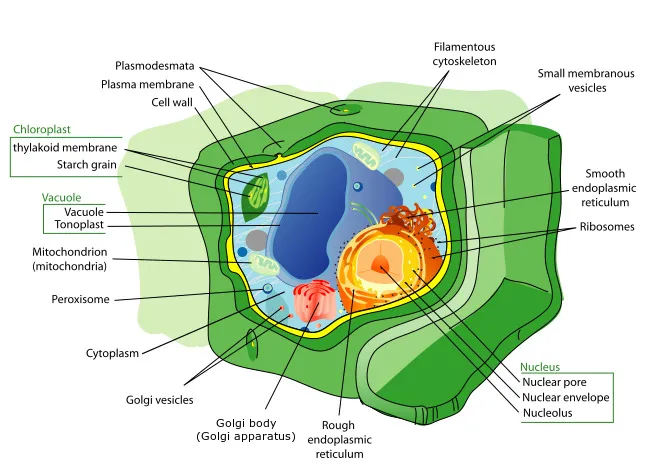
Structure of a plant cell
Schematic representation of a typical plant cell with its main organelles: nucleus, cytoplasm, vacuole, chloroplasts, and cell wall.
The cell is the basic unit of life. Robert Hooke in 1665, examining a slice of cork under a microscope, first saw tiny compartments and called them “cells” (Capon, 2022). A plant cell has a nucleus with hereditary information, cytoplasm where the main processes take place, and a vacuole—a reservoir for water and storage substances (Taiz et al., 2023). The cell wall provides support but limits mobility: a plant cannot “run away” like an animal. This immobility determines its entire survival strategy—to produce food itself, defend itself chemically, and use wind and insects for reproduction (Zona, 2023).
Metabolism is the totality of all chemical reactions in an organism. A plant absorbs water and mineral substances from the soil and carbon dioxide from the air, captures light energy, and converts all this into organic compounds (Medvedev, 2012). Part goes into growth, part is stored, and part is spent on respiration. Respiration continues even in darkness, consuming stored substances, whereas photosynthesis is possible only in the light (Chalker-Scott, 2015). This balance explains why plants become depleted in dark, warm rooms.
Plants do not have a nervous system, but they perceive light, gravity, touch, temperature, humidity, and chemical signals (Mauseth, 2017). The root grows downward, the shoot stretches toward the light, and stomata close when there is a lack of moisture. These reactions are the result of evolution, and understanding them allows the gardener to predict plant behavior under different conditions.
Note. In a plant cell, unlike an animal cell, there are no centrioles, but there are plastids—organelles responsible for photosynthesis and storage of substances (Taiz et al., 2023). It is plastids that determine the green color of leaves and the plant's ability to feed autotrophically.
2. Main differences from animals: it does not move but responds; it makes its own food from light
It does not move—but it responds

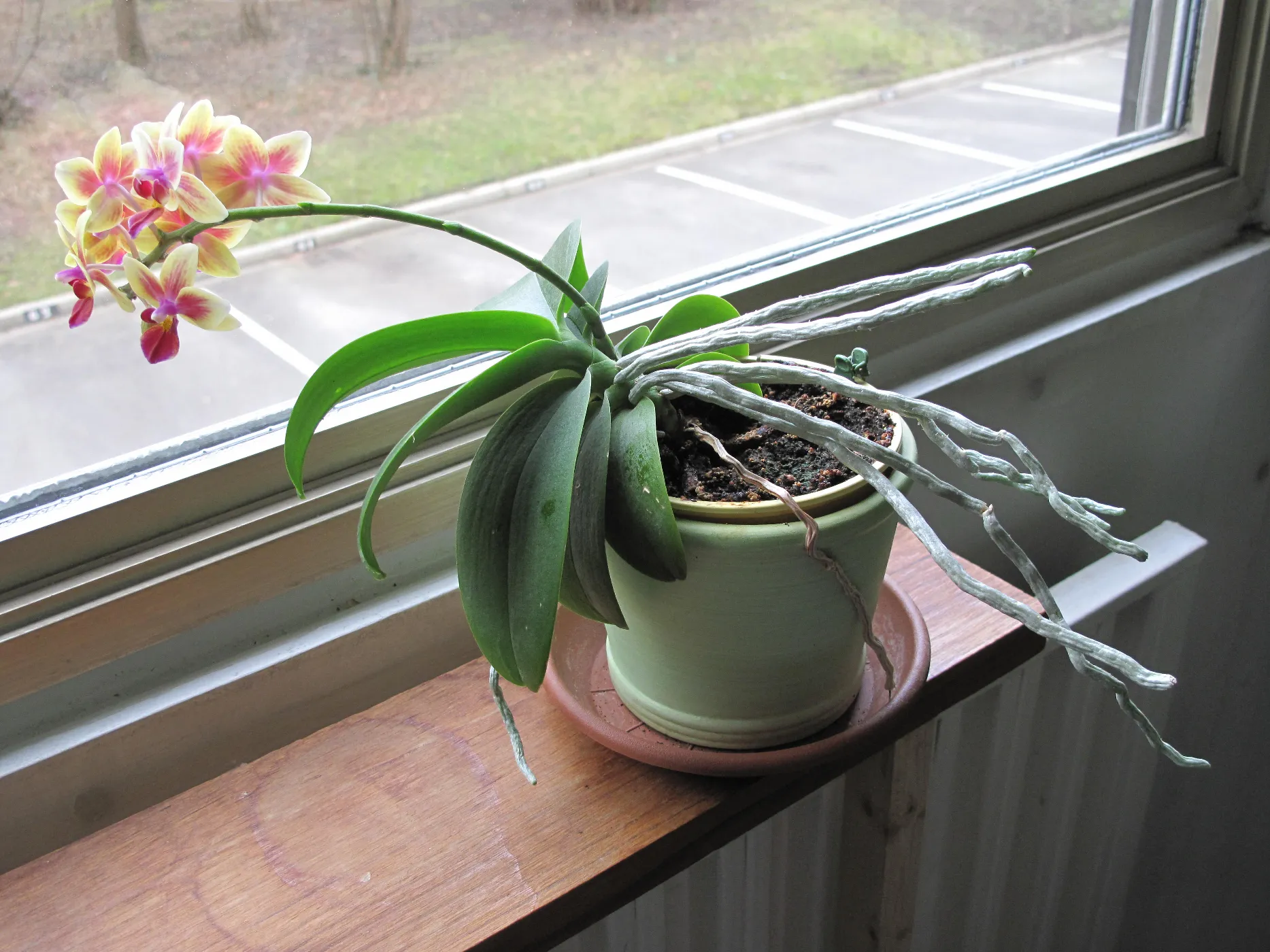
Phototropism in a Phalaenopsis orchid
Example of phototropism in a Phalaenopsis orchid standing on a windowsill. The inflorescence stalk and leaves bend toward the window (toward the light source), while aerial roots show negative phototropism, отклоняясь away from the light.
Under unfavorable conditions, an animal can leave, fly away, or hide. A plant is deprived of this possibility: it is attached to a place and forced to adapt to what surrounds it (Taiz et al., 2023). However, immobility does not mean passivity. A plant constantly perceives environmental signals and responds to them—through growth, changes in the position of organs, or physiological reactions.
Such responses are called tropisms—directed growth movements. The shoot bends toward light (phototropism), the root grows downward under the action of gravity (geotropism), and tendrils cling to a support upon touch (thigmotropism) (Mauseth, 2017). The mechanism is often associated with redistribution of the hormone auxin: it accumulates on the shaded or lower side of the organ, causes cell elongation, and the organ bends (Taiz et al., 2023). In the root, the same role is played by statoliths—starch grains in the cells of the root cap that sink downward under gravity and set the direction of growth (Mauseth, 2017).

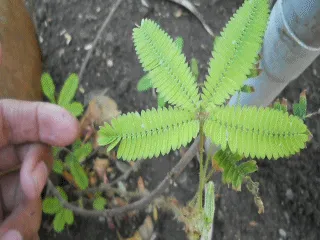
Mimosa pudica: leaf movement
Close-up of the leaves of Mimosa pudica: three leaves are open, one is partially folded. The photograph illustrates changes in leaf position in response to irritation.
There are also rapid movements not associated with growth. Mimosa leaves fold when touched, and the trap of Venus flytrap snaps shut after stimulation of sensitive hairs (Mauseth, 2017). These are nastic movements—responses to an external stimulus based on changes in turgor pressure in cells. They do not move the whole plant but change the position of its parts.
It makes its own food from light
The main difference between plants and animals is their mode of nutrition. Animals are heterotrophic: they obtain energy by eating other organisms. Most plants are autotrophic: they synthesize organic substances from inorganic ones themselves (Medvedev, 2012). The main process is photosynthesis. In chloroplasts of cells, with the help of the green pigment chlorophyll, light energy is captured, water and carbon dioxide are converted into carbohydrates, and oxygen is released into the atmosphere (Taiz et al., 2023). Photosynthesis is the only process on Earth that converts the energy of sunlight into the energy of chemical bonds of organic compounds (Medvedev, 2012).
That is why plants are called primary producers: they create organic matter on which all others then feed—from bacteria to humans (Taiz et al., 2023). For the gardener, this means a simple truth: light, water, and carbon dioxide are not “additives” but raw materials for food production. Fertilizers provide mineral elements needed to build enzymes, proteins, and other compounds, but they do not replace light energy (Ingram et al., 2015).
At the same time, plants also respire. In darkness, photosynthesis stops, but respiration continues: the plant consumes oxygen and releases carbon dioxide (Chalker-Scott, 2015). Therefore, in a warm dark room, a plant can become depleted. The balance between photosynthesis and respiration determines how successfully it grows.
Note. Not all plants are fully autotrophic. Some parasitize other plants, and mycorrhizal plants obtain nutrition from fungi (Zona, 2023). But most cultivated plants in the garden and vegetable plot are autotrophs dependent on light.
What this means for care
Understanding these differences helps predict plant responses. If a shoot becomes elongated and pale, it lacks light. If roots rot, oxygen access to them is disrupted. If leaves turn yellow with good watering, there may be a lack of mineral nutrition or excess water. A plant is not “being capricious”: it responds to specific conditions according to its biological laws (Capon, 2022).


LCD 4-in-1 Soil Tester
Check essential growing conditions with one compact tool. Measure soil pH, moisture, temperature and light intensity — ideal for gardens, potted plants and greenhouses.
- 4-in-1 measurement
- Easy-to-read LCD display
- Portable design
Affiliate link · For indicative measurements only.
3. The plant and the environment: why the same plant looks different under different conditions
The same plant species can differ greatly depending on the conditions in which it grows. These are not different species or random deviations. This is phenotypic plasticity—the ability of an organism to change its traits in response to the environment while keeping its genetic code unchanged (Lambers and Oliveira, 2019). The genotype sets the norm of reaction, and the environment determines how exactly this norm will manifest (Medvedev, 2012). It is important for the gardener to understand: the plant's appearance is a “response” to specific conditions, not the “character” of the species.
Light

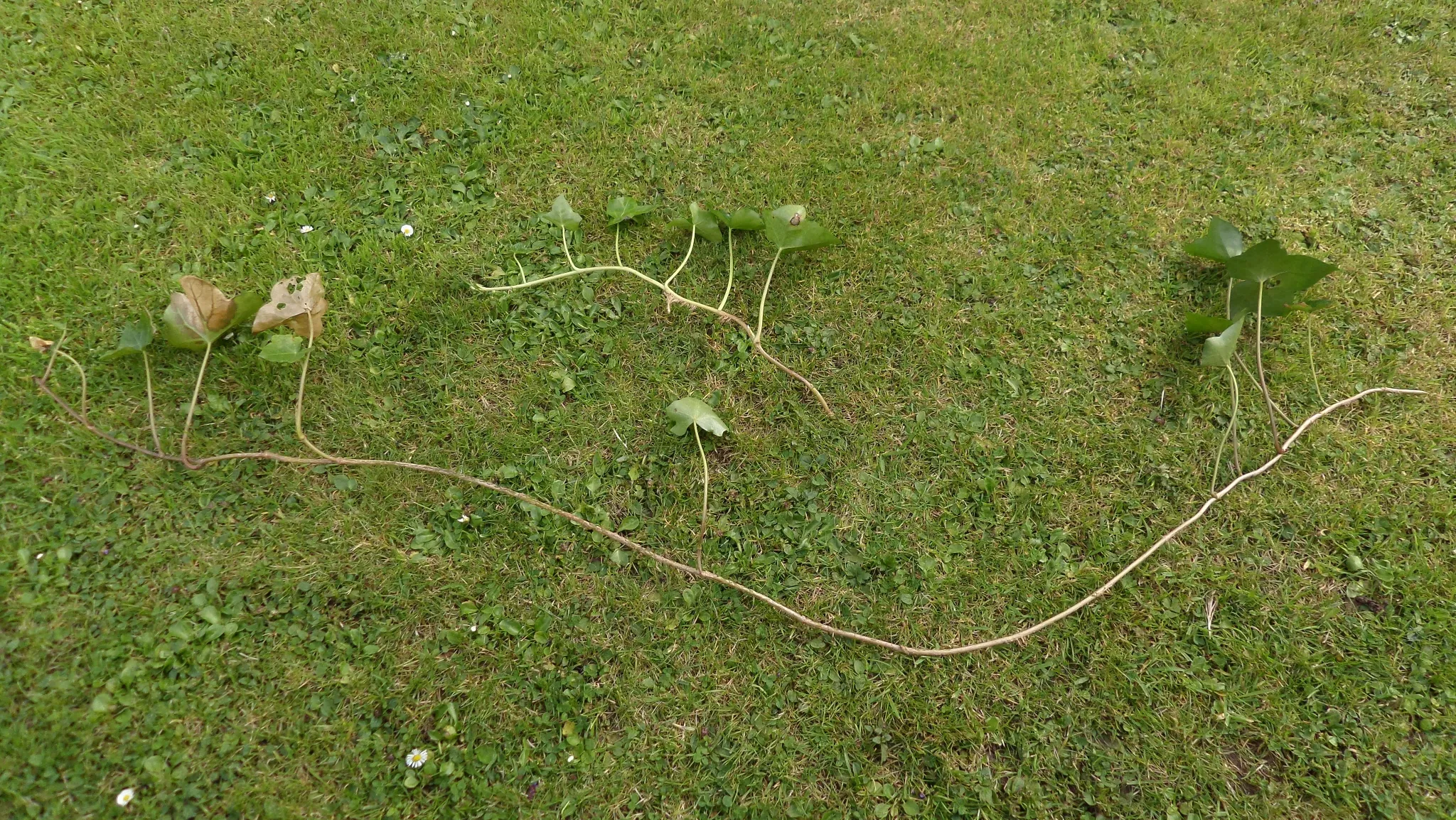
Etiolation: effect of light deficiency
Comparison of two sections of common ivy (Hedera helix): one grew in darkness, the other under illumination. It clearly demonstrates changes in the appearance of the same plant depending on environmental conditions.
Light is the main factor determining plant shape. With insufficient lighting, shoots elongate, become thin and pale, and leaves become smaller. This phenomenon is called etiolation (Taiz et al., 2023). The plant seems to “search” for light, spending stored substances on stem growth at the expense of other organs. In bright light, by contrast, shoots become compact, leaves thicker and darker, and more chloroplasts develop (Medvedev, 2012). In light-demanding and shade-tolerant species, even the anatomical structures of the leaf differ: the former have more layers of palisade tissue, the latter have a thinner leaf blade (Ingram et al., 2015). The gardener can manage lighting: shade during hot hours, place plants in full sun or in partial shade.
Temperature
Temperature affects the rate of all physiological processes. At low temperatures, growth slows; at high temperatures, it accelerates, but only up to a certain limit. Each species has a temperature optimum (Tretyakov, 2000). In addition, many plants need a cold period to transition to flowering—this process is called vernalization (Mauseth, 2017). Winter crops will not flower without a cold winter. Temperature also determines the timing of seed germination and seedling emergence. In cold soil, seeds may rot; in too-warm soil, they may germinate quickly but produce weak seedlings.
Water
Water availability determines not only growth but also appearance. When moisture is lacking, plants form small, thick leaves with a waxy coating, and stomata are sunken into the tissue—these are xeromorphic traits (Lambers and Oliveira, 2019). Such plants tolerate drought better but grow more slowly. With excess water, roots suffocate, leaves turn yellow, and the plant may die. In different climates, the same species may look like a drought-resistant shrub or a lush plant—depending on watering and air humidity.
Nutrition
Mineral nutrition affects leaf color, growth vigor, abundance of flowering, and fruit quality. With nitrogen deficiency, leaves become pale and growth weakens. With excess nitrogen, the plant “overgrows vegetatively”: it builds green mass at the expense of fruiting (Tretyakov, 2000). Phosphorus and potassium are important for flowering and ripening. Different fertilizer doses can turn the same plant into a compact ornamental or a large but less productive one (Ingram et al., 2015).
Interaction of factors
All factors act together. Liebig's law of the minimum states: growth is limited by the factor that is at a relative minimum (Tretyakov, 2000). If there is enough light but not enough water, the plant will not realize its potential. If there is plenty of water but the soil is cold, the roots do not work. Understanding this allows the gardener not to “fight” the plant but to create conditions in which it will show its best qualities.
Note. Phenotypic plasticity is not unlimited. Each species has limits of adaptation. A cactus will not become a lush bush in a humid climate, and a marsh plant will not survive in a desert. But within the norm of reaction, the gardener can manage appearance and productivity.
Practical conclusion
By observing a plant, comparing it with neighboring specimens, and analyzing conditions, one can understand what it lacks. Changing lighting, watering, temperature, or fertilizing are not “whims” but concrete levers of management. The plant responds to them predictably if one knows its biology.
4. The plant as a system: roots, shoots, leaves, flowers, fruits, seeds—everything is connected

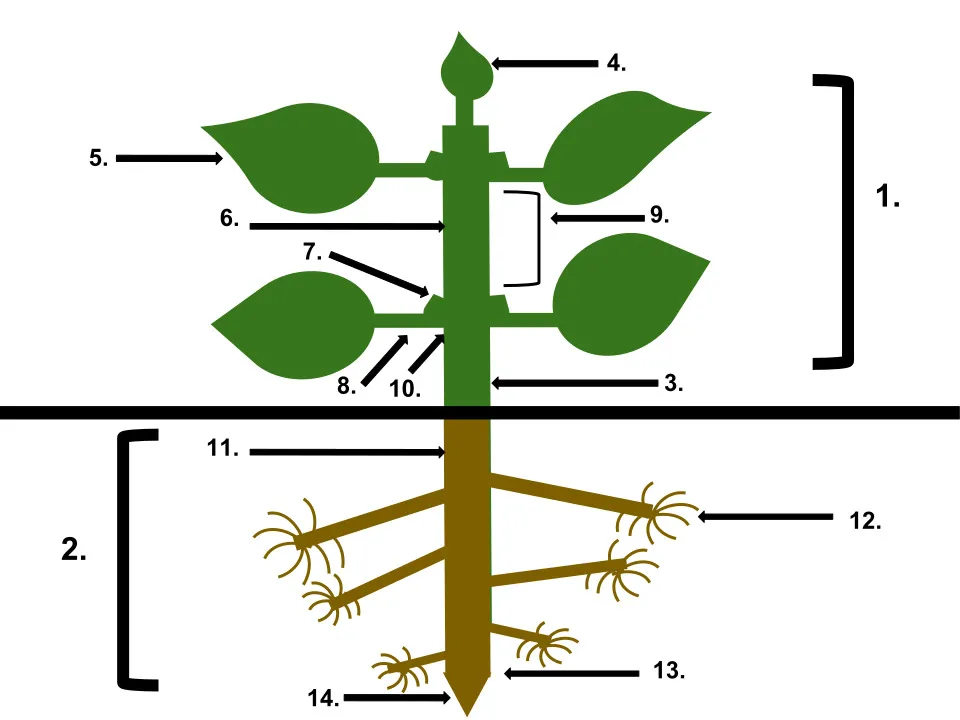
Plant structure: root and shoot systems
1. Shoot system. 2. Root system. 3. Hypocotyl. 4. Apical bud. 5. Leaf blade. 6. Internode. 7. Axillary bud. 8. Node. 9. Stem. 10. Petiole. 11. Taproot. 12. Root hairs. 13. Root tip. 14. Root cap.
A plant is not a collection of separate organs but a unified system in which each element influences the others (Ingram et al., 2015). Roots, shoots, leaves, flowers, fruits, and seeds are connected into an integral organism. Understanding this connection allows the gardener to predict the consequences of their actions: pruning, watering, fertilizing, or transplanting.
Roots and shoots: a two-way connection
The root system absorbs water and mineral substances, holds the plant in the soil, and often serves as a storage for reserve nutrients (Capon, 2022). Shoots, in turn, supply the roots with products of photosynthesis—sugars. This is not a one-way movement: roots transmit water, minerals, and signals about soil condition to the shoots, and also synthesize some hormones, such as cytokinins, which stimulate shoot growth (Taiz et al., 2023). Pruning shoots reduces the outflow of sugars to the roots, which can weaken the entire system. Damage to roots, conversely, deprives shoots of water and nutrition, causing growth suppression.
The ratio of root mass to shoot mass is dynamic. In young plants, roots often predominate, ensuring establishment. In mature trees, the aboveground part may significantly exceed the underground part, but the roots continue to supply it with water. A disturbance of the balance—for example, severe crown pruning without considering the root system—causes stress and can lead to plant death (Tretyakov, 2000).
Leaves: factory and pump

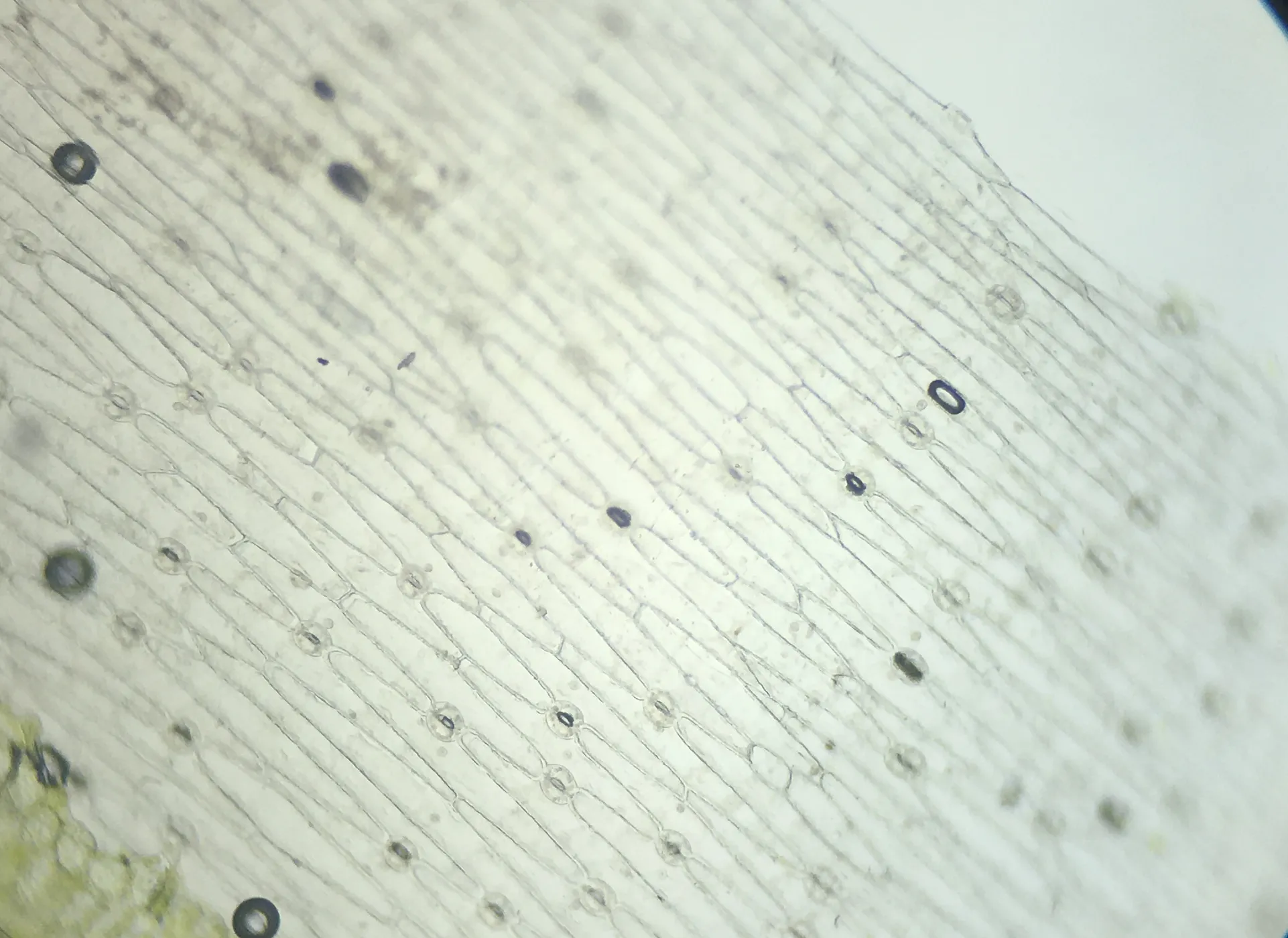
Leaf epidermis with stomata (light microscopy without staining)
Micrograph of the leaf surface obtained by brightfield microscopy demonstrating large epidermal cells and stomatal complexes with guard cells.
Leaves are the main organs of photosynthesis. Carbohydrates are formed in them and then distributed throughout the plant. However, leaves also evaporate water through stomata, creating a transpiration stream—the driving force for raising water from the roots (Chalker-Scott, 2015). The larger the leaf surface, the more intense photosynthesis, but also the higher the water losses. The plant regulates this balance by closing stomata when moisture is lacking. The gardener can influence the process: shading reduces transpiration, while sufficient watering maintains it.
Leaves are connected to roots through conducting tissues. Xylem delivers water and minerals from roots to leaves, and phloem carries sugars away from leaves to other organs (Taiz et al., 2023). Disruption of either system affects the whole plant.
Flowers, fruits, seeds: reproductive load
Flowering, fruit formation, and seed formation require significant resources. The plant directs nutrients to them, often at the expense of vegetative growth. This is called the sink effect: fruits and seeds become “centers of attraction” for metabolites (Tretyakov, 2000). If the load is too great, the plant becomes depleted, tolerates winter worse, or produces weak growth the following year. Therefore, horticulture uses crop load regulation—removing some ovaries or flowers to preserve the plant's strength and obtain better-quality fruits.
Seeds, in turn, remain in a state of dormancy until favorable conditions occur. Their germination depends on temperature, moisture, light, and sometimes a period of cold stratification (Mauseth, 2017). Understanding these connections helps store seeds correctly and prepare them for sowing.
Hormonal regulation
Interaction among organs is ensured by phytohormones. Auxins synthesized in shoot tips suppress the growth of lateral buds—this is apical dominance (Taiz et al., 2023). Pruning the tip removes this suppression and stimulates branching. Cytokinins formed in roots promote shoot growth. Gibberellins affect cell elongation and flowering. These signals coordinate the development of all parts of the plant depending on environmental conditions.
Practical conclusion
A plant is a system in which a change in one organ affects the others. Watering affects leaves, pruning affects roots, and the harvest affects future growth. By observing the condition of different parts of the plant, one can understand where the balance is disturbed and take measures. A holistic view allows one to manage the garden more consciously and effectively.
Note. Even in trees with a powerful root system, absorbing roots are located in the upper layers of soil. Their damage during digging or soil compaction immediately affects the supply of water and nutrition to the leaves (Ingram et al., 2015).

Solar Automatic Drip Irrigation Kit for Gardens
Automate watering for pots, gardens and small greenhouses. This solar-powered system features a timer to help schedule water delivery to your plants.
- Solar-powered
- 15 m irrigation hose
- Programmable watering
Affiliate link · Check included accessories.
5. What it means to “understand a plant”: observe, compare, draw conclusions
To understand a plant means to be able to read its condition and foresee how it will respond to your actions. Plants cannot communicate their needs in words, but they constantly “speak” to us through their appearance: leaf color, growth rate, shoot shape, and root condition (Capon, 2022). The gardener's task is to learn to notice these signals and interpret them correctly.
Observation is the first step. Regularly inspect plants: not only from above but also from the side, and sometimes the underground part. Pay attention to leaf color, their turgor, the presence of spots, distortions, stem thickness, and internode length. It is useful to keep a diary or at least note changes. Even a simple photograph once a week will help you see dynamics that are hard to notice by eye (Chalker-Scott, 2015).
Comparison is the second step. Compare the plant with other specimens of the same species growing under different conditions, or with its own state in the previous season. If one bush is lush and another has become elongated and pale, the difference is most likely in lighting or nutrition (Ingram et al., 2015). Comparison helps separate random fluctuations from regular responses to the environment.
Conclusions are the third step. On the basis of observations and comparisons, one can suggest the cause of deviations. For example, yellowing of leaves may be caused by nitrogen deficiency, excess water, cold, or disease. To avoid mistakes, it is important to consider a complex of factors: how long ago the symptom appeared, on which leaves—old or young—what the soil looks like, and what the weather was like (Tretyakov, 2000). The plant responds to the environment holistically, and its condition is an integral indicator (Taiz et al., 2023).
Understanding a plant does not require laboratory analyses. It requires attention, patience, and willingness to learn from the plant itself. The more you observe, the more accurate your conclusions and the more effective your care.
Note. Plants can respond to stress with identical symptoms, but the causes may be different. For example, leaf curling may be protection from overheating, a sign of water shortage, or a reaction to herbicides (Mauseth, 2017). Therefore, it is important to look at the whole picture, not at a single leaf.
6. Regional aspect: in different climates plants behave differently, but the principles of life are the same
Plants of the same species in different regions can look and develop completely differently. In the tropics, many crops grow all year round; in temperate latitudes, only in the warm season; and in arid zones they survive thanks to special adaptations (Johnson, 2023). However, these differences do not cancel general biological laws. Photosynthesis, respiration, growth, flowering, and fruiting obey the same principles everywhere—only the conditions in which they occur change (Lambers and Oliveira, 2019).
Light and temperature
The length of day and night, intensity of solar radiation, and temperature regime determine which plants can grow in a region and how they behave. At high latitudes, summer days are long, and winters are cold and dark. In the tropics, day and night are approximately equal all year round, and temperature is stable. Plants of temperate latitudes often need a cold period for flowering (vernalization), whereas tropical species may be sensitive to any drop in temperature (Mauseth, 2017). The gardener must take these features into account: choose varieties suited to the local climate or create artificial conditions—cold frames, greenhouses, shading.

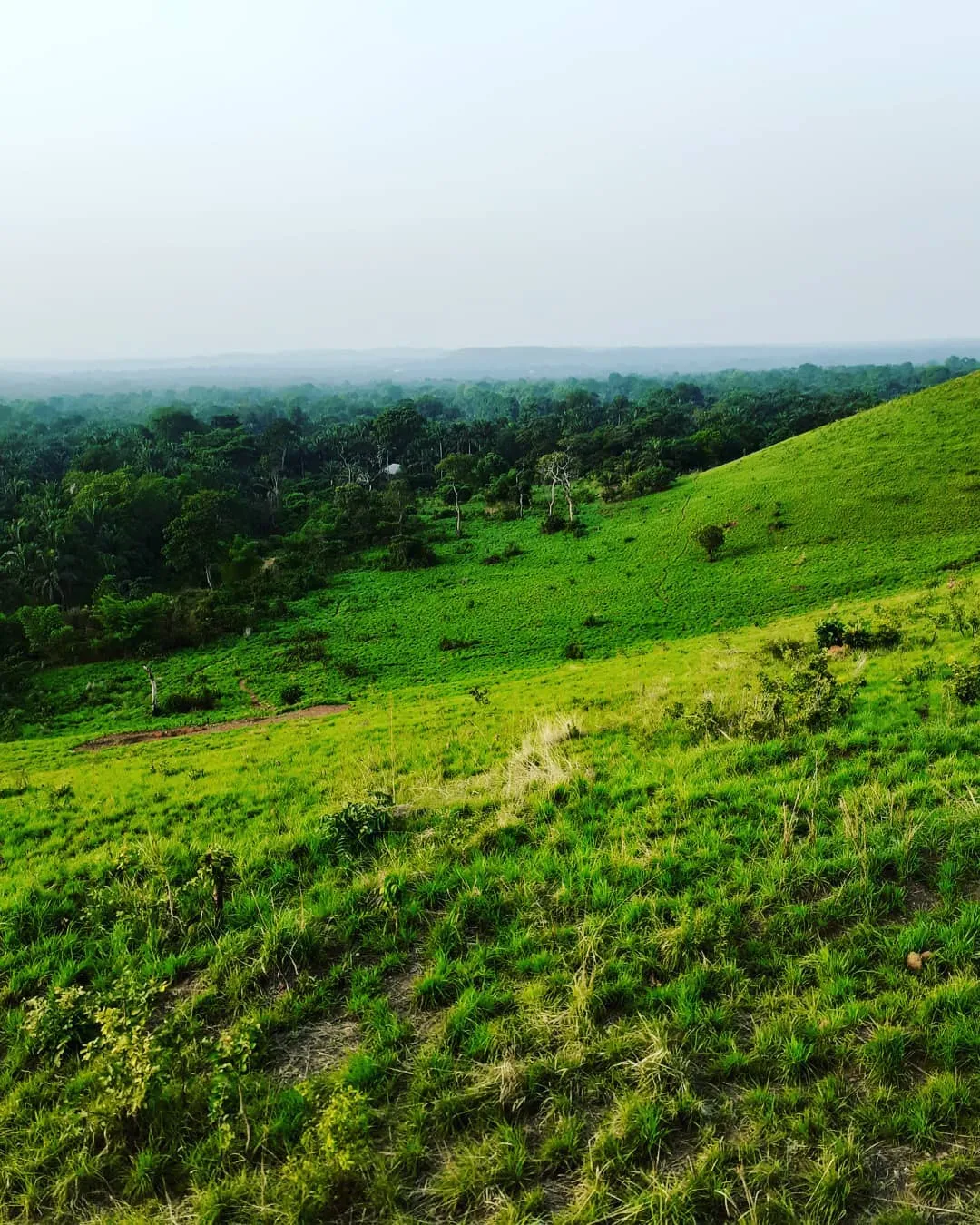
Tropical moist forest
View of a tropical forest in eastern Nigeria from an elevation. Dense vegetation illustrates the conditions of a humid tropical climate.

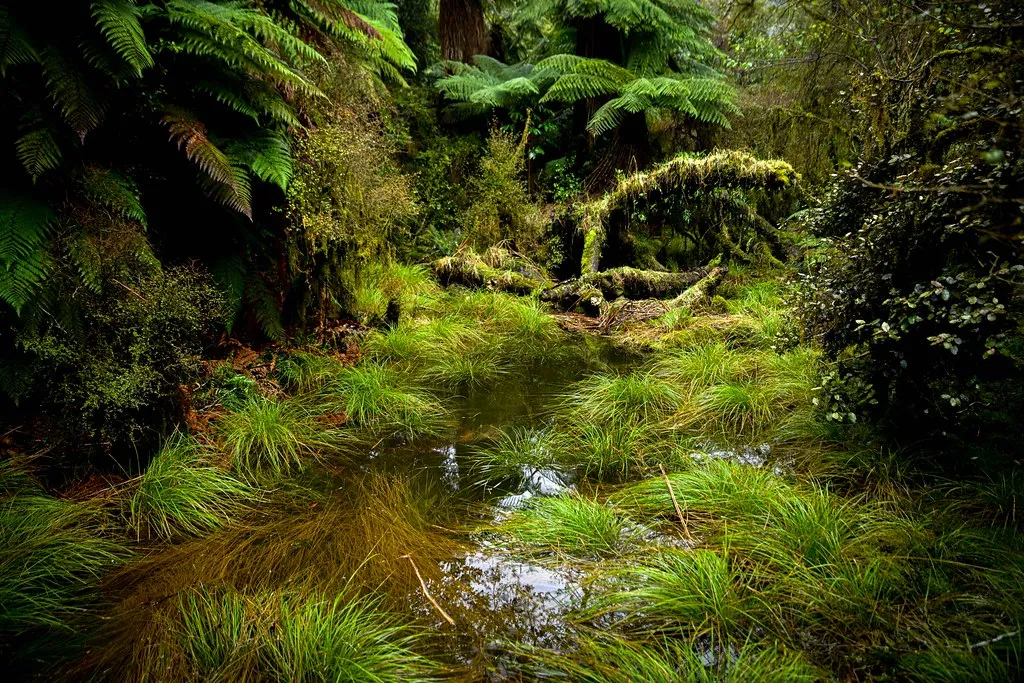
Temperate rainforest
Temperate forest in the Fiordland region, New Zealand. An example of a humid forest landscape in the temperate climate zone.
Water and soil

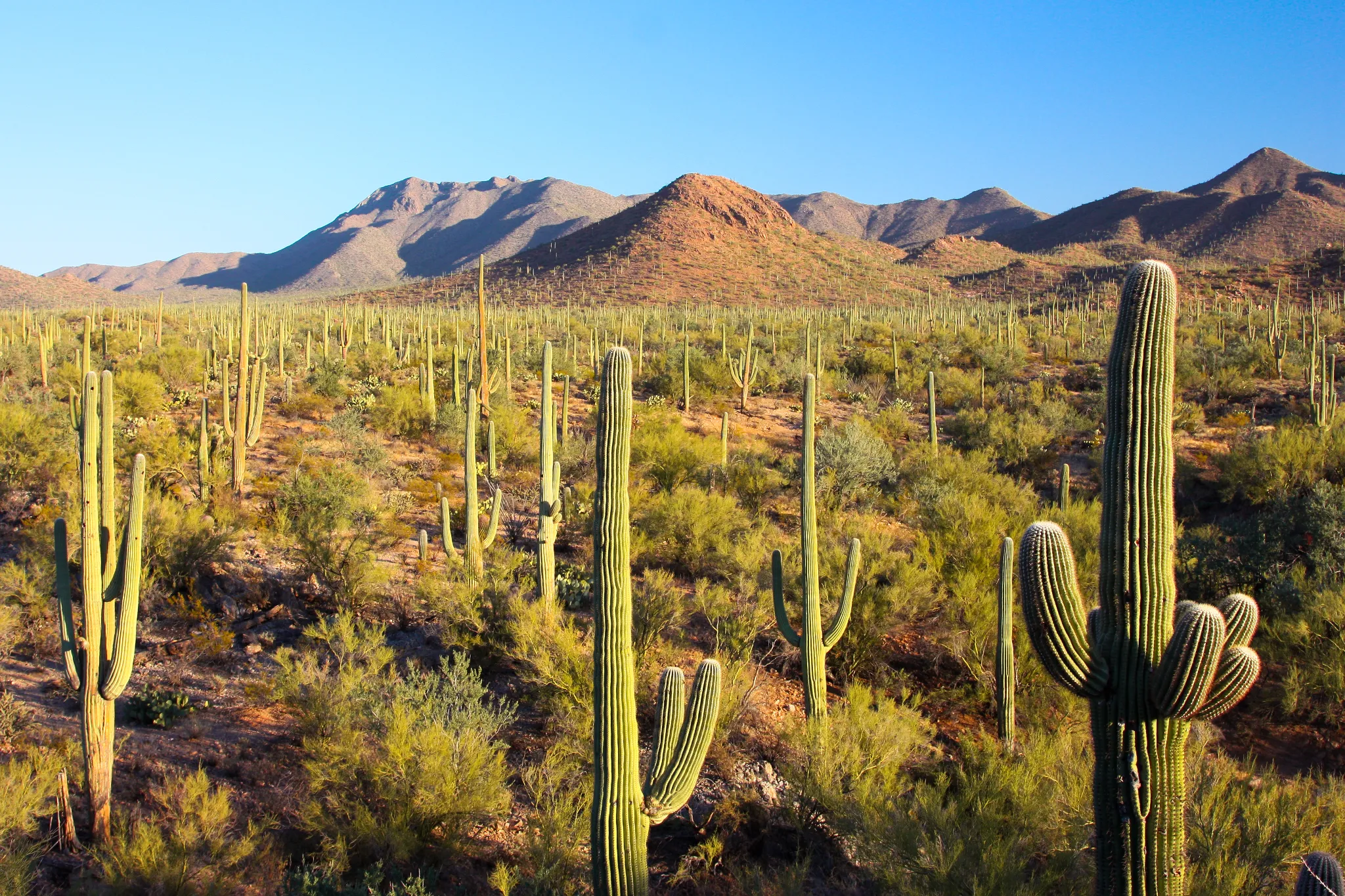
Vegetation of arid regions
Saguaro (Carnegiea gigantea) and other desert vegetation in Saguaro National Park, Arizona, USA. A clear example of plants from an arid region.
Water availability is a key factor in arid and semi-arid regions. Here plants are forced to conserve moisture: they have small leaves, a waxy coating, and deep roots (Johnson, 2023). In regions with excess precipitation, by contrast, drainage and protection from fungal diseases are more important. Soil type—acidity, organic matter content, mineral composition—also varies from region to region. But the processes of absorbing water and mineral substances, and of synthesizing and moving organic compounds, remain the same for all plants (Medvedev, 2012).
Microclimate
Even within a single garden, conditions can differ: a southern slope is warmer, a hollow is colder, and near a wall there is protection from wind and additional warmth. These microclimatic differences make it possible to grow plants not typical for the region as a whole (Ingram et al., 2015). Understanding the microclimate helps use the plot more efficiently: place heat-loving crops near walls and moisture-loving ones in hollows.
Unified principles—different solutions
Although conditions differ, the laws of plant life are universal. Everywhere, photosynthesis depends on light, water, and carbon dioxide. Everywhere, roots respire and need oxygen. Everywhere, hormones regulate growth and development. Therefore, having mastered the general principles, the gardener can adapt care to any climate (Capon, 2022). The main thing is to observe, compare, and draw conclusions based on knowledge of biology.
Note. When choosing plants for an unfamiliar region, it is useful to focus on local species and varieties proven over time. They are better adapted to the climate and require fewer resources for care (Johnson, 2023).

7-in-1 Wi-Fi Weather Station
Monitor local weather conditions with a wireless outdoor sensor. Track temperature, humidity, rainfall, wind speed and direction, and atmospheric pressure. Ideal for gardens, farms and greenhouses.
- Wireless outdoor sensor
- Solar-powered
- Wi-Fi connectivity
Affiliate link · Check regional compatibility.
7. Conclusion: a plant is not a set of parts but an integral organism
A plant is not simply the sum of roots, stems, and leaves. It is a single living organism in which all organs are interconnected and work in coordination (Ingram et al., 2015). Understanding this integrity is the key to successful gardening. Watering, warmth, pruning, transplanting—each action affects the entire system, not just a single organ (Taiz et al., 2023).
We have examined that a plant is:
- living—it breathes, grows, and responds to the environment (Capon, 2022);
- autotrophic—it creates its own food from light, water, and carbon dioxide (Medvedev, 2012);
- plastic—it changes its appearance depending on conditions (Lambers and Oliveira, 2019);
- systemic—roots, shoots, leaves, flowers, and fruits influence one another (Tretyakov, 2000);
- predictable—its reactions obey biological laws that are the same for all climates (Mauseth, 2017).
The practical conclusion is simple: observe, compare, draw conclusions. The plant itself will tell you what it lacks if you learn to read its signals. And knowledge of the general principles of plant life will allow you to make correct decisions in any region—from the tropics to temperate latitudes (Johnson, 2023).
Note. A holistic approach does not require complex instruments. Attention, patience, and willingness to learn from nature are enough. A plant is a partner, not an object. Once you understand it, you will be able to create gardens that delight you and require less effort.
References
- (2015). ‘The plant body: structure and function’, in Ingram, D.S., Vince-Prue, Daphne, Gregory, P.J. (ed.) Science and the Garden. The scientific basis of horticultural practice. West Sussex, UK: Royal Horticulture Society. Wiley Blackwell, pp. 14-36.
- Agrios, G.N. (2005). ‘Introduction’, in Plant Pathology. London, UK: ACADEMIC PRESS, pp. 4-76.
- Amthor, J.S. (1994). ‘Respiration and Carbon Assimilate Use’, in Boote, K.J., Bennett, J.M., Sinclair, T.R., Paulsen, G.M. (ed.) Physiology and Determination of Crop Yield. Florida, USA: American Society of Agronomy, Crop Science Society of America, Soil Science Society of America, pp. 221-250.
- Capon, Brian (2022). ‘How Plants Function’, in Botany for Gardeners. An Introduction to the Science of Plants. Portland, Oregon: Timber Press, pp. 144-192.
- Capon, Brian (2022). ‘The Structure and Growth of Plants’, in Botany for Gardeners. An Introduction to the Science of Plants. Portland, Oregon: Timber Press, pp. 11-87.
- Chalker-Scott, Linda (2015). ‘Under the Microscope’, in How Plants Work. Portland, London: Timber Press, pp. 14-37.
- Evert, R.F. (2006). ‘Structure and Development of the Plant Body — An Overview’, in Esau's Plant Anatomy: Meristems, Cells, and Tissues of the Plant Body: Their Structure, Function, and Development. Hoboken, New Jersey, USA: John Wiley & Sons, Inc., pp. 1-13.
- Graham, L.E., Graham, J.M., Wilcox, L.W. (2014). ‘Plant Structure, Growth, and Development’, in Plant Biology. Harlow: Pearson Education Limited, pp. 165-181.
- Hemenway, Toby (2009). ‘A Gardener’s Ecology’, in Gaia's Garden. A Guide To Home-Scale Permaculture. : Chelsea Green Publishing, .
- Johnson, Noelle (2023). ‘Choosing the Right Plants for Hot, Arid Regions’, in Dry Climate Gardening. Beverly, MA: Cool Springs Press, .
- Lambers, Hans, Oliveira, R.S. (2019). ‘Introduction: History, Assumptions, and Approaches’, in Plant Physiological Ecology. Cham: Springer International Publishing, 1-10. doi: 10.1007/978-3-030-29639-1_1
- Mauseth, J. D. (2017). ‘Development and Morphogenesis’, in Botany: An Introduction to Plant Biology. Burlington, MA: Jones & Bartlett Learning, ch. 14.
- Pratt, M.M. (2005). ‘Muck, Magic and Molecules’, in Practical Science for Gardeners. Portland, Oregon: Timber Press, pp. 8-19.
- Rees-Warren, Matt (2021). ‘Plants’, in The Ecological Gardener. Vermont, London, UK: Chelsea Green Publishing, .
- Simpson, M. G. (0). ‘Plant Morphology’, in Plant Systematics. Amsterdam: Academic Press (imprint of Elsevier), pp. 938-1056.
- Taiz, Lincoln, Møller, I.Max, Murphy, Angus, Zeiger, Eduardo (2023). ‘Plant and Cell Architecture’, in Plant Physiology and Development. New York, NY: Oxford University Press, pp. 3-44.
- Zona, Scott (2026). ‘Being a Plant’, in A Gardener's Guide to Botany. Beverly, MA: Cool Springs Press, .
- Медведев, С.С. (2012). ‘Фотосинтез [Photosynthesis]’, in Физиология растений [Physiology of plants]. Санкт-Петербург: БХВ-Петербург, pp. 33-100.
- Третьяков, Н.Н. (2000). ‘Рост и развитие растений [Plant growth and development]’, in Физиология и биохимия сельскохозяйственных растений [Physiology and biochemistry of agricultural plants]. Москва: Колос, pp. 365-492.
