
Plant Classification
1. Why classification is needed: to understand requirements and avoid choosing the wrong plant
The plant world is vast and diverse. Botanists count about 400,000 species, and even within a single garden plot one can find dozens of completely dissimilar crops (Capon, 2022). For a home gardener, this diversity is not merely a reason for curiosity but a serious challenge. A mistake in choosing a plant costs not only money but also the time you will spend caring for it.
Classification is not a boring science pursued for its own sake. It is a practical tool that allows you to predict how a plant will behave in your garden before you buy a seedling. By understanding which group a crop belongs to, you immediately get answers to key questions: how much light it needs, whether it will survive winter frosts, how often to water it, and when to expect a harvest.
Botanists and agronomists have developed several classification systems. For us, the important ones are those based on biological characteristics and plants’ requirements for the environment. For example, division by life span (annuals, biennials, perennials) will tell you whether the bed will need to be resown every year. Division by relation to light and heat will show whether a crop can be planted in the shade of a house or on an open southern slope. And knowledge of climatic zones will help you understand whether a plant will survive in your region at all (Westwood, 1993).
The main idea worth remembering: climate is the main filter when choosing plants. If a crop does not suit your climatic zone, no amount of even the most careful care will make it productive. You can water, fertilize, and cover a heat-loving plant, but if it lacks heat or the required day length, it will languish. That is why classification is the first step toward a successful garden. It helps you not to fight nature but to work with it, selecting plants that were initially created for your conditions (Bubel, 2024).
2. Simple groups: vegetables, fruit, berries, ornamentals, medicinal plants, and culinary herbs
For the practical gardener, the most convenient classification is by economic use. It divides the whole diversity of crops into several large groups, each of which requires its own approach to planting and care.
Vegetable crops are plants grown for their succulent edible organs: roots, stems, leaves, fruits, or flowers. Within this group there is also a division that helps with planning crop rotation and care. Root crops (carrot, beet, radish) require deeply cultivated soil; leafy crops (lettuce, spinach, cabbage) respond well to nitrogen fertilization; fruit vegetables (tomato, cucumber, pepper) need warmth and protection from wind; bulb crops (onion, garlic) are sensitive to soil moisture during ripening (Kotov, Adritskaya, 2016). Vegetables are most often herbaceous plants with a short life cycle, and their productivity depends directly on soil fertility and watering.
Fruit crops are perennial woody plants that produce edible fruits. These include apple, pear, plum, cherry, apricot, peach, and others. This is the most long-lived group: some trees live and bear fruit for decades. Fruit crops require space, formative pruning, and patience—most of them begin bearing only several years after planting (Westwood, 1993). Their productivity depends strongly on winter temperatures and the length of the growing season, so choosing a variety for a particular zone is critically important.
Berry crops are an intermediate group between vegetables and fruit crops. These are perennial shrubs, subshrubs, and herbaceous plants that produce succulent fruits: currant, gooseberry, raspberry, blackberry, strawberry, blueberry. They are precocious—often beginning to bear fruit as early as the second or third year—but are less long-lived than trees. Many berry crops adapt well to different conditions, which makes them popular in a wide range of regions (Potapov, 2000).

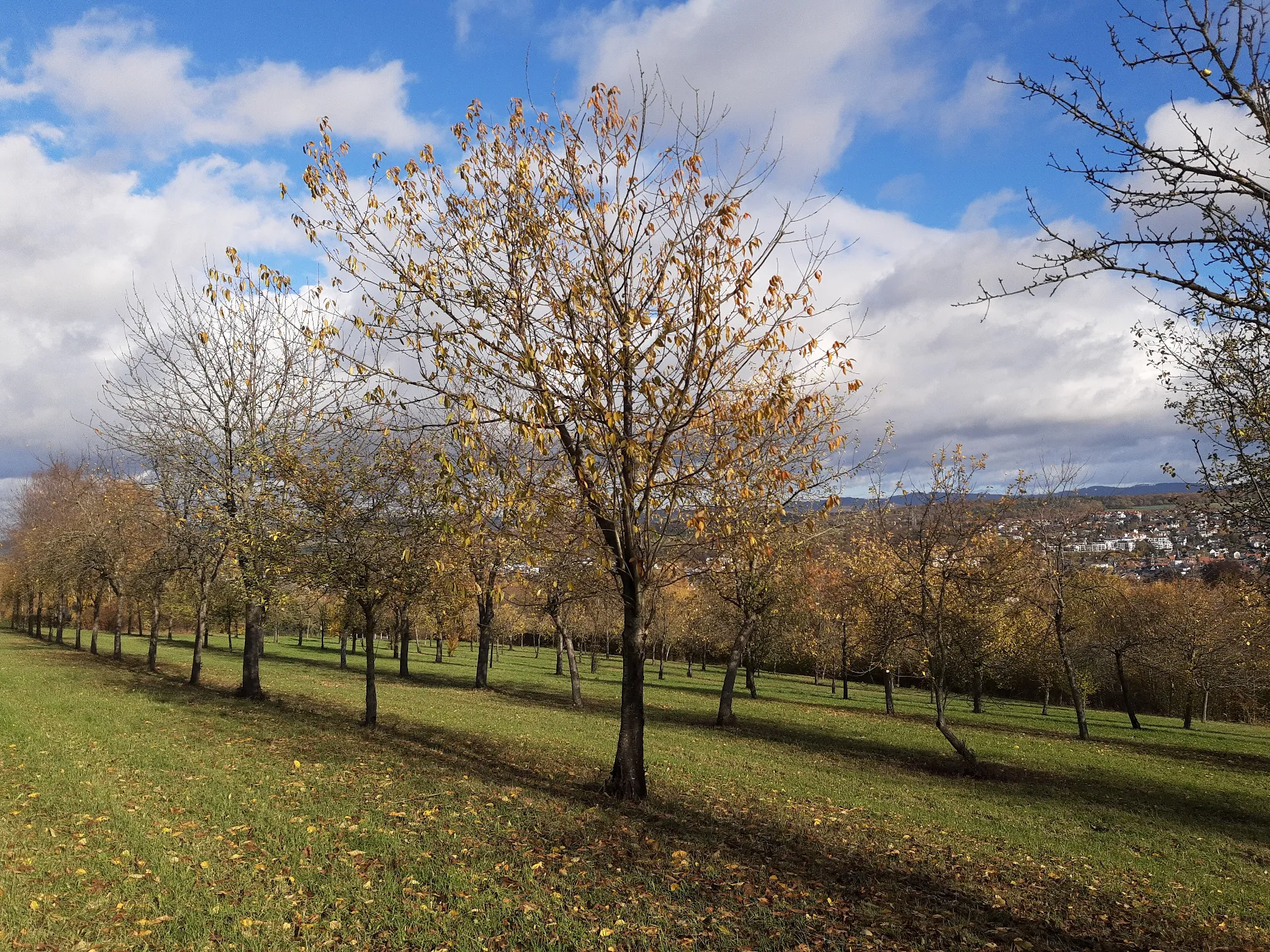
Apple orchard in Germany
Apple orchard with domestic apple trees (Malus domestica) against the background of the town of Idstein, Germany. A good example of perennial fruit crops occupying a permanent place in the garden.

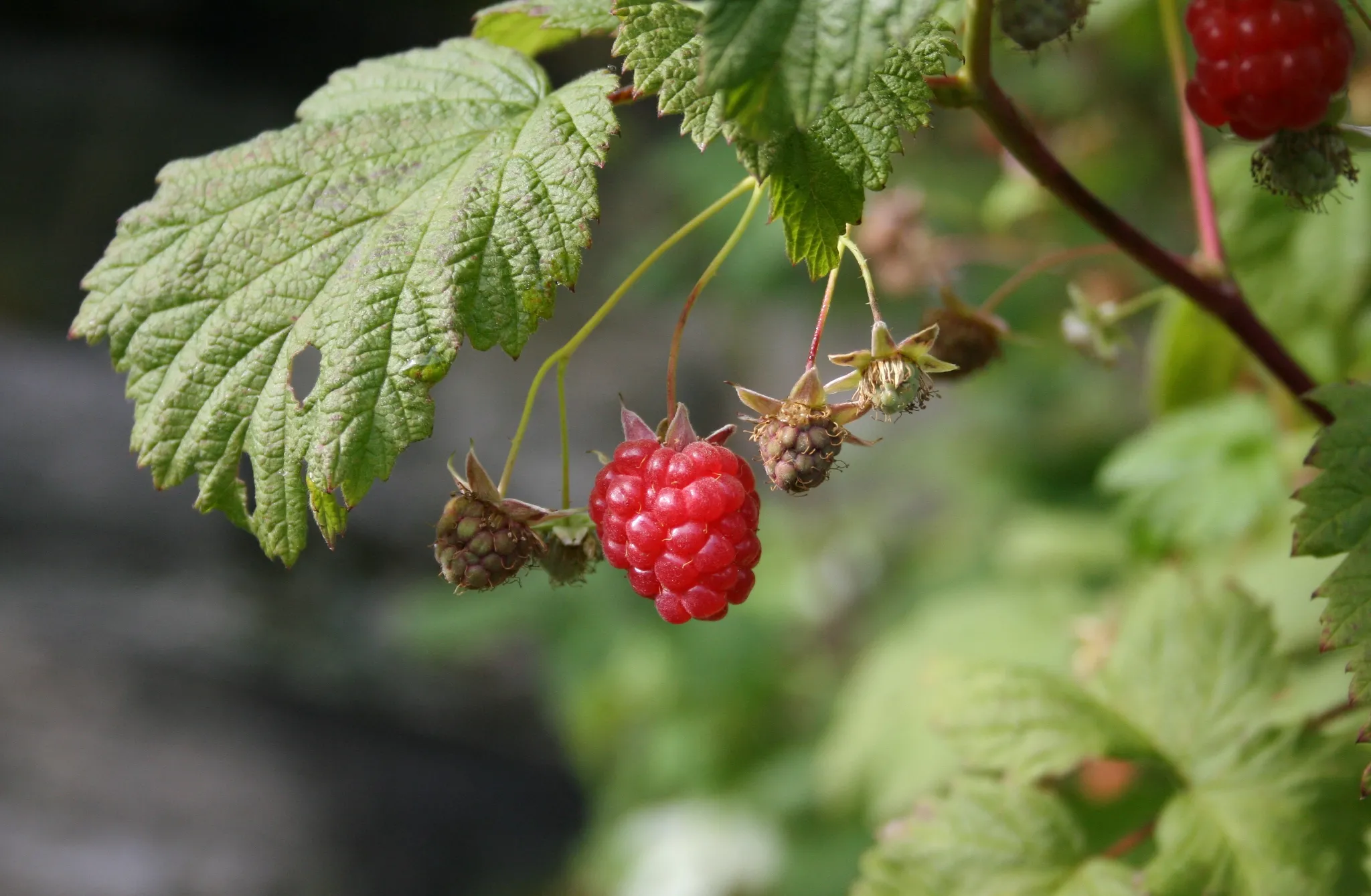
Ripening raspberry berries
Ripening fruits of red raspberry (Rubus idaeus). The photo was taken in Eidsnes, in the Ålesund area, Norway.
Ornamental crops are plants grown for beauty: flowers, foliage, crown shape, or fragrance. This is the largest and most diverse group, including both herbaceous annuals and perennials and shrubs and trees. Ornamental plants can be very demanding about conditions, so when choosing them it is especially important to take into account the climatic zone and the microclimate of the plot (Johnson, 2023).
Medicinal plants are a group that gardeners often underestimate. Many familiar crops (calendula, chamomile, sage, mint) have medicinal properties and can be used to prepare teas, infusions, and home remedies. Growing them does not require special effort, but it is important to know precisely the harvesting times and methods of processing the raw material (Naida, 2021).
Culinary herbs are a subgroup close to medicinal plants but with an emphasis on culinary use. Dill, parsley, basil, coriander, thyme, rosemary—these plants are valued for their aroma and flavor. Most culinary herbs are undemanding, grow well in containers, and can be grown even on a small plot or balcony (Bubel, 2024). It is important to remember that many of them come from the Mediterranean and prefer sunny, well-drained places.

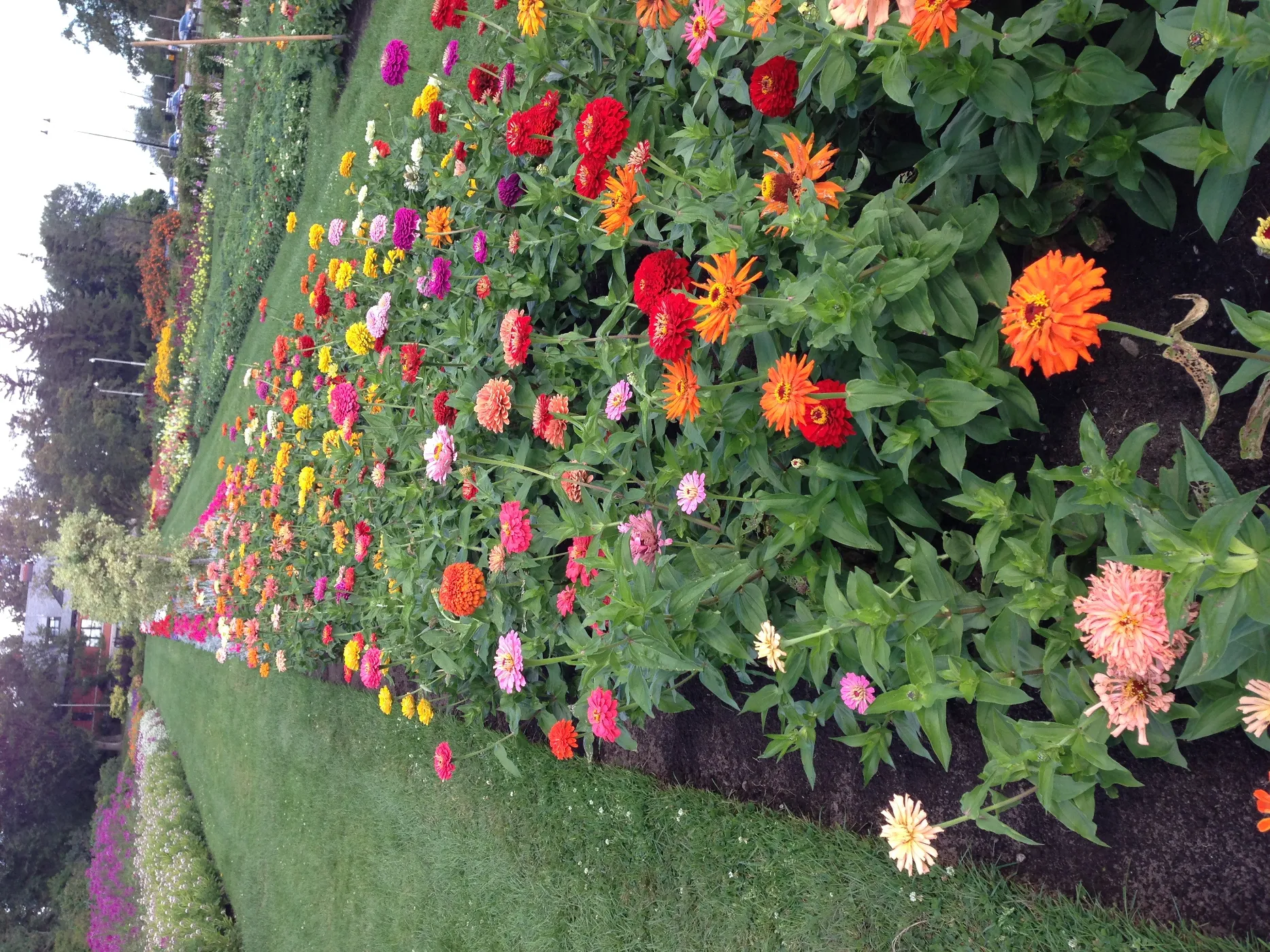
Ornamental flowers
A flowering plant in a garden. The photograph demonstrates the decorative value of flowering plants.

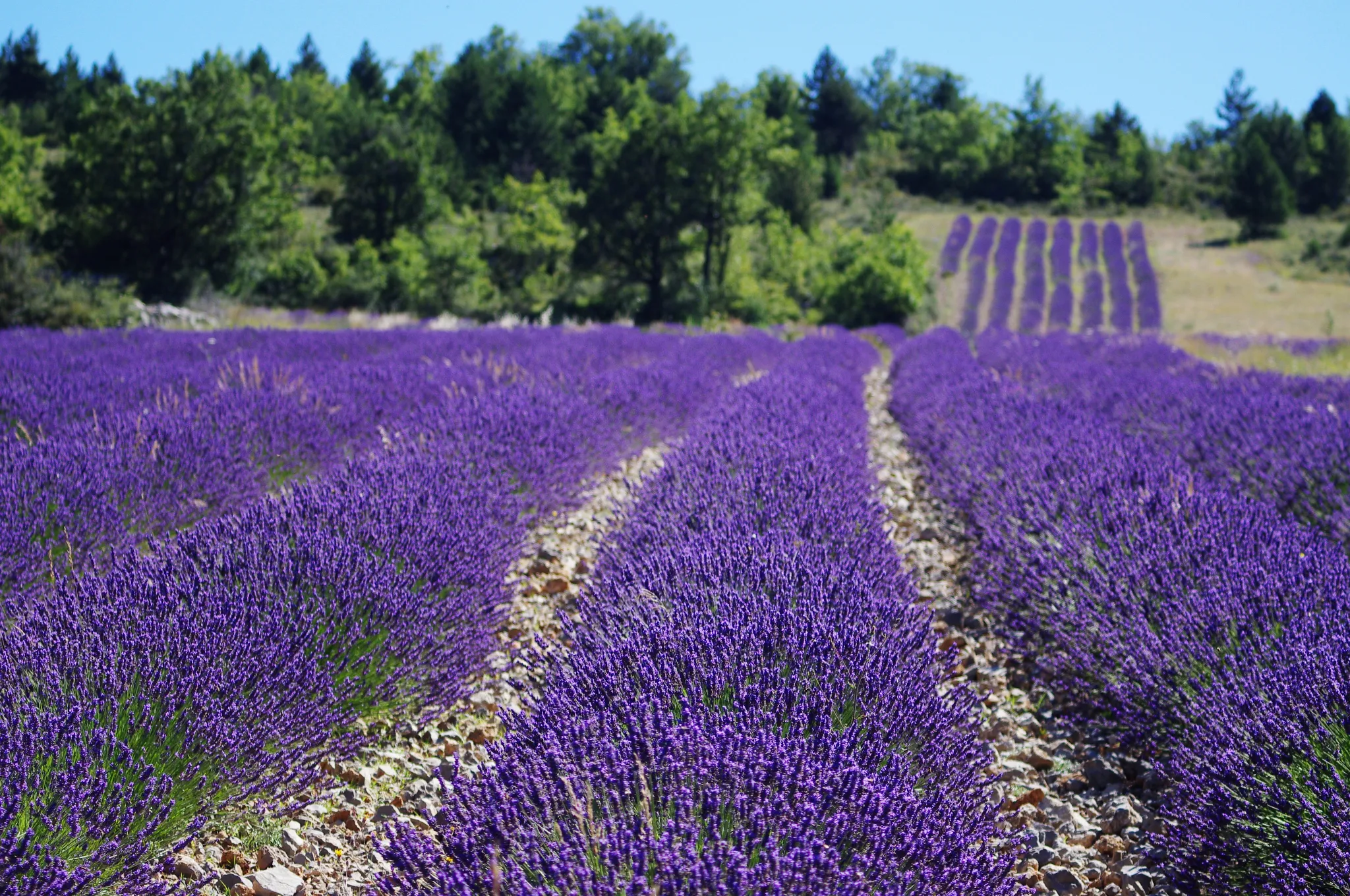
Field of flowering lavender (Lavandula spp.) in the Drôme department, France
Understanding these groups helps not only to choose plants correctly but also to plan the plot: vegetables and culinary herbs are conveniently placed near the kitchen, berry crops along the fence, and fruit trees in the most spacious and well-lit place.


LCD 4-in-1 Soil Tester
Check essential growing conditions with one compact tool. Measure soil pH, moisture, temperature and light intensity — ideal for gardens, potted plants and greenhouses.
- 4-in-1 measurement
- Easy-to-read LCD display
- Portable design
Affiliate link · For indicative measurements only.
3. By life cycle: annuals, biennials, perennials

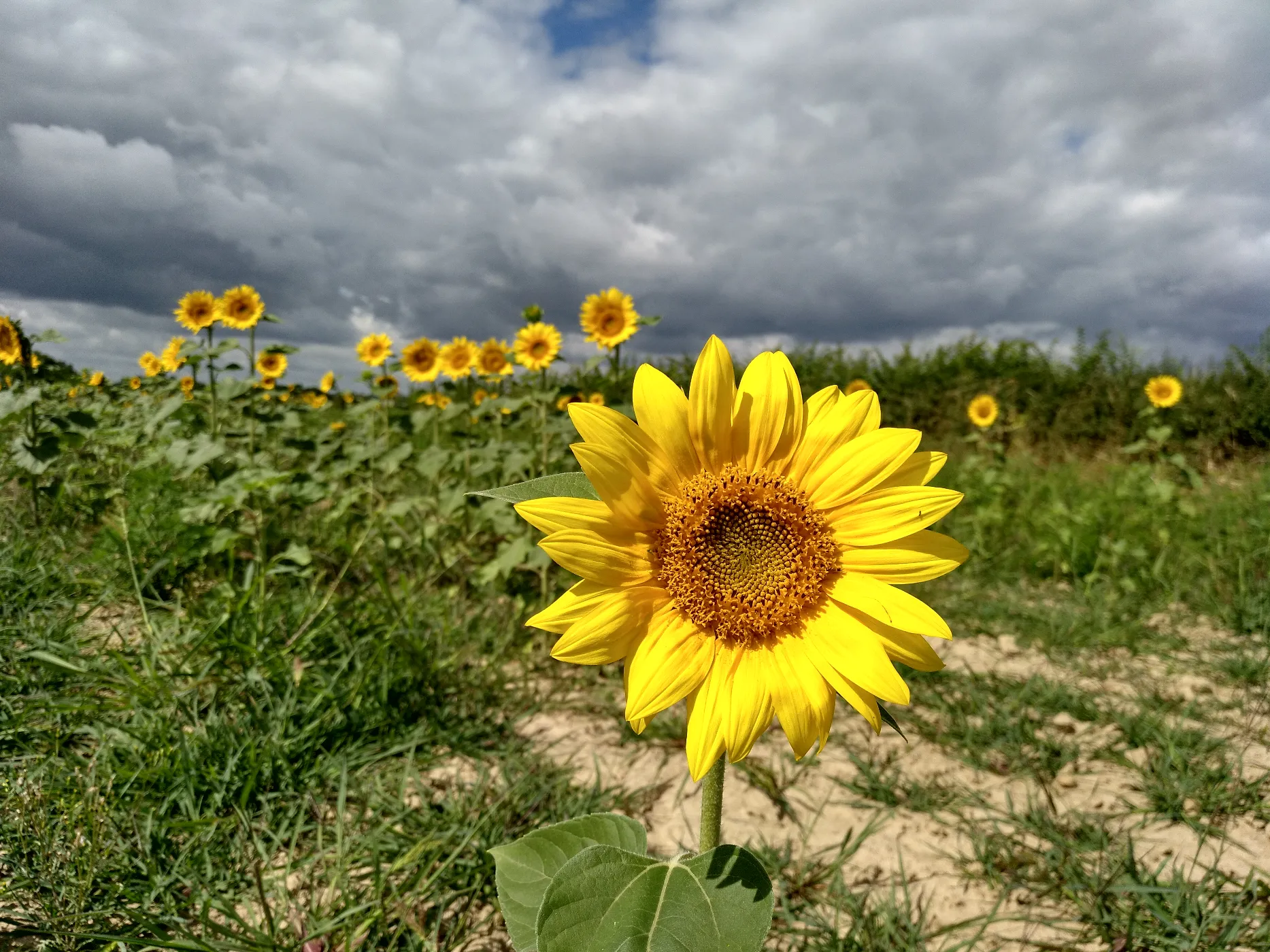
Sunflower in a sunny field
Flowering annual sunflower (Helianthus annuus). The photograph clearly illustrates the annual life cycle and the need of this light-loving crop for open sunny space.
A plant’s life span is one of the most important practical characteristics. It determines how often you will have to resow or replant crops, how to build crop rotation, and how long to wait for the first harvest.
Annual plants complete their entire life cycle—from seed germination to flowering, seed formation, and death—within one growing season. Typical examples: tomato, cucumber, pepper, eggplant, lettuce, radish, dill, marigolds. Annuals grow quickly, are easy to grow from seed, and allow you to obtain a harvest in the very first year. However, their root system and aboveground part live for only one season, so soil fertility and regular watering are especially important for them (Zona, 2023). In regions with a short summer, annual crops are often grown through seedlings.

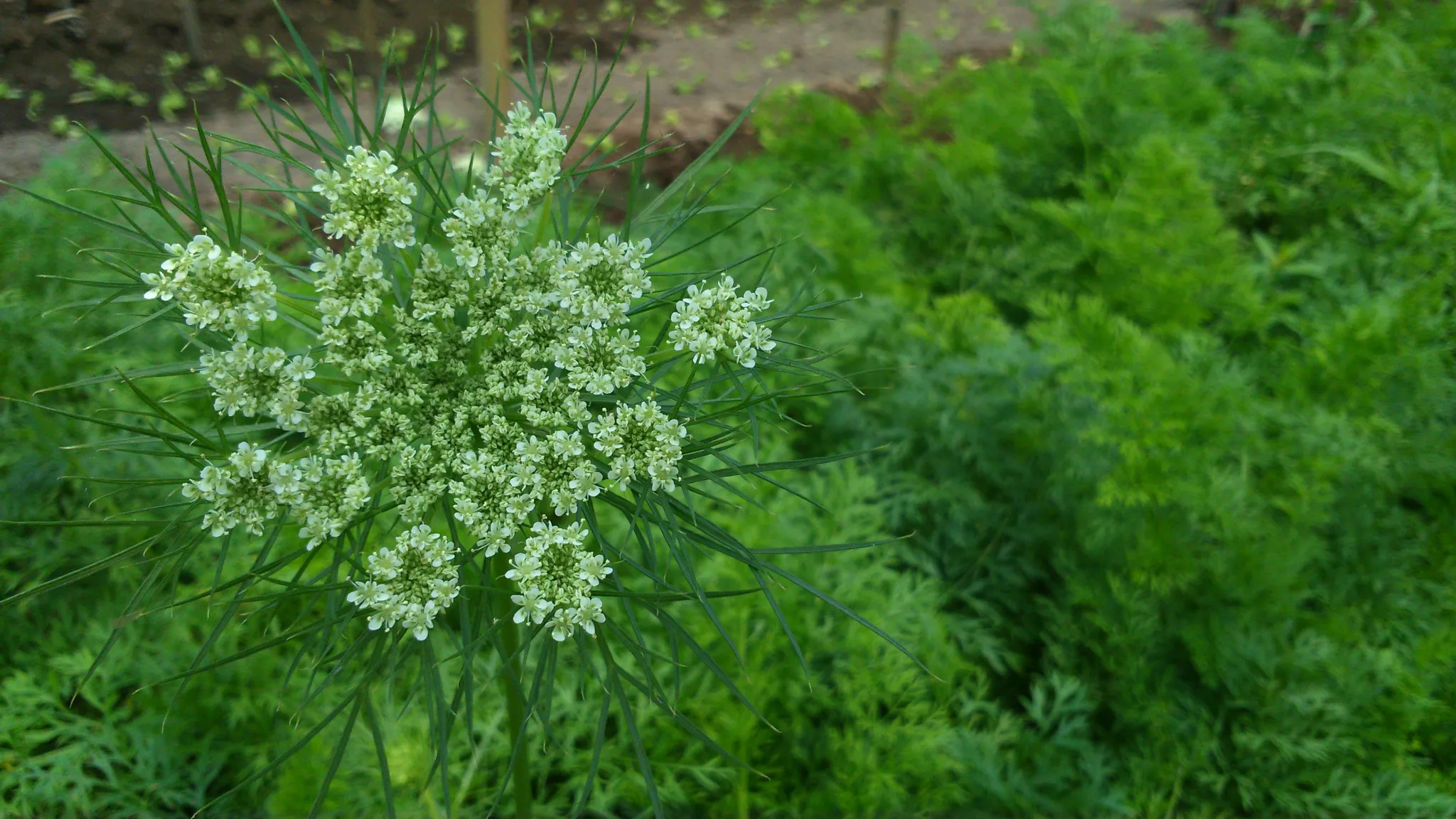
Carrot flowering in the second year of life
Inflorescence of carrot (Daucus carota). The photograph illustrates the transition of a biennial plant to flowering and seed formation in the second year of its life cycle.
Biennial plants complete their life cycle over two years. In the first year they form vegetative organs—a root crop, head, bulb, or rosette of leaves—and in the second year they flower, produce seeds, and die. Biennials include carrot, beet, cabbage (except cauliflower and broccoli), onion, parsley, celery, and radish. For the gardener this means that the harvest of root crops or heads is gathered in the first year, and if the plant is left for a second year, you can obtain your own seeds. However, biennials require proper storage of mother plants in winter and protection from premature flowering (Kotov, Adritskaya, 2016).
Perennial plants live for many years and often bear fruit annually after reaching maturity. This is the most diverse group: it includes fruit trees (apple, pear), berry shrubs (currant, gooseberry), and herbaceous perennials (asparagus, rhubarb, sorrel, mint, peonies, phlox). Perennials can be both woody and herbaceous; in the latter, the aboveground part often dies back for winter and resumes in spring from underground organs—rhizomes, bulbs, or tubers (Naida, 2021). The main advantage of perennials is the possibility of obtaining a harvest or flowering without annual replanting. But they require more thorough soil preparation at planting and patience: some crops reach full productivity only in the third to fifth year.
Knowledge of the life cycle helps with planning beds: annuals can be rotated every year, biennials require a two-year plan, and perennials occupy a permanent place. In addition, this knowledge suggests when and how best to propagate plants—by seed, cuttings, division of the bush, or grafting.
4. By relation to light: sun-loving, shade-tolerant, shade-loving
Light is the energy absorbed during photosynthesis and determines how quickly and fully a plant will develop. However, different crops have adapted to different amounts of solar energy. Understanding these differences helps to place beds and flower gardens correctly so that each plant receives as much light as it needs (Zona, 2023).
Sun-loving plants require direct sunlight for at least 6–8 hours a day. With insufficient lighting they become leggy, pale, and flower and bear fruit poorly. This group includes most fruit vegetables—tomato, cucumber, pepper, eggplant—as well as corn, beans, pumpkin, and watermelon. Among fruit and berry crops—grapes, peach, apricot, strawberry, raspberry. Culinary herbs such as rosemary, thyme, and basil also prefer full sun (Kotov, Adritskaya, 2016). For the gardener this means that such crops should be placed in open, unshaded areas, preferably on the southern or southwestern side.

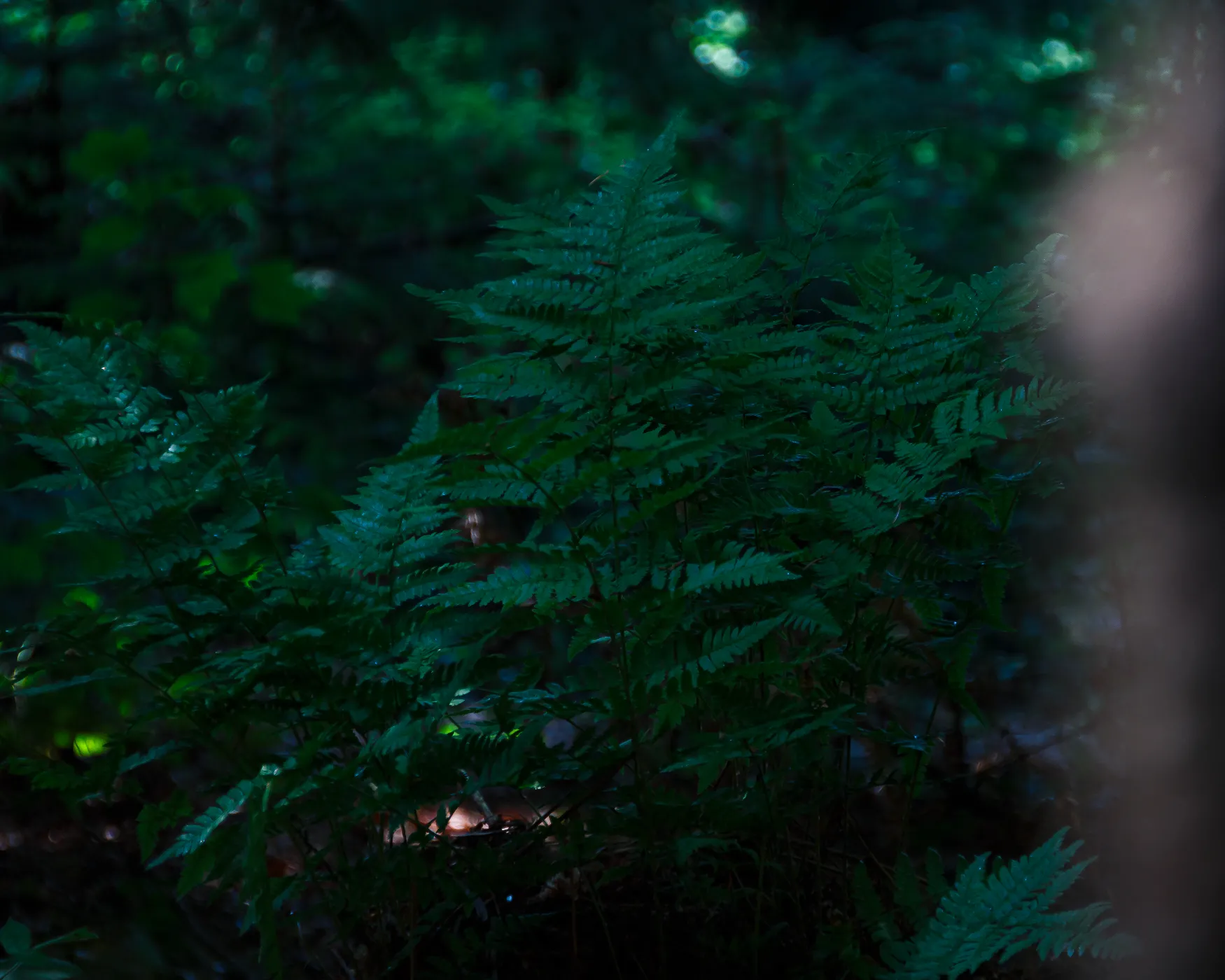
Fern in forest shade
A fern growing in a forest in Switzerland. The moist shaded environment and forest canopy well illustrate the conditions in which many shade-tolerant plants develop.
Shade-tolerant plants tolerate partial shading but grow best in diffused light or partial shade. They need 3–5 hours of direct sun, and the rest of the time light shade is sufficient. This group includes many leafy vegetables (lettuce, spinach, arugula), some root crops (radish, turnip), and berry shrubs (currant, gooseberry). Among fruit crops—plum, cherry, and some apple varieties. Ornamental perennials such as hosta, astilbe, and ferns also prefer partial shade (Johnson, 2023). Such plants can be placed under the crowns of trees with airy foliage or along walls that shade them at midday.
Shade-loving plants are able to live in very low light—for example, under a dense forest canopy or on the northern side of a building. Direct sun is often harmful to them, as it causes burns and suppresses growth. Typical representatives: many forest herbs (wood sorrel, wild ginger), some ferns, mosses, and also houseplants such as sansevieria and spathiphyllum. In the garden, shade-loving crops are planted in the most shaded places, where direct rays almost never reach (Capon, 2022). It is important not to confuse shade tolerance and shade loving: the former can tolerate shade but choose light when possible; the latter truly prefer shade and grow poorly in sun.
When planning a plot, it is useful to remember that lighting changes during the day and the season. Morning sun is softer than midday sun, and the shade from deciduous trees disappears in winter. Therefore, before choosing a place for a plant, it is worth observing the plot at different times of day and in different months.

Solar Automatic Drip Irrigation Kit for Gardens
Automate watering for pots, gardens and small greenhouses. This solar-powered system features a timer to help schedule water delivery to your plants.
- Solar-powered
- 15 m irrigation hose
- Programmable watering
Affiliate link · Check included accessories.
5. By relation to heat: cold-hardy, heat-loving, heat-resistant
Temperature is the second most important factor after light in determining where and when particular crops can be grown. Each plant has its own temperature range in which it grows and develops best. Outside this range, growth slows, and at extreme values the plant may die (Hopkins, Hüner, 2009).
Cold-hardy plants are able to tolerate low positive temperatures and short-term frosts. Their seeds germinate at +2…+5 °C, and the optimal temperature for growth is +15…+20 °C. These include cabbage, carrot, beet, radish, lettuce, spinach, dill, onion, peas, as well as many perennial herbs and berry shrubs. These crops are often sown in early spring or before winter, since they are not afraid of cold and can use the moisture of spring rains (Balashev, Zeman, 1981). In regions with cool summers, it is precisely cold-hardy crops that become the basis of the vegetable garden.

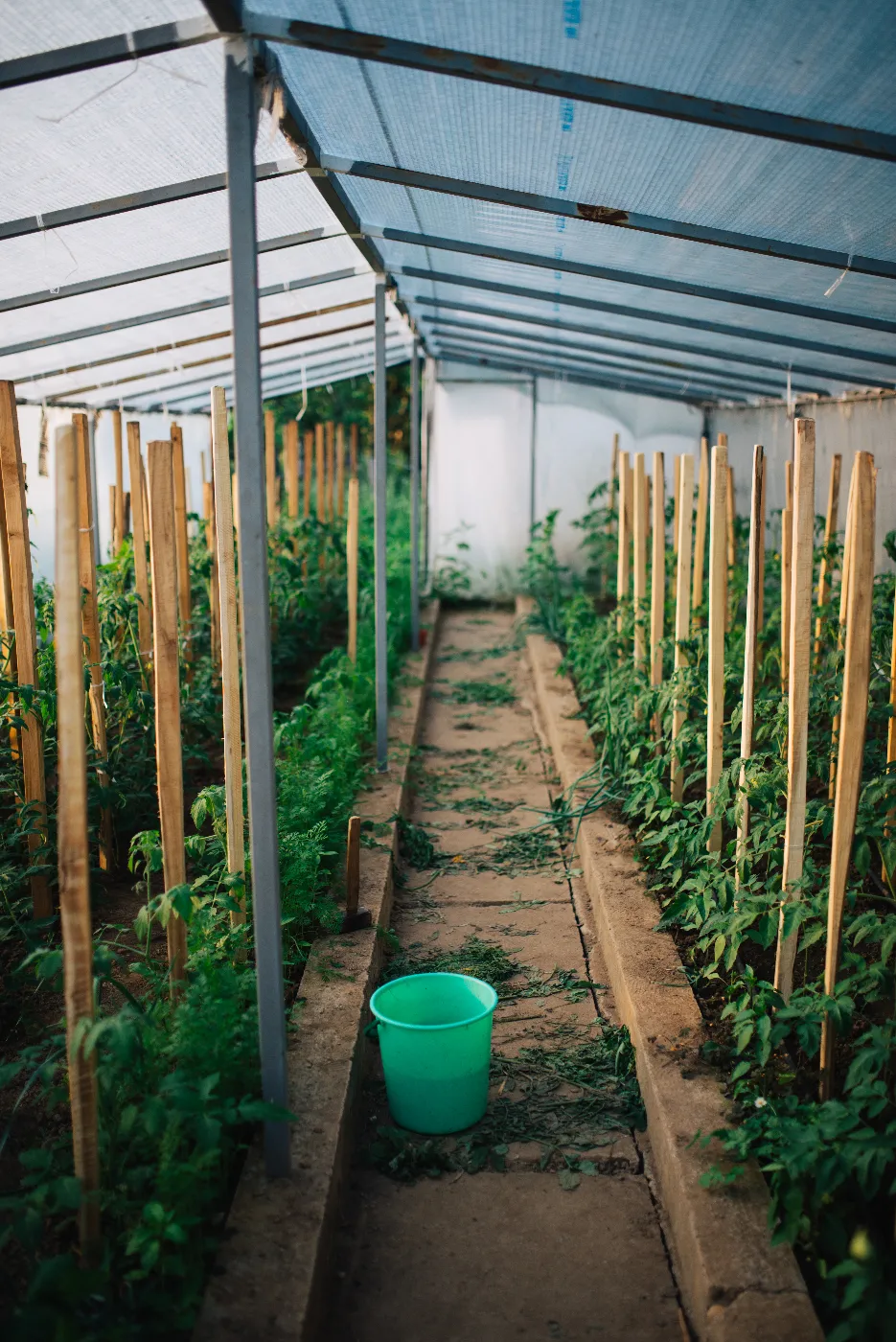
Growing tomatoes in protected ground
Rows of cultivated tomato plants (Solanum lycopersicum) in a greenhouse. The photograph illustrates the cultivation of a heat-loving vegetable crop under protected-ground conditions.
Heat-loving plants require higher temperatures for growth and fruiting—usually +20…+30 °C. At temperatures below +10…+15 °C their growth stops, and frosts are fatal for them. These are most fruit vegetables: tomato, cucumber, pepper, eggplant, zucchini, as well as corn, beans, and melons (watermelon, melon, pumpkin). Among fruit and berry crops—grapes, peach, apricot, sweet cherry, fig. Such crops are grown through seedlings, planted in the ground only after the end of spring frosts, and are often covered at night during cold periods (Trunov, 2012). In a temperate climate, the warmest, wind-protected areas are chosen for them.
Heat-resistant plants withstand not only high but also extremely high temperatures—up to +40 °C and above. They often come from arid and tropical regions and have special adaptations: small leaves, a waxy coating, a powerful root system. These include sorghum, millet, some types of beans, watermelon, melon, as well as cacti and succulents. In hot, dry climates these crops feel better than many others, but at the same time they may suffer from lack of moisture, so they require a special watering regime (Hopkins, Hüner, 2009). For the gardener it is important to understand that heat resistance does not cancel the need for water—it only allows the plant to endure peak temperatures without irreversible damage.
Knowledge of heat preferences helps to choose the right sowing dates and place for each crop. For example, cold-hardy crops can be sown directly in the ground in early spring, while heat-loving crops can be grown only through seedlings and after stable warmth. In regions with a short summer, heat-loving crops are often grown in greenhouses or hotbeds to extend the growing season.
6. By relation to water: drought-resistant and moisture-loving
Water is an obligatory condition of life, but different plants consume it in unequal amounts and tolerate drought differently. For the gardener this means that even with irrigation, not all crops will feel equally good on the same plot. By relation to water regime, plants are divided into several groups, of which the two extreme ones are most important: drought-resistant and moisture-loving (Kotov, Adritskaya, 2016).
Drought-resistant plants are able to tolerate long periods without watering without losing viability. They often have a deep root system, small or modified leaves (spines, scales), a waxy coating on the surface, and sometimes the ability to store water in tissues. Typical representatives: cacti, succulents (agave, aloe, sedum), lavender, rosemary, thyme, sage, as well as many steppe and desert grasses. Among vegetable crops, drought-resistant ones include sorghum, millet, some bean varieties, and watermelon. Fruit crops—apricot, almond, pistachio, pomegranate. Such plants require well-drained soil and rare but abundant watering; stagnant moisture is often more dangerous for them than drought (Westwood, 1993). In arid regions, it is drought-resistant crops that form the basis of gardens.
Moisture-loving plants need a constant presence of water in the soil. They usually have large, soft leaves, thin roots, and often a high water content in tissues. With a lack of moisture they quickly wilt, and prolonged drought can lead to death. Moisture-loving plants include cabbage, cucumber, radish, lettuce, spinach, celery, as well as many ornamental perennials (hosta, astilbe, marsh iris). Among fruit and berry crops—black currant, raspberry, strawberry, quince. These crops require regular watering, mulching, and often heavier, moisture-retentive soils (Bubel, 2024). In a dry climate they are grown only with irrigation.

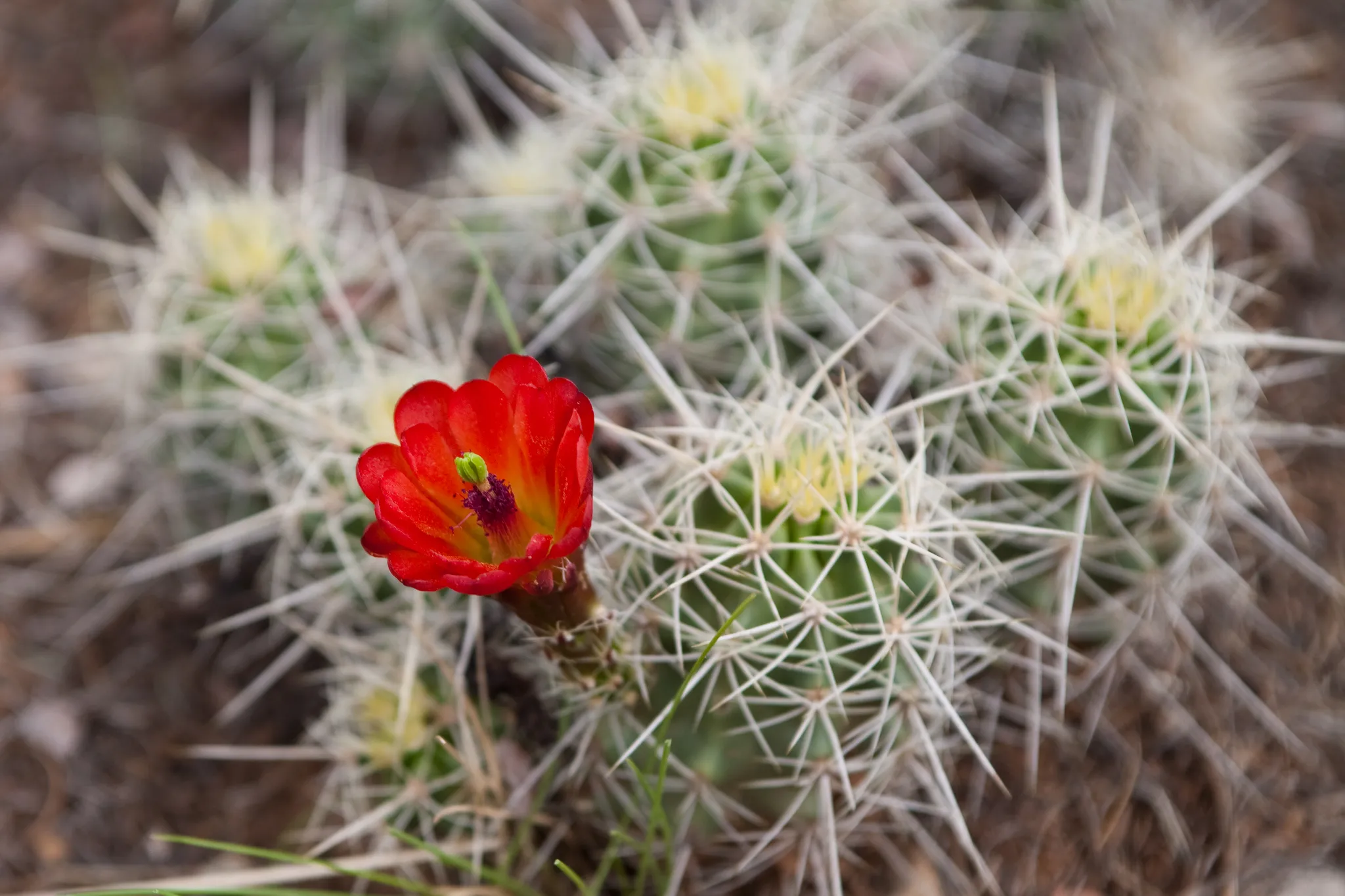
Prickly pear cactus (Opuntia sp.) adapted to life under conditions of water deficiency
The photograph was taken in the Mesa Verde area, USA. Using this plant as an example, the characteristic features of xerophytes can be shown.

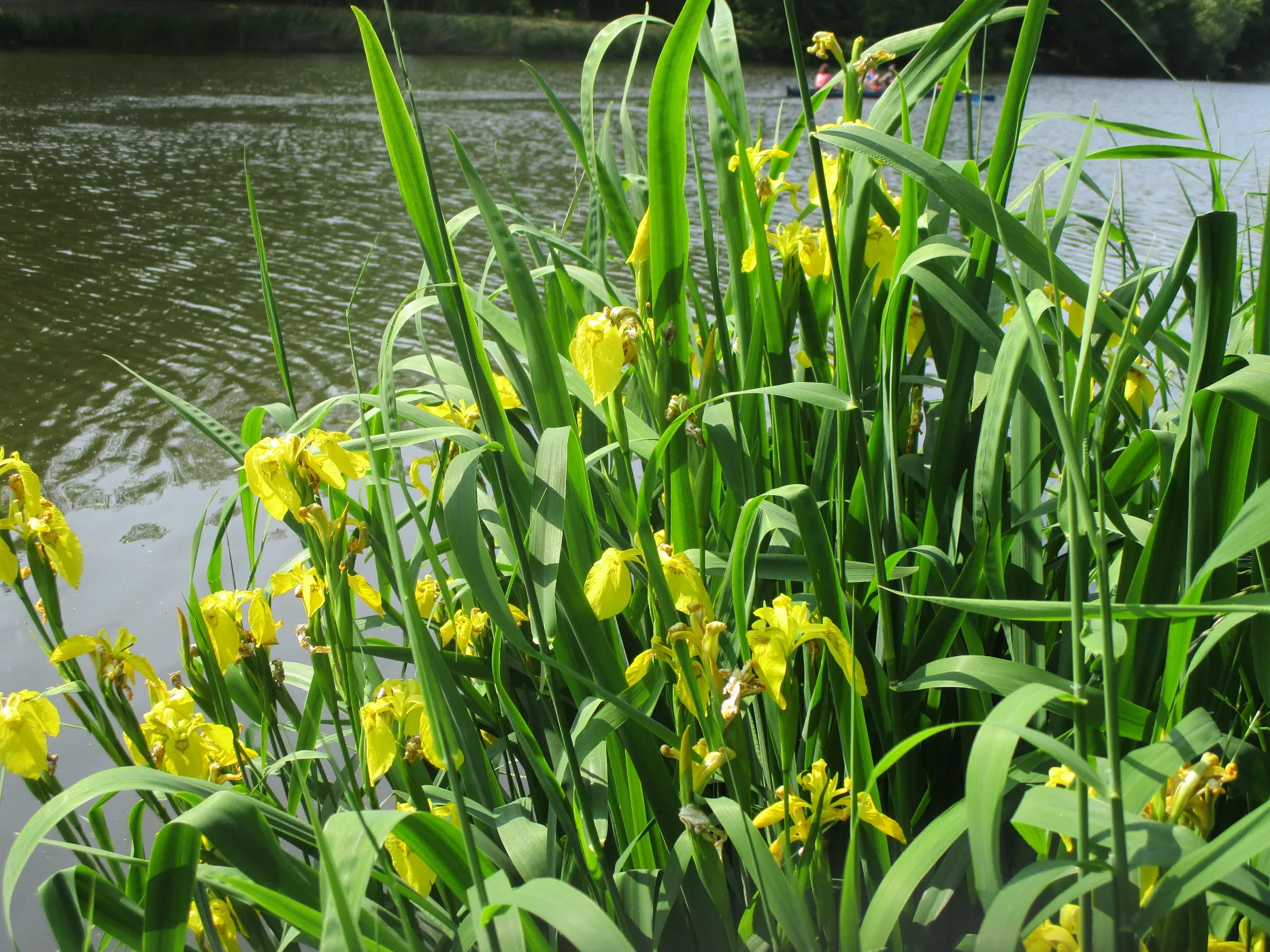
Yellow flag iris (Iris pseudacorus) growing in the St. Arnualer Wiesen nature reserve by the Saar River, Germany
A good example of a plant adapted to moist soil and conditions of marshy areas.
Between these two groups there are intermediate ones—plants that prefer moderate moisture. Most vegetable and fruit crops of the temperate zone belong precisely to them: they need watering during dry periods but do not tolerate waterlogging. The practical conclusion: when choosing plants for a plot, it is important to consider not only the amount of precipitation in the region but also the water-holding capacity of the soil, as well as the possibility of organizing irrigation. Where water is scarce, it is better to rely on drought-resistant species; in wet lowlands, on moisture-loving ones.

7-in-1 Wi-Fi Weather Station
Monitor local weather conditions with a wireless outdoor sensor. Track temperature, humidity, rainfall, wind speed and direction, and atmospheric pressure. Ideal for gardens, farms and greenhouses.
- Wireless outdoor sensor
- Solar-powered
- Wi-Fi connectivity
Affiliate link · Check regional compatibility.
7. Climatic zones: tropics, subtropics, temperate zone, continental climate, arid, boreal, Mediterranean
Climate is the combination of weather conditions characteristic of a particular area over many years. For the gardener, climate is the main filter determining which plants can be grown without excessive effort. Even with the most careful care it is impossible to change day length, average summer temperatures, or the amount of precipitation. Therefore, knowing your climatic zone is the starting point when choosing crops (Johnson, 2023).

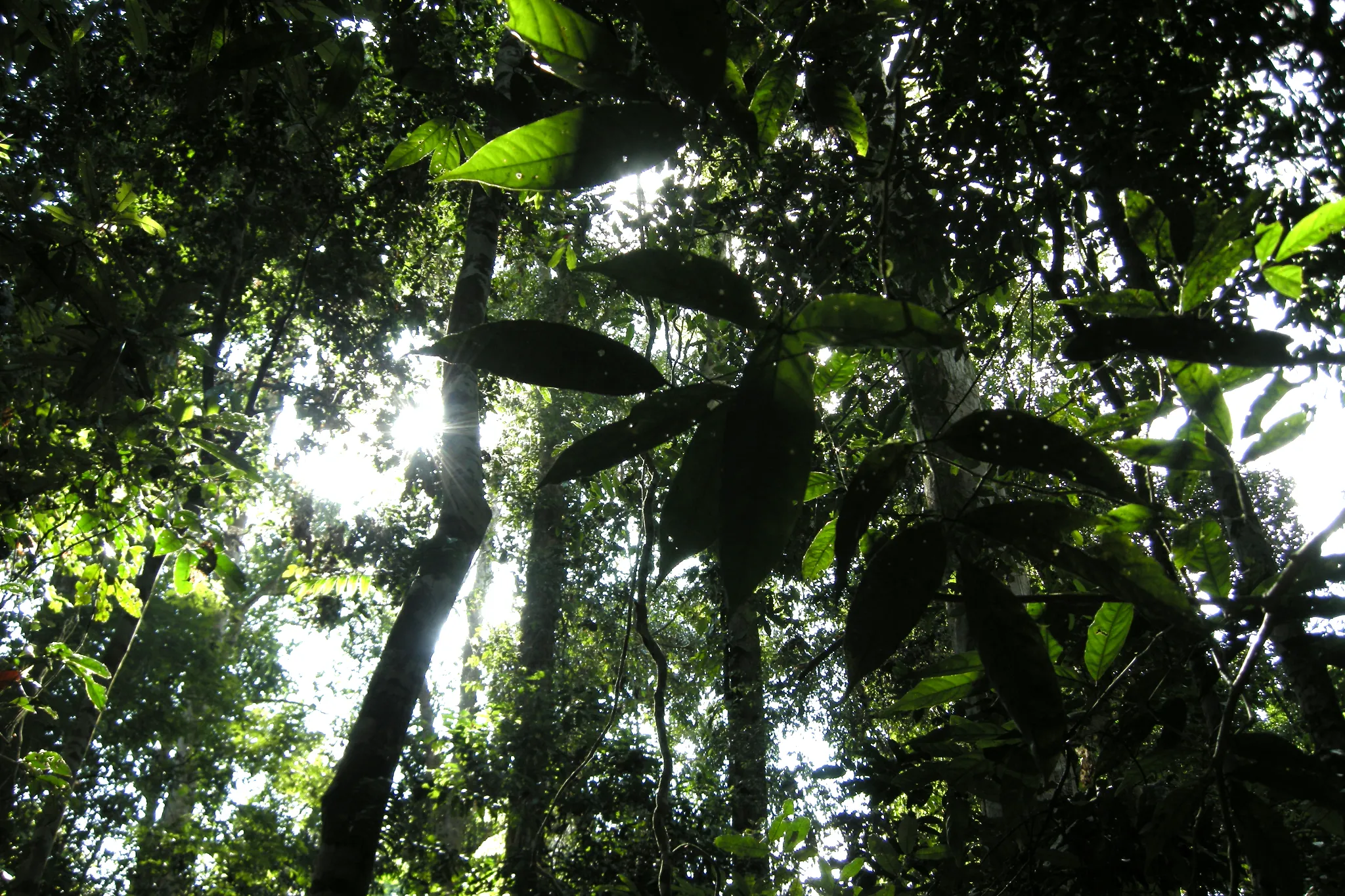
Humid tropical forest of Malaysia
Primary humid tropical forest of Taman Negara National Park, located on the Malay Peninsula, Malaysia. Lush vegetation clearly conveys the features of tropical ecosystems with high humidity and abundant precipitation.
The tropics are the zone between the Tropic of Cancer and the Tropic of Capricorn, where the temperature stays above +20 °C all year round and seasonal fluctuations are minimal. Humidity can be very high. Banana, coconut palm, mango, papaya, cocoa, and coffee grow here. For gardeners in temperate latitudes these crops are unavailable in open ground, but some of them can be grown in conservatories or as houseplants. An important feature of the tropics is the almost constant day length, which does not suit plants that require a short or long day for flowering (Zona, 2023).
The subtropics are a transitional zone between the tropics and the temperate zone. Summers are hot, winters mild, with slight frosts or none at all. Citrus, pomegranate, fig, olive, laurel, and many heat-loving vegetables grow successfully here. The subtropics are favorable for gardening but require consideration of winter minimums: even short-term frosts can damage tender crops (Westwood, 1993).
The temperate zone is a zone with clearly defined four seasons. Summer is warm, winter is cold, with stable negative temperatures. Here people grow apple, pear, plum, cherry, currant, gooseberry, raspberry, strawberry, and most vegetables. The temperate zone is the homeland of many traditional garden crops, and it is precisely for it that the main agronomic techniques were developed (Potapov, 2000).
Continental climate is a subtype of the temperate zone characterized by large temperature amplitudes: hot summers and very cold winters, often with little precipitation. Plants must have high frost resistance and the ability to tolerate drought. Under such conditions, Siberian crabapple, sea buckthorn, bird cherry, aronia, and among vegetables—cabbage, carrot, beet, potato—grow well. A continental climate requires special attention to snow retention and protection of roots from freezing (Trunov, 2012).
Arid climate is dry, with high summer temperatures and little precipitation. Natural vegetation here is represented by xerophytes: cacti, succulents, drought-resistant shrubs. For gardening, arid zones require irrigation; without watering, only the most undemanding crops can be grown—date palm, some acacia species, olive. In oases and with artificial irrigation, gardens of fig, pomegranate, grape, and apricot become possible (Lambers, Oliveira, 2019).
Boreal climate (from Greek boreas—northern) is the zone of the cold temperate belt covering the taiga regions of the Northern Hemisphere. Winters are long and severe, summers short and cool. The growing season often does not exceed 100–120 days. Here people grow early-maturing varieties of potato, cabbage, turnip, radish, and berry shrubs—currant, gooseberry, honeysuckle. Fruit trees are represented mainly by creeping forms of apple and felt cherry (Naida, 2021).

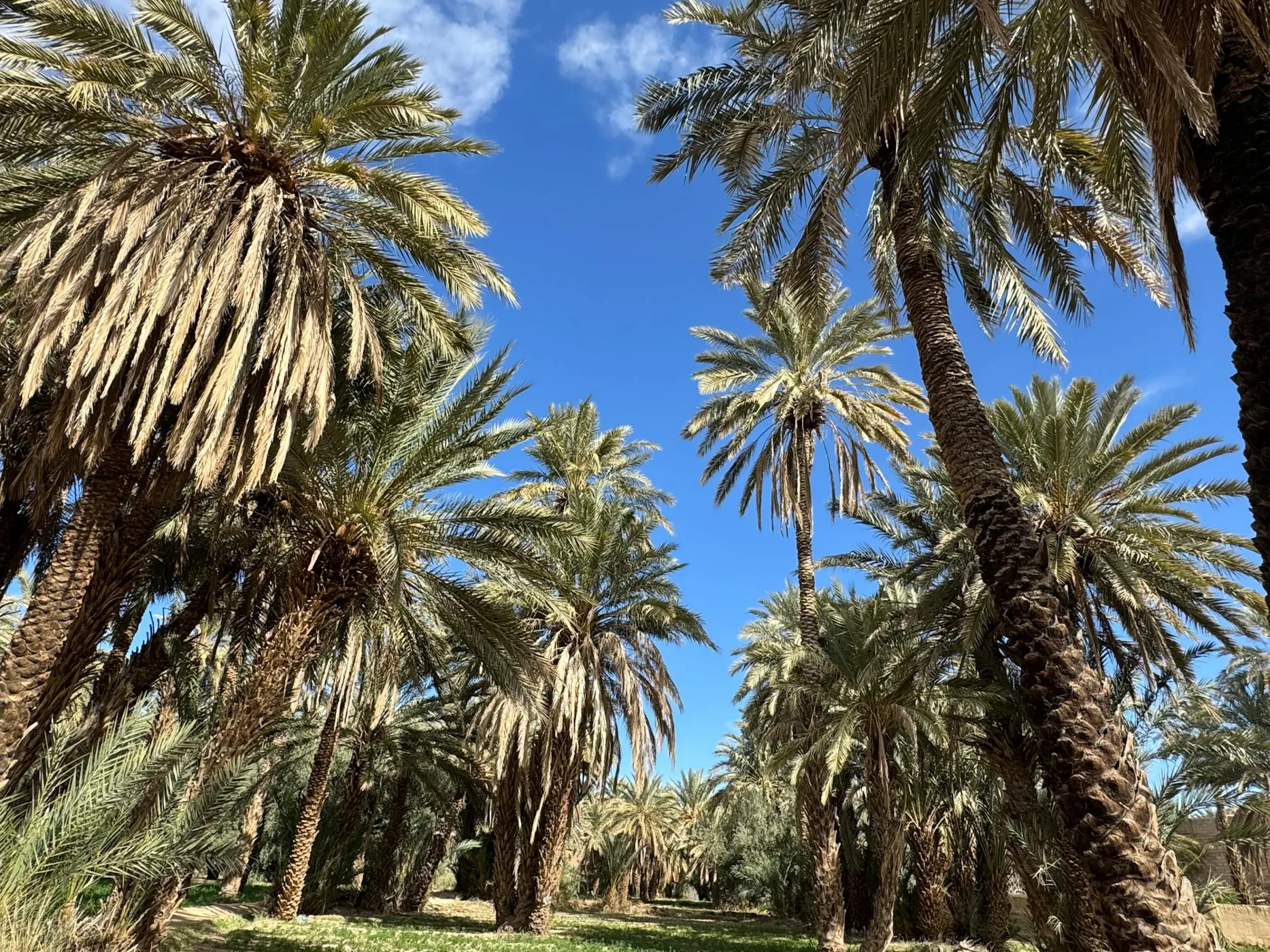
Oasis with date palms (Phoenix dactylifera)
The photograph is suitable for illustrating the vegetation of arid regions and the role of available water in creating local conditions for growing plants.

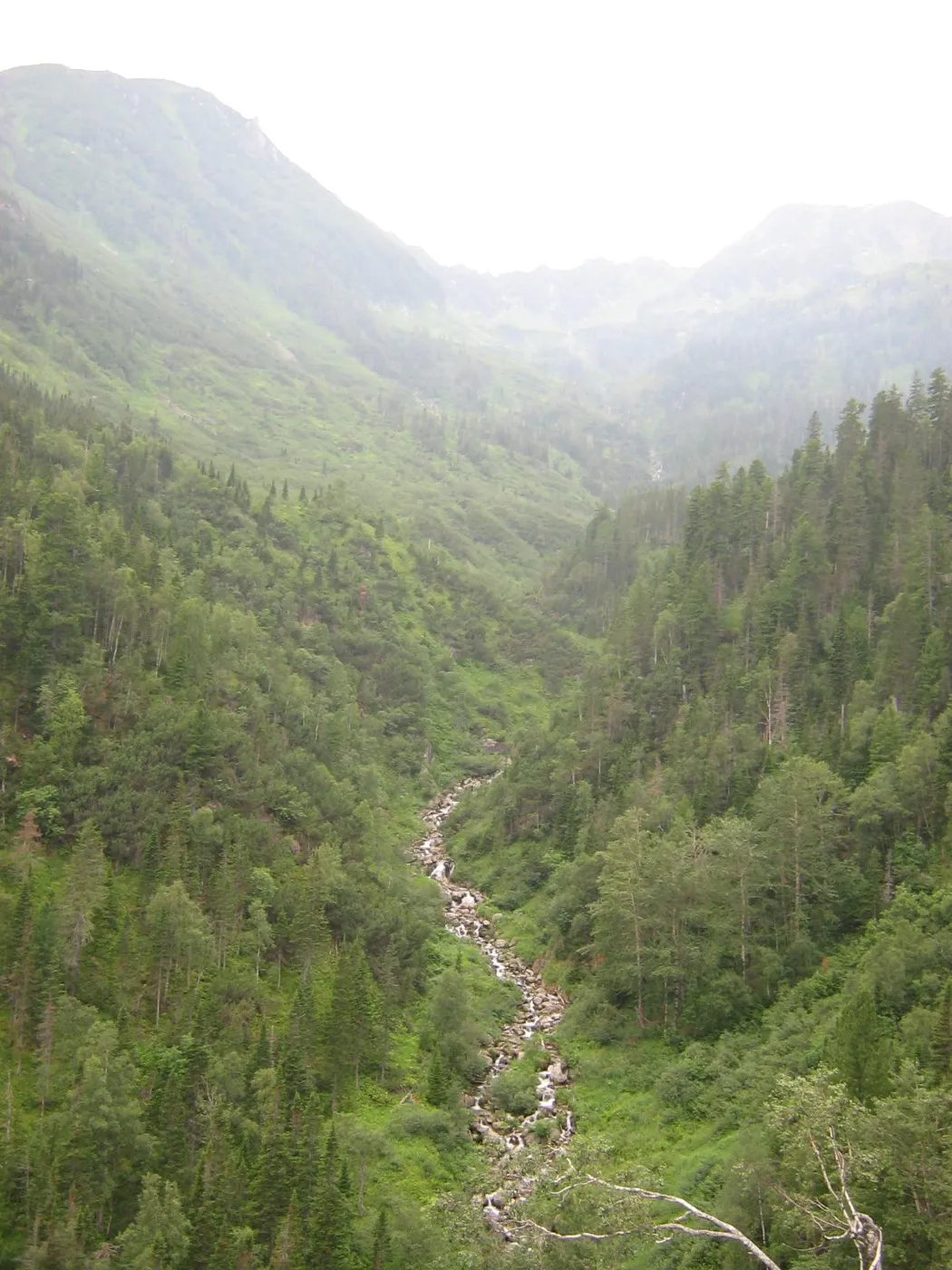
South Siberian taiga by the Taltsinka stream
Mixed forest of the South Siberian taiga with Siberian fir (Abies sibirica), Siberian spruce (Picea obovata), and Scots pine (Pinus sylvestris). The photo was taken by the Taltsinka stream, in the Khamar-Daban ridge area, Slyudyansky District, Irkutsk Oblast, Russia.

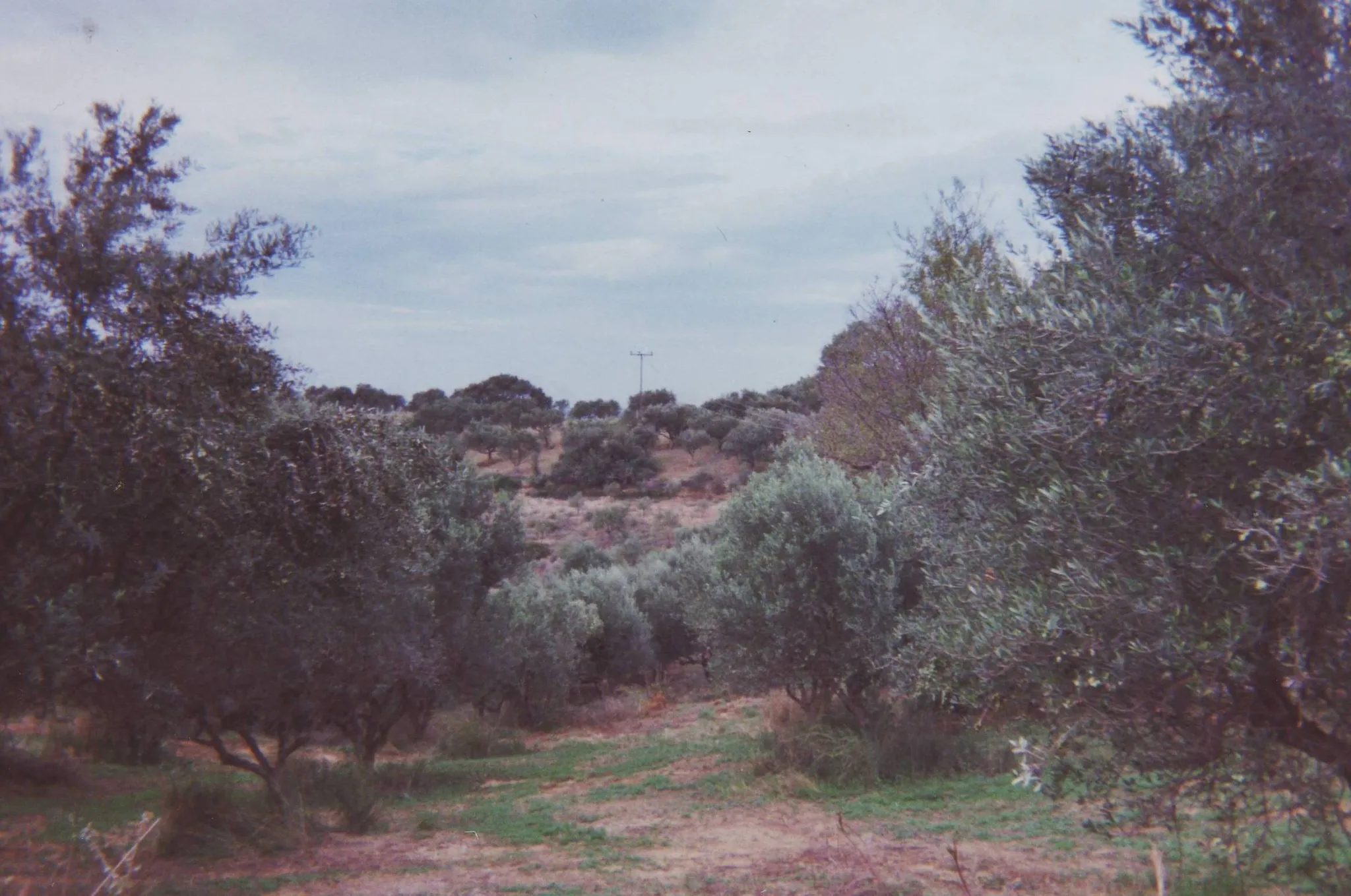
Traditional olive grove of Greece
Olive grove with European olive (Olea europaea) on the Peloponnese Peninsula, Greece. The photograph well illustrates the typical agricultural use of the Mediterranean landscape.
Mediterranean climate has warm dry summers and mild wet winters. This is one of the most favorable zones for gardening: olive, fig, pomegranate, citrus, grapes, lavender, rosemary, and thyme grow here. Vegetables can be grown all year round, but irrigation is required in summer. The Mediterranean climate is characteristic of the coasts of the Mediterranean and Black Seas, California, Chile, southern Africa, and southern Australia (Johnson, 2023).
Each zone imposes its own limitations and opens its own possibilities. When choosing plants, it is important not only to determine your zone but also to take into account local microclimates: slopes, proximity to water bodies, protection from winds. That is why there are no universal recommendations on “what to plant”—there is only an understanding of plant requirements and the conditions of your plot.
8. Why a plant cannot grow in another climate: cold, heat, humidity, day length, soil
Even with the most careful care, a plant will not be able to grow and bear fruit fully if the climate does not match its biological requirements. This is because each species is evolutionarily adapted to a certain set of conditions, and an attempt to “break” nature rarely ends in success. Let us consider the main factors that limit the distribution of plants.
Cold. For plants of temperate latitudes, cold is not simply an inconvenience but a necessary signal for completing the life cycle. Many fruit trees (apple, pear, cherry) require a period of winter dormancy with a certain number of hours of low positive temperatures—the so-called chilling requirement. Without this they will not bloom in spring or will bloom weakly. In the tropics, where winter is warm, these crops cannot fruit normally (Westwood, 1993). In addition, the frost resistance of different organs is not the same: roots are damaged already at –15…–16 °C, whereas branches can withstand –35…–40 °C (Trunov, 2012). Therefore, even if the aboveground part has not been frost-damaged, the root system may die, and the plant will not recover.
Heat. High temperatures disrupt photosynthesis and increase respiration, so the plant loses more organic substances than it produces. In many crops at +30…+35 °C photosynthesis slows, and at +40…+45 °C it may stop completely. Plants of the humid temperate climate are especially sensitive to overheating; heat-resistant species (sorghum, watermelon, cacti) have special adaptations, but even they suffer from the combination of heat and drought (Hopkins, Hüner, 2009).
Humidity. Lack of moisture in the soil and air limits growth and productivity. Moisture-loving crops (cabbage, cucumber, radish) quickly wilt and become coarse when the air and soil are dry. Excess moisture is also dangerous: in waterlogged soil the roots suffocate from lack of oxygen, and high air humidity promotes the spread of fungal and bacterial diseases (Kotov, Adritskaya, 2016). In an arid climate, only drought-resistant species can grow without irrigation.
Day length. Photoperiodism—the response of plants to the ratio of day and night length—controls flowering, tuber formation, leaf fall, and the transition to dormancy. Short-day plants (chrysanthemum, soybean, some onion varieties) flower when the light day is less than 12 hours; long-day plants (radish, spinach, wheat) when the day is more than 14 hours. If they are grown at latitudes with unsuitable day length, they may not flower at all or may not form a crop (Zona, 2023). This is precisely why many tropical plants do not fruit in temperate latitudes, even in greenhouses.
Soil. Acidity (pH), mechanical composition, content of organic matter and mineral elements—all this affects the availability of nutrients. Blueberry and rhododendrons require acidic soils (pH 4.5–5.5), while cabbage and beet grow best in neutral or slightly alkaline soils (pH 6.5–7.5). On alkaline soils, iron and manganese become unavailable, causing chlorosis. Saline soils suppress most vegetable crops, although beet and pumpkin are relatively salt-tolerant (Kotov, Adritskaya, 2016).
Thus, climate and soil create a complex set of conditions that cannot be fully compensated by agronomic practices. Irrigation, fertilizers, and covers help mitigate individual factors but cannot change day length or replace winter cold. That is why it is so important to select plants that correspond to your zone.

40W Full Spectrum LED Grow Light
Support healthy plant growth with full-spectrum LED lighting. Ideal for seedlings, indoor plants and small growing spaces. A practical solution for indoor gardening and year-round cultivation.
- Full-spectrum LED
- Energy-efficient design
- Indoor plant growing
Affiliate link · Check actual power and light coverage.
9. Examples: what grows in Siberia, what in California, what in the Mediterranean
To better understand how climate determines the choice of crops, let us consider three contrasting regions.
Siberia is a vast territory with a sharply continental climate: a long severe winter (down to –40…–50 °C), a short cool summer, and often insufficient moisture. Here frost-resistant and early-maturing crops are grown successfully. Among fruit crops—Siberian crabapple (ranetka), felt cherry, sea buckthorn, bird cherry, aronia, edible honeysuckle. Berry crops are represented by currant, gooseberry, raspberry, and strawberry. Vegetables: potato, cabbage, carrot, beet, turnip, radish, onion, garlic, and also early-maturing varieties of tomato and cucumber (in greenhouses). Many heat-loving crops (peach, apricot, grapes) do not grow in open ground, with the exception of certain covered forms (Naida, 2021).

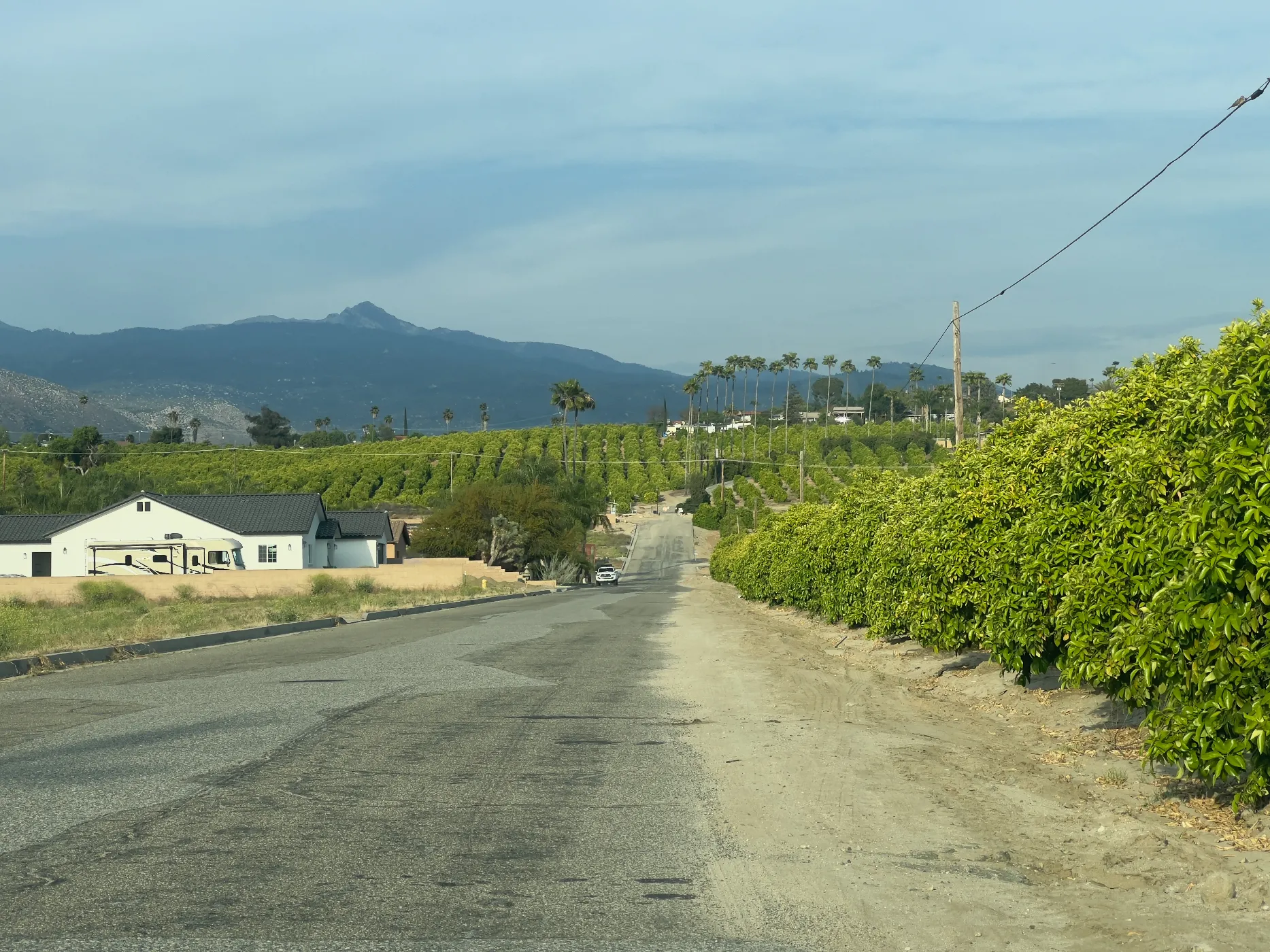
Citrus groves near the San Jacinto Mountains
Orange groves with orange trees (Citrus × sinensis) against the background of the San Jacinto Mountains. The photo was taken in Valle Vista, California, USA. It well demonstrates the agricultural landscapes of the region with mild winters and the possibility of growing heat-loving fruit crops.
California is a region with an extremely diverse climate: from Mediterranean on the coast to desert in the southeast and mountain in the east. Thanks to mild winters and hot dry summers, citrus (orange, lemon, grapefruit), avocado, olive, fig, pomegranate, grapes, almond, pistachio, and walnut are grown here. Vegetable growing is possible all year round with irrigation: tomatoes, peppers, eggplants, artichokes, lettuces. In California, irrigation plays a huge role, since there is almost no summer precipitation. At the same time, different microclimates make it possible to grow both temperate-zone plants (apple, pear) and subtropical crops (Johnson, 2023).
The Mediterranean is a zone with warm dry summers and mild wet winters. Here olive, fig, pomegranate, grapes, citrus (in sheltered places), laurel, rosemary, lavender, and thyme are traditionally grown. Vegetable crops: tomato, pepper, eggplant, zucchini, artichoke, lettuce, culinary herbs. Thanks to the mild winter, many crops overwinter in open ground. In summer irrigation is required, but drought-resistant species (lavender, rosemary) manage with a minimal amount of water (Westwood, 1993).
These examples show that the choice of plants is dictated not by the gardener’s desire but by climate. In Siberia it is impossible to grow citrus in open ground, and in the Mediterranean many northern berry crops that require prolonged cold will not survive. Understanding climatic zones and plant requirements allows you to avoid disappointment and create a sustainable garden.
10. Regional aspect: the same species in different zones requires different practices
Even if a plant formally suits your climatic zone, agronomic practices in different regions will differ greatly. The same species may require completely different approaches to sowing, watering, training, and winter protection depending on local conditions. This is important to understand so as not to copy blindly advice from books or the internet written for a different climate.
Tomatoes are a clear example. In southern regions with hot summers they are often grown by direct sowing in the ground or through seedlings, planting them in open ground as early as April. In Siberia and the Urals, tomatoes are grown only through seedlings, often in greenhouses, and in open ground—with mandatory covering in case of return frosts. The dates for sowing seedlings in cold regions shift to February–March so that by the time of planting the plants are strong but not overgrown. In a hot climate, frequent and abundant watering is required; in a cool one, moderate watering is needed so as not to provoke fungal diseases (Bubel, 2024).
Apple in the temperate zone is a large tree 5–8 meters high, which is trained with a trunk and several scaffold branches. In Siberia and the Far East it is grown in a creeping (stlanets) form: the branches are bent to the ground and covered with snow so that they do not freeze. Such training requires special pruning and takes up more area, but it allows a harvest where ordinary trees would die (Trunov, 2012).
Grapes in the Mediterranean grow without covering, often on trellises, and require only formative pruning. In central Russia and in colder regions they are grown as a covered crop: in autumn the vine is removed from the trellis, laid on the ground, and covered with agricultural fleece, spruce branches, or soil. Without this, winter frosts will destroy the buds. In addition, in cold regions ultra-early varieties are chosen so that the harvest has time to ripen before frost (Kotov, Adritskaya, 2016).
Cucumbers behave differently in greenhouses and in open ground. In a hot dry climate they are shaded during midday hours to avoid leaf burns. In a temperate climate, on the contrary, they try to make maximum use of sunny days and protect them from cold winds. In both cases watering should be regular, but in heat it should be more frequent, and in cool conditions moderate, so that the roots do not rot (Zona, 2023).
Even soil requires a different approach: in arid zones it is improved by adding organic matter and mulching to retain moisture, while in regions with excessive moisture it is drained and beds are raised. Soil acidity also differs in different regions, and the same species may need liming on acidic soils or, conversely, acidification on alkaline ones (Lambers, Oliveira, 2019).
Thus, the regional aspect is not simply a “correction for climate” but a whole system of practices that makes cultivation possible. It is important for the gardener not only to know their zone but also to adapt general recommendations to local conditions.
11. Conclusion: before planting, find out your zone and the plant’s requirements
Plant classification is not an academic exercise but a practical tool that helps make correct decisions. We have examined the main groups: by economic use, by life cycle, by relation to light, heat, and water. We have seen that climatic zones—tropics, subtropics, temperate zone, continental, arid, boreal, and Mediterranean—create different conditions, and plants are evolutionarily adapted to them. We have found out why cold, heat, humidity, day length, and soil can become an insurmountable barrier for a crop, even if you very much want to grow it.
The main conclusion is simple: before buying seeds or a seedling, find out your climatic zone and the plant’s requirements. Determine which zone your region belongs to (for example, by USDA hardiness zones or by local agroclimatic reference books). Then study what the chosen crop needs: how much light, heat, water, what soil type, and what day length is needed for flowering. Compare these data with the real conditions of your plot, taking into account the microclimate (slopes, proximity of buildings, winds).
If a plant does not suit the key parameters, do not waste time and effort. No amount of even the most intensive care will replace the winter cold necessary for setting flower buds, or the long day without which some species will not flower. It is far more reasonable to choose crops that were initially created for your climate and to work with them, enjoying the process and the harvest.
Classification helps us not to fight nature but to understand it. Use it as a map that leads to a successful garden. And then every planted shrub or tree will delight you with health and fruit for many years.
References
- (2015). ‘Naming plants’, in Ingram, D.S., Vince-Prue, Daphne, Gregory, P.J. (ed.) Science and the Garden. The scientific basis of horticultural practice. West Sussex, UK: Royal Horticulture Society. Wiley Blackwell, pp. 45-54.
- Bubel, Nancy, Nick, Jean (2024). ‘Encyclopedia of Plants to Grow from Seed’, in The New Seed-Starters Handbook. : Rodale, .
- Capon, Brian (2022). ‘The Structure and Growth of Plants’, in Botany for Gardeners. An Introduction to the Science of Plants. Portland, Oregon: Timber Press, pp. 11-87.
- Hopkins, W.G., Hüner, N.P..A. (2009). ‘Temperature: Plant Development and Distribution’, in Introduction to Plant Physiology. Hoboken, NJ: John Wiley & Sons, pp. 447-458.
- Johnson, Noelle (2023). ‘Choosing the Right Plants for Hot, Arid Regions’, in Dry Climate Gardening. Beverly, MA: Cool Springs Press, .
- Johnson, Noelle (2023). ‘Plant List’, in Dry Climate Gardening. Beverly, MA: Cool Springs Press, .
- Lambers, Hans, Oliveira, R.S. (2019). ‘Life Cycles: Environmental Influences and Adaptations’, in Plant Physiological Ecology. Cham: Springer International Publishing, 451-486. doi: 10.1007/978-3-030-29639-1_11
- Pratt, M.M. (2005). ‘Plant Classification and Naming’, in Practical Science for Gardeners. Portland, Oregon: Timber Press, pp. 146-158.
- Rubatzky, V.E., Yamaguchi, Mas (1997). ‘Environmental Factors Influencing the Growth of Vegetables’, in World Vegetables. Boston, MA: Springer US, pp. 59-80. doi: 10.1007/978-1-4615-6015-9_6
- Sharma, O.P. (2009). ‘Classification’, in Plant Taxonomy. New Delhi: Tata McGraw-Hill Education Private Limited, pp. 19-45.
- Stuessy, T.F. (2009). ‘A Few Definitions’, in Plant Taxonomy. New York: Columbia University Press, pp. 3-12.
- Stuessy, T.F. (2009). ‘The Importance and Universality of Classifi cation’, in Plant Taxonomy. New York: Columbia University Press, pp. 19-24.
- Stuessy, T.F. (2009). ‘The Relevance of Systematics’, in Plant Taxonomy. New York: Columbia University Press, pp. 13-18.
- Westwood, M.Neil (1993). ‘General Environment’, in Temperate-zone. Pomology. Physiology and Culture. Portland, Oregon: Timber Press, pp. 29-47.
- Zona, Scott (2026). ‘Being a Plant’, in A Gardener's Guide to Botany. Beverly, MA: Cool Springs Press, .
- Zona, Scott (2026). ‘What a Plant Needs: Light’, in A Gardener's Guide to Botany. Beverly, MA: Cool Springs Press, .
- Zona, Scott (2026). ‘What a Plant Needs: Nutrients’, in A Gardener's Guide to Botany. Beverly, MA: Cool Springs Press, .
- Zona, Scott (2026). ‘What a Plant Needs: Water’, in A Gardener's Guide to Botany. Beverly, MA: Cool Springs Press, .
- Балашев, Н.Н., Земан, Г.О. (1981). ‘Биологические основы овощеводства [Biological foundations of vegetable growing]’, in Зуев, В.И. (ed.) Овощеводство [Vegetable growing]. Ташкент, Навои, Узбекистан: Укитувчи, pp. 20-47.
- Котов, В.П., Адрицкая, Н.А. (2016). ‘Биологические основы овощеводства [Biological foundations of vegetable growing]’, in Овощеводство [Vegetable growing]. Санкт-Петербург: Лань, pp. 22-66.
- Куренной, Н.М. (1985). ‘Краткая биологическая и производственная характеристика плодовых растений [Brief biological and production characteristics of fruit plants]’, in Плодоводство [Fruit growing]. Москва: Агропромиздат, pp. 27-67.
- Найда, Н.М. (2021). ‘Систематика растений [Plant Systematics]’, in Ботаника. Систематика растений [Botany. Plant Systematics]. Санкт-Петербург: Санкт-Петербургский государственный аграрный университет, pp. 7-106.
- Потапов, В.А., Фаустов, В.В., Пильщикова, Ф.Н. (2000). ‘Биологические основы плодоводства [Biological foundations of fruit growing]’, in Плодоводство [Fruit growing]. Москва: Колос, pp. 3-124.
- Трунов, Ю.В., Самощенков, Е.Г., Дорошенко, Т.Н. (2012). ‘Биологические основы плодоводства [Biological foundations of fruit growing]’, in Плодоводство [Fruit growing]. Москва: КолосС, pp. 3-123.
