
How Plants Respond to Stress
1. What Stress Means for a Plant
In gardening, the word “stress” is often understood colloquially: “the plant looks sad,” “it lacks something.” In plant physiology, it is a more precise term. Stress is a state in which an external or biotic factor takes a plant out of its optimal regime and disrupts its internal balance — homeostasis (Hopkins and Hüner, 2009). A plant is an open system: it constantly exchanges water, gases, mineral substances, and energy with its environment. As long as conditions remain within an acceptable range, the plant maintains a stable state. As soon as that range is disturbed, protective and compensatory reactions are activated (Hopkins and Hüner, 2009).
It is important to distinguish between a stressor and stress. A stressor is a factor: drought, heat, cold, salinity, transplanting, pruning, a pathogen. Stress is the plant’s response to that factor. Stressors fall into two large groups:
- abiotic — temperature, water, light, mineral nutrition, salts, pollutants;
- biotic — insects, mites, fungi, bacteria, viruses, nematodes, competition with other plants (Hopkins and Hüner, 2009; Bhargava and Srivastava, 2013; Agrios, 2005).
Stress is relative. What is normal for one species may be critical for another. Desert and halophytic plants can tolerate salinity and heat that would kill many vegetable crops (Bhargava and Srivastava, 2013). Tomato may suffer from cold already at 10–15 °C, whereas many temperate crops tolerate such temperatures better (Hopkins and Hüner, 2009; Rubatzky and Yamaguchi, 1997). Therefore, one cannot judge stress by weather alone: one must look at the biology of the specific crop, its cultivar, and its developmental stage.
A plant cannot run away from a stressor. That is why evolution gave it three main strategies: avoidance, tolerance, and acclimation. Avoidance means waiting out an unfavorable period as seeds or underground organs, or sending roots toward water. Tolerance means withstanding dehydration, heat, cold, or salts through physiological mechanisms. Acclimation is gradual adjustment to new conditions, for example hardening off seedlings or cold stratification of seeds (Hopkins and Hüner, 2009; Pratt, 2005; Capon, 2022; Ingram et al., 2015).
Stress and disease are not the same thing. A disease may be infectious (caused by a pathogen) or noninfectious, related to the environment (Agrios, 2005). Abiotic stress often produces symptoms similar to disease: chlorosis, necrosis, wilting, small leaves, reddening. But a pathogen may be absent. In diagnostics, it is important first to assess conditions: roots, water, temperature, light, soil. Often it is improper care, not a pathogen, that leads a plant to death (Chalker-Scott, 2018).
Finally, stress is not always harmful. Moderate controlled stress can increase tolerance: hardening off seedlings, seed stratification, cold acclimation of fruit crops. But if stress is strong or chronic, it turns into damage and death (Hopkins and Hüner, 2009; Westwood, 1993).
Practical takeaway: a plant does not “get sick on its own” — it responds to conditions. The gardener’s task is not to treat the symptom but to understand the stressor and reduce its impact. This is the basis of prevention.
2. Types of Stress: Cold, Heat, Drought, Overwatering, Salt, Transplanting, Pruning, Diseases
Stressors are conveniently considered by source: what exactly disrupts homeostasis. Below are the main groups that gardeners encounter most often.
Cold and Frost

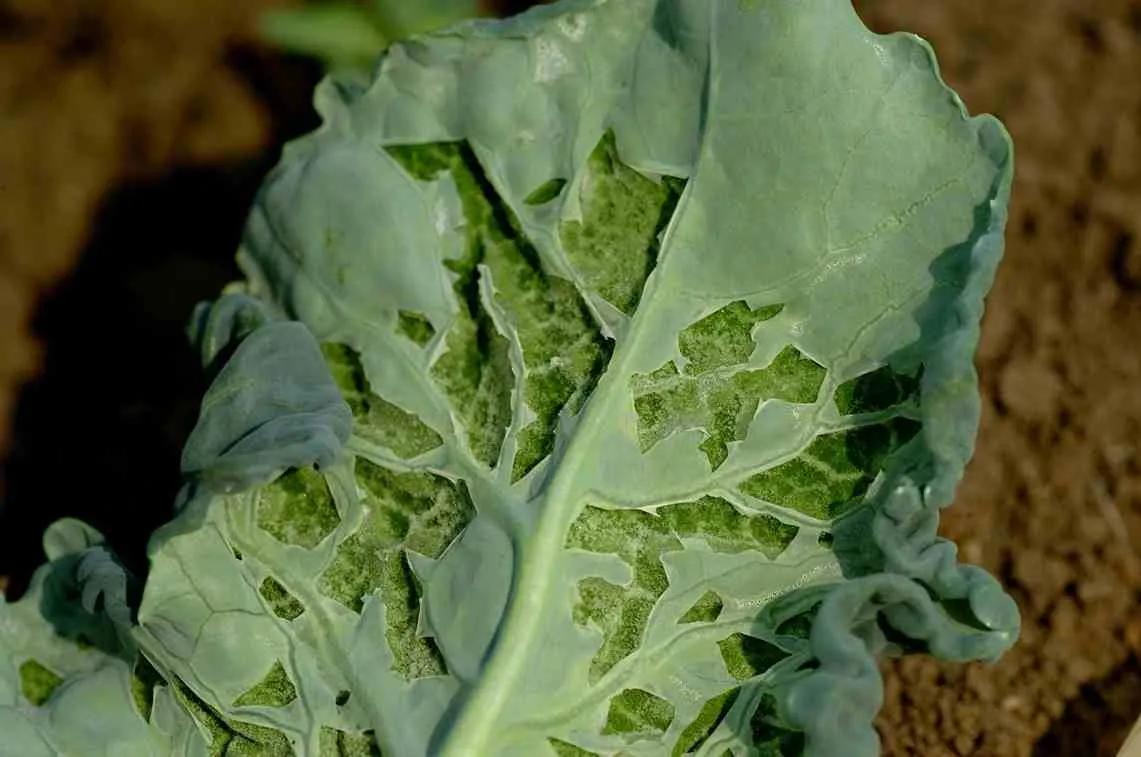
Damage to broccoli leaves by a late spring frost
Young broccoli leaves (Brassica oleracea var. italica) damaged by spring frosts. Low temperature caused tissue destruction and disruption of leaf blade integrity. The photograph shows damage to the first broccoli planting under cover.
Cold stress is divided into chilling (temperatures above zero but below optimal) and freezing (temperatures below zero). Warm-season crops — tomato, cucumber, cucurbits, banana — are damaged already at 10–15 °C, and sometimes even higher (Hopkins and Hüner, 2009). Temperate crops — apple, potato, asparagus — may suffer at 0–5 °C (Hopkins and Hüner, 2009).
The cause lies in membranes. During chilling, membrane lipids transition from a liquid to a semi-solid state, pump proteins are disrupted, selective permeability is lost, and the cell loses ions and metabolites (Hopkins and Hüner, 2009). Externally this appears as wilting, chlorosis, necrosis; in seedlings, as slowed growth and yellowing of leaves.
During freezing, ice usually forms in intercellular spaces, not inside cells. This is safer than membrane rupture by crystals, but it causes cell dehydration: water moves into the ice, salt concentration rises, and proteins may denature (Hopkins and Hüner, 2009; Chalker-Scott, 2015). Many plants increase frost resistance through cold acclimation: they accumulate sugars and other compatible osmolytes that act as antifreeze and protect membranes (Hopkins and Hüner, 2009; Bhargava and Srivastava, 2013; Chalker-Scott, 2015).
In fruit crops, frost resistance depends on the phase. Buds, flowers, and young shoots are significantly more sensitive than ripening wood (Westwood, 1993). Therefore, late spring frosts are more dangerous for the harvest than winter frosts.
Heat
High temperatures damage the photosynthetic apparatus first. The most sensitive are Photosystem II and the oxygen-evolving complex: when overheated, they are inactivated, electron transport is disrupted, and chronic photoinhibition develops (Hopkins and Hüner, 2009). Proteins, including Rubisco and Rubisco activase, may denature, which reduces CO2 fixation (Hopkins and Hüner, 2009).
The plant responds by synthesizing heat shock proteins (HSPs), which act as molecular chaperones: they help proteins maintain or restore structure (Hopkins and Hüner, 2009). This is a rapid response: HSP mRNA appears within 3–5 minutes, and the proteins themselves become the main fraction of newly synthesized protein within half an hour (Hopkins and Hüner, 2009).
In practice, heat is often combined with drought. Transpiration cools the leaf, but when stomata are closed this mechanism weakens (Ingram et al., 2015). If tissue temperature exceeds 45–50 °C, protoplasm death is possible (Rubatzky and Yamaguchi, 1997). In tomato, fruits in the sun can heat to 49–52 °C, causing sunscald (Rubatzky and Yamaguchi, 1997).
Drought (Water Deficit)
Water deficit is one of the most common stressors. When water is lacking, turgor falls, stomata close, photosynthesis and growth decline (Ingram et al., 2015; Hopkins and Hüner, 2009). The plant signals this through abscisic acid (ABA): when the soil dries, roots synthesize ABA, which travels through the xylem to the leaves and causes stomatal closure — even before the leaves lose turgor (Hopkins and Hüner, 2009; Ingram et al., 2015).
A distinction is made between temporary wilting (during the day, under high transpiration — recovers by night) and permanent wilting (the soil has exhausted available water — without irrigation the plant will not recover) (Ingram et al., 2015). Chronic drought leads to small leaves, early leaf drop, reddening, and dieback of tips and branches (Chalker-Scott, 2018; Westwood, 1993).
Overwatering and Flooding

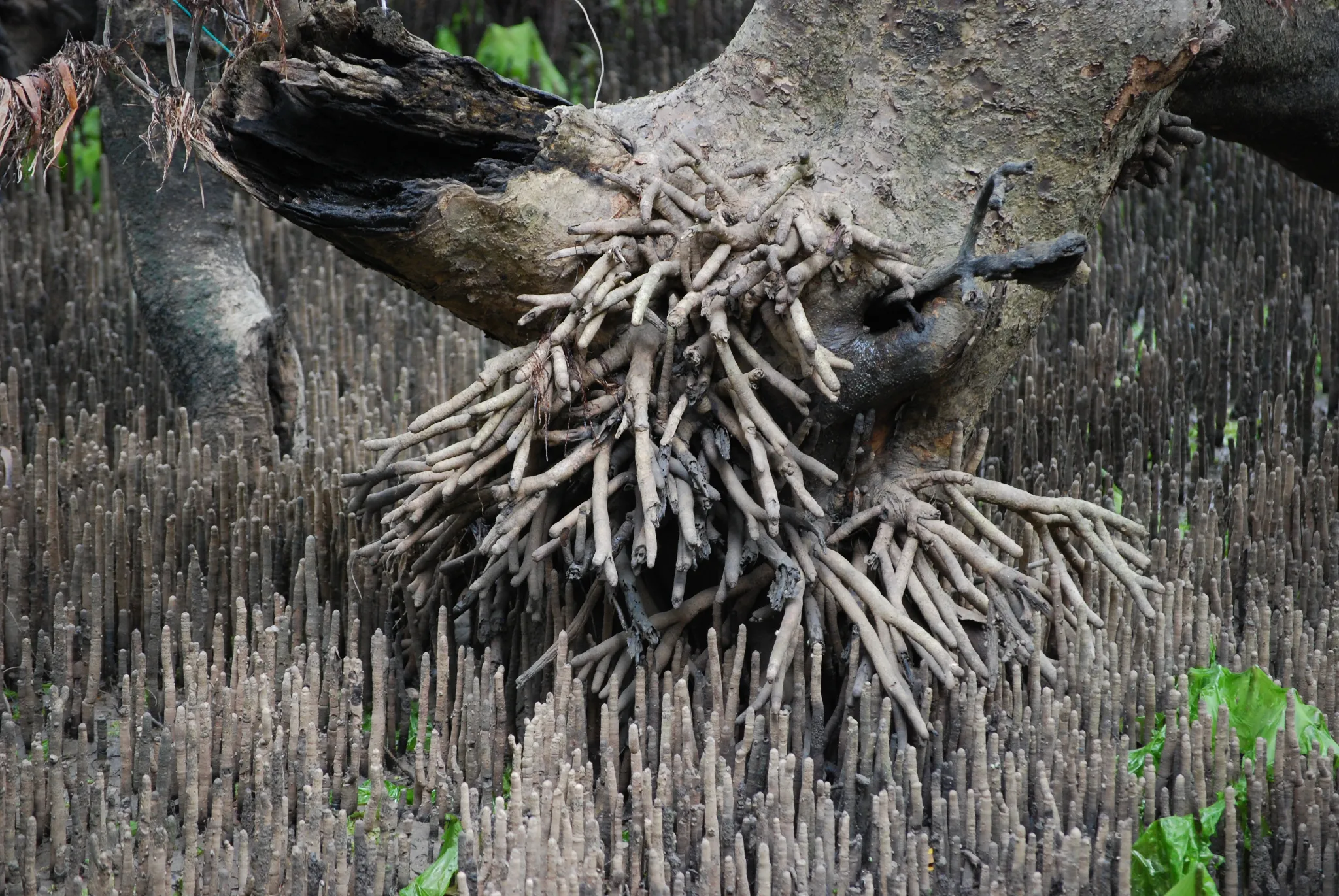
Pneumatophores of a mangrove tree
Aerial breathing roots of gray mangrove (Avicennia marina var. resinifera) protruding above the surface of swampy soil. They provide gas exchange under flooding conditions, when ordinary roots experience oxygen deficiency. The photograph was taken in the Barker Inlet area, South Australia.
Excess water is primarily oxygen stress. In flooded soil, pores are filled with water, oxygen diffuses 10,000 times more slowly than in air, and roots suffocate (Ingram et al., 2015). At 20 °C and above, oxygen may disappear within a day (Ingram et al., 2015). Roots switch to anaerobic respiration, toxic products accumulate, and water and mineral uptake fall — externally this looks like wilting, although there is plenty of water in the soil (Ingram et al., 2015; Chalker-Scott, 2018).
Flood-tolerant plants form aerenchyma — tissue with air channels through which oxygen from shoots reaches roots (Ingram et al., 2015; Zona, 2023). Some trees form pneumatophores — breathing roots above water or above the soil surface (Zona, 2023). In sensitive crops (tomato, pepper, eggplant), flooding causes epinasty, flower drop, and root rot.
Salinity

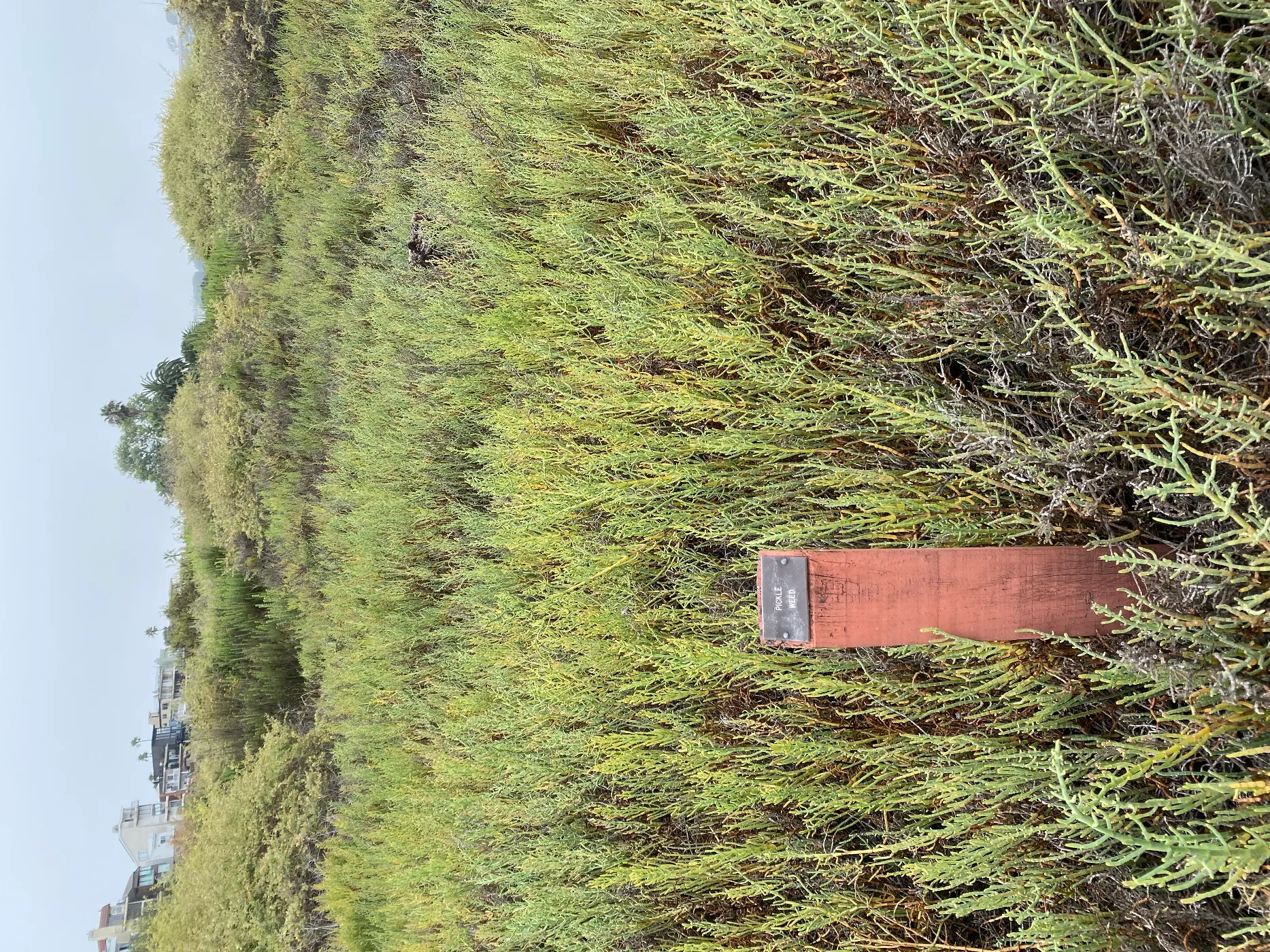
Salicornia — a plant adapted to saline soils
Salicornia (genus in the family Amaranthaceae) in a coastal salt marsh. This is a group of halophytic plants capable of tolerating high salt concentrations in the environment. The photograph was taken at the Ballona Saltwater Marsh, California, USA.
Salts in the soil solution create osmotic stress: water becomes less available even if there is enough of it in the soil. The plant cannot absorb it because the salt concentration outside is higher than in the cell (Bhargava and Srivastava, 2013; Ingram et al., 2015). In addition, Na+ and Cl- ions are toxic to many crops: they disrupt the structure of proteins and enzymes (Bhargava and Srivastava, 2013).
Halophytes (salt-tolerant plants) cope in different ways: some excrete salt through leaf glands, others store it in vacuoles, and still others restrict salt entry into roots (Ingram et al., 2015). Quinoa is an example of a crop with high salt tolerance: it can complete its life cycle at NaCl concentrations close to seawater (Bhargava and Srivastava, 2013). Most vegetable crops are significantly more sensitive.
Transplanting

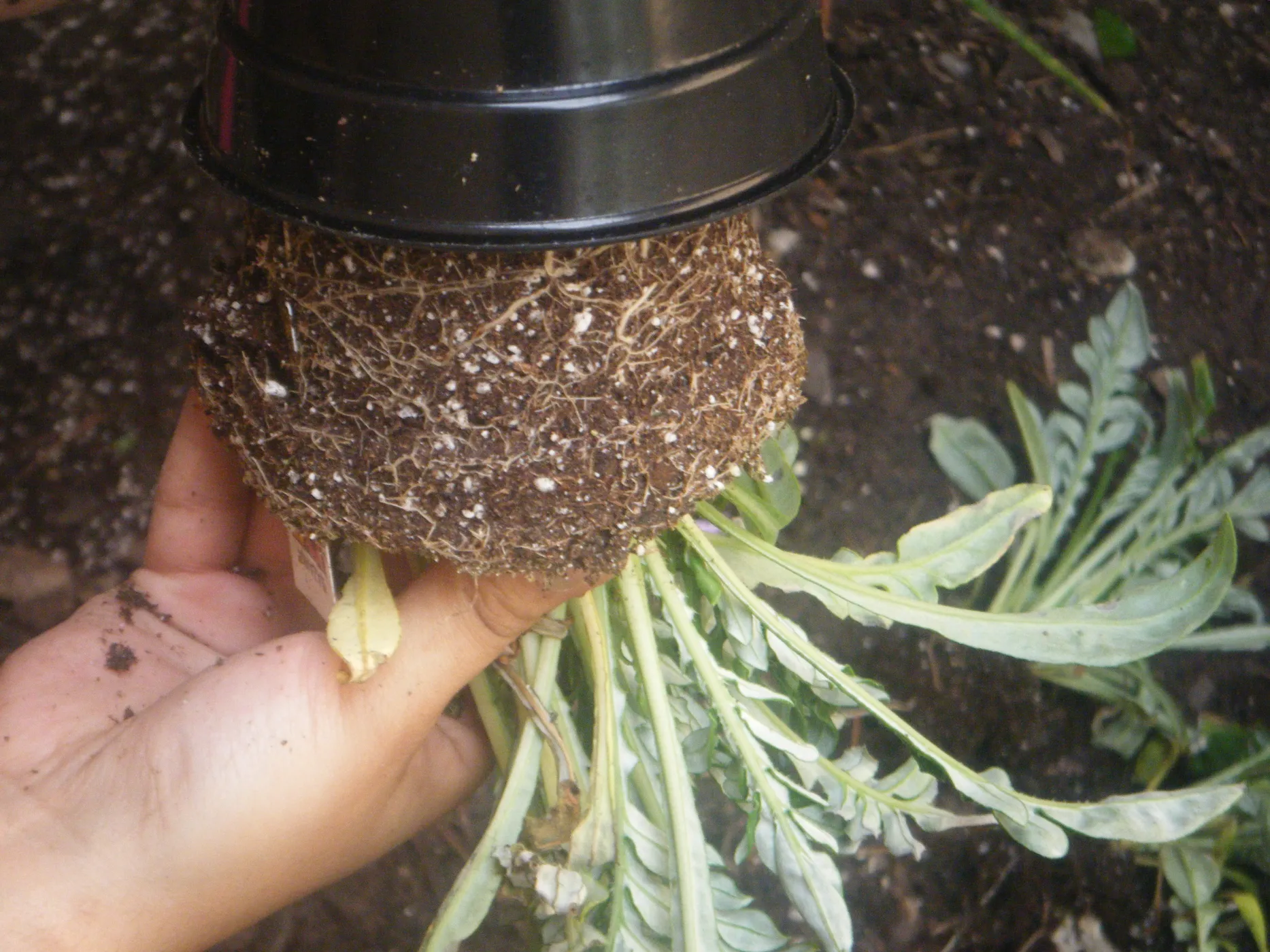
Transplanting young plants from seedling containers
Moving young plants from starter pots to a permanent growing location. During transplanting, roots may be damaged, which temporarily reduces the plant's ability to absorb water and minerals. This is one of the common sources of transplant stress.
Transplanting is mechanical root damage plus an abrupt change in conditions. The plant loses some absorbing roots, cannot supply the aboveground part with water, and may wilt even in watered soil (Chalker-Scott, 2018). Plants with a damaged root ball, a buried root collar, or roots circling in the container suffer especially (Chalker-Scott, 2018).
Transplanting also triggers oxidative stress: reactive oxygen species form in tissues and damage membranes and proteins (Hopkins and Hüner, 2009). That is why seedlings are hardened off, and trees after planting are not fertilized with nitrogen until steady growth appears.
Pruning
Pruning is controlled wounding. It disrupts the correlation between roots and shoots, changes hormonal balance, and removes part of the leaf apparatus and buds (Tranua, 2018; Chalker-Scott, 2015). If pruned too severely, a plant may respond with watersprouts — vigorous vertical shoots that consume resources but do not bear fruit (Chalker-Scott, 2015). In stone fruits, heavy pruning in the wrong season increases the risk of gumming and infection.
Pruning can also be beneficial: it rejuvenates a shrub, improves light inside the canopy, and reduces fruit load (Tranua, 2018). But as a stressor it requires caution: the more is removed, the stronger the growth response.
Diseases and Pests

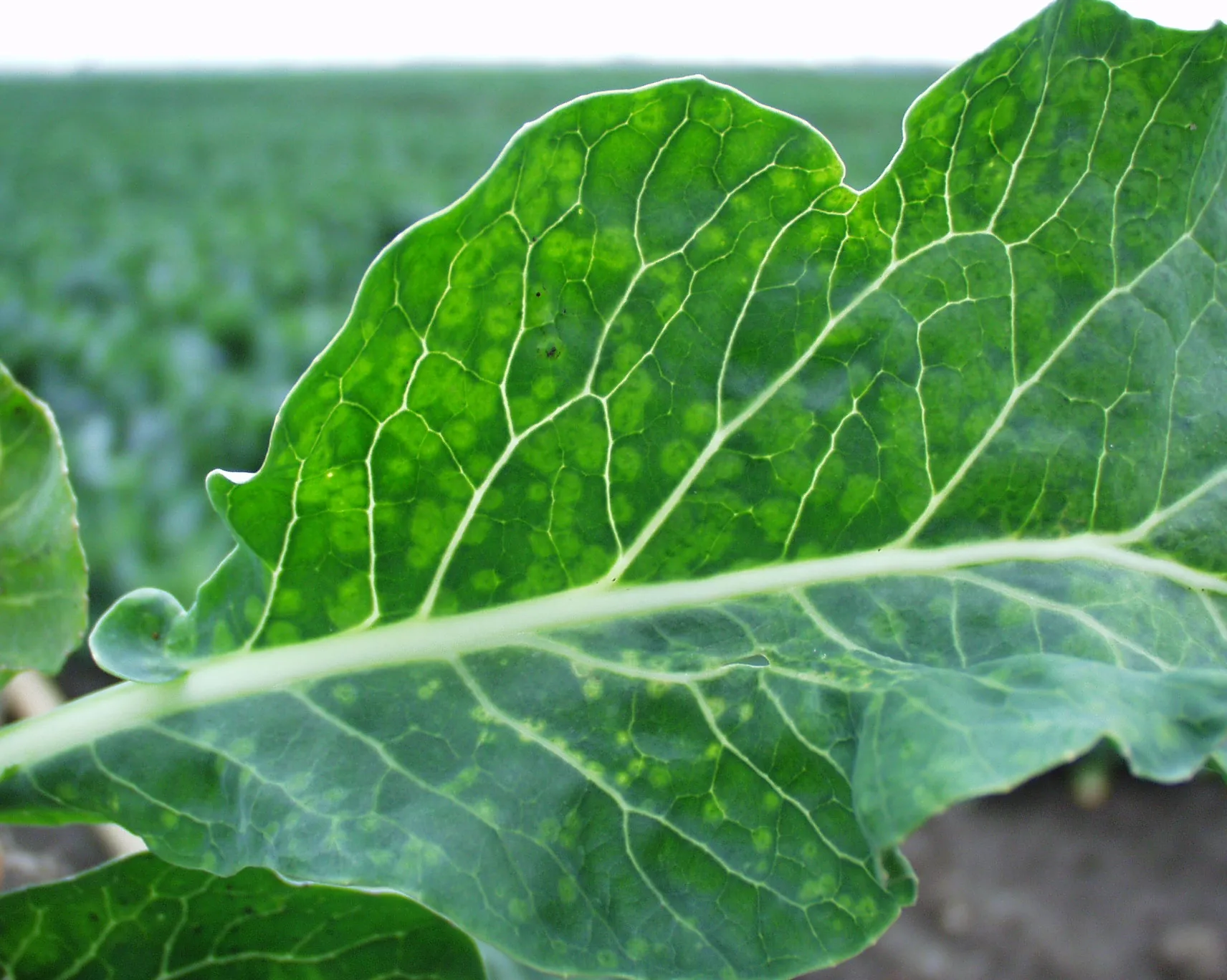
Leaf deformation due to viral infection
Leaves of a cabbage crop (Brassica sp.) with interveinal chlorosis, wrinkling, and deformation. The original description indicates infection with Turnip mosaic virus. This is a good example of how a viral infection can change both the color and shape of leaves.
Biotic stress is an attack by a pathogen or herbivore. The plant responds with a hypersensitive response: cells at the site of entry die quickly, isolating the pathogen, cell walls strengthen, and phytoalexins and PR proteins are synthesized (Hopkins and Hüner, 2009; Agrios, 2005). This often looks like small necrotic spots — a “burn,” although the cause is not the sun.
Signaling pathways in biotic stress include salicylic acid (against biotrophic pathogens) and jasmonic acid (against insects and necrotrophs). They trigger systemic acquired resistance (SAR) — the plant’s “immune memory” (Hopkins and Hüner, 2009; Chalker-Scott, 2018; Zona, 2023). Importantly, abiotic stress often increases susceptibility to disease. A weakened plant is more easily infected (Hopkins and Hüner, 2009).
Practical takeaway: types of stress differ in mechanism but often act together. Drought intensifies heat, overwatering causes oxygen starvation, and transplanting causes water deficit. The task is to see the main stressor and not treat the consequence.


LCD 4-in-1 Soil Tester
Check essential growing conditions with one compact tool. Measure soil pH, moisture, temperature and light intensity — ideal for gardens, potted plants and greenhouses.
- 4-in-1 measurement
- Easy-to-read LCD display
- Portable design
Affiliate link · For indicative measurements only.
3. How a Plant Signals Stress
A plant does not speak in words, but its state can be read from morphological, physiological, and biochemical signs. The earlier the signal is noticed, the greater the chance of helping.
Wilting

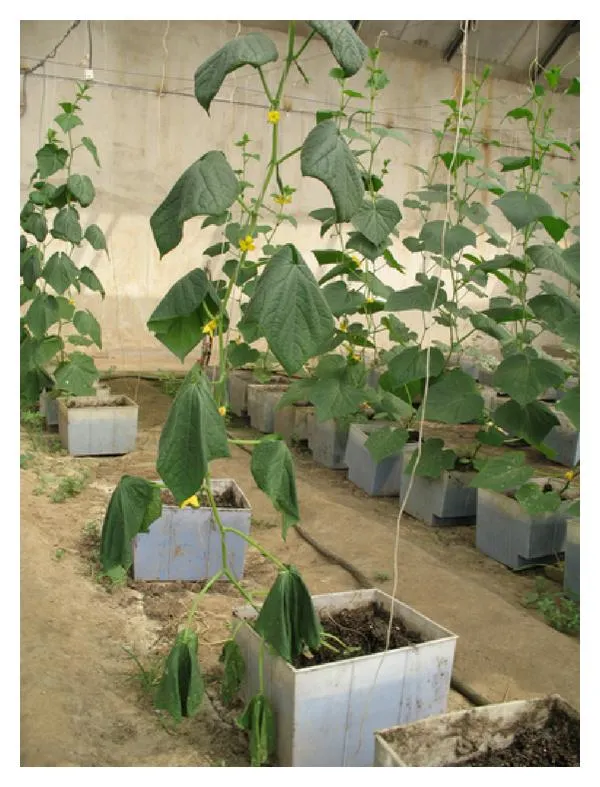
Wilting of cucumber plants in a greenhouse
The photograph captures cucumber plants grown under protected ground conditions in white containers. Plants in the foreground and on the left show severe wilting: the leaves have lost turgor and drooped. This may be caused both by a lack of moisture in the substrate and by damage to the plant vascular system by pathogens (e.g., Fusarium wilt).
Wilting is one of the earliest and most reliable signals. It means that cells have lost turgor, not necessarily that there is no water in the soil. Causes: dry soil, overwatering (roots not working), salinity, root damage, high transpiration (Chalker-Scott, 2018; Ingram et al., 2015). Temporary wilting recovers by evening; permanent wilting does not (Ingram et al., 2015). If the tops and young leaves wilt, the problem is most likely in the vascular system or roots; if old leaves wilt, water or nitrogen deficiency is possible.
Changes in Leaf Color

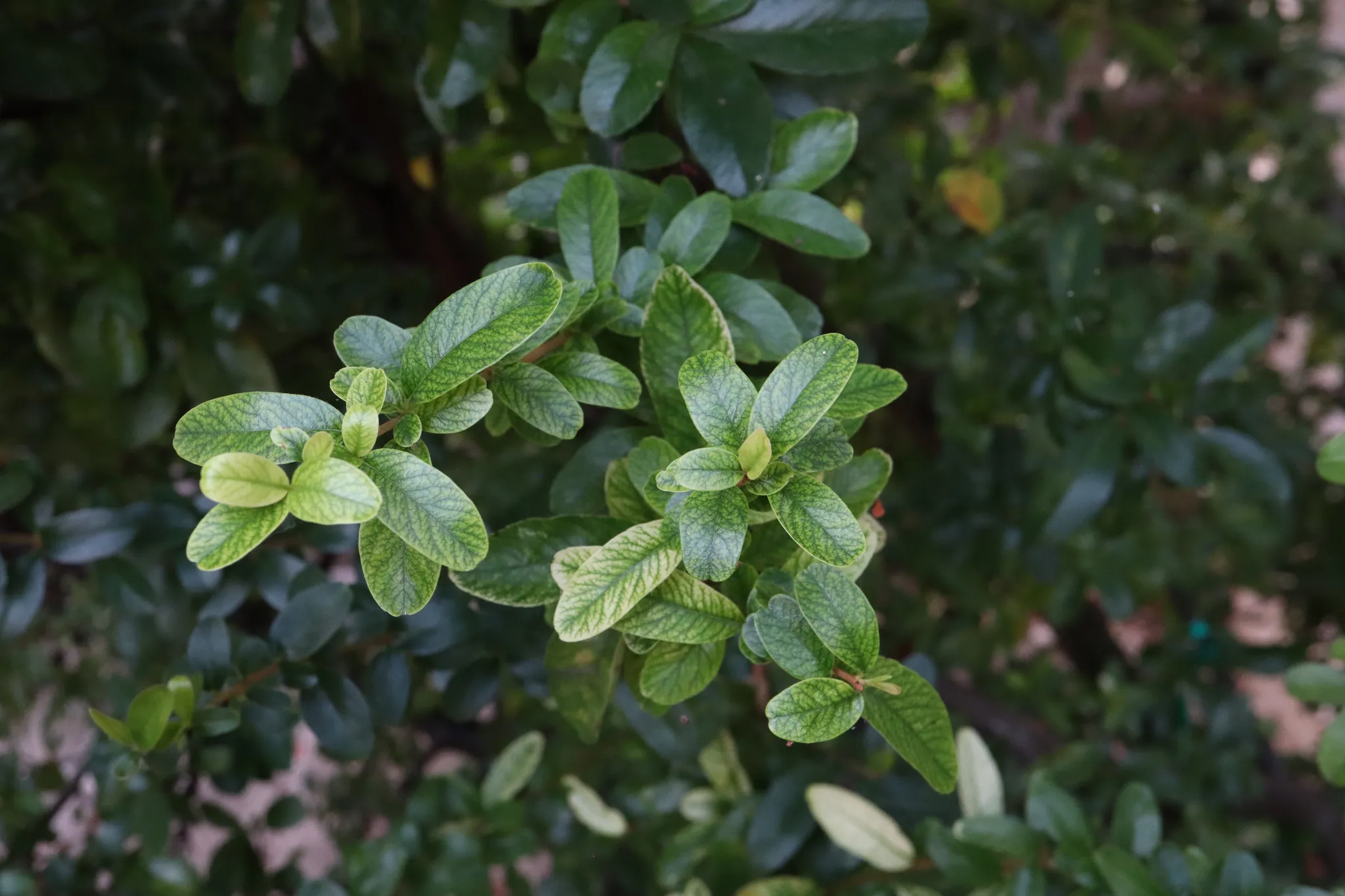
Interveinal chlorosis of pyracantha leaves
Leaves of pyracantha (Pyracantha 'Cadrou') with pronounced interveinal chlorosis: the tissue between the veins becomes lighter, while the veins themselves remain green.
Chlorosis is yellowing due to chlorophyll breakdown. It may be normal (autumn senescence) or pathological (iron, magnesium, or nitrogen deficiency; overwatering; salinity) (Chalker-Scott, 2018). Interveinal chlorosis — green veins with yellow tissue between them — is typical of iron and manganese deficiency, especially on alkaline soils (Chalker-Scott, 2018).
Necrosis is tissue death, usually brown and dry. If it begins at leaf margins and tips, it is a sign of water stress (drought, salinity, overwatering) (Chalker-Scott, 2018). If necrosis proceeds from the center or across the whole blade, sunscald, phytotoxicity, or disease is possible (Chalker-Scott, 2018).
Leaf reddening is often a stress signal. Anthocyanins accumulate under cold, drought, phosphorus deficiency, overwatering, and root damage (Chalker-Scott, 2015). Young leaves of many plants redden as protection from excess light, but if mature leaves turn red out of season, this is an alarming sign (Chalker-Scott, 2015).
Leaf and Fruit Drop
Stress often triggers abscission — the separation of leaves, flowers, and young fruit. During drought, the plant drops leaves to reduce transpiration (Ingram et al., 2015; Chalker-Scott, 2018). During overwatering, it happens due to ethylene formation and disrupted water supply (Ingram et al., 2015). During sudden cooling or heat, it happens due to hormonal imbalance (Tranua, 2018). Fruit set drop in tomato, pepper, and fruit crops is a classic response to heat, drought, and temperature fluctuations.
Small Leaves and Stunted Growth
If leaves are smaller than usual and internodes are shorter, this is a sign of chronic stress. Causes: drought, overwatering, soil compaction, nutrient deficiency, salinity (Chalker-Scott, 2018). In fruit trees, small leaves and weak growth often indicate root problems (Chalker-Scott, 2018; Westwood, 1993).
Biochemical Signals
At the molecular level, a plant responds to stress by releasing reactive oxygen species (ROS), which act as signaling molecules: they trigger cascades of defense genes and the synthesis of stress proteins (Hopkins and Hüner, 2009). Abscisic acid closes stomata and inhibits growth under water deficit (Hopkins and Hüner, 2009; Ingram et al., 2015). Ethylene accelerates senescence, leaf and fruit drop, and participates in the response to flooding (Ingram et al., 2015; Hopkins and Hüner, 2009). Jasmonates and salicylates activate defense against insects and pathogens (Hopkins and Hüner, 2009; Zona, 2023).
A plant can also warn its neighbors: damaged leaves release volatile organic compounds that are perceived by other plants and trigger their defense reactions (Zona, 2023). This is not mysticism but an evolutionary mechanism.
Root Signals
Roots are not just “pumps.” They sense dryness, salinity, compaction, and oxygen deficiency and send signals to the shoot. When the soil dries, roots synthesize ABA, which closes stomata and reduces leaf growth even before visible wilting appears (Hopkins and Hüner, 2009; Ingram et al., 2015). This “early warning” allows the plant to conserve water.
Practical takeaway: stress signals must be read as a complex. A single sign is rarely unambiguous. But the combination of symptoms, developmental phase, and environmental conditions allows an accurate diagnosis and timely help.
4. Defense Mechanisms: Wilting, Leaf Drop, Sugar Accumulation, Suberization
A plant does not passively wait for stress to pass. It has a set of defense reactions — from rapid physiological to slow anatomical. Some work in minutes and hours, others over weeks and seasons. Understanding these mechanisms helps the gardener avoid interfering with the plant’s self-protection and support it in time.
Wilting as Defense
Wilting seems like a sign of weakness, but it is actually the first line of defense. When water is insufficient, cells lose turgor and leaves droop — the surface exposed to sun and wind decreases, and transpiration declines (Ingram et al., 2015). But the main thing happens at the level of stomata.
Stomata close in two ways. Hydropassive closure is purely physical: guard cells lose water faster than neighboring epidermal cells and, due to the structure of their walls, change shape and close the gap (Hopkins and Hüner, 2009). This occurs without energy expenditure. Hydroactive closure is metabolic: in response to water deficit, ion pumps are activated, potassium ions leave the guard cells, turgor falls, and the stoma closes (Hopkins and Hüner, 2009). This pathway is triggered by the hormone abscisic acid (ABA), which is synthesized in roots when the soil dries and travels through the xylem to the leaves (Hopkins and Hüner, 2009; Ingram et al., 2015).
ABA acts on the outer side of the plasma membrane of guard cells, triggering a cascade that leads to potassium efflux and water loss (Hopkins and Hüner, 2009). This allows the plant to close stomata before the leaves lose turgor — a kind of early warning system (Ingram et al., 2015). That is why plants in dry conditions often look normal but their photosynthesis is already reduced: stomata are partly closed, and less CO2 enters.
In some plants, wilting is accompanied by leaf rolling — for example, rhododendron leaves roll into a tube and droop in winter (Zona, 2023). This increases the boundary layer of air around the leaf and reduces heating and water loss (Zona, 2023).
Leaf Drop
If drought drags on, the plant may take an extreme measure — drop its leaves. This is not “disease” but adaptation: leaves are the main water consumers, and by getting rid of them the plant conserves moisture in stems and roots (Chalker-Scott, 2018; Ingram et al., 2015).
The process is called abscission. At the base of the petiole, an abscission layer forms — a narrow zone of cells that, under the influence of ethylene and declining auxin, degrade their walls and separate (Capon, 2022; Chalker-Scott, 2015). Before this, the plant manages to reutilize nitrogen, phosphorus, potassium, and magnesium from the leaves, moving them into shoots and roots (Capon, 2022; Chalker-Scott, 2015). That is why autumn leaves turn yellow not “for no reason”: chlorophyll breaks down, and nutrients leave for winter.
In drought-deciduous plants (for example, some tropical trees, catalpa, sumac), leaves fall at the first signs of water deficit and regrow after rain (Zona, 2023; Ingram et al., 2015). In fruit crops under drought, early senescence and leaf reddening may be observed — anthocyanins protect the remnants of the photosynthetic apparatus and help retain water (Chalker-Scott, 2015; Chalker-Scott, 2018).
Important: if a plant has dropped leaves due to stress, do not “rescue” it with heavy nitrogen fertilization. This may provoke new growth that will not have time to harden and will die from cold or drought.
Sugar and Osmolyte Accumulation

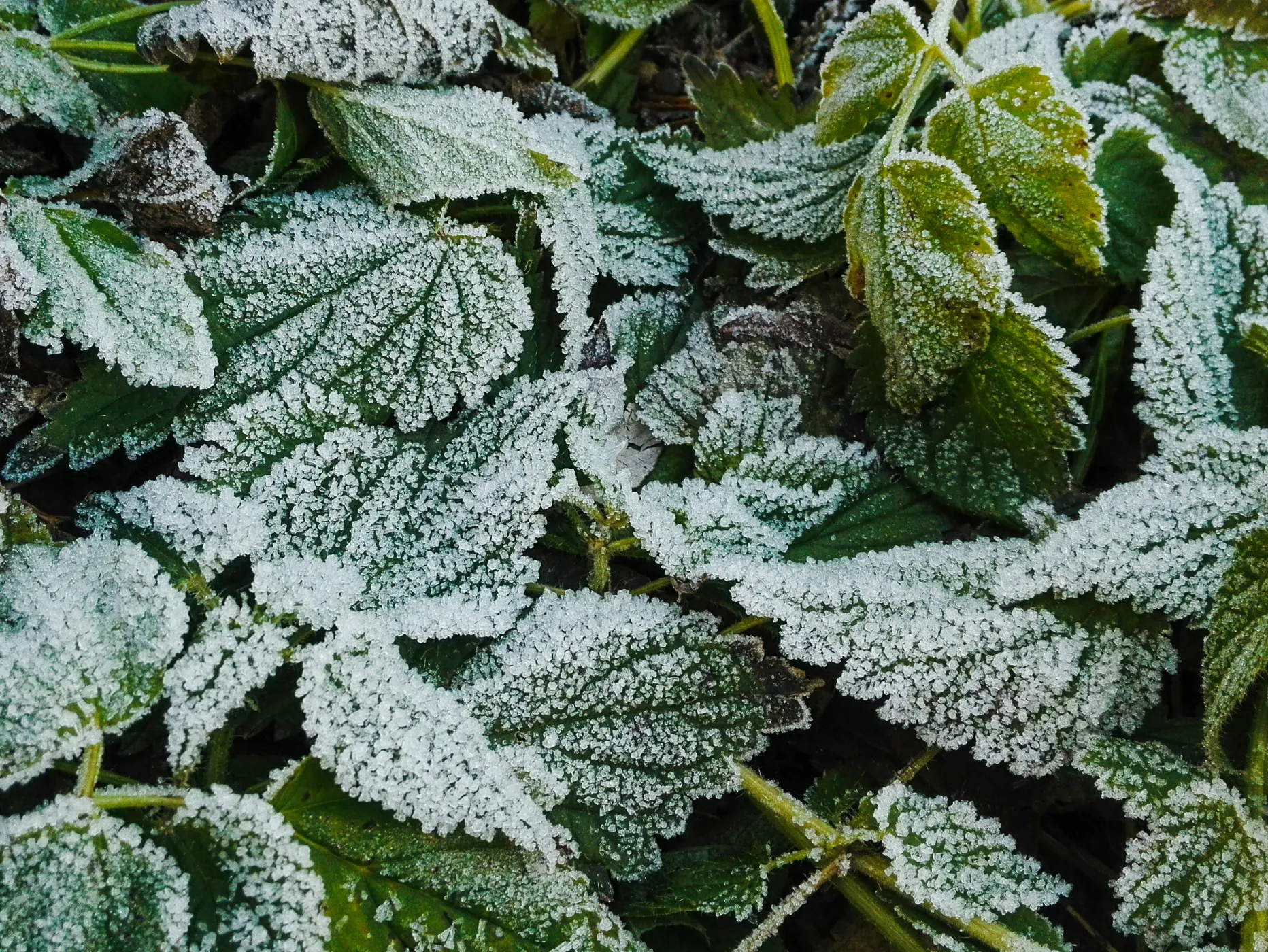
First frost on leaves
A thin layer of the first frost on the leaf surface. The photograph shows the effect of subzero temperatures on vegetation and is suitable for illustrating the section on cold stress and frost resistance.
One of the most elegant defense mechanisms is the accumulation of compatible osmolytes: soluble sugars, proline, glycine betaine, and other compounds (Hopkins and Hüner, 2009; Bhargava and Srivastava, 2013). They increase the osmotic concentration of the cell, helping retain water, and protect proteins and membranes from dehydration and denaturation (Bhargava and Srivastava, 2013; Chalker-Scott, 2015).
During cold acclimation, the plant accumulates sugars that act as antifreeze: they lower the freezing point and protect the protoplasm from damage by ice crystals (Chalker-Scott, 2015; Hopkins and Hüner, 2009). That is why autumn frosts are less dangerous than a sudden frost at the beginning of the season: the plant had time to prepare.
In quinoa, for example, salt tolerance is associated with the accumulation of trigonelline — a glycine betaine derivative that supports osmotic balance and protects cells (Bhargava and Srivastava, 2013). In many grasses and fruit crops, hardening increases the content of fructans and sucrose (Chalker-Scott, 2015; Westwood, 1993).
Anthocyanins are also part of this system. They not only protect against excess light but also bind water, helping cells maintain turgor (Chalker-Scott, 2015). Red leaves on young shoots, on plants in poor soils, and on transplanted seedlings are often a sign that this mechanism is working (Chalker-Scott, 2015; Chalker-Scott, 2018).
Suberization and Wound Healing

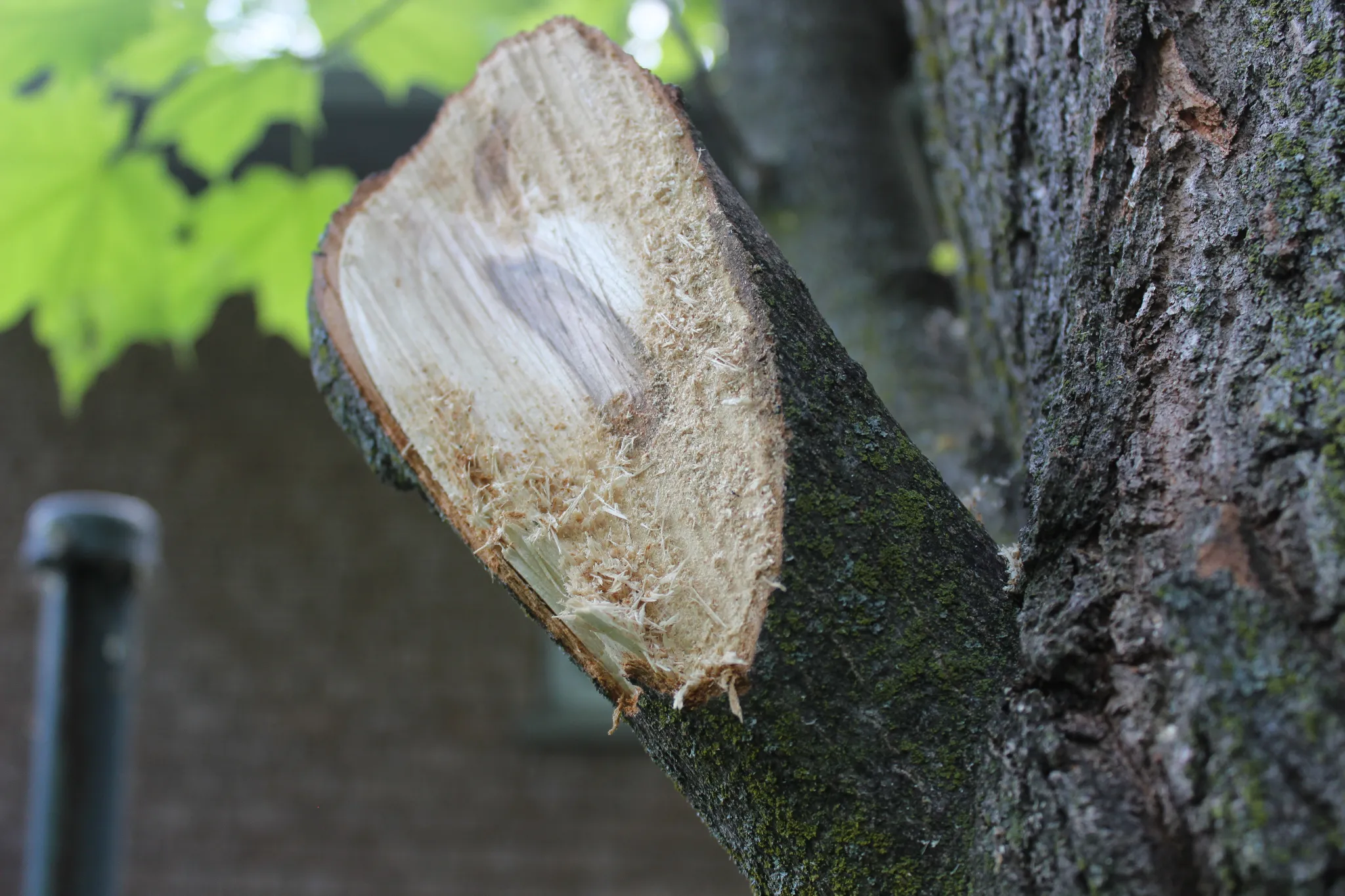
Cut site after removal of a tree branch
Cross-section of a removed tree branch. The photograph shows mechanical damage to woody tissues, after which the plant initiates processes of wound isolation and formation of protective tissues.
When a plant receives mechanical damage — pruning, hail, insects, transplanting — it does not “heal over” the wound like a human. It isolates it. At the site of damage, wound wood and a cork layer form, separating damaged tissues from healthy ones (Capon, 2022; Chalker-Scott, 2015).
In herbaceous plants, the wound is first closed by compressed, dead cells, then wax-like substances are deposited — cutin and suberin (Capon, 2022). In woody plants, callus forms, from which cork and conducting tissues then differentiate (Capon, 2022). Cork contains suberin, impermeable to water and gases, and tannins, which have fungicidal and insecticidal properties (Capon, 2022).
If the phloem is damaged, the plant quickly forms callose — a polysaccharide that seals sieve plates so as not to lose nutrients or let pathogens in (Capon, 2022). Conifers release resin, which fills the wound and hardens in air, and many broadleaved trees release gum or latex with bactericidal and fungicidal properties (Capon, 2022).
Important: there is no need to cover wounds with pruning paint unless it is a matter of specific diseases (for example, Dutch elm disease). Wound wood forms better with access to oxygen, and many “healing” pastes, on the contrary, interfere with the natural process and can serve as a nutrient medium for microbes (Chalker-Scott, 2015).
Other Mechanisms
Plants can shed roots during drought, leaving only anchor roots, and quickly regrow new ones after rain (Ingram et al., 2015). They can change leaf angle to escape scorching sun (Ingram et al., 2015). They can release volatile compounds that attract predatory insects — enemies of pests (Zona, 2023). And they can pass signals to neighbors through the mycorrhizal network or air, warning of attack (Zona, 2023).
Practical takeaway: defense mechanisms work as a complex. Wilting saves water, leaf drop reduces losses, sugars protect cells, and suberization isolates wounds. The gardener’s task is not to interfere with these mechanisms and not to confuse a defense reaction with disease.

Solar Automatic Drip Irrigation Kit for Gardens
Automate watering for pots, gardens and small greenhouses. This solar-powered system features a timer to help schedule water delivery to your plants.
- Solar-powered
- 15 m irrigation hose
- Programmable watering
Affiliate link · Check included accessories.
5. Reversible and Irreversible Stress
Not all stress is fatal. A plant can recover if the stressor is removed in time. But there is a threshold beyond which damage becomes irreversible. The ability to distinguish these states is the key to correct action.
Reversible Stress: Acclimation and Recovery
Reversible stress is a state in which the plant has temporarily left homeostasis but has retained the ability to return to normal. Examples:
- Temporary wilting during daytime heat — turgor recovers by evening (Ingram et al., 2015).
- Stomatal closure under mild drought — after watering, stomata reopen and photosynthesis resumes (Hopkins and Hüner, 2009).
- Photoinhibition — if it is not chronic, the D1 protein of Photosystem II is restored through the repair cycle (Hopkins and Hüner, 2009).
- Cold acclimation — after a gradual decrease in temperature, the plant increases frost resistance (Hopkins and Hüner, 2009).
- Wound healing — suberization and wound wood isolate the damage (Capon, 2022).
The basis of reversibility is acclimation — a genetically programmed adjustment to new conditions. The plant changes gene expression, accumulates protective proteins and osmolytes, and rebuilds membranes (Hopkins and Hüner, 2009). This requires time and resources, so abrupt stress is more dangerous than gradual stress.
The D1 repair cycle has an important feature: the damaged D1 protein is removed and replaced with a new one in about 30 minutes (Hopkins and Hüner, 2009). If stress does not exceed the capacity of this cycle, photosynthesis recovers. If it exceeds it, chronic photoinhibition develops, which recovers very slowly (Hopkins and Hüner, 2009).
Irreversible Stress: Damage and Death

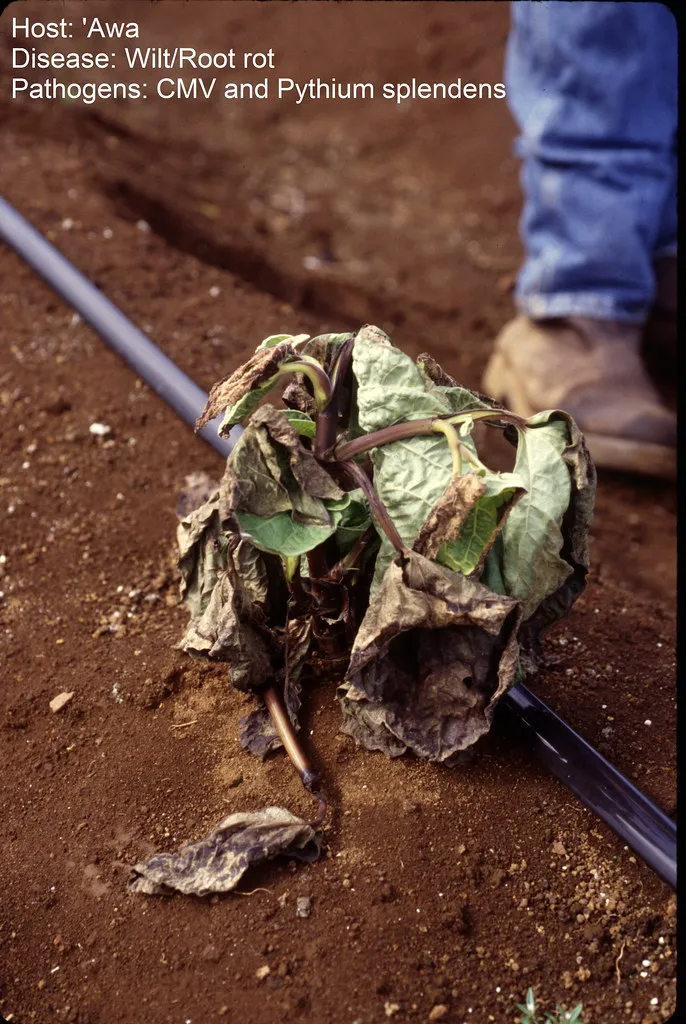
Wilting of a plant due to damage to the root system.
A young kava plant (Piper methysticum) shows characteristic symptoms of wilting caused by root rot provoked by the oomycete Pythium splendens. The photograph clearly shows how root damage manifests in the aboveground part of the plant. The affected roots themselves are not shown in the image.
Irreversible stress occurs when defense mechanisms are exhausted and structural damage is incompatible with life. Signs:
- Permanent wilting — even after watering, the plant does not restore turgor because the roots have died or the vascular system is destroyed (Ingram et al., 2015).
- Necrosis — tissue death that does not recover because dead cells do not regenerate (Chalker-Scott, 2018).
- Chronic photoinhibition — Photosystem II is irreversibly damaged, and D1 cannot be replaced in time (Hopkins and Hüner, 2009).
- Root death during prolonged flooding — anaerobic respiration, toxin accumulation, decay (Ingram et al., 2015).
- Loss of meristems — if apical or cambial meristems die, growth is impossible (Capon, 2022).
At the cellular level, irreversibility is associated with membrane destruction (loss of selective permeability), protein denaturation (irreversible loss of structure), DNA damage, and mitochondrial death (Hopkins and Hüner, 2009). If a cell cannot maintain energy balance, it triggers programmed cell death — apoptosis, which isolates the damage but at the cost of tissue loss (Hopkins and Hüner, 2009).
There is also a point of no return at the whole-plant level. For example, the permanent wilting point is the soil moisture level at which the plant can no longer extract water and dies without irrigation (Rubatzky and Yamaguchi, 1997; Eash et al., 2016). In fruit trees, cambium damage by frost means death of the branch or the entire tree, because the cambium is the only tissue capable of secondary growth (Westwood, 1993).
What Determines Reversibility
Three factors:
1. Intensity of stress. Mild drought is reversible; severe drought is not.
2. Duration. Many plants will survive brief flooding but will die from prolonged flooding (Ingram et al., 2015).
3. Developmental phase. Young seedlings are more sensitive than adult plants; flowering and fruit set are critical periods (Westwood, 1993; Rubatzky and Yamaguchi, 1997).
The combination of stressors is also important. Drought + heat is more dangerous than either alone. Transplanting + drought + bright sun is almost a guaranteed loss unless the plant is shaded and watered.
How to Distinguish in Practice
| Sign | Reversible | Irreversible |
|---|---|---|
| Wilting | Recovers by morning or after watering | Does not recover |
| Leaves | Yellow but alive | Brown, dry, brittle |
| Roots | Light, firm | Dark, soft, foul-smelling |
| Cambium | Green, moist | Brown, dry |
| Growth | New shoots appear | No growth |
Practical takeaway: reversibility is a question of time and degree. The earlier stress is noticed and the stressor removed, the higher the chance of recovery. If the plant has already passed the point of no return, it cannot be saved, but neighboring plants can be helped and the mistake not repeated.
6. How to Help a Plant Survive Stress
When stress has already occurred, the main thing is not to cause harm. The plant mobilizes defense mechanisms, and the gardener’s task is to remove the stressor, support resources, and not interfere with recovery. Below are practical steps for the main situations.
If a Plant Suffers from Drought

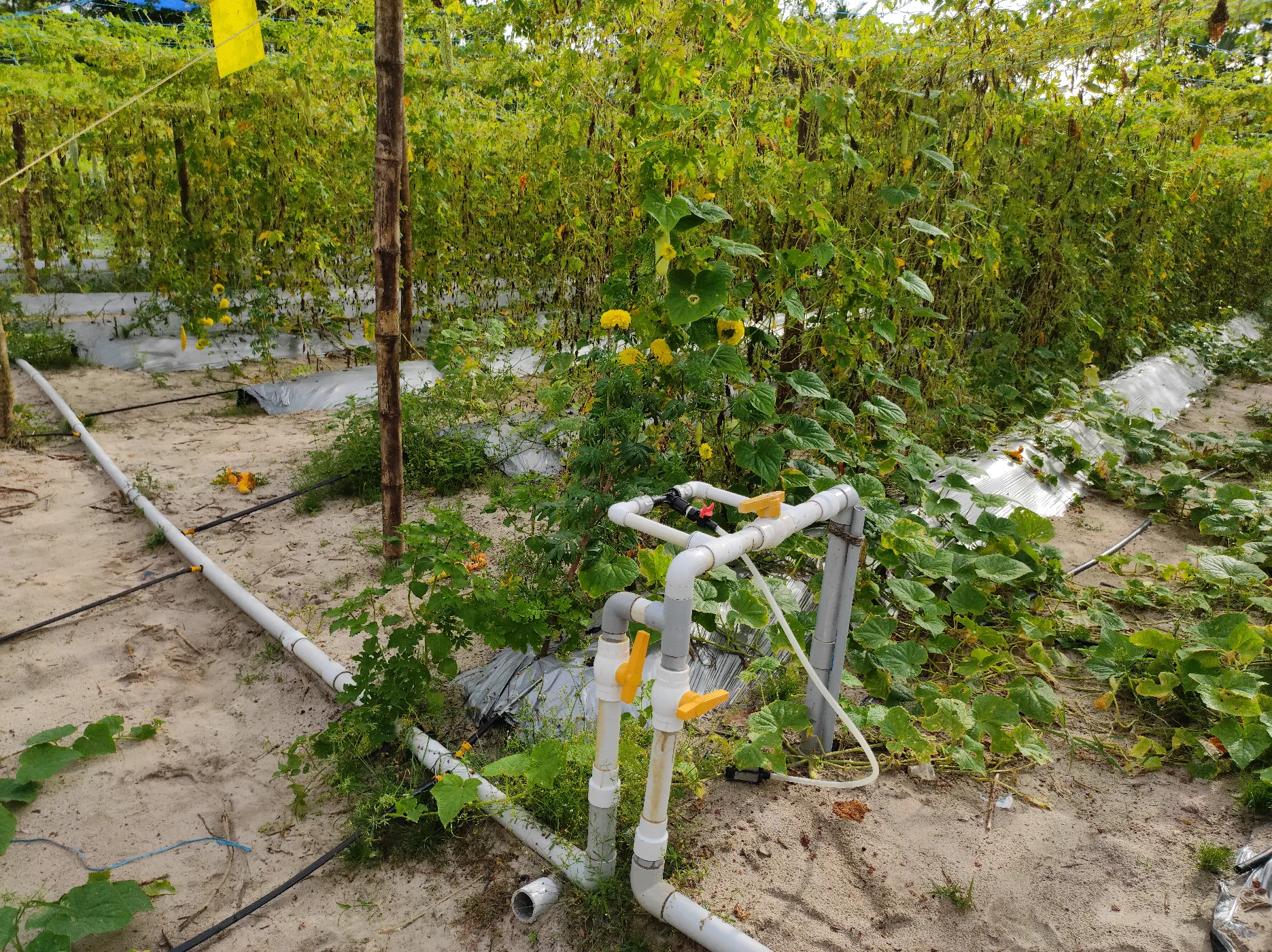
Drip irrigation and soil mulching
A drip irrigation system combined with mulching. Water enters directly into the root zone, and the mulch material reduces evaporation from the soil surface and helps maintain a more stable water regime. The photograph was taken in India.
First, irrigation, but done correctly. You cannot pour water often and little by little: this stimulates surface roots that dry out quickly. Water rarely but deeply, so that water reaches the main root mass (Ingram et al., 2015; Eash et al., 2016). The guideline is to moisten the soil to the depth of the absorbing roots, not just wet the surface.
It is useful to mulch the soil: straw, compost, grass clippings, and wood chips reduce evaporation and smooth out temperature fluctuations (Eash et al., 2016; Chalker-Scott, 2015). Mulch should not touch the trunk or stem — this can cause rot.
If the plant has already dropped leaves due to drought, do not fertilize it with nitrogen. Nitrogen stimulates growth, and the plant cannot supply it with water. It is better to wait for turgor recovery and new shoots (Chalker-Scott, 2018).
During hot hours, you can shade the plant — stretch shade cloth, set up a screen, or use tall companion crops as shade (Ingram et al., 2015). This reduces leaf temperature and transpiration.
If a Plant Suffers from Overwatering
First, stop watering and ensure drainage. If the plant is in a container, check the drainage holes. If it is in the ground, you can dig small channels for water runoff if the terrain allows.
If the roots are already damaged (dark, soft, foul-smelling), the plant may not recover (Chalker-Scott, 2018). But you can try to transplant it into fresh, well-drained soil, removing damaged roots. After transplanting, shade it and do not water until new growth appears.
Important: wilting from overwatering does not mean that you need to water. This is a trap. Check the soil: if it is wet and smells damp, water will not help (Chalker-Scott, 2018).
For flood-sensitive plants (tomato, pepper, eggplant), it is useful to raise beds or plant on ridges so that the root collar does not end up in water (Rubatzky and Yamaguchi, 1997).
If a Plant Suffers from Heat
Transpiration cools the leaf, but when stomata are closed this mechanism weakens. You can help with irrigation (preferably in the morning, so the water soaks in before the heat) and shading during midday hours (Ingram et al., 2015).
It is useful not to prune the plant in heat: leaves create shade and cool the soil. If damaged tissue must be removed, do it in cooler weather (Chalker-Scott, 2015).
Mulch made of light-colored materials (straw, grass clippings) reflects part of solar radiation and reduces soil heating (Eash et al., 2016).
If a Plant Suffers from Cold
Sudden cooling is more dangerous than gradual cooling. If possible, cover plants with agrotextile, burlap, or spruce branches. Watering at night can help: moist soil cools more slowly (Westwood, 1993).
If the plant is already damaged by frost, do not prune the damaged tissue immediately. Wait until spring, when the boundary between living and dead tissue is visible. Early pruning can worsen the damage (Chalker-Scott, 2015).
For seedlings and warm-season crops, hardening off is useful — gradual exposure to cold before planting out (Pratt, 2005; Hopkins and Hüner, 2009).
If a Plant Suffers from Salinity
First, flush the soil: heavy irrigation that dissolves salts and leaches them beyond the root zone. But this works only with good drainage (Eash et al., 2016; Rubatzky and Yamaguchi, 1997).
If salinity is chronic, you can add organic matter — it improves soil structure and increases its buffering capacity (Eash et al., 2016). It is also useful to choose salt-tolerant crops and cultivars: quinoa, barley, beet, and tomato tolerate salinity better than, for example, onion or peas (Bhargava and Srivastava, 2013; Ingram et al., 2015).
If a Plant Was Damaged During Transplanting
Transplanting is always stress. You can help as follows:
- Shade for several days to reduce transpiration (Chalker-Scott, 2018).
- Water after planting, but do not overwater.
- Do not fertilize with nitrogen until new growth appears.
- Do not prune the crown “for balance”: this is a myth. The plant will regulate the shoot-to-root ratio itself (Chalker-Scott, 2015).
- If the plant was in a container, loosen the roots when planting so they do not remain circling (Chalker-Scott, 2018).
If a Plant Was Damaged by Pruning
If pruning was too severe, the plant may respond with watersprouts — vigorous vertical shoots. They should not be removed immediately: they help restore the leaf apparatus. But if they thicken the canopy, some can be cut out the following season (Chalker-Scott, 2015; Tranua, 2018).
It is important not to prune a plant that is already weakened by drought, cold, or disease. This is additional stress that may become irreversible (Chalker-Scott, 2015).
If a Plant Is Sick
Under biotic stress, the plant activates a hypersensitive response and systemic acquired resistance (SAR) (Hopkins and Hüner, 2009; Agrios, 2005). You can help by:
- Removing affected leaves and fruits to reduce the infectious load (Agrios, 2005).
- Improving conditions: ventilation, proper watering, sufficient light.
- Not overfertilizing with nitrogen: this makes tissue more susceptible to pathogens (Agrios, 2005).
- Using biological or chemical products only when necessary and according to instructions (Agrios, 2005; Chalker-Scott, 2018).
General Rule
Do not try to “treat” the symptom. Remove the stressor, support resources, and give time. The plant often copes on its own if it is not interfered with.

7-in-1 Wi-Fi Weather Station
Monitor local weather conditions with a wireless outdoor sensor. Track temperature, humidity, rainfall, wind speed and direction, and atmospheric pressure. Ideal for gardens, farms and greenhouses.
- Wireless outdoor sensor
- Solar-powered
- Wi-Fi connectivity
Affiliate link · Check regional compatibility.
7. Stress Prevention
The best way to help a plant is to prevent stress. Prevention is cheaper, safer, and more effective than dealing with consequences. Below are key principles that work in any climate.
Right Plant in the Right Place
This is the foundation. Every plant has a genetically fixed range of conditions in which it thrives (Capon, 2022; Westwood, 1993). Trying to grow a shade-loving plant in full sun, or a desert plant in shade, is doomed to stress.
Study the microclimate of the site: where cold air accumulates, where the soil warms earlier, where there is shade from buildings, where there is wind (Chalker-Scott, 2018; Johnson, 2023). Choose species and cultivars that match these conditions.
For regions with extreme climate (heat, cold, drought, salinity), choose resistant cultivars. Breeding and genetics provide plants that tolerate stress better than standard ones (Bhargava and Srivastava, 2013; Westwood, 1993).
Healthy Soil Is the Foundation of Resilience
Soil with high organic matter content retains water better, buffers temperature and pH, and supports beneficial microorganisms (Eash et al., 2016). Organic matter improves structure: pores appear through which air and water pass, and roots grow more freely (Eash et al., 2016; Rubatzky and Yamaguchi, 1997).
Mulching is one of the most effective preventive practices. Mulch reduces evaporation, suppresses weeds, smooths soil temperature, and protects against erosion (Eash et al., 2016; Chalker-Scott, 2015).
Crop rotation reduces the accumulation of pathogens and pests and improves nutrient balance (Agrios, 2005; Eash et al., 2016). Do not grow the same crop in the same place for several years in a row.
Proper Watering
Water rarely but deeply, so that water reaches deep roots (Ingram et al., 2015; Eash et al., 2016). This stimulates a strong root system that tolerates drought better.
Water in the morning so that leaves have time to dry before evening — this reduces the risk of fungal diseases (Agrios, 2005; Chalker-Scott, 2018).
Use drip irrigation or subsurface irrigation — they save water and do not wet the leaves (Eash et al., 2016; Rubatzky and Yamaguchi, 1997).
Hardening Off and Preparation
Before planting out, seedlings are hardened off: gradually accustomed to sun, wind, and temperature fluctuations (Pratt, 2005). This increases stress tolerance after transplanting.
Seeds of some crops require stratification (cold treatment) or scarification (breaking the seed coat) for uniform germination (Pratt, 2005; Zona, 2023). This is also a way to “tune” the plant to conditions.
Pruning and Training
Prune moderately and on time. Heavy pruning causes stress and watersprouts (Chalker-Scott, 2015; Tranua, 2018). Remove only diseased, damaged, and crowding branches. For fruit trees, it is important to thin fruit set so the tree does not become exhausted (Tranua, 2018).
Do not prune stone fruits (cherry, plum, apricot) in spring — this increases the risk of gumming and infection. It is better to do this in late summer or early autumn (Westwood, 1993).
Wind and Sun Protection
Windbreaks made of shrubs or tall grasses reduce desiccation and mechanical damage (Westwood, 1993; Eash et al., 2016). Shading during hot hours helps young plants and warm-season crops (Ingram et al., 2015).
Biodiversity and Beneficial Organisms
Plant diversity attracts beneficial insects and microorganisms that suppress pathogens and help plants obtain nutrition (Zona, 2023; Eash et al., 2016). Mycorrhiza improves water supply and mineral nutrition, increasing stress tolerance (Zona, 2023; Eash et al., 2016).
Regular Monitoring
Inspect plants regularly. Early detection of stress is the key to success. Pay attention to:
- leaf color and turgor;
- growth rate;
- condition of the root collar;
- presence of pests and disease symptoms;
- soil moisture at depth.
Keep a journal of observations: dates of watering, fertilizing, and weather anomalies. This helps identify patterns (Chalker-Scott, 2018).
Practical takeaway: prevention is not a set of one-time measures but a system. Healthy soil, proper watering, suitable plants, and attention to detail reduce stress to a level that the plant can handle on its own.
8. Regional Aspect: In Extreme Climates, Stress Is Normal; Resilient Cultivars and Practices Are Needed
In some regions, stress is an episode; in others, it is a constant background. Where the climate is harsh, the gardener cannot eliminate stressors. But they can choose plants and practices that help them survive.
Why Stress Is Normal in Extreme Climates
In the tropics and subtropics, high temperature and humidity accelerate the metabolism of pathogens and pests, as well as weed reproduction. The growing season lasts year-round, and pathogens have no “break” (Agrios, 2005; Rubatzky and Yamaguchi, 1997). Drought here may alternate with downpours, causing either water deficit or oxygen starvation of roots (Ingram et al., 2015).
In arid and semi-arid regions, the main stressors are drought, heat, salinity, and erosion. Rainfall is low, evaporation is high, and soils are often alkaline or saline (Eash et al., 2016; Rubatzky and Yamaguchi, 1997). Plants here survive through adaptations: deep roots, small leaves, waxy coating, CAM photosynthesis (Ingram et al., 2015; Zona, 2023).
In regions with cold winters and short summers, the main stress is low temperatures, frosts, a short growing season, and insufficient heat for crop ripening (Westwood, 1993). Fruit crops here require a certain sum of active temperatures and a dormancy period with chilling (Westwood, 1993).
In coastal zones and on saline soils, salt stress is added. Seawater, irrigation with saline water, and rising groundwater all increase salt concentration in the root zone (Bhargava and Srivastava, 2013; Ingram et al., 2015).
In high mountains, there is low atmospheric pressure, high solar radiation, sharp temperature swings between day and night, and a short growing season (Westwood, 1993; Bhargava and Srivastava, 2013). Plants here are often low-growing, with dense cuticle and pubescence (Zona, 2023).
What to Do: Resilient Cultivars and Practices
Cultivar choice is the most powerful tool. Breeding has produced crops that tolerate stress better than their wild ancestors. For example, quinoa (Chenopodium quinoa) is an Andean crop that tolerates salinity up to 40 mS/cm, drought, frost, and poor soils (Bhargava and Srivastava, 2013). For arid regions, there are drought-tolerant cultivars of tomato, sorghum, millet, and barley (Rubatzky and Yamaguchi, 1997; Ingram et al., 2015). For cold regions, there are cultivars with a short growing season and high frost resistance (Westwood, 1993).
Adaptive practices:
- Beds and ridges — raise the root collar above water during overwatering and improve soil warming (Rubatzky and Yamaguchi, 1997).
- Mulching — reduces evaporation, smooths temperature, suppresses weeds (Eash et al., 2016; Chalker-Scott, 2015).
- Drip irrigation — saves water and delivers it directly to the roots (Eash et al., 2016; Rubatzky and Yamaguchi, 1997).
- Windbreaks — reduce desiccation and mechanical damage (Westwood, 1993).
- Shading — protects against overheating and sunscald (Ingram et al., 2015).
- Crop rotation — reduces the accumulation of pathogens and pests (Agrios, 2005; Eash et al., 2016).
- Mixed plantings — increase biodiversity and attract beneficial insects (Zona, 2023; Eash et al., 2016).
- Hardening off seedlings — increases tolerance to cold and transplanting (Pratt, 2005; Hopkins and Hüner, 2009).
- Seed stratification — mimics natural conditions and ensures uniform germination (Pratt, 2005; Zona, 2023).
Timing is also a practice. In hot regions, sow and plant during the cool season; in cold regions, use seedlings and covers to extend the season (Rubatzky and Yamaguchi, 1997; Westwood, 1993).
Regional Examples

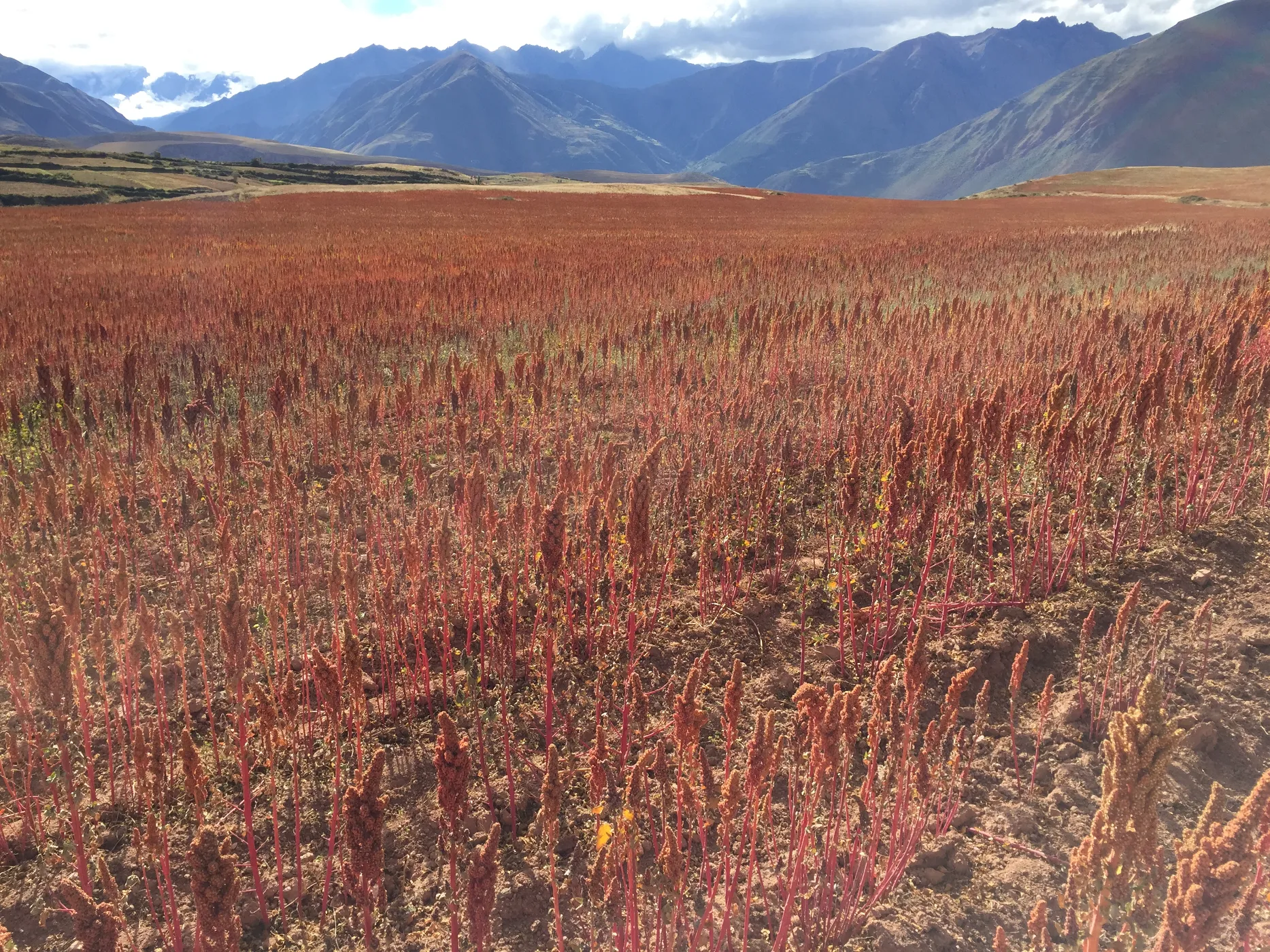
Extensive field of ripening red quinoa (Chenopodium quinoa)
Quinoa is the most important pseudocereal crop of the Amaranthaceae family, traditionally grown in South America. Location: Peru. In the background the majestic Andes mountains are visible.
The Andes. Quinoa is an example of a crop that has become a symbol of resilience. It grows at elevations up to 4000 m and tolerates frost, drought, and salinity (Bhargava and Srivastava, 2013). Local farmers use wary waru — raised beds with ditches that collect water and protect against frost (Bhargava and Srivastava, 2013).
The Mediterranean. Dry summers and wet winters. Plants here have small leaves, pubescence, and a waxy coating (Ingram et al., 2015; Zona, 2023). Gardeners use mulch, drip irrigation, and drought-tolerant species: lavender, rosemary, sage, and cistus (Ingram et al., 2015).
Northern regions. Short summers and cold winters. Fruit crops require chilling to break dormancy (Westwood, 1993). Growers use frost-resistant rootstocks, covers, and night irrigation for frost protection (Westwood, 1993).
The tropics. High humidity and temperature. The main problems are diseases and pests. Ventilation, drainage, crop rotation, and resistant cultivars help (Agrios, 2005; Rubatzky and Yamaguchi, 1997).
Saline soils. Flushing, drainage, organic matter, and salt-tolerant crops (Bhargava and Srivastava, 2013; Eash et al., 2016).
What to Remember
In extreme climates, you cannot fight stress — you can only mitigate it. A plant that matches the conditions copes on its own. The gardener’s task is to choose such a plant and create the best possible conditions for it.

40W Full Spectrum LED Grow Light
Support healthy plant growth with full-spectrum LED lighting. Ideal for seedlings, indoor plants and small growing spaces. A practical solution for indoor gardening and year-round cultivation.
- Full-spectrum LED
- Energy-efficient design
- Indoor plant growing
Affiliate link · Check actual power and light coverage.
9. Conclusion: Stress Can Be Mitigated If Noticed in Time
Stress is not a sentence. It is a signal. The plant reports that conditions have gone beyond optimal and activates defense mechanisms. The gardener’s task is to notice the signal in time and remove the stressor while the damage is still reversible.
Key Points
1. Stress is a response, not a disease. A plant reacts to its environment. Symptoms are not the enemy but information (Hopkins and Hüner, 2009; Chalker-Scott, 2018).
2. Stressors are diverse. Cold, heat, drought, overwatering, salt, transplanting, pruning, diseases. They often act together (Hopkins and Hüner, 2009; Agrios, 2005; Ingram et al., 2015).
3. The plant signals. Wilting, chlorosis, necrosis, reddening, leaf drop, small leaves, watersprouts, and gumming are all signs of stress (Chalker-Scott, 2018; Chalker-Scott, 2015; Westwood, 1993).
4. Defense mechanisms work. Stomata close, leaves drop, sugars accumulate, and wounds suberize. This is not disease but adaptation (Hopkins and Hüner, 2009; Capon, 2022; Chalker-Scott, 2015).
5. Reversibility depends on time and degree. Mild stress passes; severe stress does not. The earlier the help, the higher the chance (Hopkins and Hüner, 2009; Ingram et al., 2015).
6. Help means removing the stressor. Watering, drainage, shading, covering, mulch, and proper pruning (Ingram et al., 2015; Eash et al., 2016; Chalker-Scott, 2015).
7. Prevention is more effective than treatment. Healthy soil, proper watering, suitable plants, hardening off, and crop rotation (Eash et al., 2016; Chalker-Scott, 2015; Agrios, 2005).
8. In extreme climates, stress is normal. Resilient cultivars and adaptive practices are needed (Bhargava and Srivastava, 2013; Westwood, 1993; Ingram et al., 2015).
What a Gardener Should Do
Observe. Inspect plants regularly. Notice changes before they become irreversible.
Act. If you see wilting, check the soil. If leaves are yellow, check watering and nutrition. If there are spots, check whether it is a disease.
Do not panic. Not all symptoms require “treatment.” Sometimes it is enough to remove the stressor and give time.
Learn. Every season is a lesson. Keep records. Analyze what worked and what did not.
Remember the main thing. A plant is not a patient but a partner. It wants to live and grow. Your task is to create the conditions in which that is possible.
References
- (2015). ‘The plant environment: Light and water’, in Ingram, D.S., Vince-Prue, Daphne, Gregory, P.J. (ed.) Science and the Garden. The scientific basis of horticultural practice. West Sussex, UK: Royal Horticulture Society. Wiley Blackwell, pp. 102-119.
- Agrios, G.N. (2005). ‘Introduction’, in Plant Pathology. London, UK: ACADEMIC PRESS, pp. 4-76.
- Amthor, J.S. (1994). ‘Respiration and Carbon Assimilate Use’, in Boote, K.J., Bennett, J.M., Sinclair, T.R., Paulsen, G.M. (ed.) Physiology and Determination of Crop Yield. Florida, USA: American Society of Agronomy, Crop Science Society of America, Soil Science Society of America, pp. 221-250.
- Bhargava, A., Srivastava, S. (2013). ‘Stress tolerance.’, in Quinoa: botany, production and uses. Wallingford: CABI, 103-127. doi: 10.1079/9781780642260.0103
- Capon, Brian (2022). ‘Adaptations’, in Botany for Gardeners. An Introduction to the Science of Plants. Portland, Oregon: Timber Press, pp. 88-143.
- Capon, Brian (2022). ‘How Plants Function’, in Botany for Gardeners. An Introduction to the Science of Plants. Portland, Oregon: Timber Press, pp. 144-192.
- Chalker-Scott, Linda (2015). ‘Garden Care, Not Control’, in How Plants Work. Portland, London: Timber Press, pp. 170-195.
- Chalker-Scott, Linda (2015). ‘Why Leaves Can Turn Red Anytime, Anyplace’, in How Plants Work. Portland, London: Timber Press, pp. 106-129.
- Chalker-Scott, Linda (2018). ‘Diagnosing Diseases and Disasters’, in The Science of Gardening. Course Guidebook. Chantilly, Virginia: The Great Courses, pp. 145-152.
- Chalker-Scott, Linda (2018). ‘Gardening CSI: Case Studies’, in The Science of Gardening. Course Guidebook. Chantilly, Virginia: The Great Courses, pp. 153-160.
- Eash, N.S., Sauer, T.J., O'Dell, D., Odoi, Evah (2016). ‘Soil Biological Properties’, in Soil Science Simplified. New Jersey: Wiley Blackwell, ch. 4.
- Eash, N.S., Sauer, T.J., O'Dell, D., Odoi, Evah (2016). ‘Soil Water’, in Soil Science Simplified. New Jersey: Wiley Blackwell, ch. 6.
- Griffiths, Michael (2026). ‘Spring’, in The Easy Garden. New York, NY: Penguin Random House, .
- Hopkins, W.G., Hüner, N.P..A. (2009). ‘Responses of Plants to Environmental Stress’, in Introduction to Plant Physiology. Hoboken, NJ: John Wiley & Sons, pp. 223-240.
- Johnson, Noelle (2023). ‘Choosing the Right Plants for Hot, Arid Regions’, in Dry Climate Gardening. Beverly, MA: Cool Springs Press, .
- Pratt, M.M. (2005). ‘From Seed to Senescence’, in Practical Science for Gardeners. Portland, Oregon: Timber Press, pp. 43-60.
- Rees-Warren, Matt (2021). ‘Plants’, in The Ecological Gardener. Vermont, London, UK: Chelsea Green Publishing, .
- Rubatzky, V.E., Yamaguchi, Mas (1997). ‘Environmental Factors Influencing the Growth of Vegetables’, in World Vegetables. Boston, MA: Springer US, pp. 59-80. doi: 10.1007/978-1-4615-6015-9_6
- Westwood, M.Neil (1993). ‘General Environment’, in Temperate-zone. Pomology. Physiology and Culture. Portland, Oregon: Timber Press, pp. 29-47.
- Zona, Scott (2026). ‘Defense’, in A Gardener's Guide to Botany. Beverly, MA: Cool Springs Press, .
- Zona, Scott (2026). ‘What a Plant Needs: Light’, in A Gardener's Guide to Botany. Beverly, MA: Cool Springs Press, .
- Zona, Scott (2026). ‘What a Plant Needs: Water’, in A Gardener's Guide to Botany. Beverly, MA: Cool Springs Press, .
- Траннуа, Павел (2018). ‘Обрезка садовых растений [Pruning garden plants]’, in Сад и огород в рисунках и комиксах: полная наглядная энциклопедия [The Garden and Vegetable Patch in Drawings and Comics: A Comprehensive Visual Encyclopedia]. Москва: Издательство «Э», pp. 113-116.
- Траннуа, Павел (2018). ‘Прореживание всходов и нормирование плодов [Thinning of seedlings and fruit thinning]’, in Сад и огород в рисунках и комиксах: полная наглядная энциклопедия [The Garden and Vegetable Patch in Drawings and Comics: A Comprehensive Visual Encyclopedia]. Москва: Издательство «Э», pp. 117-120.
