
What Influences Yield
1. Genetics: Variety and Its Potential

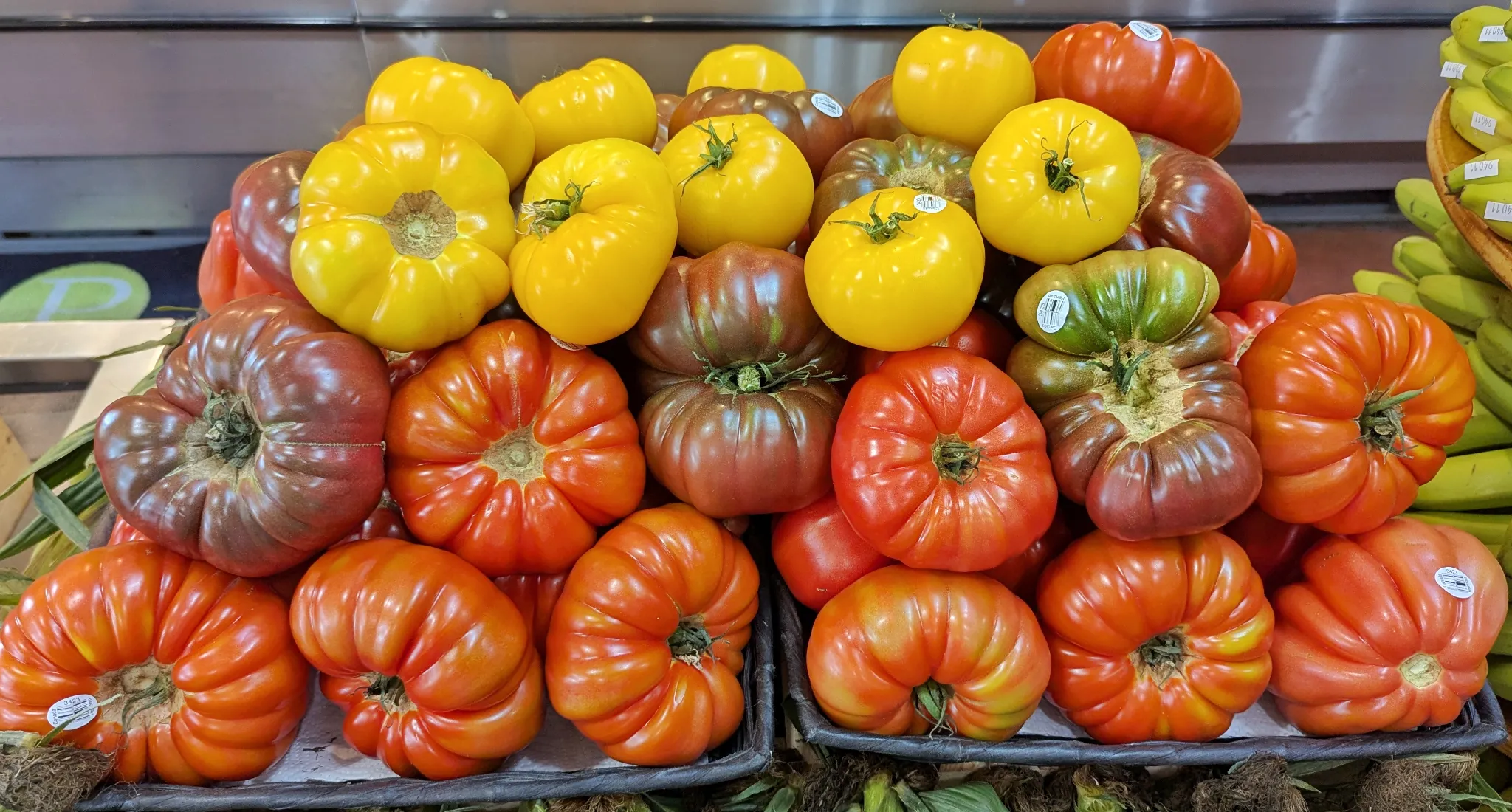
Diversity of old tomato varieties (Solanum lycopersicum)
Diversity of old tomato varieties (Solanum lycopersicum) differing in fruit color, shape, and size. The photograph clearly demonstrates the genetic and external diversity of the crop. Shooting location: Cambridge, Massachusetts, USA.
At the foundation of any harvest lies genetically determined potential. No amount of care—even the best possible—can turn a low-yielding variety into a record-breaker. That is why choosing the right variety or hybrid for specific conditions is the first and most important step to success.
Every plant has a unique set of genes that determine its growth, disease resistance, fruit flavor, and, of course, its maximum possible productivity. This potential is called potential yield. However, it can be fully realized only under ideal conditions. In reality, yield will always be below this maximum because of limiting environmental factors (Savin & Slafer, 2019).
Modern varieties and hybrids (especially F1 hybrids) are often bred for maximum output under intensive agriculture: they require abundant nutrition, water, and pest protection. Older, “local” varieties (heirloom varieties) may be less productive, but they are often much hardier and more resistant to stress in a particular region. Moreover, the genetic uniformity of modern hybrids makes them vulnerable: if a new disease appears to which they have no resistance, the entire crop can be lost (Agrios, 2005).
It is important to understand that different varieties of the same crop may be adapted to different conditions. For example, tomato varieties for open ground in the south and for greenhouses in northern regions will differ radically. The same variety can produce a phenomenal result in one climate and fail completely in another (Heuvelink, 2018).
Practical conclusion: Do not chase fashionable varieties that do not suit your climate. Study local recommendations and choose varieties that have already proven themselves in your conditions. If you want stability, consider growing several different varieties—this is “hedging” risks (Walliser, 2020).
2. Light: Quantity and Quality

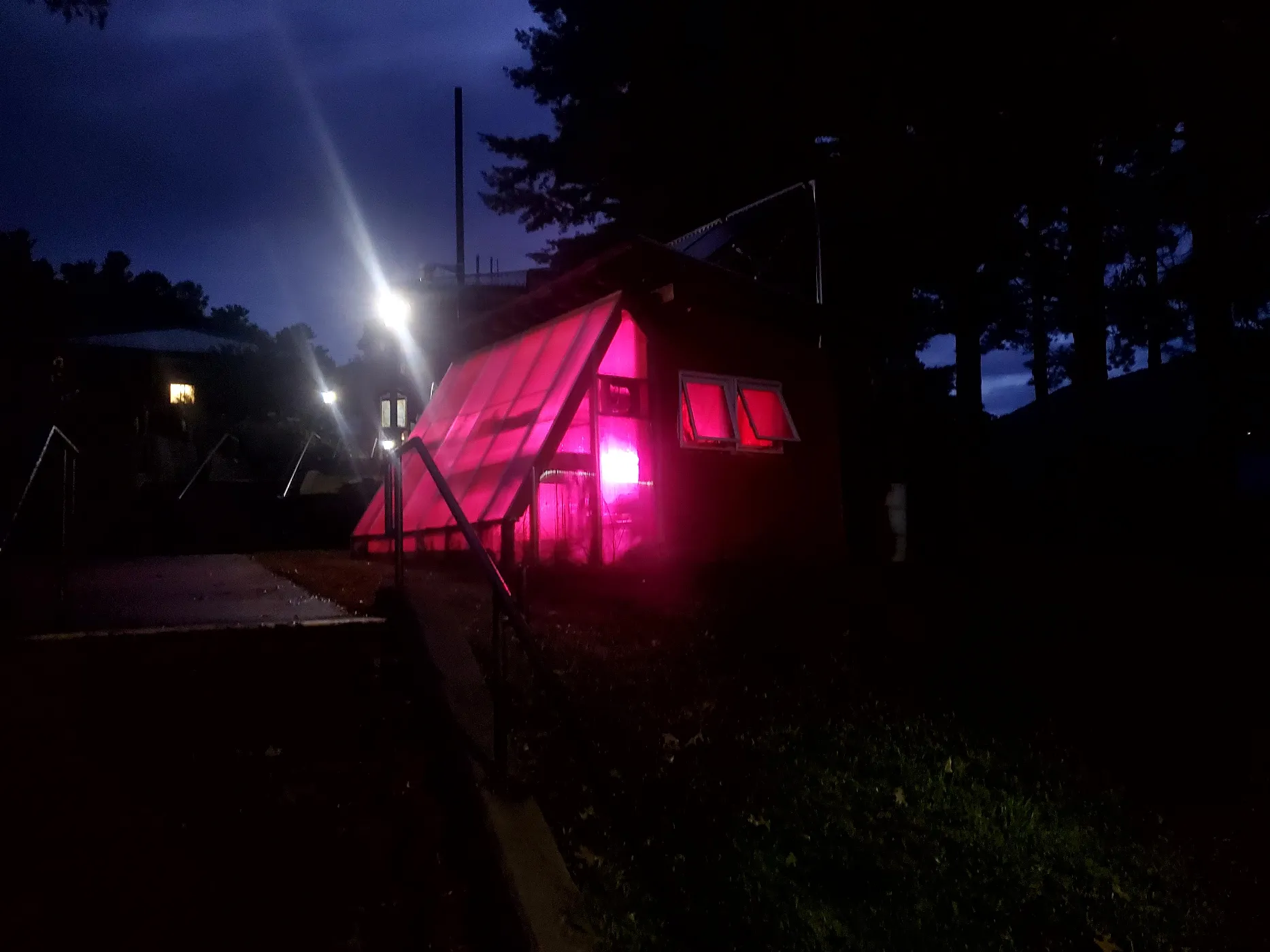
Pink glow of grow lamps in a greenhouse early in the morning
Light is the “food” for plants, the basis of photosynthesis. Without enough light, a plant cannot produce enough sugars for growth and fruit formation. But not only the amount matters; quality and day length matter as well.
Quantity of light. Every plant has its own minimum and optimum light level. With insufficient light, plants become leggy, pale, and fail to set fruit. For example, tomatoes and peppers require direct sun for at least 6–8 hours per day for a good harvest (Zona, 2023). In dense shade, even the best variety will not perform. Light flux is measured in lux, and for most vegetable crops the minimum is about 10,000 lux, while the optimum is above 50,000 (Rubatzky & Yamaguchi, 1997). For comparison, on a cloudy day outdoors, illuminance may be only 1,000–5,000 lux, which is why supplemental lighting is so important in greenhouses (Science and the Garden, 2015).
Quality of light. Plants use mainly the red and blue spectra for photosynthesis. That is why LED grow lights have a characteristic violet tint. However, light quality affects not only photosynthesis but also plant development: the ratio of red to far-red light signals to the plant that it is shaded by neighbors and causes it to stretch upward, which is not always desirable (Lambers & Oliveira, 2019).
Photoperiod (day length). Many crops respond to day length. This phenomenon is called photoperiodism. Plants are divided into:
- Short-day plants: flower when the day is shorter than 12–14 hours (for example, chrysanthemums, soybeans, some onion varieties).
- Long-day plants: flower when the day is longer than 14 hours (for example, spinach, radish, lettuce).
- Day-neutral plants: flowering does not depend on day length (most tomatoes, cucumbers, corn).
For a gardener, this means that trying to grow a short-day crop in the middle of a long summer day may result in the plant producing vegetative growth but never flowering. For example, bulb onions form a bulb only when day length is sufficient; in northern latitudes, long-day varieties are ideal for this, while in the south growing them makes no sense—the onion simply will not have time to form a bulb (Science and the Garden, 2015).
Practical conclusion: Place plants according to their light needs. Study the agronomy of the crop: not only “how much light” but also “what day length” it needs. In regions with short summers, use transplants and covers to extend the daylight period and growing season (Morgan, 2021).
Note: It is important to understand the difference between light and heat. Even if there is enough light but the temperature is too low, photosynthesis will be suppressed, and vice versa. These factors work together (Lambers & Oliveira, 2019).


LCD 4-in-1 Soil Tester
Check essential growing conditions with one compact tool. Measure soil pH, moisture, temperature and light intensity — ideal for gardens, potted plants and greenhouses.
- 4-in-1 measurement
- Easy-to-read LCD display
- Portable design
Affiliate link · For indicative measurements only.
3. Heat: Growing Degree Days, Frost, and Heat Stress
Temperature is the “engine” of all biochemical processes in a plant. It determines the rate of growth and development and, ultimately, the timing of crop maturation. But, as with light, not only absolute values matter here but also dynamics: accumulated heat, extreme values, and day–night fluctuations.
Growing Degree Days (GDD). Each crop needs to accumulate a certain amount of heat to pass through a particular development phase (from emergence to flowering, from flowering to ripening). This indicator is calculated as the sum of average daily temperatures above a certain threshold (usually +5 °C or +10 °C). For example, corn may require 1,200–1,400 degree-days to ripen, while early potatoes require about 800–1,000 (Rubatzky & Yamaguchi, 1997). That is why in cold years the crop ripens later and may be smaller, even if you did everything correctly. The GDD concept is used to forecast harvest dates and select varieties for a particular region (Savin & Slafer, 2019).

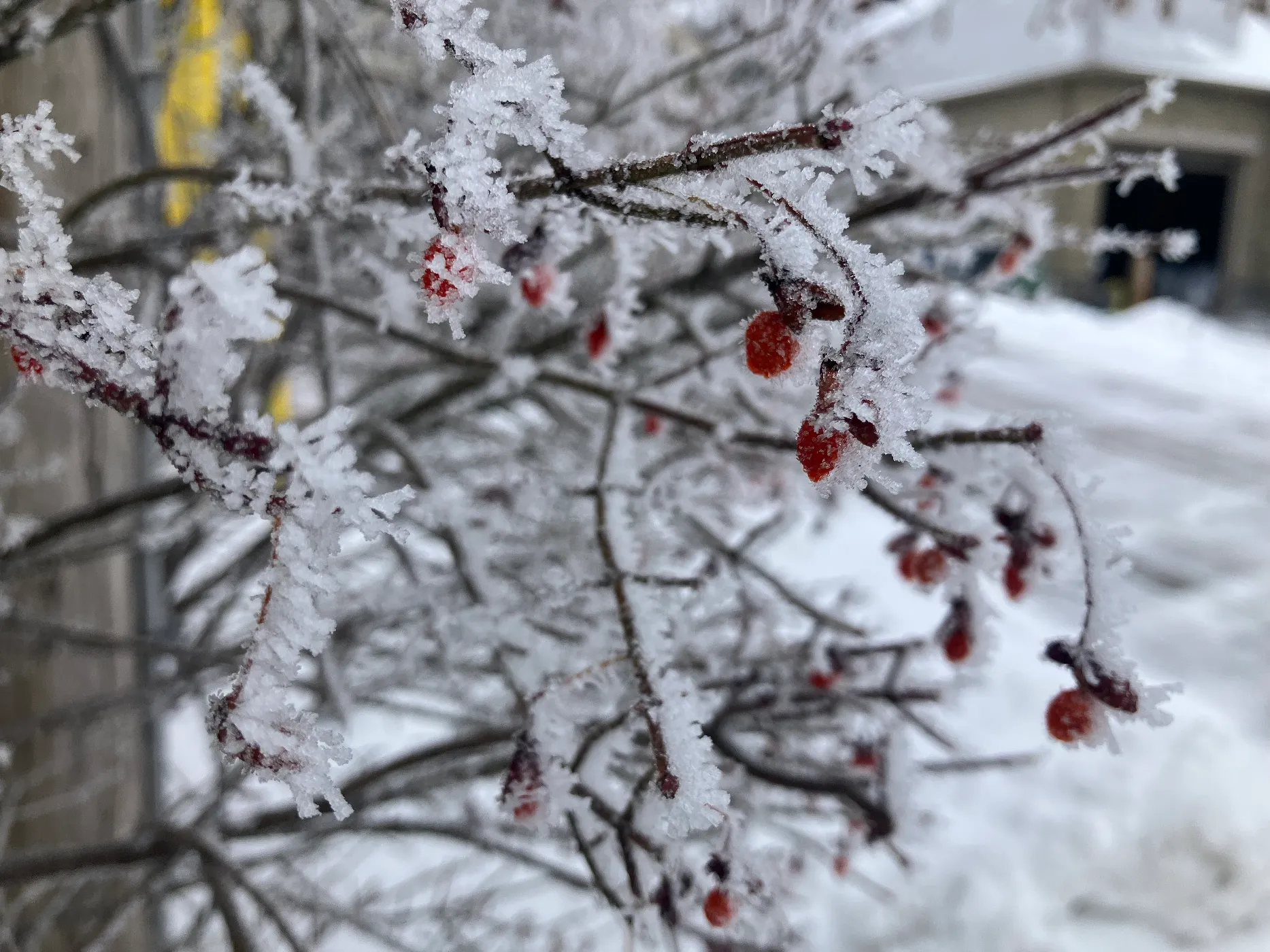
Rime on plants: the danger of low temperatures
Frost. This is perhaps the most dangerous temperature factor. Spring frosts can destroy young seedlings and flowers, while autumn frosts can ruin unripe crops. Plants react differently to low temperatures. Some (cold-hardy plants) can tolerate frosts down to -5...-10 °C, while others (heat-loving plants such as tomatoes and cucumbers) are damaged at 0 °C and even at +5 °C (Science and the Garden, 2015). The danger is not only the absolute minimum but also the speed at which cold arrives: a sharp cold snap after warm weather causes more damage than a gradual one (Hopkins & Hüner, 2009). In regions with risky farming, covers, smoke, and pre-frost irrigation are used to protect plants.
Heat. Too-high temperatures are also harmful. At temperatures above +35...+40 °C, photosynthesis is disrupted in many plants, pollen becomes sterile, and fruits can suffer sunburn (Rubatzky & Yamaguchi, 1997). Tomatoes, peppers, and beans are especially sensitive to heat: at high temperatures their flowers simply drop without setting fruit (Heuvelink, 2018). In hot climates, shading, mulching, and proper watering help.
Thermoperiodism (daily temperature fluctuations). Many crops grow and develop better with a significant difference between day and night temperatures. At night, plants spend fewer sugars on respiration, and more energy remains for growth. For example, for tomatoes the optimal difference is 5–7 °C: day +25 °C, night +18 °C. If nights are too warm, the plant “burns up,” spending all its reserves on respiration, and yield decreases (Heuvelink, 2018).
Vernalization. Some plants need to experience a cold period to transition to flowering. This process is called vernalization. Winter cereals and biennial crops (cabbage, carrot, beet) will not flower unless they receive a sufficient dose of low temperatures. For a gardener, this means that winter crops cannot be sown in spring—they will simply produce vegetative growth and fail to produce seeds or root crops (Science and the Garden, 2015).
Soil temperature. It affects seed germination and root function. Cold soil slows water and nutrient uptake, so early sowing into unheated soil often leads to seed rot. For example, cucumber seeds germinate only when soil temperature is at least +15 °C (Rubatzky & Yamaguchi, 1997). Mulch helps smooth temperature fluctuations, but in spring dark mulch may, on the contrary, slow warming.
Practical conclusion: Choose varieties with a ripening time suited to your climate. Use transplants and covers to protect against frost. In hot climates, provide shading and mulching. Watch the weather forecast, especially during flowering—that is when extreme temperatures cause the greatest damage to the future harvest.
4. Water: Irrigation Regime
Water is a solvent, the medium for all biochemical reactions, and the plant’s “transport system.” It makes up to 95% of the mass of young tissues. Lack of water stops growth, while excess kills roots. The gardener’s main task is to maintain an optimal water balance, not simply to “water.”
How a plant loses water. The main pathway of water loss is transpiration, evaporation through stomata on the leaves. This process is necessary: it cools the leaves and ensures the flow of water with dissolved nutrients from the roots to the leaves. On a hot day, a mature plant can lose liters of water per day (Taiz et al., 2023). If losses exceed uptake, the plant closes its stomata, photosynthesis stops, and growth ceases. This state is called water stress.
Water availability in soil. Not all water in soil is available to plants. Soil holds moisture with different strength. Key concepts:
- Field capacity: the maximum amount of water that soil holds after gravitational water has drained away. This is the ideal state for plants.
- Permanent wilting point: the state in which water is held by the soil so strongly that roots can no longer extract it. The plant wilts and dies.
- Available water: the difference between these two states. Clay soils hold a lot of water, but much of it is unavailable. Sandy soils hold little, but almost all of that water is available. The best balance is found in loams and soils with high organic matter content (Eash, 2016).
Principles of proper watering.

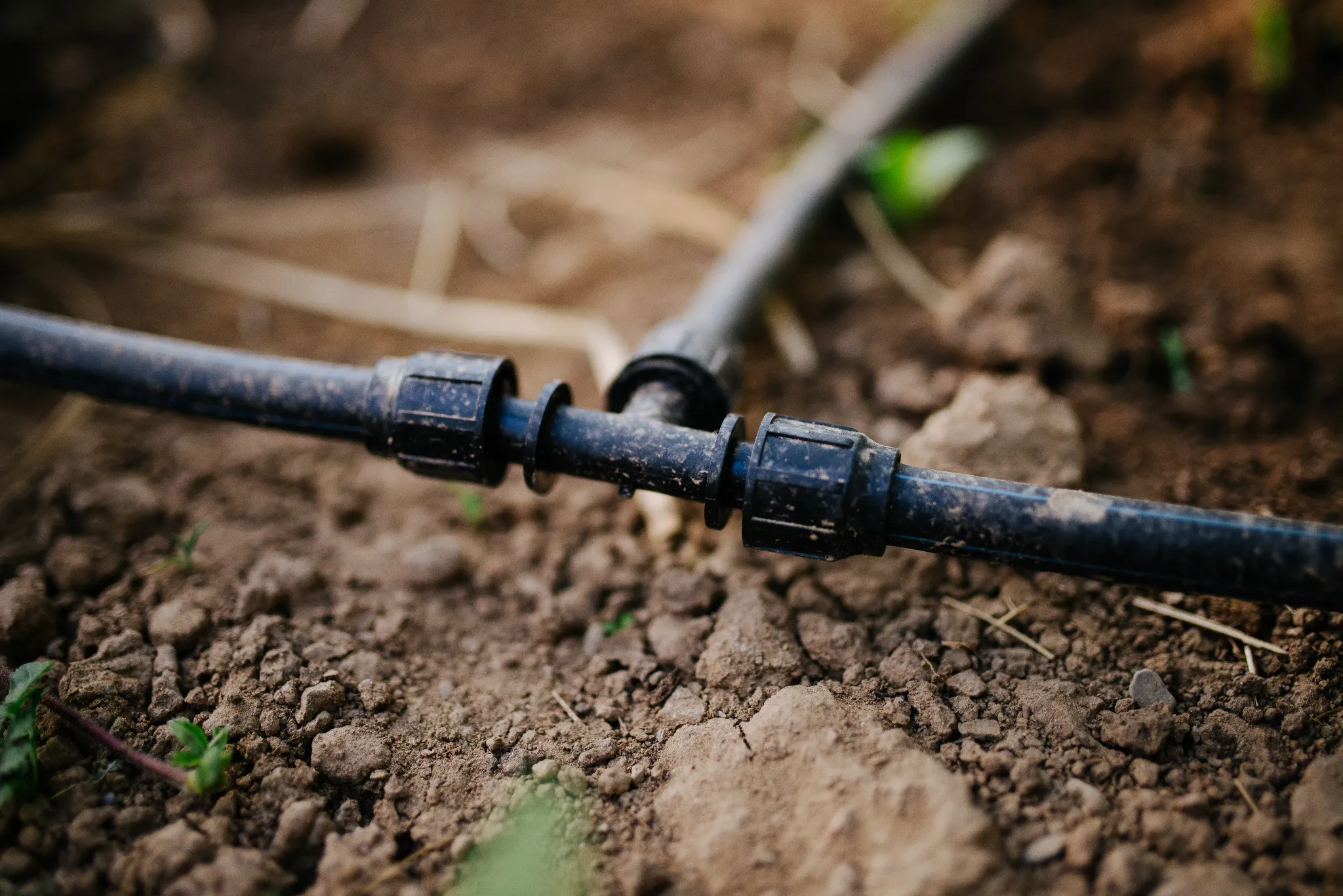
Drip irrigation connectors on the soil
Close-up of a drip irrigation system showing the connection of tubes using plastic fittings. Installed on dry, fertile soil in a garden for efficient water management in summer.
1. Water less often but deeply. The goal is to moisten the soil to the depth of the root zone (20–30 cm for most vegetables). Frequent surface watering leads to roots developing near the surface, where they dry out quickly. Deep watering stimulates roots to grow downward, making the plant more drought-resistant (Morgan, 2021).
2. Consider soil type. Sandy soils should be watered more often and in smaller portions; clay soils less often and more heavily, because they absorb slowly and retain water for a long time (Eash, 2016).
3. Water at the root, not over the leaves. Wet leaves are an open gate for fungal diseases. Drip irrigation or watering at the root saves water and reduces disease risk (Morgan, 2021).
4. The best time is morning. Morning watering allows plants to store moisture for the hot day, and leaves have time to dry before evening. Evening watering promotes disease development (Science and the Garden, 2015).
5. Mulch. Mulch (straw, compost, cut grass) reduces evaporation from the soil surface by 50–70% and stabilizes temperature (Eash, 2016). This is one of the most effective ways to save water.
Water stress and its consequences. Even short-term drought during critical periods (flowering, fruit set, fruit filling) can sharply reduce yield. For example, in tomatoes, lack of water during flowering causes flowers to drop, while in cabbage it causes heads to crack. Plants respond to water stress by producing the hormone abscisic acid (ABA), which closes stomata and suppresses growth (Taiz et al., 2023). Chronic water deficiency makes plants stunted and reduces fruit quality.
Excess water (waterlogging). This is no less dangerous a problem than drought. In waterlogged soil there is no oxygen, roots suffocate, rot, and the plant dies. External signs are yellowing leaves, wilting that does not go away after watering, and rot appearing on the roots. Water stagnation is especially dangerous on heavy clay soils. The solution is drainage, raised beds, and adding organic matter to improve structure (Science and the Garden, 2015).
Water quality. For irrigation, not only availability but also quality matters. High salt content (salinization) makes water unsuitable for plants, because salts prevent roots from absorbing moisture. In arid regions this problem is especially acute (Taiz et al., 2023). If water from your source seems “hard,” it is worth checking it for salinity.
Practical conclusion: Irrigation is not just “pouring water.” It is managing the soil water regime. Study the needs of your crops, soil type, and climate. Invest in drip irrigation and mulch—they will pay off with healthier plants and a stable harvest.
Note: There is a common misconception that “plants need to be watered every day.” This is incorrect. Watering frequency depends on soil type, weather, plant development stage, and crop species. The best indicator is the condition of the soil: if it is dry at a depth of 5–10 cm, it is time to water (Pavlis, 2020).

Solar Automatic Drip Irrigation Kit for Gardens
Automate watering for pots, gardens and small greenhouses. This solar-powered system features a timer to help schedule water delivery to your plants.
- Solar-powered
- 15 m irrigation hose
- Programmable watering
Affiliate link · Check included accessories.
5. Nutrition: Balance
Plants need 17–20 chemical elements, but not all are required in equal amounts. Six macronutrients (nitrogen, phosphorus, potassium, calcium, magnesium, sulfur) are consumed in large quantities; the rest (micronutrients: iron, manganese, boron, zinc, copper, molybdenum, chlorine, nickel) are needed in trace amounts. The main principle: yield is limited not by the element that is abundant in the soil, but by the one that is lacking. This law is known as Liebig’s law of the minimum—figuratively represented as a barrel in which each stave symbolizes a nutrient, and water leaks out through the shortest stave (Zona, 2023).
Why “the more, the better” does not work. Many gardeners, wanting to help plants, apply fertilizers “by eye,” often exceeding norms. This leads to two problems. First, an excess of one element blocks the uptake of another: for example, excess phosphorus binds zinc and iron, causing their deficiency. Second, unused nutrients leach into groundwater, polluting the environment, or accumulate in soil to toxic levels (Chalker-Scott, 2018). The accumulation of phosphorus is especially dangerous—it is relatively immobile and can remain in the soil for years, harming roots and soil biota (Pavlis, 2020).
Macronutrients and their role.
- Nitrogen (N)—the “builder” of proteins and chlorophyll. With deficiency, leaves turn yellow, starting from the lower ones, and plants lag in growth. Excess causes lush vegetative growth at the expense of fruiting (Taiz et al., 2023).
- Phosphorus (P)—responsible for energy (ATP), root development, and flowering. Deficiency manifests as a purple tint to leaves and poor fruit set. Phosphorus in soil is poorly available, so it is important to apply it locally, in the root zone (Savin & Slafer, 2019).
- Potassium (K)—regulator of water balance and stress resistance. With deficiency, leaf edges turn brown, and fruits store poorly. Potassium leaches easily from sandy soils (Eash, 2016).
Micronutrients. They are needed in tiny doses, but their deficiency is just as destructive. For example, iron deficiency causes chlorosis between the veins of young leaves, while boron deficiency causes death of growing points and fruit deformation. Most often micronutrients are already present in the soil but become unavailable at the wrong pH (see the next section). They should be applied only based on analysis results, since overdose is toxic (Zona, 2023).

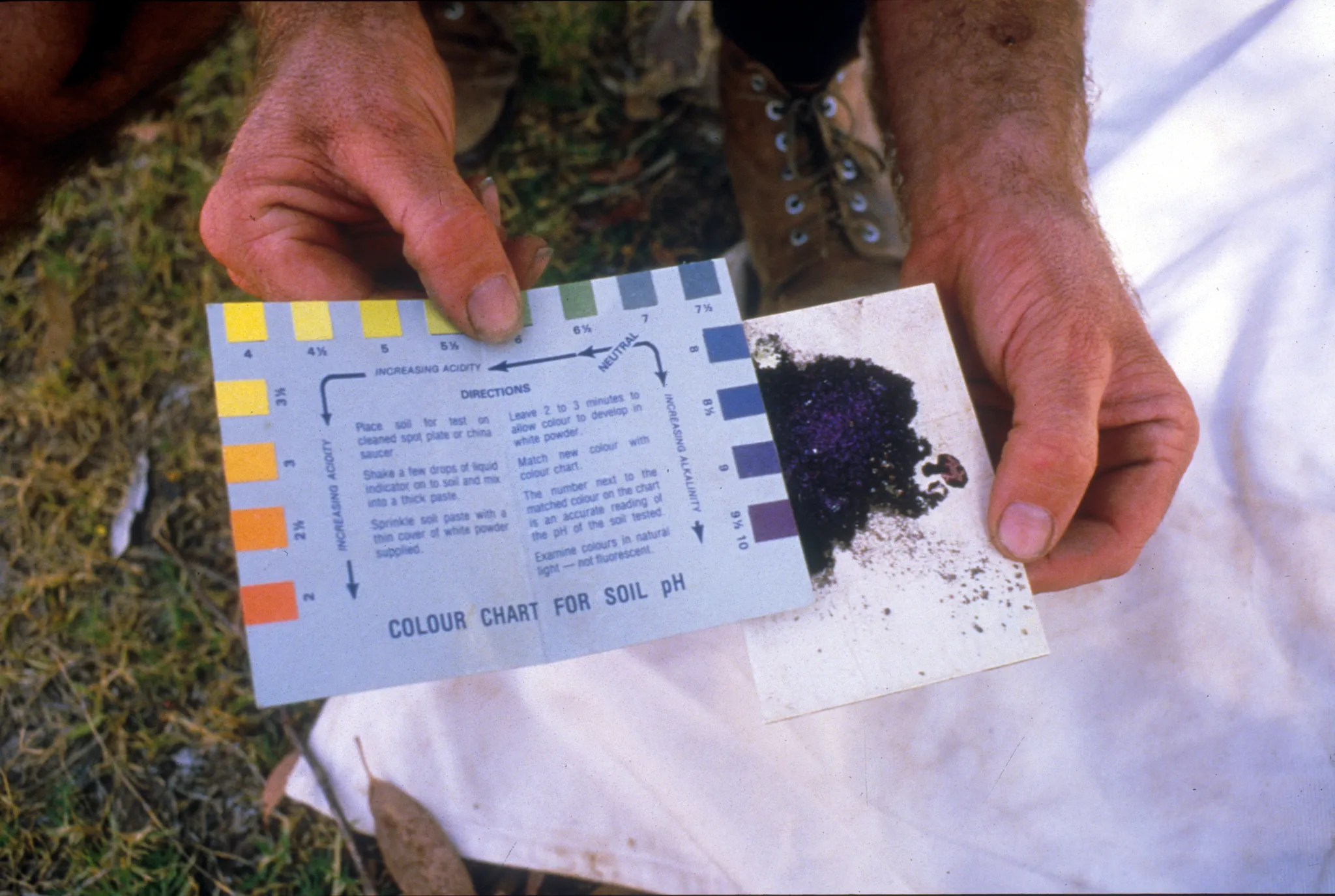
Determination of soil pH by the colorimetric method.
Demonstration of a method for determining soil acidity using a color comparison scale. A person holds a pH chart and a soil sample after applying the indicator. Location not specified in the original caption.
How to determine need? The most reliable way is soil analysis in a laboratory. It will show not only element content but also pH and organic matter level. Home test kits often give only an approximate picture (Pavlis, 2020). If analysis is unavailable, focus on the appearance of plants and the history of the plot: for example, after many years of growing demanding crops (cabbage, potatoes), nitrogen may be depleted.
Organic vs. mineral fertilizers. Mineral (synthetic) fertilizers act quickly but do not improve soil structure. Organic fertilizers (compost, manure, bone meal) release nutrients gradually while feeding soil biota. The ideal approach is to combine them: compost as a base, and mineral supplements for rapid correction of deficiency (Chalker-Scott, 2018). It is important to remember that organic fertilizers can also be unbalanced (for example, manure is rich in nitrogen but poor in phosphorus).
Practical conclusion: Do not fertilize “just in case.” First determine what is actually lacking. Balanced nutrition means that each element is available in the right amount and at the right time. For most garden soils, annual compost and mulch application is sufficient, and additional fertilizers are needed only when there are clear signs of starvation.
Note: Nitrogen is the most mobile element. It is easily washed out by rains and volatilized as gas. Therefore, nitrogen supplements are more effective when applied in split doses during active growth, rather than once in spring (Savin & Slafer, 2019).
6. Soil: Structure, pH, Fertility
Soil is not just “the ground under your feet” but a complex ecosystem where mineral particles, organic matter, air, water, and billions of microorganisms work together. Its condition determines how well roots can obtain water and nutrition. It can be said that the harvest begins with the soil.
Structure. Ideal soil is a crumbly, porous mass in which about 50% of the volume is solid particles and 50% is pores filled with air and water. Such structure provides both drainage and moisture retention. The key to good structure is aggregates glued together by organic substances (humus) and root exudates. Destruction of aggregates (through frequent digging, walking on beds, lack of organic matter) leads to compaction, crusting, and erosion (Eash, 2016). The best way to improve structure is to add organic matter (compost, mulch) and minimize soil tillage. For example, the “no-dig” system allows porosity to be maintained naturally through the activity of worms and roots (Hemenway, 2009).
pH. Soil acidity (pH) is one of the main factors determining nutrient availability. Most vegetable crops prefer pH from 6.0 to 7.0. In this range almost all elements are in soluble form. Deviations block uptake:
- At pH < 5.5, phosphorus binds with iron and aluminum, and molybdenum becomes unavailable.
- At pH > 7.5, iron, manganese, zinc, and boron turn into insoluble compounds, causing chlorosis (Taiz et al., 2023).
- age[1151|Liming] raises pH on acidic soils, while applying sulfur or acidic peat lowers it on alkaline soils. However, pH should be changed carefully, because soil has buffering capacity—it resists changes. Quick results should not be expected (Pavlis, 2020).
Fertility. This is the ability of soil to provide plants with available nutrients. It consists of:
- Mineral nutrition—a reserve of elements replenished through the decomposition of organic matter and minerals.
- Organic matter (humus)—a “storehouse” of nutrients and energy for microbes. Humus also improves structure and retains water and nutrients (cation exchange).
- Microbial activity—bacteria, fungi, and worms decompose organic matter, converting nutrients into available forms. Without healthy biota, soil becomes “dead” and infertile (Eash, 2016).
- rtility is not measured only by NPK content. Balance matters: for example, high phosphorus content with zinc deficiency will not produce a harvest. Therefore, soil analysis and regular compost application are the foundation of fertility management.
How to improve soil on a plot?

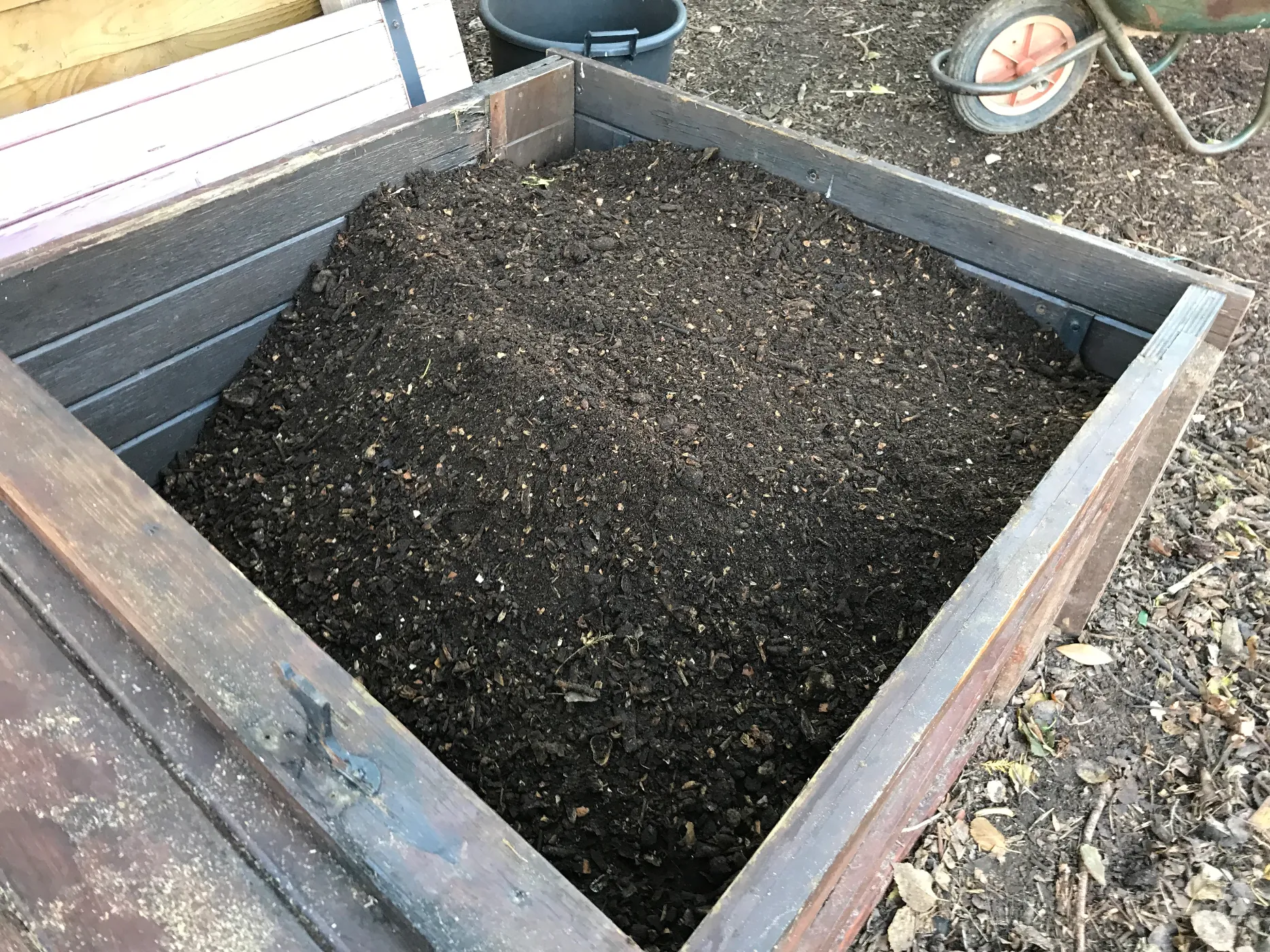
Finished compost in a wooden box
Image of a wooden raised box (bed) filled with finished dark compost. Location not specified in the original caption.
1. Apply compost annually (a 2–5 cm layer)—a universal remedy for any soil.
2. Mulch—protects against erosion, preserves moisture, and gradually increases humus.
3. Do not dig unnecessarily—preserve structure and microbial networks.
4. Sow green manures (mustard, phacelia, legumes)—their roots loosen the soil, and the green mass serves as organic fertilizer.
5. Monitor pH—check and adjust once every 2–3 years (Chalker-Scott, 2018).
Practical conclusion: Healthy soil is living soil. Invest in organic matter and minimal tillage, and plants will thank you with a harvest. Do not try to “feed” plants bypassing the soil—first create conditions for roots to work.
Note: In arid regions, soil salinization is a serious problem. Excess salts suppress roots and block water uptake. Control measures: washing (heavy irrigation with drainage), applying gypsum (for solonetz soils), and mulching to reduce evaporation (Taiz et al., 2023).

7-in-1 Wi-Fi Weather Station
Monitor local weather conditions with a wireless outdoor sensor. Track temperature, humidity, rainfall, wind speed and direction, and atmospheric pressure. Ideal for gardens, farms and greenhouses.
- Wireless outdoor sensor
- Solar-powered
- Wi-Fi connectivity
Affiliate link · Check regional compatibility.
7. Pollination: Insects, Wind, Hand Pollination
Even with ideal care, nutrition, and watering, a harvest will not happen if flowers are not pollinated. Pollination is the transfer of pollen from anthers to the stigma, without which fertilization will not occur and fruits will not set. This process often remains “behind the scenes” in the gardener’s attention, although it determines how many fruits set and how fully they fill out.
How plants are pollinated. In nature there are two main methods: by living agents (insects, birds, animals) and by wind. Most vegetable and fruit crops that we grow are entomophilous (pollinated by insects). These include tomatoes, peppers, cucumbers, pumpkins, zucchini, eggplants, and most fruit trees and berry plants. Wind-pollinated crops include corn, wheat, rye, oats, and beets (partly). For them, the presence of insects is not critical, but good air circulation and the absence of obstacles to pollen are important (Capon, 2022).

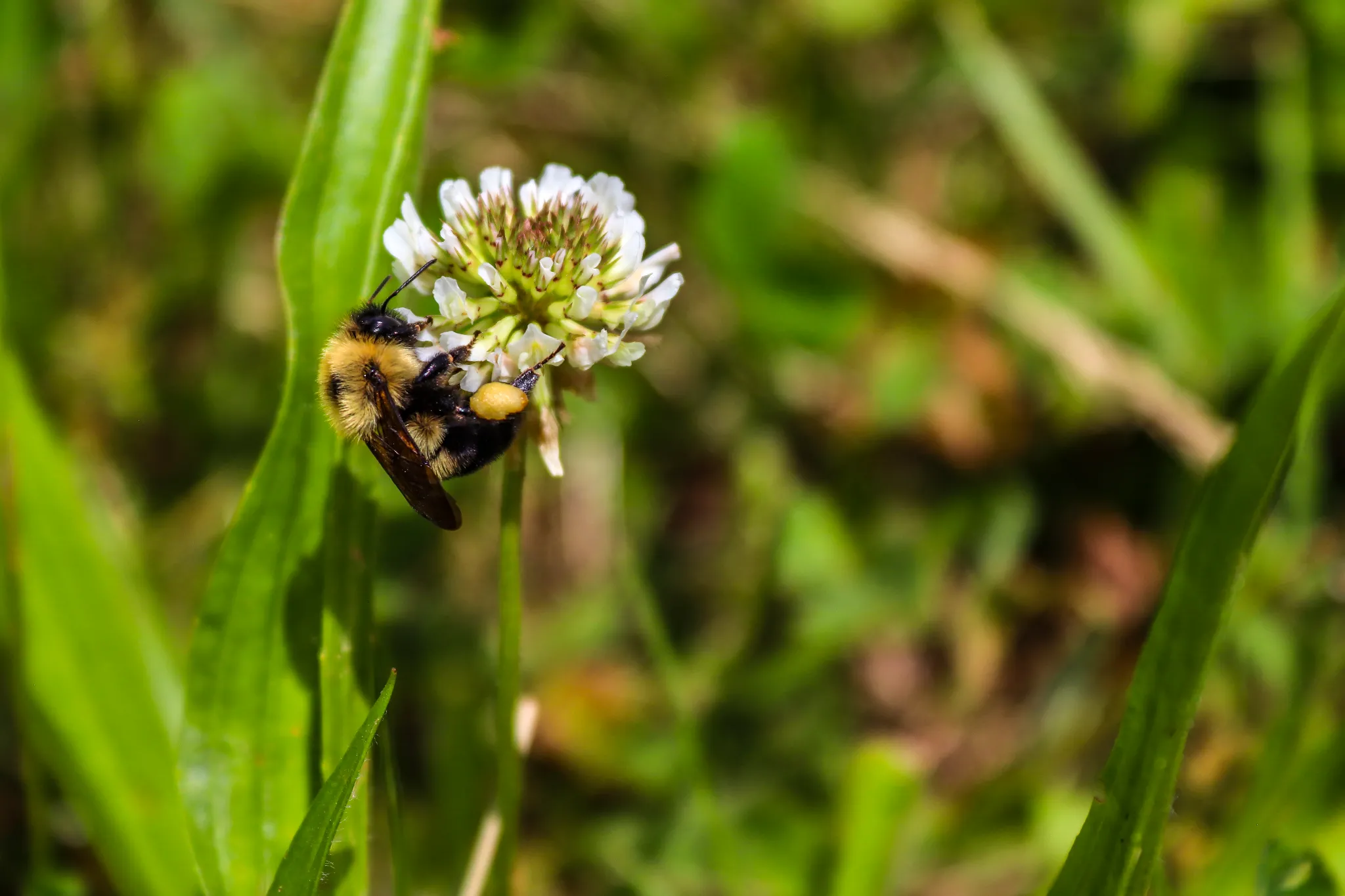
Bumblebee pollinating a clover flower (Bombus sp.; Trifolium sp.)
A bumblebee (Bombus sp.) visits a clover flower (Trifolium sp.), collecting pollen. The photograph illustrates the process of pollen transfer by insects and the importance of natural pollinators for crop formation.
The role of insect pollinators. Bees, bumblebees, butterflies, hoverflies, beetles, and even flies transfer pollen from flower to flower, providing cross-pollination. This is important for genetic diversity and, more practically, for setting large, well-formed fruits. For example, in cucurbit crops, incomplete pollination leads to deformed fruits: they become “crooked” or one side remains underdeveloped because seeds in that part did not form (Walliser, 2020). Studies show that a sufficient number of pollinators can increase cucumber yields by 20–30%, and pumpkin yields by 50% or more.
What attracts pollinators. Insects come to flowers for nectar and pollen. It is important to provide a continuous “conveyor belt” of flowering in the garden: from early-spring honey plants (willow, dandelion) to late-summer ones (phacelia, sunflower). A diversity of flowers is the key to a stable pollinator population. Plants with open, simple flowers are especially valuable: umbellifers (dill, fennel, coriander), composites (marigolds, calendula), as well as phacelia, borage, and buckwheat (Morgan, 2021). It is important to remember: double-flowered ornamental varieties are often useless for insects, because their nectaries are hidden behind layers of petals.
Pollination problems in greenhouses. In protected ground there are no natural pollinators. Tomatoes, peppers, and eggplants are self-pollinating crops, but they need vibration to release pollen. In nature this is done by wind and insects; in a greenhouse, by drafts or mechanical assistance. The simplest method is to shake flower trusses manually or use an electric toothbrush, applying it to the flower truss (the vibration imitates a bumblebee’s buzz). For cucumbers, which have separate male and female flowers, it is necessary either to transfer pollen manually from male flowers to female flowers or to introduce bumblebees into the greenhouse. Bumblebee hives are an effective and safe solution for tomatoes, peppers, and eggplants (Heuvelink, 2018).
Wind-pollinated crops. Corn, for example, forms male tassels at the top and female ears with “silks” below. Pollen must land on these silks. In windless hot weather or with dense sowing, pollination may be incomplete: some kernels in the ear will remain empty. Shaking the tassels manually or sowing corn in rows rather than blocks can help, so that wind transfers pollen better (Rubatzky & Yamaguchi, 1997).
Self-pollination and cross-pollination. Some crops (peas, beans, tomatoes, lettuce) are predominantly self-pollinating—pollen lands on the stigma within the same flower. Others (cabbage, carrot, onion, beet) are cross-pollinated and need pollen from another plant. This is important to consider in seed saving: if you want to preserve variety purity, different cross-pollinated varieties must be spatially isolated or only one variety should be grown (Capon, 2022).
Hand pollination. When there are few insects (for example, early in the season or in a greenhouse), you can help plants manually. For tomatoes, a light tapping on the flower truss in the morning is enough. For cucurbit crops, pick a male flower, remove the petals, and run the anther over the stigma of a female flower. This is a simple and reliable way to improve fruit set (Walliser, 2020).
Practical conclusion: Pollination is not a spontaneous process but a factor that can be managed. Attract pollinators with a diversity of flowering plants, avoid pesticides during flowering, and help plants in greenhouses. Remember: every unpollinated flower is a lost fruit.
Note: Pesticides, especially insecticides, are destructive to pollinators. Spray only in extreme cases, choose products with a short breakdown period, treat in the evening when bees are not flying, and never during flowering (Hasanuzzaman, 2019).
8. Pests and Diseases
Pests and diseases are biotic stresses that can negate all the gardener’s efforts. However, it is important to understand: in a healthy garden with a diverse ecosystem, losses from them are usually minimal. The strategy should not be “destroy all living things” but “maintain balance.”
Why problems arise. Outbreaks of pests and diseases most often occur where ecological balance is disrupted. Monoculture (a bed with only cabbage or only tomatoes) is a “buffet” for pests: they find food easily and reproduce quickly. The absence of natural enemies (predatory beetles, spiders, parasitic wasps) leads to pest numbers getting out of control. Finally, weakened plants (due to improper watering, poor soil, crowding) are more vulnerable to attack (Agrios, 2005).

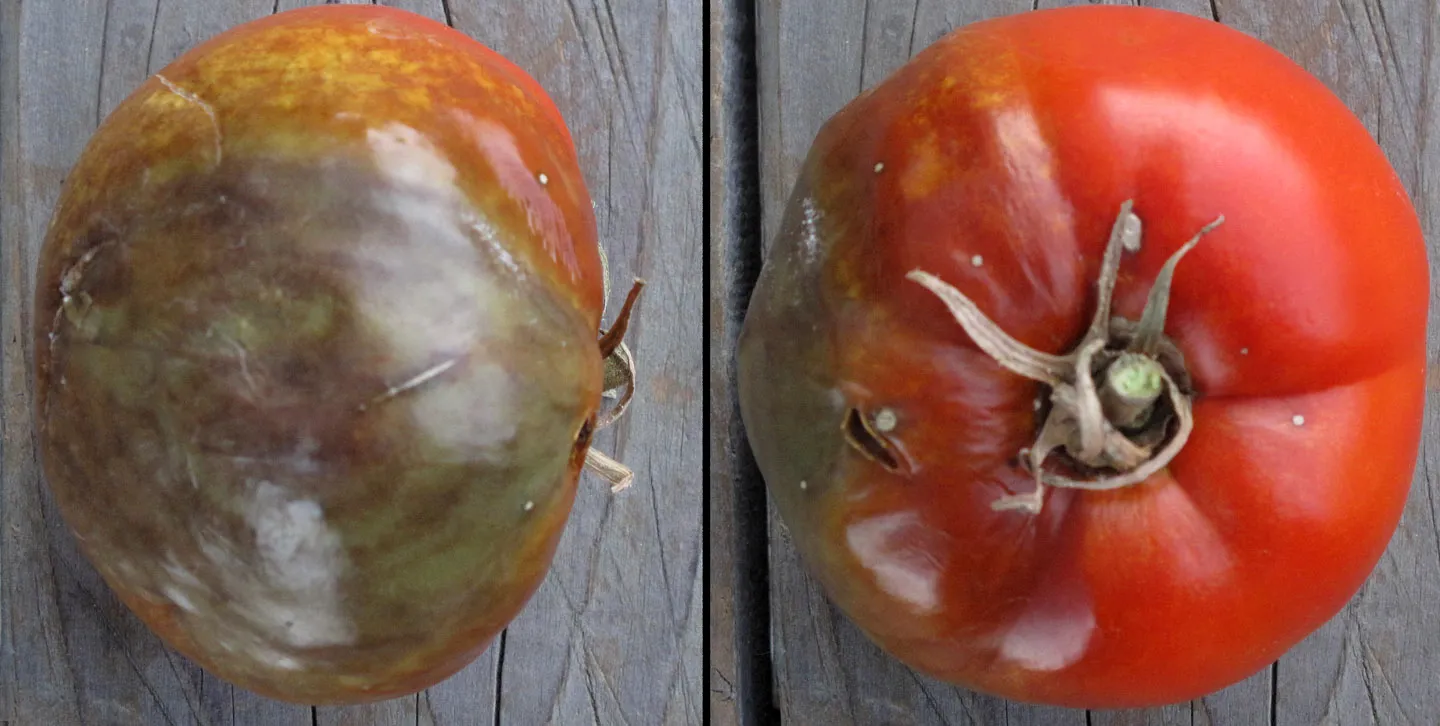
Late blight infection of tomato fruit 'Ace' at the browning stage
Red tomato fruit ('Ace') with characteristic diffuse brown‑green greasy spots and initial signs of watery rot on the surface, typical of late blight.
Diseases: fungal, bacterial, viral. Most plant diseases are caused by fungi and fungus-like organisms (for example, late blight). They spread by spores through air, water, soil, and tools. Bacterial infections often appear as oozing, rapidly enlarging spots with angular edges. Viruses cause mosaic coloring and deformation of leaves and fruits; they are transmitted with sap during pruning, by insects (aphids, thrips), and through seeds (Agrios, 2005).
Key principle: prevention is more important than treatment. Once a disease has appeared on a plant, it is often impossible to cure it. You can only slow its spread. Therefore, the main focus should be on prevention:
1. Crop rotation. Do not grow the same crop (or crops of the same family) in the same place for several years in a row. This breaks the cycle of diseases and pests overwintering in the soil. For example, after cabbage (brassicas), do not plant radish or turnip (Morgan, 2021).
2. Healthy planting material. Seeds and seedlings must be clean. Seeds can be disinfected by heat treatment (for example, heating in water at 50–52 °C for tomatoes and cabbage)—this kills pathogens on the surface without damaging the embryo (Chalker-Scott, 2018).
3. Proper agronomy. Water at the root, not over the leaves. Ventilate greenhouses. Do not crowd plantings. Remove diseased leaves and plants immediately, without leaving them in the bed.
4. Mulching. Mulch prevents spores from soil from reaching leaves (for example, with late blight) and reduces plant stress.
5. Resistant varieties. Choose varieties with genetic resistance to diseases common in your region. This is the most reliable and ecological path (Hasanuzzaman, 2019).

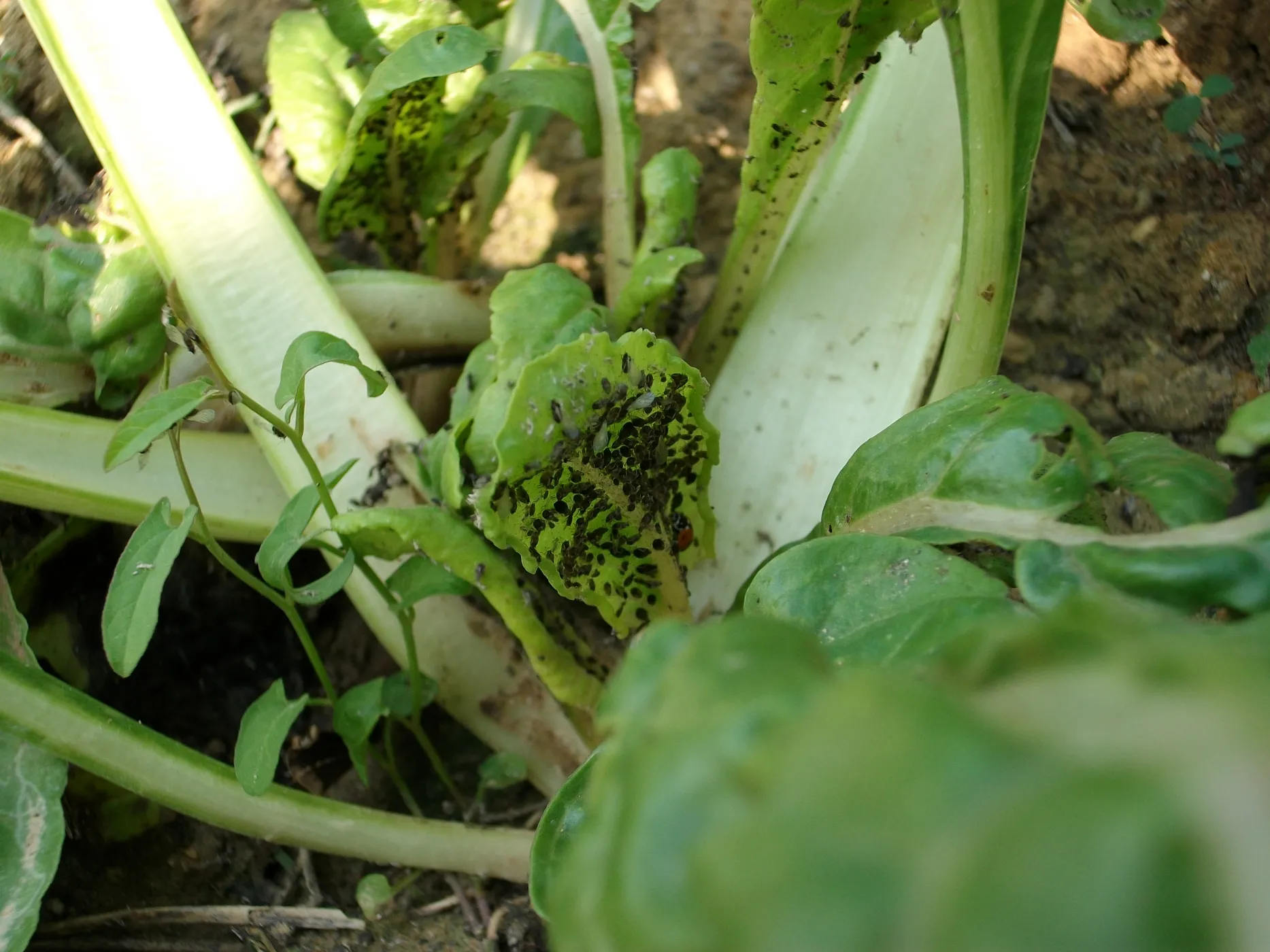
Aphid colony on the leaf surface
Adult and young aphids feed on plant sap, positioned along the leaf vein. Such colonies weaken plants and can contribute to the spread of viral diseases.
Pests: not always enemies. Not every beetle or caterpillar is a problem. It is important to be able to distinguish harmful from beneficial organisms. Ladybugs, lacewings, ground beetles, spiders, and parasitic wasps are “allies” that destroy pests. The more flowering plants in the garden (dill, fennel, marigolds, phacelia), the more beneficial insects there are. Their larvae feed on nectar and pollen, while adults hunt aphids, mites, and caterpillars (Walliser, 2020).
Methods of control without “chemicals.”
- Physical barriers. Thin covering material (agrofibre, spunbond) protects cabbage from butterflies, carrots from carrot fly, and onions from onion fly. The main thing is to lay it in time and press the edges down firmly (Morgan, 2021).
- Traps. Yellow sticky traps help monitor and reduce numbers of aphids, whiteflies, and thrips. Pheromone traps attract male codling moths, reducing fertilization of females.
- Repellent and trap plants. Marigolds release substances toxic to nematodes. Nasturtium distracts aphids from cultivated plants. Basil next to tomatoes can reduce late blight damage (Walliser, 2020).
- Biological products. Products based on beneficial bacteria (Bacillus thuringiensis) and fungi (Trichoderma) have been created that are non-toxic to humans and animals but effective against caterpillars and soil pathogens (Hasanuzzaman, 2019).
When should you intervene? You should not grab the sprayer at the sight of the first aphid. The economic threshold is the level at which yield losses justify intervention. For example, a small aphid colony will not cause serious damage, and destroying it may deprive ladybugs of food. Observe, assess damage, and only if the pest truly threatens the crop should you take measures (Chalker-Scott, 2018).
Practical conclusion: A healthy garden is a garden with biodiversity. Create conditions for beneficial insects, follow crop rotation, use resistant varieties and physical barriers. Chemical pesticides are a last resort that disrupts balance and often brings more harm than good.
Note: Many “diseases” are actually the result of improper care. Yellowing leaves may not be an infection but iron deficiency due to alkaline soil. Before making a diagnosis, check growing conditions (Chalker-Scott, 2018).

40W Full Spectrum LED Grow Light
Support healthy plant growth with full-spectrum LED lighting. Ideal for seedlings, indoor plants and small growing spaces. A practical solution for indoor gardening and year-round cultivation.
- Full-spectrum LED
- Energy-efficient design
- Indoor plant growing
Affiliate link · Check actual power and light coverage.
9. Competition: Weeds and Crowding
Competition is the struggle for limited resources: light, water, and nutrients. In nature, plants compete constantly, but in the garden and vegetable plot we can manage this process, reducing yield losses.
Weeds: invisible robbers. Weeds are the main competitors of cultivated plantings. They have powerful root systems, rapid growth, and high seed productivity. For example, a single sow thistle plant can produce up to 20,000 seeds, and couch grass regrows from any segment of rhizome. Weeds take water and nutrients from the soil, shade seedlings, and some release allelopathic substances into the soil that suppress the growth of neighbors (Hemenway, 2009). Studies show that on weedy plots, yield losses can reach 30–50%, especially in the early stages of crop development (Rubatzky & Yamaguchi, 1997).

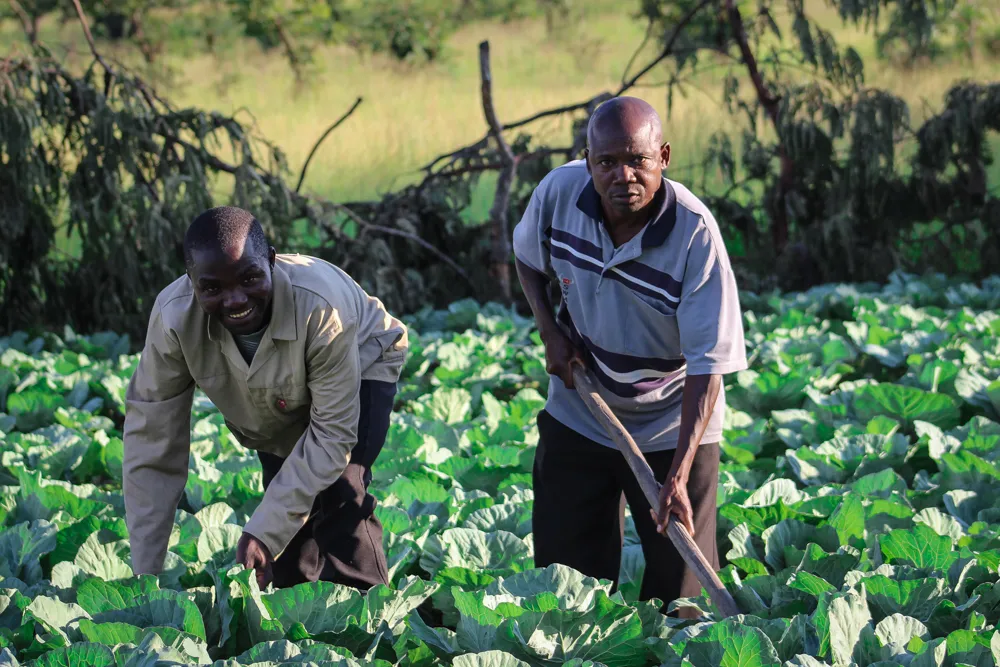
Hand weeding of a cabbage field (Brassica oleracea)
Two farmers remove weeds among cabbage plantings (Brassica oleracea). Hand weeding helps reduce competition for water, light, and nutrients. The photograph was taken in Zambia.
Weed control methods. The best method is prevention. Mulching (with straw, compost, cut grass) blocks light from weeds and reduces their germination. Dense planting of cultivated plants creates shade and also suppresses weeds. Green manures (mustard, phacelia, rye) not only suppress weeds but also improve the soil. It is important not to leave the soil bare: nature abhors a vacuum, and any free area will quickly be occupied by weeds (Pavlis, 2020). If weeds have already appeared, remove them before flowering and seed set, otherwise the problem will only grow.
Crowding: when plants interfere with each other. Too-dense planting of cultivated plants leads to competition among them. Plants shade each other, receive less light, and water and nutrition are distributed among more individuals. As a result, fruits become smaller, overall yield decreases, and conditions are created for the spread of diseases (high humidity, poor ventilation). For example, when tomatoes are crowded in a greenhouse, gray mold often develops, and cucumbers are affected by powdery mildew (Heuvelink, 2018). On the other hand, too-sparse planting is inefficient use of space and loss of potential yield. Optimal density depends on the crop, soil fertility, and climate. Recommendations for planting schemes are usually indicated on seed packets or in reference books.
Practical conclusion: Competition is a factor that can be managed. Weeds must be suppressed with mulch and green manures, and planting density should be calculated based on the needs of the specific crop and plot conditions. A healthy, well-developed crop can itself suppress weeds if given enough space and nutrition.
Note: Some weeds can be useful: for example, dandelion attracts pollinators, and its roots loosen the soil. However, in the vegetable garden it is better not to let them set seed and to control their numbers (Morgan, 2021).
10. Timing: Sow on Time, Harvest on Time
Time is a factor that is often underestimated. Sowing too early or too late, harvesting on time or leaving the crop too long in the bed—all of this directly affects the quantity and quality of produce. Unlike many other factors, we can fully control timing, but to do so we need to understand plant biology.
Why timing is critical. Each crop has its own optimal period for sowing and harvesting, determined by temperature, day length, moisture, and development phase. Too-early sowing into cold soil leads to seed rot, damage to seedlings by frost, and in some crops (for example, cucumbers) physiological suppression. Too-late sowing shortens the growing season: plants do not have time to accumulate the required growing degree days (GDD), and the crop does not ripen or turns out small and poor quality (Savin & Slafer, 2019).
Phenological phases. For each crop there are critical periods when plants are especially sensitive to external conditions. For example, in tomatoes these are flowering and fruit set: if at that moment there is heat above +35 °C or, conversely, cold, pollen becomes sterile and no fruit set occurs (Heuvelink, 2018). In cabbage, the period of head formation is critical: with a lack of moisture or nutrients, the head will not fill out. Harvesting must also be done at the optimal stage of ripeness. Unripe fruits store poorly and have low taste quality; overripe ones crack, rot, or lose marketable appearance (Rubatzky & Yamaguchi, 1997).
How to determine timing? A reliable guide is local recommendations and observations of nature. Many gardeners use a phenological calendar: for example, they sow corn when lilacs bloom, and plant tomato seedlings when the danger of the last frost has passed. You can also focus on growing degree days: each crop has its own threshold. For harvesting, use visual signs: yellowing leaves in onions, brown color in tomatoes, milk stage in corn, and lodging of potato tops (Chalker-Scott, 2018).

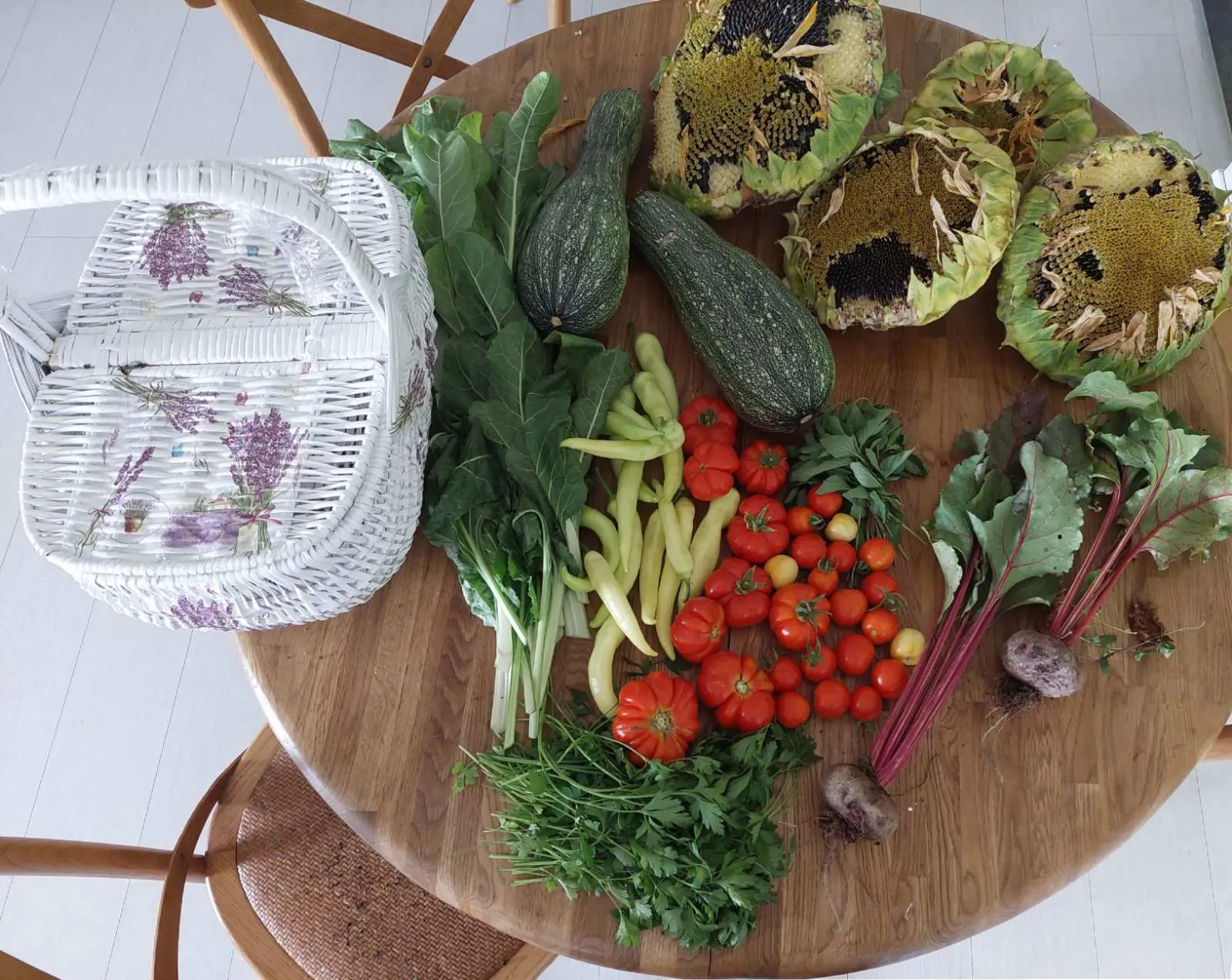
Basket of seasonal vegetable harvest
Harvested vegetables and greens from the Bostanie community garden: tomatoes (Solanum lycopersicum), pepper (Capsicum sp.), zucchini (Cucurbita pepo), beet (Beta vulgaris), parsley (Petroselinum crispum), chard, and sunflower (Helianthus annuus). The photograph demonstrates the diversity of produce obtained as a result of the garden season. Shooting location: Skopje, North Macedonia.
Harvesting and storage. The harvested crop must be handled properly. For example, root vegetables are cleaned of soil but not washed before storage; tomatoes are best picked at the breaker stage so they ripen indoors; greens are cooled immediately after harvest. Violating harvest timing leads to storage losses: overripe fruits spoil quickly, while unripe ones store poorly (Zona, 2023).
Practical conclusion: Plan sowings and plantings taking your region’s climate into account. Keep records: when you sowed, when seedlings emerged, when you harvested. In a couple of years you will have your own calendar that will be more accurate than any general recommendations. Do not be afraid to experiment with early and late dates on small plots to find the optimum for your conditions.
Note: In regions with short summers, the transplant method is often used—this allows you to gain 3–4 weeks and get a harvest before frost. In hot climates, on the contrary, some crops are sown in autumn or late summer to avoid peak heat (Morgan, 2021).
11. Regional Aspect: Limiting Factors Differ in Different Climates
The same set of factors operates everywhere, but their “weight” differs across climatic zones. What limits yield in a desert will not be a problem in the temperate zone, and vice versa. Understanding which factor is limiting in your region allows you to focus efforts where they will have the greatest effect.
Arid climate. Here the main limiting factor is water. There is little precipitation, evaporation is high, and soils are often saline. Plants suffer from water stress and overheating. Yield is limited not so much by fertility as by moisture availability. Solutions: drip irrigation, mulching, drought-resistant varieties, shading, and planting in microclimatic “traps” (near walls, under tree canopies). It is also important to consider water quality: high salt content makes it unsuitable for irrigation (Johnson, 2023). In such regions, gardening is built around saving water and protecting against heat.
Temperate climate. Here the limiting factors are most often heat and growing season length. Frosts are possible in spring and autumn, and summer may be cool and short. Growing degree days may not reach the values needed for late-maturing crops. Solutions: transplant method, covers, selection of early-maturing varieties, and use of greenhouses to extend the season. At the same time, water is usually available and soils are sufficiently fertile, which allows high yields with the right selection of crops (Science and the Garden, 2015). Light can also become a limiting factor: at high latitudes summer days are long, but solar radiation intensity is lower than in the tropics.
Tropical and subtropical climate. Here the main problems are high temperatures, humidity, and pressure from pests and diseases. Heat and light are abundant, but heat suppresses many crops: pollen becomes sterile, and fruits get sunburn. Humidity promotes fungal and bacterial infections. Soils are often poor and leach quickly. Solutions: choosing heat-tolerant varieties, growing in the dry season, drainage, crop rotation, and biological protection methods. In the tropics it is also important to consider photoperiodism: some crops do not flower under the short days typical of low latitudes (Rubatzky & Yamaguchi, 1997).

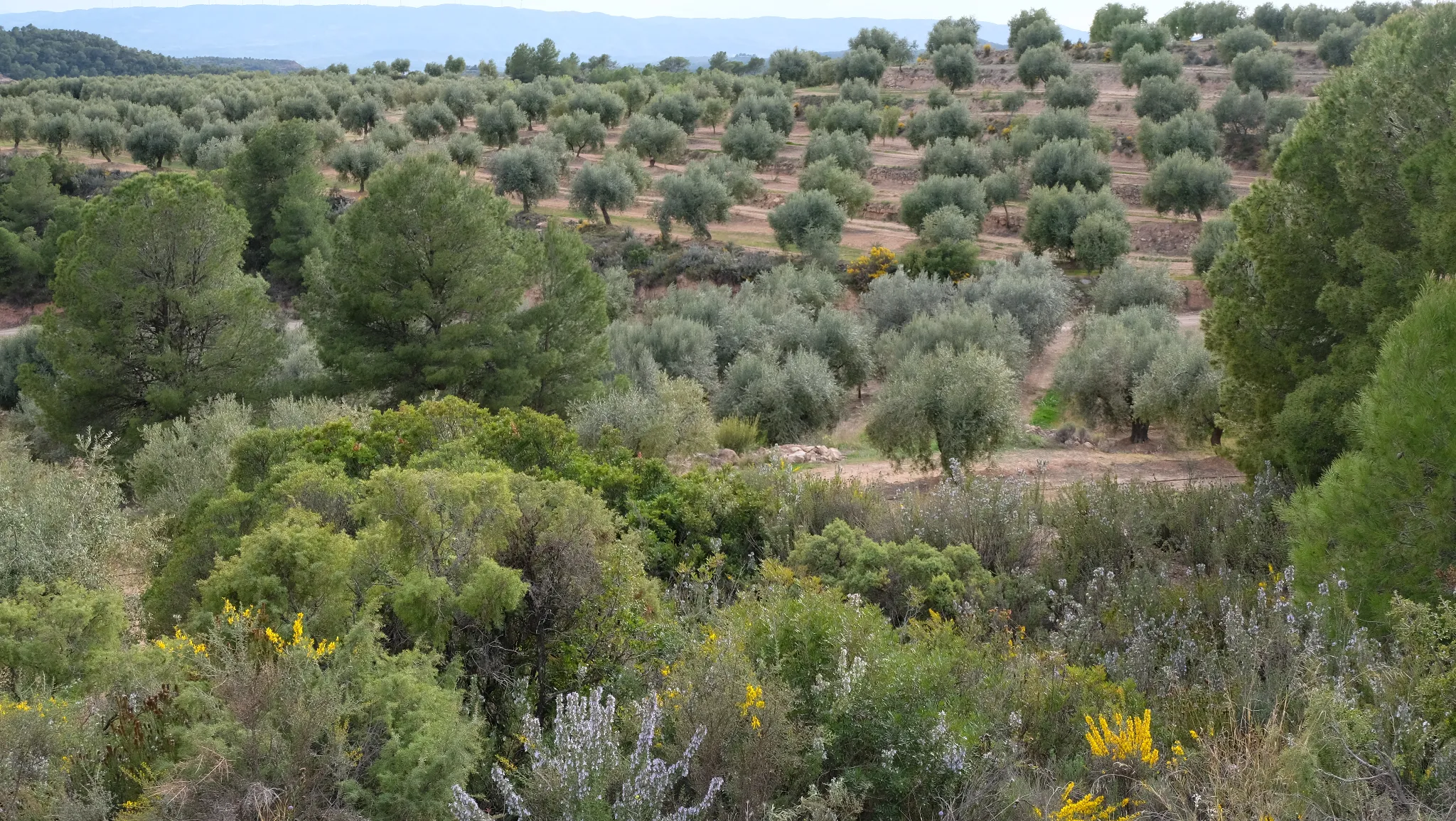
Olive grove (Olea europaea) in Catalonia
Grove of olive trees of the Arbequina variety (Olea europaea) in the Bovera area, Catalonia, Spain. The photograph demonstrates a typical Mediterranean agricultural landscape with olive trees grown under hot and dry summer conditions.
Mediterranean climate. Characterized by hot dry summers and mild wet winters. The main stress is summer drought combined with high temperature. Plants must either have deep roots or go dormant. Gardening here is built around winter–spring cultivation: sowing in autumn, harvesting before the heat arrives. In summer many crops do not grow without additional irrigation. But in winter you can grow cold-hardy vegetables that in a temperate climate are available only in summer (Science and the Garden, 2015).
Continental climate. Sharp temperature fluctuations, severe winter, short hot summer. Limiting factors are a short growing season and the risk of frost. Success depends on the right choice of varieties (early-maturing, cold-hardy) and the use of transplants. Protection from winds and snow accumulation for soil insulation are also important. In such regions, local varieties adapted to extreme conditions are especially valued (Lambers & Oliveira, 2019).
Mountain climate. Altitude creates unique conditions: intense solar radiation (including ultraviolet), low night temperatures, and a short season. Plants are often low-growing, with small leaves and a waxy coating. Limiting factors are cold and a short growing season. However, high insolation allows crops with high sugar and vitamin content to be obtained. For the gardener, it is important to use covers, choose cold-hardy varieties, and protect plants from winds (Zona, 2023).
Practical conclusion: There are no universal recommendations that work everywhere in the same way. Before applying a particular technique, determine which factor limits yield in your region. It may be water, heat, light, nutrition, or protection from pests. By directing efforts to eliminate the main limitation, you will get the greatest return.
Note: The climate is changing, and what was true 20 years ago may not work today. Observe your conditions, keep records, and experiment with new varieties and methods. Adaptability is the key to a stable harvest in a changing world (Science and the Garden, 2015).
12. Conclusion: Yield Is the Result of Many Factors, Not One “Secret”
We have examined eleven groups of factors: genetics, light, heat, water, nutrition, soil, pollination, protection from pests and diseases, competition, timing, and regional characteristics. Each of them is important, but none acts alone. Yield is not a sum but a product of these factors. If at least one of them is at zero, the overall result will be zero, no matter how ideal the others are.
The law of the minimum in action. Imagine a barrel made of staves of different heights. Water is poured only up to the level of the shortest stave. So it is with yield: it is limited by the factor that is at its minimum. You can put a lot of effort into fertilizers, but if plants suffer from drought, there will be no harvest. You can water perfectly, but if the soil is acidic and nutrients are unavailable, plants will remain hungry. You can grow powerful bushes, but if there are no pollinators, fruits will not set. Therefore, the main strategy is to find the limiting factor and eliminate it, rather than trying to compensate for one deficiency with an excess of another (Zona, 2023).
A systems approach. A garden is an ecosystem. Healthy soil feeds plants, plants attract pollinators and beneficial insects, and crop diversity reduces pest and disease pressure. Everything is connected. For example, mulch not only preserves moisture but also suppresses weeds, improves soil structure, and gradually releases nutrients. Green manures loosen the soil, fix nitrogen, and attract beneficial insects. Diverse flowering plants support populations of predatory beetles and parasitic wasps that control pests. Thus, one well-designed technique can solve several problems at once (Hemenway, 2009).
What to do in practice. Start with analysis: determine what exactly limits yield on your plot. Test the soil (pH, organic matter content, available nutrients). Assess light levels, watering regime, and the presence of pollinators. Keep records: what you planted and when, what weather conditions were, what problems arose. After several seasons you will understand which factors are key for you (Pavlis, 2020). Then act consistently: improve soil with organic matter, mulch, attract beneficial insects, choose suitable varieties, and follow timing. Do not expect instant results—soil and ecosystem are formed over years. But every resource invested in them pays off many times over.
What to avoid. Do not chase “miracle products”: stimulants, “magic” powders promising a harvest without effort. Scientific research does not confirm the effectiveness of most such products (Chalker-Scott, 2018). Do not try to “trick” nature: if a crop is not suitable for your climate, no fertilizers will make it productive. Do not go to extremes: excess fertilizers are just as harmful as deficiency, and excessive watering kills roots. A balanced approach always wins.
Yield as a result of observation and adaptation. Every plot is unique. Even within one region, soils, microclimate, and land-use history differ. Therefore, there are no universal recipes. The best gardener is the one who observes, analyzes, and adapts. He knows that this year spring was cold, so he sows later; he sees that tomatoes in the greenhouse have flowered, so he shakes the trusses; he notices spots on the leaves and removes them before the infection spreads. This approach gives a stable result despite weather whims.
Final thought. Yield is not luck and not a “secret.” It is the result of systematic work on all factors: genetics, light, heat, water, nutrition, soil, pollination, protection, competition, timing, and adaptation to the region. No factor can be ignored, but neither should you fixate on one. Find your limiting factor, eliminate it, and the harvest will thank you. A healthy garden is a living, balanced system in which humans act not as masters but as intelligent helpers of nature.
Note: Remember that an “ideal” harvest is not always the maximum by weight. Quality, taste, nutritional value, and system resilience are more important than records. A garden that feeds you and your family without depleting resources and without chemicals—that is true success (Hemenway, 2009).
References
- (2015). ‘Climate and weather’, in Ingram, D.S., Vince-Prue, Daphne, Gregory, P.J. (ed.) Science and the Garden. The scientific basis of horticultural practice. West Sussex, UK: Royal Horticulture Society. Wiley Blackwell, pp. 191-205.
- (2015). ‘Plants and seasons’, in Ingram, D.S., Vince-Prue, Daphne, Gregory, P.J. (ed.) Science and the Garden. The scientific basis of horticultural practice. West Sussex, UK: Royal Horticulture Society. Wiley Blackwell, pp. 120-138.
- (2015). ‘The plant environment: Light and water’, in Ingram, D.S., Vince-Prue, Daphne, Gregory, P.J. (ed.) Science and the Garden. The scientific basis of horticultural practice. West Sussex, UK: Royal Horticulture Society. Wiley Blackwell, pp. 102-119.
- Agrios, G.N. (2005). ‘Introduction’, in Plant Pathology. London, UK: ACADEMIC PRESS, pp. 4-76.
- Capon, Brian (2022). ‘Reproduction and Inheritance’, in Botany for Gardeners. An Introduction to the Science of Plants. Portland, Oregon: Timber Press, pp. 193-240.
- Chalker-Scott, Linda (2018). ‘Diagnosing Diseases and Disasters’, in The Science of Gardening. Course Guidebook. Chantilly, Virginia: The Great Courses, pp. 145-152.
- Chalker-Scott, Linda (2018). ‘Plant Nutrition: Evidence-Based Fertilizing’, in The Science of Gardening. Course Guidebook. Chantilly, Virginia: The Great Courses, pp. 107-116.
- Eash, N.S., Sauer, T.J., O'Dell, D., Odoi, Evah (2016). ‘Soil Biological Properties’, in Soil Science Simplified. New Jersey: Wiley Blackwell, ch. 4.
- Eash, N.S., Sauer, T.J., O'Dell, D., Odoi, Evah (2016). ‘Soil Water’, in Soil Science Simplified. New Jersey: Wiley Blackwell, ch. 6.
- Hemenway, Toby (2009). ‘A Gardener’s Ecology’, in Gaia's Garden. A Guide To Home-Scale Permaculture. : Chelsea Green Publishing, .
- Heuvelink, Ep, Okello, R.C..O. (2018). ‘Developmental Processes’, in Heuvelink, Ep (ed.) Tomatoes. Boston, MA: CABI, pp. 59-88.
- Hopkins, W.G., Hüner, N.P..A. (2009). ‘Responses of Plants to Environmental Stress’, in Introduction to Plant Physiology. Hoboken, NJ: John Wiley & Sons, pp. 223-240.
- Johnson, Noelle (2023). ‘Choosing the Right Plants for Hot, Arid Regions’, in Dry Climate Gardening. Beverly, MA: Cool Springs Press, .
- Khan, S.Mahmood, Ali, Sajid, Nawaz, Aamir, Bukhari, S.AsadH., Ejaz, Shaghef, Ahmad, Shakeel (2019). ‘Integrated Pest and Disease Management for Better Agronomic Crop Production’, in Agronomic Crops. Singapore: Springer Singapore, 385-428. doi: 10.1007/978-981-32-9783-8_19
- Lambers, Hans, Oliveira, R.S. (2019). ‘Growth and Allocation’, in Plant Physiological Ecology. Cham: Springer International Publishing, 385-449. doi: 10.1007/978-3-030-29639-1_10
- Lemaire, Gilles, Gastal, F. (2019). ‘Crop Responses to Nitrogen’, in Crop Science. New York, NY: Springer New York, 159-184. doi: 10.1007/978-1-4939-8621-7_385
- Morgan, Sally (2021). ‘A–Z of pests and diseases’, in The Healthy Vegetable Garden: A natural, chemical-free approach to soil, biodiversity and managing pests and diseases. Vermont, London, UK: Chelsea Green Publishing, .
- Morgan, Sally (2021). ‘Boosting defences’, in The Healthy Vegetable Garden: A natural, chemical-free approach to soil, biodiversity and managing pests and diseases. Vermont, London, UK: Chelsea Green Publishing, .
- Morgan, Sally (2021). ‘Plants’, in The Healthy Vegetable Garden: A natural, chemical-free approach to soil, biodiversity and managing pests and diseases. Vermont, London, UK: Chelsea Green Publishing, .
- Pavlis, Robert (2020). ‘Solving Soil Problems’, in Soil Science for Gardeners. Working with Nature to Build Soil Health. Gabriola Island, BC, Canada: New Society Publishers, pp. 97-178.
- Rubatzky, V.E., Yamaguchi, Mas (1997). ‘Environmental Factors Influencing the Growth of Vegetables’, in World Vegetables. Boston, MA: Springer US, pp. 59-80. doi: 10.1007/978-1-4615-6015-9_6
- Taiz, Lincoln, Møller, I.Max, Murphy, Angus, Zeiger, Eduardo (2023). ‘Mineral Nutrition’, in Plant Physiology and Development. New York, NY: Oxford University Press, pp. 189-216.
- Taiz, Lincoln, Møller, I.Max, Murphy, Angus, Zeiger, Eduardo (2023). ‘Water and Plant Cells’, in Plant Physiology and Development. New York, NY: Oxford University Press, pp. 153-168.
- Walliser, Jessica (2020). ‘The Power of Plant Partnerships’, in Plant Partners. North Adams, MA: Storey Publishing, pp. 5-26.
- Zona, Scott (2026). ‘What a Plant Needs: Light’, in A Gardener's Guide to Botany. Beverly, MA: Cool Springs Press, .
- Zona, Scott (2026). ‘What a Plant Needs: Nutrients’, in A Gardener's Guide to Botany. Beverly, MA: Cool Springs Press, .
