
What a Plant Needs
Every plant is a complex living system, and successful growth requires a whole complex of conditions. Gardeners often look for a “magic” fertilizer or a secret technique, but the truth lies in balance. Crop yield and plant health are determined not by an abundance of one factor but by the weakest link in the chain of needs. This principle, known as the “law of the minimum” (or “Liebig’s barrel”), states that growth and productivity are limited by the resource that is in shortest supply (Pavlis, 2020; Zona, 2023). If a plant lacks light, no amount of fertilizer will help. If it is too cold, an excess of water can be destructive. In this article, we will examine the main needs of plants so that you can create optimal conditions for them, regardless of your region.
1. Light: Quantity, Quality, Duration
Light is energy, the driving force of photosynthesis, the process by which plants create organic substances from water and carbon dioxide (Capon, 2022). Without light, plant life is impossible. However, not all light is equally useful, and its excess is just as dangerous as its deficiency.
Quantity (intensity)
Light intensity directly affects the rate of photosynthesis. The more light, the more active the growth—but only up to a certain limit. At very high light levels, photoinhibition can occur—a state in which excess energy damages the photosynthetic apparatus and productivity declines (Hopkins & Hüner, 2009). In shade, plants are forced to “stretch” toward the light, which leads to etiolation: stems become long and weak, and leaves become small and pale (Chalker-Scott, 2015). For most vegetable crops and fruit trees, full sun is optimal—at least 6–8 hours of direct light per day (Martin, 2019). Shade-tolerant plants, such as spinach or some ornamental crops, can tolerate partial shade, but it is important to choose a suitable location for them rather than trying to “force” them into full sun (Zona, 2023).
Quality (spectral composition)

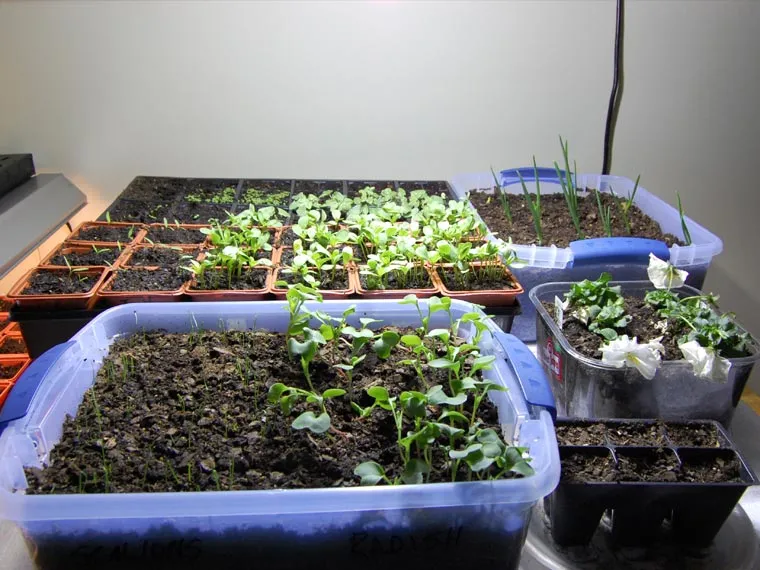
Growing plants under artificial lighting
Young plants indoors under the light of metal halide and fluorescent lamps. The photograph illustrates the use of artificial lighting when growing plants at early stages of development.
Sunlight is a spectrum from ultraviolet to infrared radiation. Plants use mainly red and blue light for photosynthesis, reflecting green—which is why we see them as green (Capon, 2022). However, light quality affects not only photosynthesis but also development. For example, the ratio of red to far-red light serves as a signal of shading: if there is a lot of far-red light, it means competitors are nearby and the plant needs to accelerate stem growth (Zona, 2023). Blue light stimulates stomatal opening and compact growth. That is why seedlings grown under ordinary incandescent lamps (lots of red and infrared light) become leggy, while those grown under special grow lights with the correct spectrum grow strong (Science and the Garden, 2015).
Duration (photoperiod)
The length of the daylight period is a “calendar” for the plant. Photoperiodism—the response of plants to day length and night length—controls important processes such as flowering, tuber and bulb formation, and preparation for winter (Capon, 2022; Tretyakov, 2000). On this basis, plants are divided into three groups:
- Short-day plants (for example, chrysanthemum, soybean, many onion varieties) flower when the daylight period becomes shorter than a certain critical value. They originate from the tropics and subtropics.
- Long-day plants (wheat, spinach, radish) flower when the day lengthens. These are inhabitants of temperate latitudes.
- Neutral plants (tomato, cucumber, many bean varieties) flower regardless of day length.
Understanding photoperiodism helps gardeners: for example, onions planted for greens can bolt (flower) under long days, and radishes sown in midsummer will produce a flower stalk instead of a root. By managing light (for example, using shading in greenhouses), it is possible to regulate flowering times (Science and the Garden, 2015).
Summary: Light
- Quantity: Provide the plant with as much light as its species requires. Seedlings and light-loving crops need maximum light.
- Quality: For seedlings and greenhouses, use lamps with a full spectrum (red + blue).
- Duration: Take into account the photoperiodic response of crops when choosing sowing dates and locations. Do not allow light-loving plants to suffer from shading by taller neighbors.
Light is the first and main resource, but even with ideal lighting a plant will not grow if it lacks warmth. This is discussed in the next chapter.
2. Heat: Optimal Temperatures, Cold, Heat
Temperature is the factor that determines the rate of all biochemical reactions in a plant. Every enzyme and every cellular structure works within a certain temperature range. For each species there are cardinal temperatures: the minimum at which growth is still possible, the optimum where it proceeds most rapidly, and the maximum beyond which life stops (Rubatzky & Yamaguchi, 1997). These thresholds differ not only among species but also among different organs and developmental phases of the same plant. For example, the roots of many crops grow at lower temperatures than the shoots, and flowering and pollination often require higher temperatures than vegetative growth (Tretyakov, 2000).
Heat-loving and cold-resistant crops
In relation to heat, vegetable and fruit crops are divided into several groups (Kotov & Adritskaya, 2016):
- Cold-resistant (cabbage, carrot, radish, lettuce, spinach, onion): seeds germinate at 2–5 °C, growth optimum is 15–20 °C. They tolerate short-term frosts down to –2…–7 °C but are suppressed by heat above 25 °C.
- Heat-loving (cucumber, tomato, pepper, eggplant, zucchini): seeds germinate at 15–16 °C, optimum is 24 ± 4 °C. Below 15 °C and above 30 °C, assimilation stops, and at 0 °C plants die.
- Heat-tolerant (watermelon, melon, pumpkin, corn, bean): they grow normally at the same temperatures as heat-loving crops but are capable of assimilation at 40 °C thanks to the resistance of their proteins to coagulation (Kotov & Adritskaya, 2016).
These differences are important to consider when choosing crops and sowing dates. If you plant heat-loving cucumber in cold soil, you will not get seedlings even if the air is warm. Conversely, cold-resistant spinach sown in hot weather will quickly bolt and will not produce marketable leaves.
Cold: From Hardening to Stratification

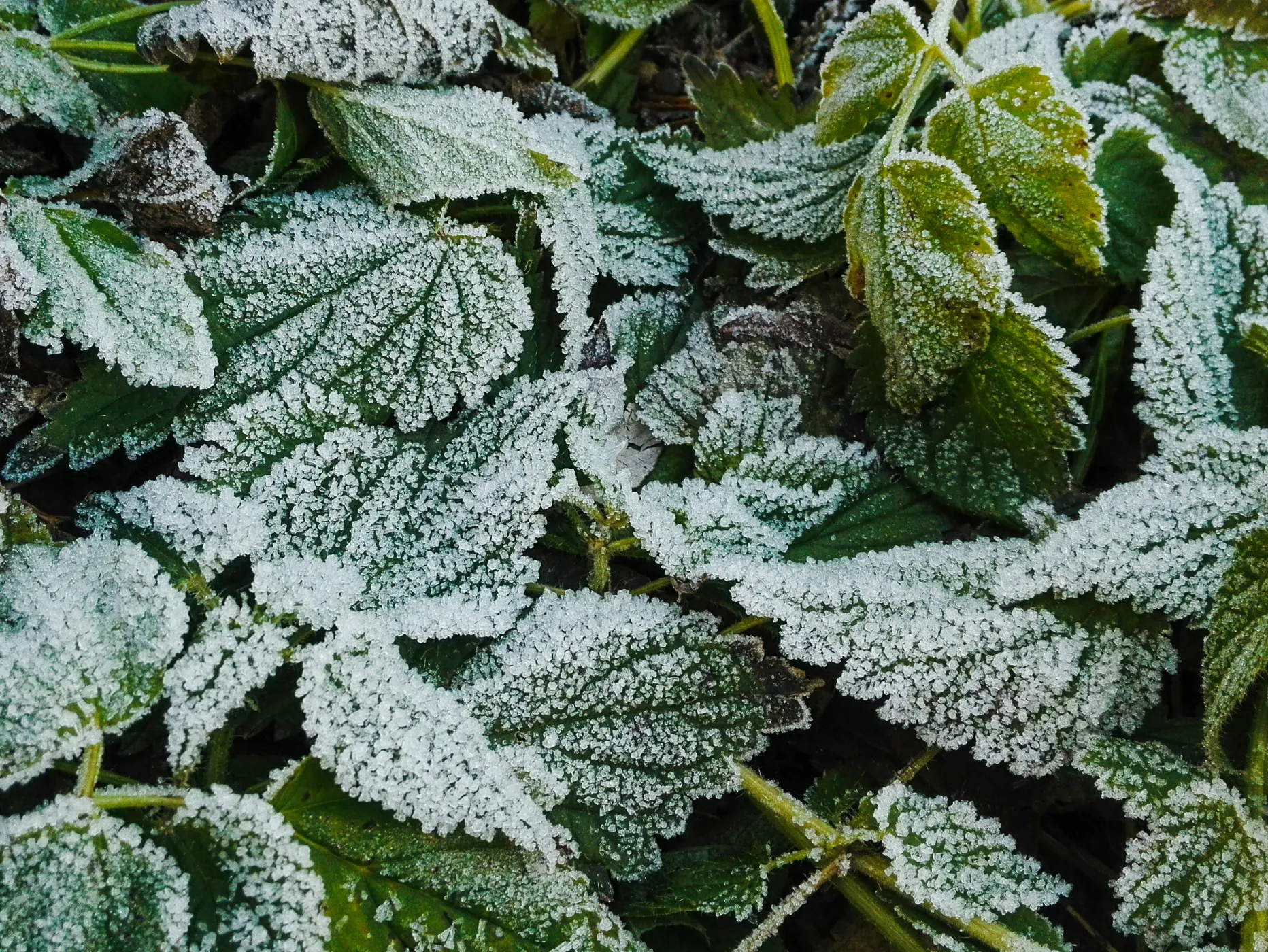
First frost on leaves
A thin layer of the first frost on the leaf surface. The photograph shows the effect of subzero temperatures on vegetation and is suitable for illustrating the section on cold stress and frost resistance.
Cold can be both an enemy and a necessary condition. Many plants of temperate climates cannot complete their life cycle without a period of low temperatures.
- Cold damage. Heat-loving plants suffer from cold shock at temperatures below 10–15 °C: respiration and photosynthesis are disrupted, and membranes are damaged (Hopkins & Hüner, 2009). During frosts, ice crystals form in cells and destroy tissues. However, plants are capable of hardening—a gradual decrease in temperature and short days trigger biochemical changes: antifreeze sugars accumulate, membrane composition changes, and water moves into intercellular spaces (Science and the Garden, 2015).
- Vernalization. To transition to flowering, many biennial and winter crops (cabbage, carrot, beet, winter wheat) require a period of cold. This process is called vernalization. Without it, plants remain in a vegetative state and do not form flower stalks. This is why carrot sown before winter or having survived a cold spring can “go to flower” instead of forming a root crop (Tretyakov, 2000).
- Seed stratification. Seeds of many trees and shrubs (apple, pear, cherry, maple) will not germinate without stratification—being kept in a moist substrate at low positive temperatures (0–5 °C) for several weeks or months. This imitates natural overwintering and triggers physiological mechanisms that break dormancy (Hopkins & Hüner, 2009).
- Chilling requirement of fruit crops. Most deciduous fruit trees require a certain number of chill hours—time spent at 0–7 °C—for normal flowering in spring. Apple requires 1000–1600 hours, peach 400–800, and some fig varieties only 100–300 (Martin, 2019; Westwood, 1993). If winter was too warm, the tree may flower poorly or not flower at all. When choosing varieties, it is important to consider how many chill hours your region receives.
Heat: Overheating and Methods of Protection
High temperatures are no less dangerous than cold. When heated above optimal values, proteins begin to denature, membranes lose fluidity, and enzymes are inactivated (Hopkins & Hüner, 2009). A plant can die within several hours if leaf temperature exceeds 45–50 °C.
However, plants have protective mechanisms. The main one is transpiration: evaporation of water from the leaf surface cools tissues by 15–25% (Kotov & Adritskaya, 2016). This is why in hot weather it is critically important that the roots provide a sufficient inflow of water. If water is insufficient, stomata close, evaporation stops, and the leaf overheats—heat stress occurs. Additional adaptations include leaf pubescence (reflecting light), vertical orientation of leaf blades (reducing heating at midday), and a waxy coating on the epidermis (Science and the Garden, 2015).
Thermoperiodism: Day and Night
For optimal growth, many plants need not just a certain temperature but its daily fluctuations. This phenomenon is called thermoperiodism. For example, tomatoes grow and fruit better if the daytime temperature is 26 °C and at night it drops to 17–19 °C. If it is as hot at night as during the day, plants consume too many carbohydrates on respiration and develop poorly (Tretyakov, 2000). In greenhouses this is taken into account by lowering the temperature at night.
Practical Conclusion: Heat
- Know the cardinal temperatures of your crops and choose sowing dates so that critical phases (germination, flowering) fall within a favorable range.
- For heat-loving crops, use seedlings, covers, and warm beds—this extends the season and protects against cold.
- For fruit trees, choose varieties with a suitable chilling requirement.
- In hot weather, provide regular watering and mulching so that roots can maintain transpiration and cool the leaves.
- Take thermoperiodism into account: in greenhouses and on windowsills, try to ensure a nighttime temperature drop.


LCD 4-in-1 Soil Tester
Check essential growing conditions with one compact tool. Measure soil pH, moisture, temperature and light intensity — ideal for gardens, potted plants and greenhouses.
- 4-in-1 measurement
- Easy-to-read LCD display
- Portable design
Affiliate link · For indicative measurements only.
3. Water: How Much and How
Water is the medium in which all biochemical reactions in a plant take place. It makes up 80–90% of the fresh mass of herbaceous plants and performs many functions: it serves as a solvent for nutrients, participates in photosynthesis, provides turgor (internal pressure that maintains cell shape), and cools leaves through transpiration (Taiz et al., 2023). Without water, plant life is impossible, but its excess is just as dangerous as its deficiency.
How much water does a plant need?
Plants consume enormous volumes of water. One mature tree can transpire hundreds of liters per day, and an average tomato bush can use about 30 gallons (115 liters) per season (Capon, 2022). However, not all of this water is “drunk”: 97–98% of the water absorbed by roots evaporates through leaf stomata during transpiration, and only 1–2% is used in metabolism and growth (Taiz et al., 2023).
Water demand depends on:

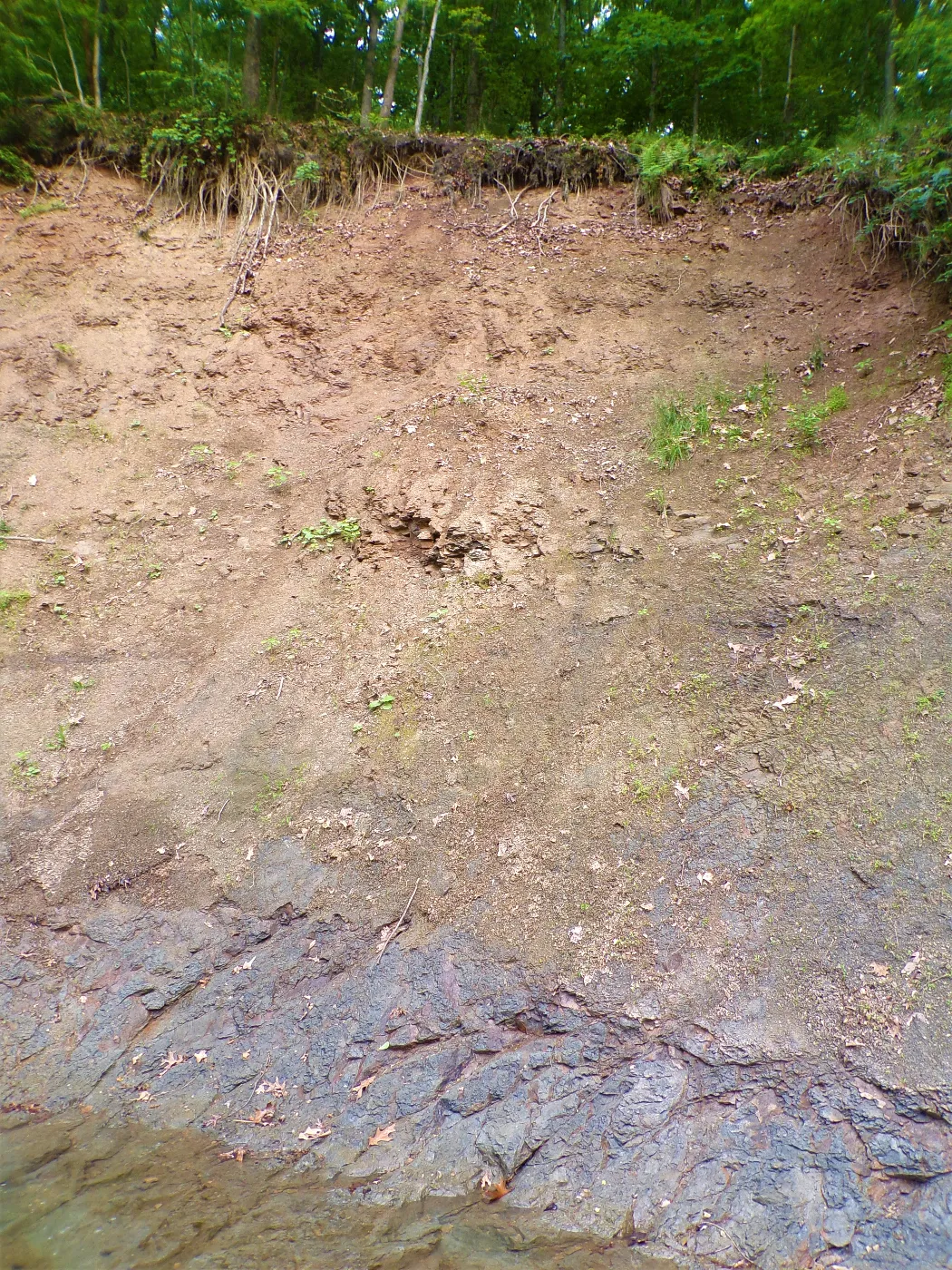
Soil profile of a slope with silt, loam, and clay.
Soil profile of an exposed hillslope demonstrating layers of silt, loam, and clay next to a creek. The photograph clearly shows the structure of the bank and the dense root system of plants in the upper soil layer.
- Plant species. Moisture-loving crops (cucumber, cabbage, lettuce) require more water than drought-resistant ones (pumpkin, watermelon, sorghum).
- Developmental phase. The greatest demand is during seed germination, flowering, and fruit formation. During ripening, excess moisture can be harmful: in root crops it causes cracking, and in onions it delays bulb maturation (Kotov & Adritskaya, 2016).
- Soil type. Sandy soils hold little water and require frequent watering; clay soils hold more but release it to roots more slowly (Pavlis, 2020).
- Climate. In hot and dry climates, transpiration is more intense, and plants use more water.
How water enters the plant: osmosis and root pressure
Water moves into the plant passively, along a water potential gradient—from an area with higher potential (moist soil) to an area with lower potential (root cells). This process is called osmosis: water passes through semipermeable cell membranes, striving to equalize the concentration of dissolved substances (Capon, 2022).
Two “pumps” operate in the root:
1. The epidermis and root hairs absorb water from the soil.
2. The endodermis—the inner layer of the cortex—directs water into the xylem vessels.
The joint work of these pumps creates root pressure—a small force that lifts water up the stem. Its effect can be observed if a stem is cut: sap will begin to exude from the cut (Taiz et al., 2023). However, root pressure can lift water only a few meters. To raise water to the crown of a tall tree, another force is needed—transpiration pull.
Transpiration: How Leaves “Pull” Water
When stomata are open for CO2 uptake, water evaporates from the leaf. Each lost water molecule “pulls” the next one, and thanks to the force of cohesion, water rises through the xylem in a continuous column from roots to leaves. This theory is called the cohesion-tension theory (Zona, 2023). It is transpiration that is the main driver of water flow in the plant.
Practical rule: water rarely but deeply
The most common gardener’s mistake is frequent shallow watering. It is harmful for two reasons:
1. Roots develop only where there is water. With shallow watering, the root system remains in the upper soil layer, which dries out quickly. The plant becomes vulnerable to drought.
2. Deep watering stimulates roots to grow downward. This makes the plant more resilient and allows it to use moisture reserves from lower horizons (Science and the Garden, 2015).

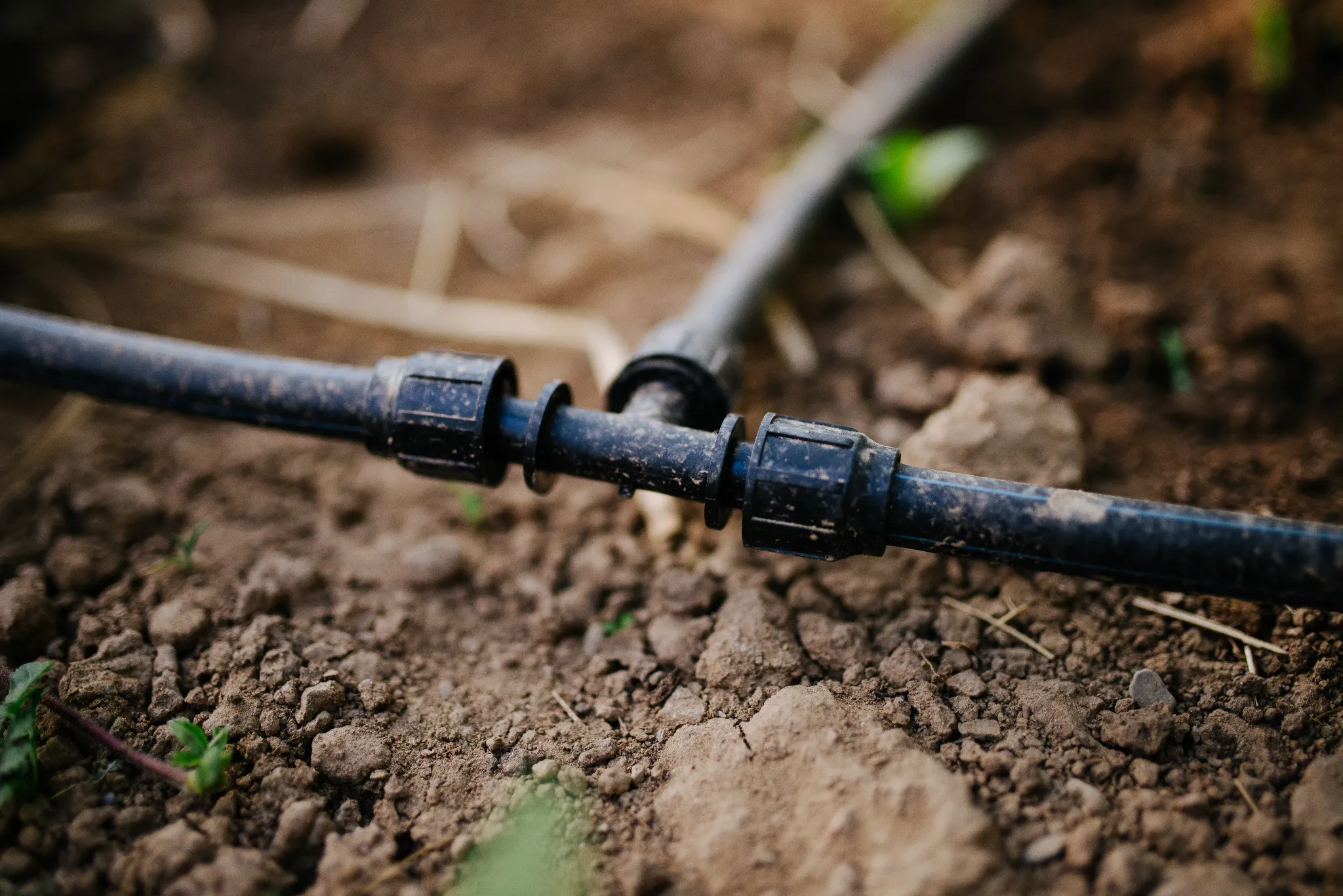
Drip irrigation connectors on the soil
Close-up of a drip irrigation system showing the connection of tubes using plastic fittings. Installed on dry, fertile soil in a garden for efficient water management in summer.
How to water correctly:
- Water deeply but less often, so that the soil is moistened to the depth of the main root mass (for most vegetables, 20–30 cm).
- Check soil moisture with your finger or a moisture meter: if it is dry at a depth of 5–10 cm, it is time to water.
- Water at the base of the plant, avoiding water on the leaves (this reduces the risk of fungal diseases).
- Mulch the soil: mulch reduces evaporation from the surface and stabilizes moisture (Pavlis, 2020).
- On hot days, water early in the morning or in the evening to reduce evaporation losses.
Excess water: no less dangerous
Waterlogging leads to swamping: water displaces air from soil pores, and roots are deprived of oxygen. Under anaerobic conditions, roots cannot breathe, root rot develops, and the plant dies. Externally this may look like wilting—paradoxically, a plant “standing in water” can suffer from dehydration because dead roots cannot absorb moisture (Chalker-Scott, 2015).
How to avoid waterlogging:
- Ensure drainage: on heavy clay soils, create raised beds or add organic matter to improve structure.
- Do not water “by schedule”; focus on soil condition and plant needs.
- In regions with abundant rainfall, choose crops tolerant of waterlogging or create drainage ditches.
Summary: Water
- Water is the main solvent and transport medium; without it, photosynthesis and growth are impossible.
- Water rarely but deeply, stimulating deep rooting.
- Mulch the soil to conserve moisture.
- Watch drainage: stagnant water is destructive to roots.
4. Air: Roots Need Oxygen, Leaves Need Carbon Dioxide
Plants are the only organisms that use both main atmospheric gases: carbon dioxide (CO2) for photosynthesis and oxygen (O2) for respiration. At the same time, they have an important feature: leaves and roots “breathe” differently and need different gases.
Leaves: Carbon Dioxide for Photosynthesis
Photosynthesis is the process in which a plant uses light energy to convert CO2 and water into sugars. Carbon dioxide enters the leaf through stomata—microscopic pores on the leaf surface. The concentration of CO2 in the atmosphere is about 0.04% (400 ppm), which is relatively low. To obtain enough carbon, a plant is forced to keep its stomata open, but in doing so it loses water through transpiration. This is a fundamental trade-off: every molecule of CO2 that enters the leaf “costs” the plant several hundred molecules of lost water (Taiz et al., 2023).
This is why in hot and dry weather plants close their stomata to conserve water, but photosynthesis slows down. C4 and CAM plants (corn, sorghum, cacti, succulents) solved this problem evolutionarily by learning to concentrate CO2 in specialized cells or to open stomata at night, when water losses are minimal (Zona, 2023).
Roots: Oxygen for Respiration
Roots, unlike leaves, do not photosynthesize. They consume oxygen for aerobic respiration—the process that releases energy from sugars delivered from the leaves. Without oxygen, roots cannot breathe, their cells die, and the plant dies.
Oxygen enters the roots from soil air. In well-structured soil, pores between particles are filled with air, and oxygen diffuses freely to the roots. However, when soil is waterlogged or compacted, pores fill with water, and oxygen cannot penetrate deeply. Within just a few hours under anaerobic conditions, roots begin to suffer, and after 24 hours at temperatures above 20 °C they may die (Science and the Garden, 2015).
Oxygen requirements of different crops:
- Most sensitive to oxygen deficiency: tomato, pea, corn, cucumber.
- More tolerant: rice (it has a special air-conducting tissue—aerenchyma), buckwheat, and some marsh plants (Tretyakov, 2000).
- Minimum O2 content in soil air for the vital activity of roots of most crops is 3–5% (with an atmospheric norm of 21%).
How to provide roots with air:
- Do not compact the soil. Walking on beds, especially on wet soil, destroys structure and compresses pores. Use permanent paths or boards to distribute weight.
- Improve soil structure with organic matter. Compost, humus, and mulch create aggregates—crumbs between which air pores remain.
- Ensure drainage. Stagnant water is the main enemy of root respiration. On heavy soils, create raised beds.
- Loosen the soil carefully. Surface loosening (no deeper than 5 cm) improves gas exchange, but deep loosening can damage roots.
- Do not overwater. After heavy rain or watering, let the soil “breathe” before moistening it again.
Carbon Dioxide in Soil
Roots and soil microorganisms release CO2 during respiration. In well-aerated soil, it diffuses freely into the atmosphere. But when soil is compacted or waterlogged, CO2 accumulates in the soil, displacing oxygen, and this worsens root stress. High CO2 concentrations can be toxic (Pavlis, 2020).
The Relationship Between Water and Air
Water and air in soil are antagonists: the more water, the less air. The ideal soil for most crops is one in which, after watering, water occupies about 50% of the pores and air occupies the remaining 50%. This is achieved in well-structured soils rich in organic matter (Pavlis, 2020). This is why it is so important to maintain balance: water sufficiently but not excessively, and take care of soil structure.
Summary: Air
- Leaves need CO2 for photosynthesis, which enters through stomata.
- Roots need O2 for respiration, which comes from soil air.
- Soil compaction and waterlogging deprive roots of oxygen.
- Improve soil structure with organic matter and avoid stagnant water.
- Remember: watering and aeration are two sides of the same coin. Do not sacrifice one for the other.

Solar Automatic Drip Irrigation Kit for Gardens
Automate watering for pots, gardens and small greenhouses. This solar-powered system features a timer to help schedule water delivery to your plants.
- Solar-powered
- 15 m irrigation hose
- Programmable watering
Affiliate link · Check included accessories.
5. Nutrition: Macronutrients and Micronutrients
Plants are autotrophs: they synthesize organic substances themselves from inorganic ones. For this they need not only light, water, and air but also mineral elements that they absorb from the soil. In total, most plants need about 17–19 elements for normal growth and development. They are divided into two groups: macronutrients (needed in large amounts) and micronutrients (required in trace amounts but indispensable) (Taiz et al., 2023).
Macronutrients

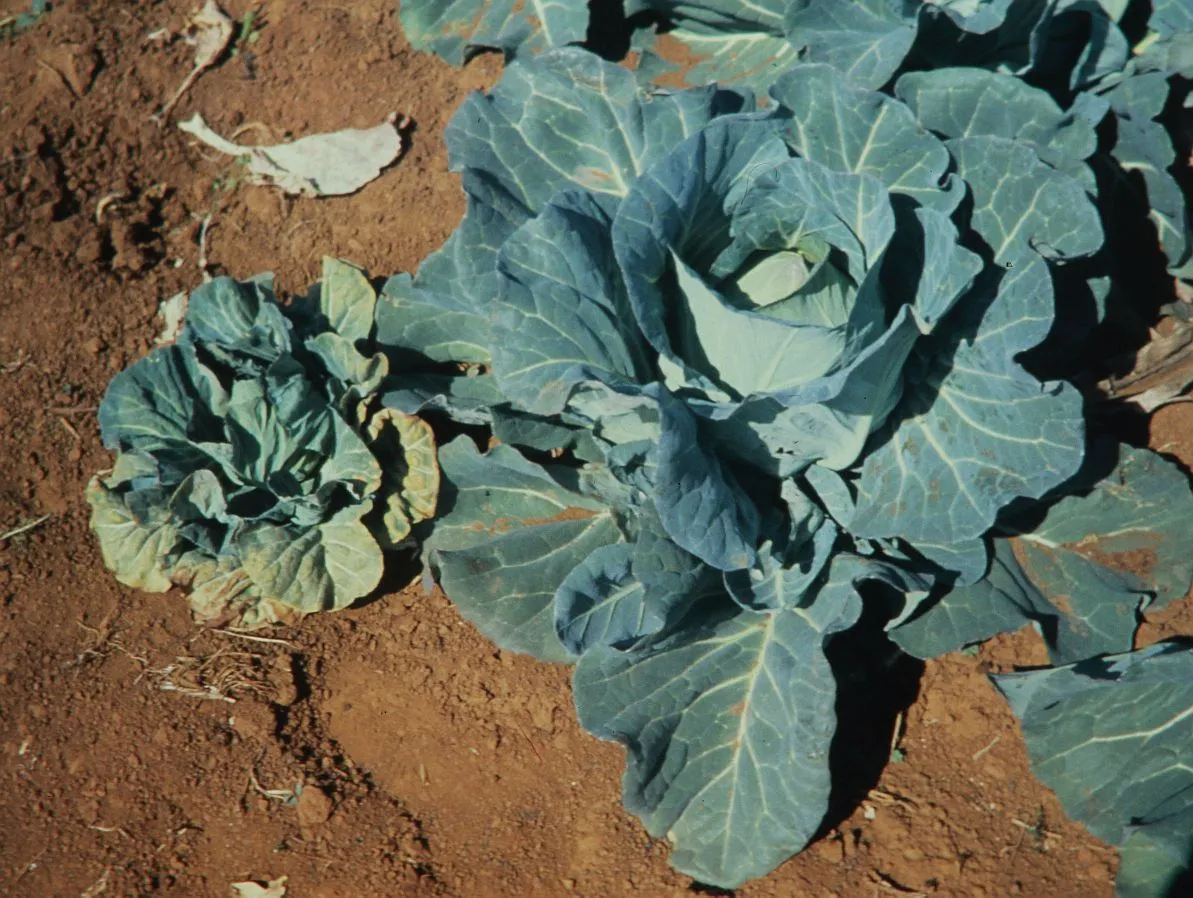
Potassium deficiency in cabbage (Brassica oleracea)
Comparison of cabbage with potassium deficiency and plants that received KCl fertilizer. On the left side of the photo, characteristic symptoms of potassium deficiency are visible: chlorosis of old leaves and necrosis along the edges of leaf blades. The photograph was taken from a field experiment in Cedara, KwaZulu-Natal province, South Africa.
Macronutrients include carbon, hydrogen, and oxygen (obtained from air and water), as well as nitrogen (N), phosphorus (P), potassium (K), calcium (Ca), magnesium (Mg), and sulfur (S). Nitrogen, phosphorus, and potassium are the “big three” fertilizers, but this does not mean they are always deficient. Nitrogen is responsible for the growth of green mass and is part of proteins and chlorophyll. Phosphorus is necessary for energy processes (ATP) and root development. Potassium regulates water balance and disease resistance (Pavlis, 2020).
Micronutrients
Iron, manganese, zinc, copper, boron, molybdenum, chlorine, and nickel are needed in microdoses, but without them a plant cannot complete its life cycle. For example, iron participates in chlorophyll synthesis, and boron in cell wall formation and pollination (Tretyakov, 2000).
The Principle of the Minimum
Growth and yield are determined not by the total amount of nutrients but by the element that is in shortest supply. This principle, known as the “law of the minimum” or “Liebig’s barrel,” means that if there is enough nitrogen and phosphorus in the soil but little potassium, the plant will suffer specifically from potassium deficiency (Pavlis, 2020). That is why it is so important to conduct soil analysis rather than apply fertilizers “by eye.”
Deficiency and Excess
Symptoms of deficiency are often specific: yellowing of old leaves indicates nitrogen deficiency, a purple tint indicates phosphorus deficiency, and marginal leaf burn indicates potassium deficiency. However, the same symptoms can be caused by diseases, pests, or improper watering. Excess fertilizer is no less dangerous: it causes root burn, nitrate accumulation in produce, and environmental pollution (Chalker-Scott, 2015).
Plant Helpers

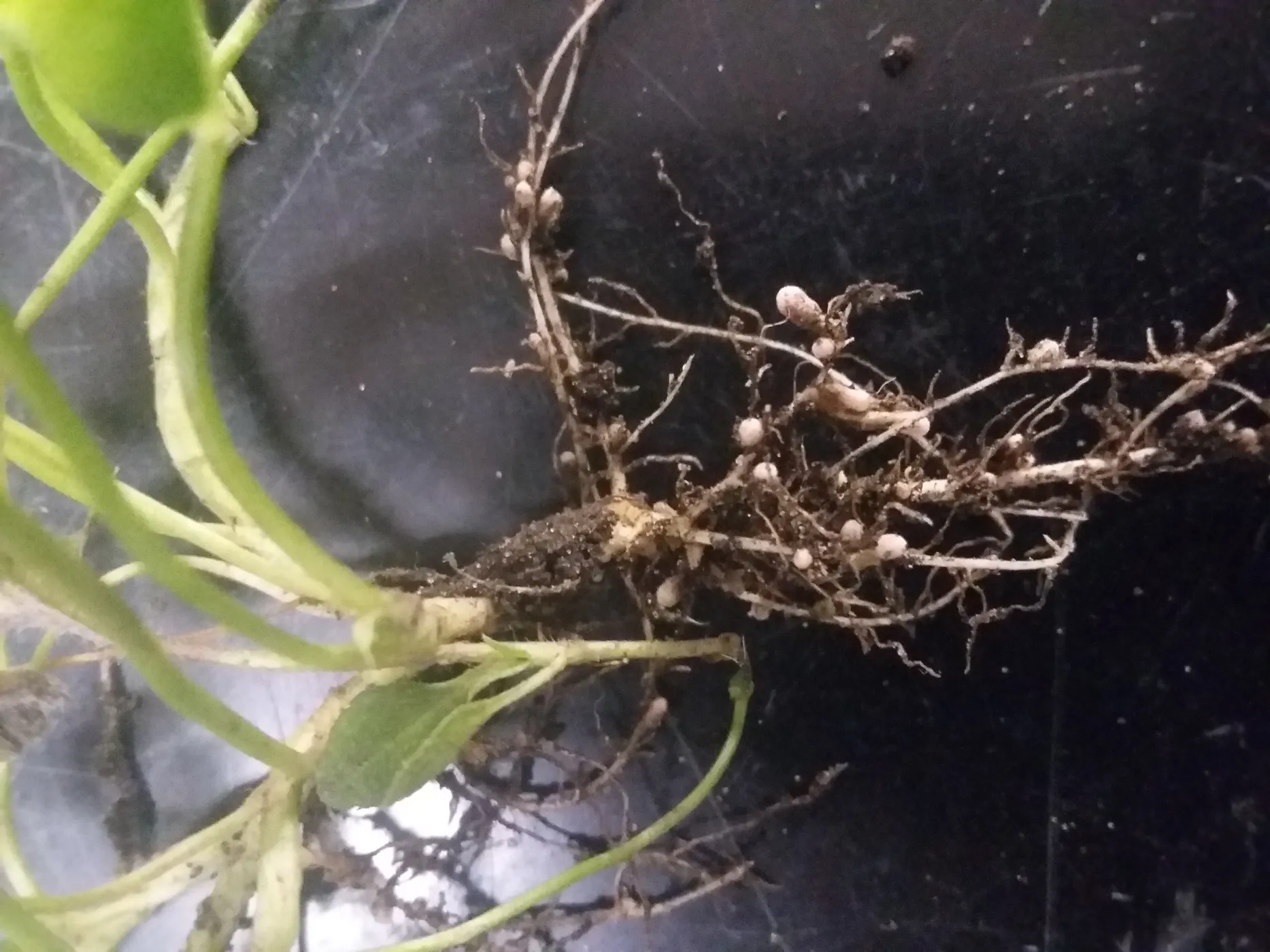
Root nodules on clover roots
The photograph shows root nodules of clover. These formations contain bacteria of the genus Rhizobium and are responsible for fixing atmospheric nitrogen, converting it into a form available to plants.
Many plants enter into symbiosis with soil organisms. Mycorrhizal fungi envelop roots and help obtain phosphorus and water in exchange for sugars. Nitrogen-fixing bacteria (for example, rhizobia on legume roots) convert atmospheric nitrogen into an available form. These partners reduce the need for fertilizers and make plants more resilient (Lowenfels & Lewis, 2010).
Practical Conclusion:
- Do not fertilize without knowing what is lacking. Use soil tests.
- Organic fertilizers (compost, manure) not only nourish but also improve soil structure.
- Support life in the soil: mycorrhizae and bacteria are a gardener’s best friends.
6. Space: Soil Volume, Competition
Even with ideal light, heat, water, and nutrition, a plant will not grow if it lacks space. Space is not only physical room but also the resources available within it. Competition for light, water, and nutrients is the main limitation in dense plantings.
Soil Volume for Roots
The root system needs a volume sufficient for growth and resource uptake. In trees, roots can go 2–3 meters deep and spread sideways to a distance exceeding the crown diameter. In vegetable crops, roots occupy the upper 20–40 cm of soil, but they still need space so as not to compete with each other. In containers, the volume of substrate directly limits plant size: the smaller the pot, the more often you need to water and feed (Zona, 2023).

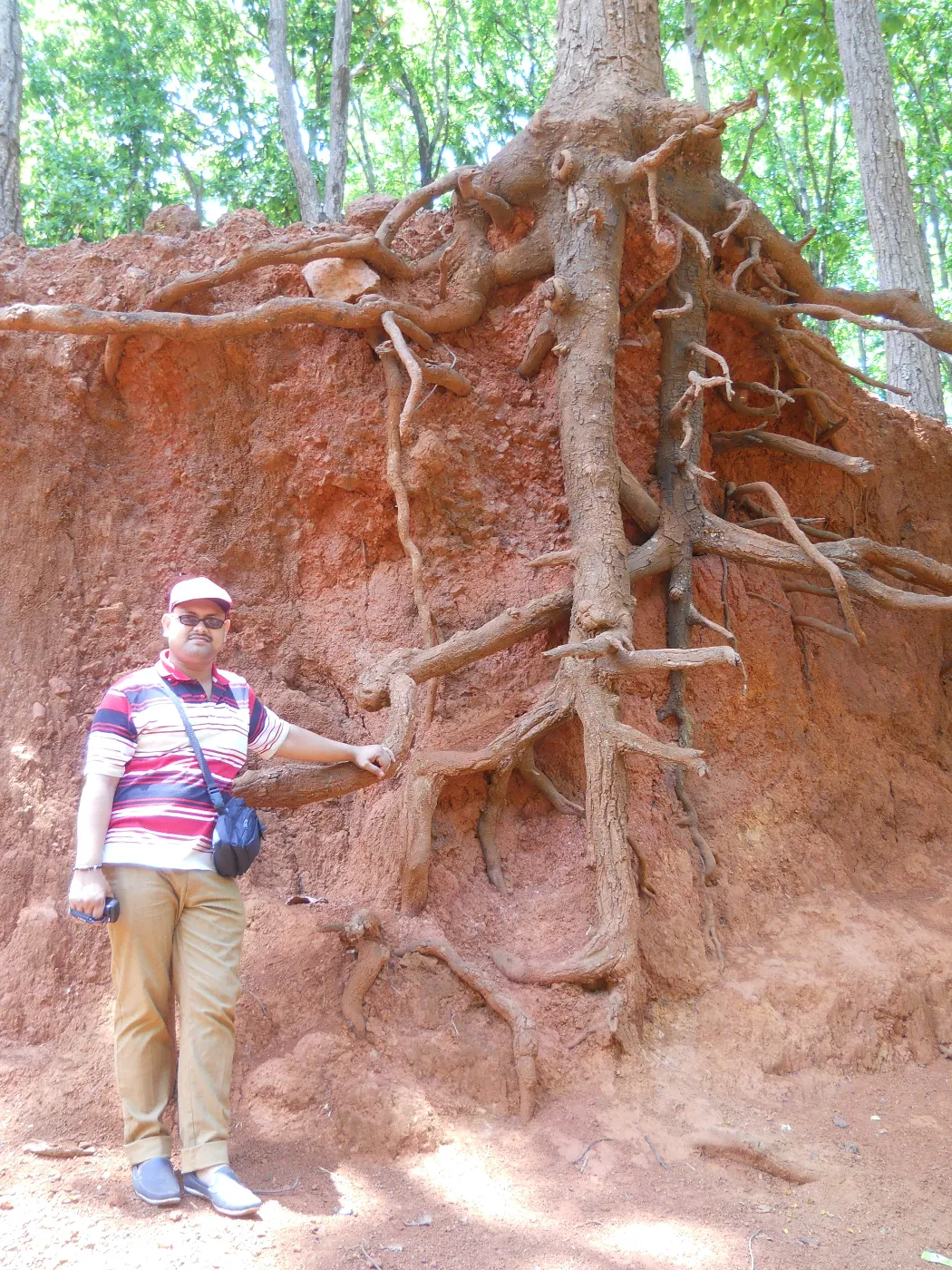
Tree root system below the soil surface
The photograph shows the underground part of a tree with a branched root system. It illustrates the scale of root distribution and the need for a sufficient volume of soil for normal growth and resource uptake.

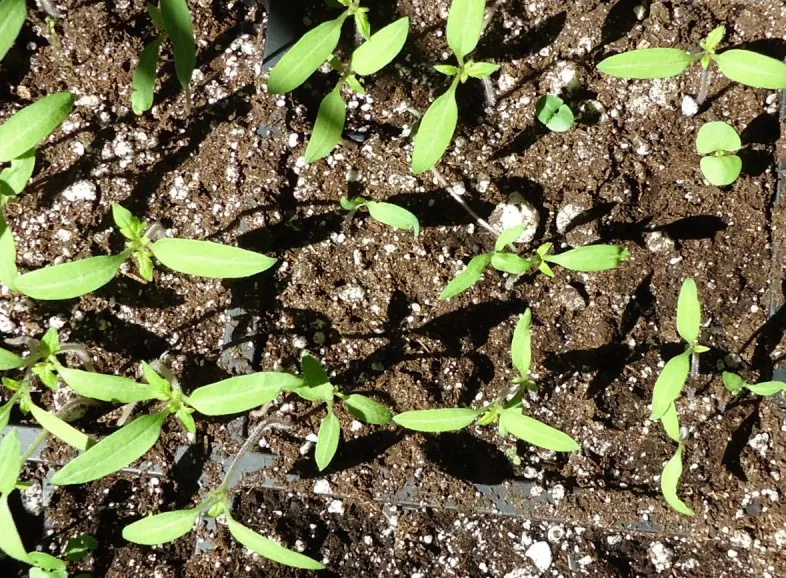
Young tomato (Solanum lycopersicum) and basil (Ocimum basilicum) plants at an early stage of cultivation in a seedling container

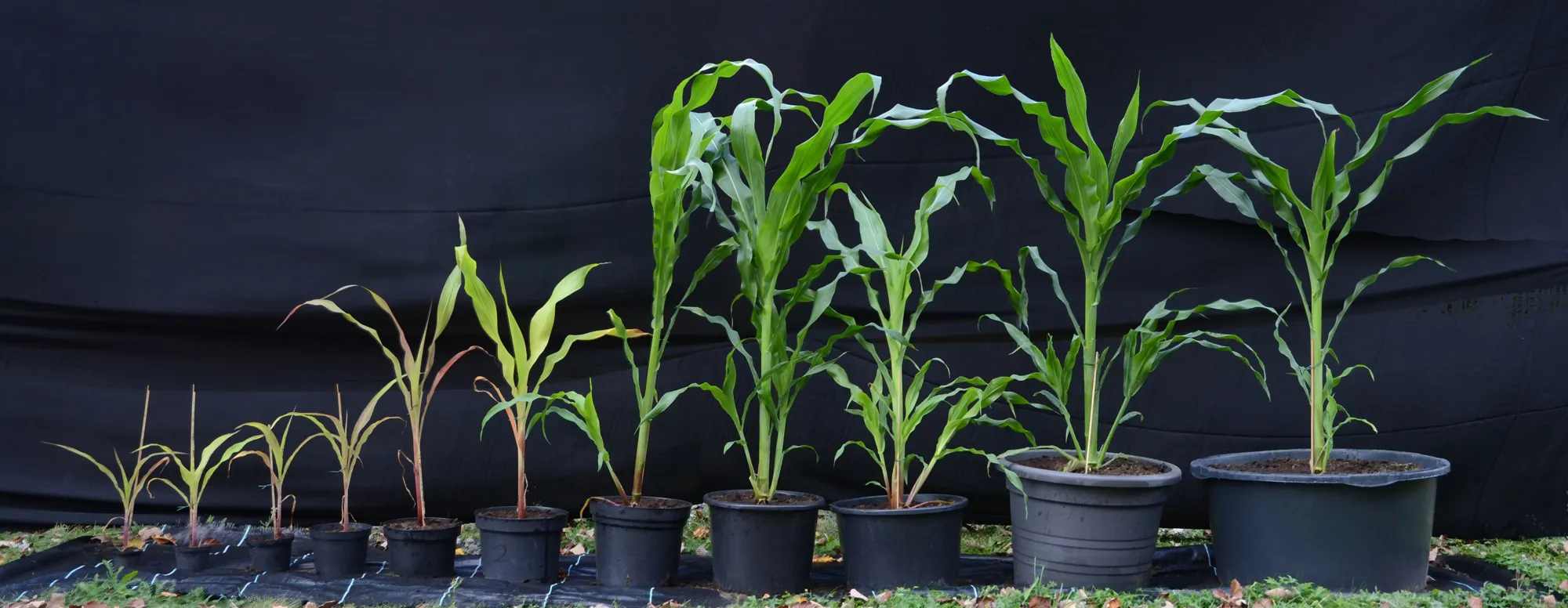
Effect of pot volume on the growth of maize (Zea mays)
The plants were grown outdoors with regular watering. The photograph was taken 3 months after sowing. The correlation between the volume of available soil (size of the root system) and the development of above-ground biomass is clearly demonstrated: in larger containers the maize is significantly taller and more robust.
Competition for Light
When plants are planted too close together, they shade each other. In response to shading, many species stretch, spending energy on stem growth to the detriment of fruiting. In dense sowings, lower leaves end up in shade and cannot photosynthesize, which reduces the overall yield. This is why it is so important to observe recommended distances between plants and to thin seedlings in a timely manner (Trannua, 2018).
Competition for Water and Nutrients
The roots of neighboring plants explore the same volume of soil. If water or elements are insufficient, they begin to “pull” resources from each other. Young plants, whose root systems are still weak, suffer especially. Weeds are the most aggressive competitors: they consume up to 30–50% of the water and nutrients intended for cultivated plants.
The “One Plant” Rule
Experienced gardeners know: one well-developed plant produces more than two suppressed ones. When thinning, always leave the strongest specimens and remove the weak ones. This rule also works for fruit set: fruit thinning (for example, on an apple tree) allows the remaining fruits to gain mass and quality (Trannua, 2018).
Planning Space
- For vegetables: carrot—5–7 cm between plants, tomato—40–60 cm, cabbage—40–50 cm, cucumber—30–40 cm.
- For fruit trees: apple on semi-dwarf rootstock—3–4 m between trees, vigorous—5–6 m.
- For berry shrubs: currant—1–1.5 m, raspberry—0.5–0.7 m in a row.
Practical Conclusion:
- Do not crowd plantings: tightness negates all efforts at fertilizing and watering.
- Thin seedlings and regulate the harvest.
- Consider the size of the adult plant, not the seedling.
- Control weeds: they are the main competitors.

7-in-1 Wi-Fi Weather Station
Monitor local weather conditions with a wireless outdoor sensor. Track temperature, humidity, rainfall, wind speed and direction, and atmospheric pressure. Ideal for gardens, farms and greenhouses.
- Wireless outdoor sensor
- Solar-powered
- Wi-Fi connectivity
Affiliate link · Check regional compatibility.
7. Time: Sowing and Planting Dates

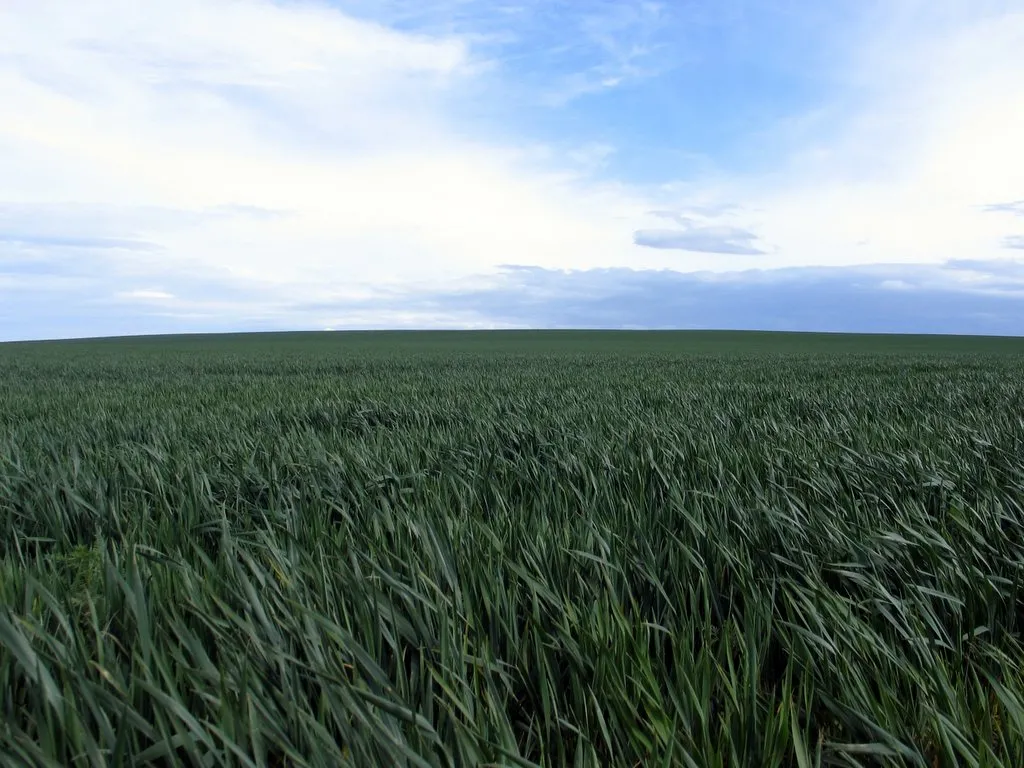
Wheat field in spring (Triticum sp.)
A wheat field in April, Washington State, USA. The photograph demonstrates the seasonal stage of development of an agricultural crop.
A plant is a “biological clock” that counts time with day-level precision. Sowing and planting dates are not an arbitrary choice of the gardener but a synchronization of the plant’s life cycle with seasonal climate changes. A mistake in timing can negate all efforts: a heat-loving crop sown in cold soil will not emerge or will die from frost; a cold-resistant crop sown in hot weather will bolt and fail to produce a harvest.
Photoperiodism as a Calendar
Plants measure day and night length using phytochrome—a pigment that captures the ratio of red to far-red light. This mechanism triggers flowering, tuber and bulb formation, and preparation for winter (Science and the Garden, 2015). For example, onion and radish are long-day plants: as the daylight period lengthens, they begin to form flower stalks rather than root crops. That is why radish is sown in early spring or closer to autumn, when the day is shorter. Chrysanthemums and soybeans are short-day plants: they flower when the night becomes longer. If grown under long days, they remain vegetative (Capon, 2022).
Soil and Air Temperature
Seeds germinate only at a certain minimum temperature. Cold-resistant crops (cabbage, carrot, lettuce) begin to germinate at 2–5 °C, heat-loving crops (cucumber, tomato, pepper) at 15–16 °C (Kotov & Adritskaya, 2016). Sowing heat-loving crops in unheated soil leads to seed rot or root rot damage. Temperature regime is also important for seedlings: after emergence, the temperature is lowered so that plants do not stretch (Tretyakov, 2000).
Vernalization and Stratification
Many biennial and winter crops (cabbage, carrot, beet, winter wheat) require a cold period to transition to flowering—this process is called vernalization. If carrot survives a cold spring, it may flower instead of forming a root crop. Seeds of trees and shrubs often need stratification—being kept in a moist substrate at low positive temperatures for several weeks or months. Without this they will not germinate (Hopkins & Hüner, 2009).
Chill Hours for Fruit Crops
Most deciduous fruit trees require a certain number of chill hours—time at 0–7 °C—for normal flowering in spring. Apple needs 1000–1600 hours, peach 400–800, fig 100–300 (Martin, 2019; Westwood, 1993). When choosing a variety, it is important to consider how much cold your region receives. If winter is too warm, the tree may not flower.
The Lunar Calendar and Folk Signs
Although scientific research does not confirm the influence of lunar phases on plant growth, folk signs often reflect long-term weather observations. For example, sowing after bird cherry flowering or birch leafing may coincide with the end of frosts. However, it is more reliable to focus on soil temperature and the weather forecast.
Practical Conclusion:
- Study the heat and day-length requirements of your crop.
- Do not rush to sow heat-loving crops: wait for the soil to warm.
- For biennials and fruit crops, take cold requirements into account.
- Use seedlings and covers to extend the season and protect plants from frost.
8. Interaction of Factors: If One Is Lacking, the Others Do Not Work
A plant is an integrated system, and all environmental factors act together. It is impossible to compensate for a lack of light with an excess of fertilizer or to replace warmth with abundant watering. This principle is known as the law of the minimum (or “Liebig’s barrel”): growth and productivity are limited by the factor that is in relative minimum (Pavlis, 2020). If a plant lacks water, an excess of nitrogen will not help—it will still suffer. Moreover, an excess of one factor can worsen the deficiency of another.
Examples of Interaction
- Light and nutrition. With insufficient light, a plant cannot effectively use fertilizers because photosynthesis is slow. Applying nitrogen in shade can cause stem stretching and weakening of plants (Tretyakov, 2000).
- Heat and water. In hot weather, transpiration increases, and the plant uses more water. If water is insufficient, stomata close, and photosynthesis slows. At the same time, excess water in cold soil causes root rots.
- Air and water. Waterlogging displaces oxygen necessary for root respiration. Without oxygen, roots cannot absorb water and nutrients even if they are abundant (Chalker-Scott, 2015).
- Nutrition and pH. Soil acidity affects the availability of elements. For example, iron becomes unavailable in alkaline soils, and phosphorus in acidic ones (Pavlis, 2020).
Law of Tolerance
American ecologist Victor Shelford formulated the law of tolerance: for each factor there is a range between minimum and maximum within which an organism can exist. Too little is bad, too much is also bad. For example, nitrogen deficiency causes chlorosis, while excess causes excessive vegetative growth and delayed fruiting (Tretyakov, 2000).
Practical Conclusion:
- Do not try to “fix” one factor at the expense of another. Look for the weak link.
- Observe plants regularly: their appearance will tell you what is lacking.
- Create balanced conditions: light + heat + water + air + nutrition.
- Remember that ideal conditions do not exist, but stress can be minimized.

40W Full Spectrum LED Grow Light
Support healthy plant growth with full-spectrum LED lighting. Ideal for seedlings, indoor plants and small growing spaces. A practical solution for indoor gardening and year-round cultivation.
- Full-spectrum LED
- Energy-efficient design
- Indoor plant growing
Affiliate link · Check actual power and light coverage.
9. Regional Aspect: The Limiting Factor Differs in Different Climates
The same plant species will suffer from different problems in different regions. In the tropics, the limiting factor is often not heat but water or nutrition; in temperate latitudes, it is season length or winter frosts; in arid zones, moisture; in cloudy coastal areas, light. Understanding which factor is the “bottleneck” in your climate helps you choose crops and cultivation practices correctly.
Arid Climate (Arid and Semiarid)
Here the main limitation is water. Plants are forced to conserve moisture: they have small leaves, a waxy coating, deep roots, or the ability to store water in tissues. For the gardener, this means the need for mulching, drip irrigation, and choosing drought-resistant crops. In such regions, one cannot rely on rain as the main source of moisture (Johnson, 2023). In addition, arid zones often have saline soils, which makes it difficult for roots to absorb water (Pavlis, 2020).
Mediterranean Climate

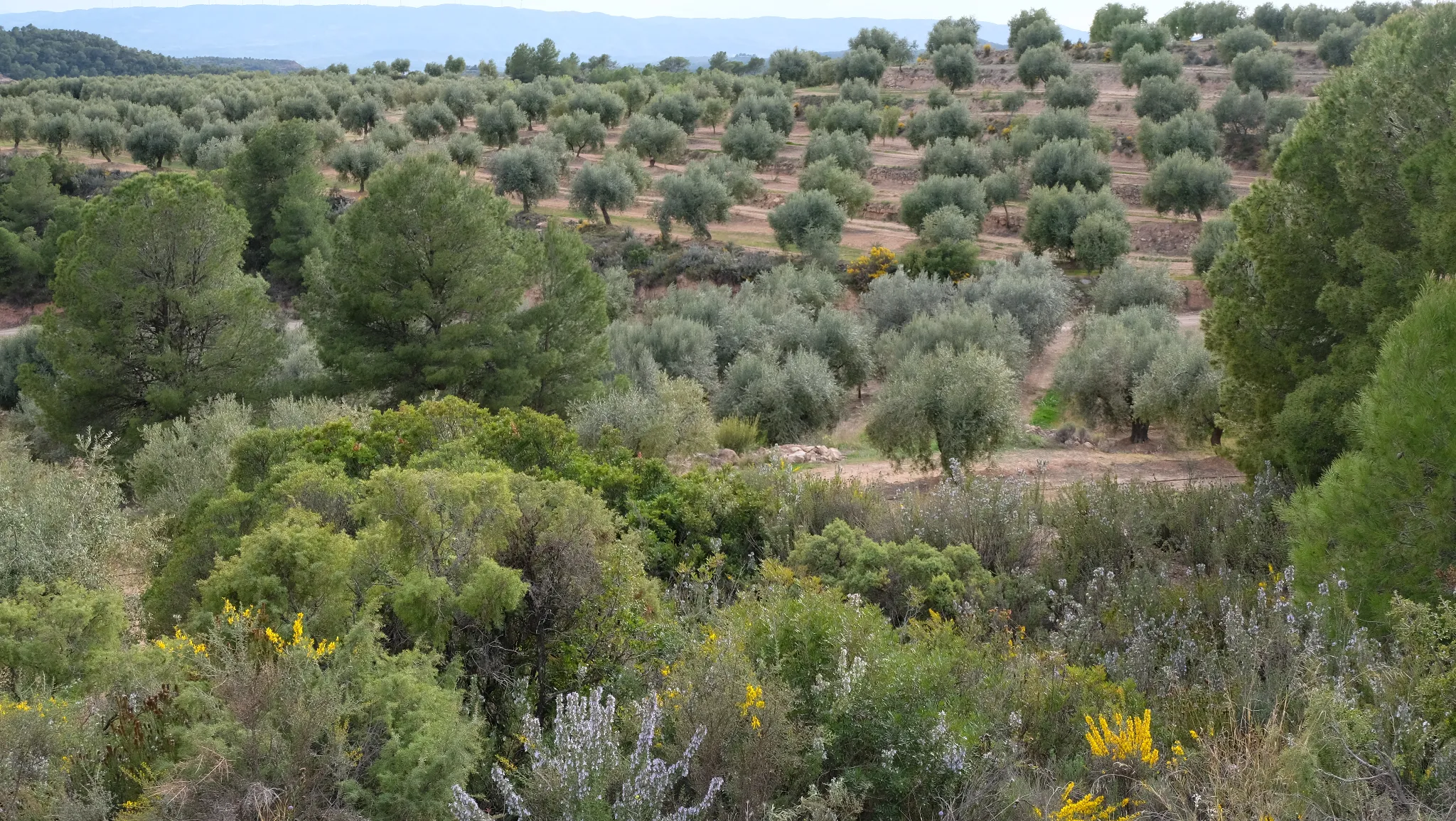
Olive grove (Olea europaea) in Catalonia
Grove of olive trees of the Arbequina variety (Olea europaea) in the Bovera area, Catalonia, Spain. The photograph demonstrates a typical Mediterranean agricultural landscape with olive trees grown under hot and dry summer conditions.
Winter here is mild and wet, and summer is hot and dry. The limiting factor is summer drought. Plants of Mediterranean origin (laurel, rosemary, olive) are adapted to this rhythm: they grow actively in spring and enter a state of rest in summer. Gardeners should avoid summer watering of such crops so as not to disrupt their natural cycle (Science and the Garden, 2015).
Temperate Maritime Climate
Winters are mild, summers cool, and precipitation is evenly distributed. The main problem is lack of light in winter and a short summer. Heat-loving crops (tomatoes, peppers, eggplants) here require seedlings and covers. But moisture-loving plants feel well. The limiting factor is often not water but heat and light (Ingram, 2015).
Continental Climate
Sharp temperature fluctuations, short summer, severe winters. The limiting factor is the length of the frost-free period and winter frosts. Gardeners are forced to choose early and cold-resistant varieties, use covers, and for fruit trees select varieties with sufficient winter hardiness and a short growing season (Westwood, 1993).
Tropical and Subtropical Climate
Here heat and moisture are abundant, but light is often insufficient due to cloudiness, and soils are poor in nutrients. The limiting factor may be nutrients (plant nutrition) or soil acidity. In addition, high temperatures accelerate the decomposition of organic matter, and nutrients are quickly washed out (Rubatzky & Yamaguchi, 1997).
Site Microclimate
Even within one region and even one garden, conditions differ. A southern slope is warmer than a northern one, a lowland is colder and wetter, and a house wall accumulates heat. Observing the site helps identify microzones and select plants for them (Martin, 2019).
Practical Conclusion:
- Determine which factor limits plant growth in your region.
- Choose crops and varieties adapted to the local climate.
- Use cultivation practices aimed at mitigating the limiting factor (mulch during drought, drainage during waterlogging, covers during cold).
10. Conclusion: The Plant Is Not “Capricious”—It Simply Has Specific Requirements
Gardeners often call plants “capricious” when they do not grow or do not fruit. But every species has specific requirements for light, heat, water, air, nutrition, space, and time. If these requirements are not met, the plant is not “being capricious”—it simply cannot survive. Understanding plant biology turns gardening from a struggle with nature into cooperation with it.
Key Principles:
1. Law of the minimum. Yield is determined by the weakest link. Find it and eliminate it.
2. Balance. One factor cannot be compensated for by another. Create harmonious conditions.
3. Observation. Plants themselves indicate what they lack through changes in color, shape, and growth.
4. Soil is the foundation. Healthy soil with organic matter and life provides plants with water and nutrition.
5. The region matters. What works in one climate may not work in another.
What to Do in Practice:
- Study the requirements of the crops you choose.
- Conduct a soil analysis to learn its pH and nutrient reserves.
- Provide regular but not excessive watering.
- Mulch the soil to preserve moisture and structure.
- Observe sowing and planting dates, taking photoperiodism and temperature into account.
- Do not crowd plantings; thin and regulate the harvest.
Plants are not “capricious”—they are predictable if you know their requirements. Gardening is the art of creating conditions in which a plant can realize its potential. And the better you understand these conditions, the richer and more resilient your garden will be.
References
- (2015). ‘Climate and weather’, in Ingram, D.S., Vince-Prue, Daphne, Gregory, P.J. (ed.) Science and the Garden. The scientific basis of horticultural practice. West Sussex, UK: Royal Horticulture Society. Wiley Blackwell, pp. 191-205.
- (2015). ‘Plants and seasons’, in Ingram, D.S., Vince-Prue, Daphne, Gregory, P.J. (ed.) Science and the Garden. The scientific basis of horticultural practice. West Sussex, UK: Royal Horticulture Society. Wiley Blackwell, pp. 120-138.
- (2015). ‘The plant environment: Light and water’, in Ingram, D.S., Vince-Prue, Daphne, Gregory, P.J. (ed.) Science and the Garden. The scientific basis of horticultural practice. West Sussex, UK: Royal Horticulture Society. Wiley Blackwell, pp. 102-119.
- Capon, Brian (2022). ‘How Plants Function’, in Botany for Gardeners. An Introduction to the Science of Plants. Portland, Oregon: Timber Press, pp. 144-192.
- Carvalho, P., Foulkes, M.J. (2019). ‘Roots and Uptake of Water and Nutrients’, in Crop Science. New York, NY: Springer New York, 107-130. doi: 10.1007/978-1-4939-8621-7_195
- Chalker-Scott, Linda (2015). ‘What's Essential’, in How Plants Work. Portland, London: Timber Press, pp. 60-83.
- Eash, N.S., Sauer, T.J., O'Dell, D., Odoi, Evah (2016). ‘Soil Biological Properties’, in Soil Science Simplified. New Jersey: Wiley Blackwell, ch. 4.
- Eash, N.S., Sauer, T.J., O'Dell, D., Odoi, Evah (2016). ‘Soil Water’, in Soil Science Simplified. New Jersey: Wiley Blackwell, ch. 6.
- Hopkins, W.G., Hüner, N.P..A. (2009). ‘Responses of Plants to Environmental Stress’, in Introduction to Plant Physiology. Hoboken, NJ: John Wiley & Sons, pp. 223-240.
- Hopkins, W.G., Hüner, N.P..A. (2009). ‘Temperature: Plant Development and Distribution’, in Introduction to Plant Physiology. Hoboken, NJ: John Wiley & Sons, pp. 447-458.
- Johnson, Noelle (2023). ‘Choosing the Right Plants for Hot, Arid Regions’, in Dry Climate Gardening. Beverly, MA: Cool Springs Press, .
- Lowenfels, Jeff, Lewis, Wayne (2010). ‘How the Soil Food Web Applies to Gardening’, in Teaming with Microbes. The Organic Gardener’s Guide to the Soil Food Web. Portland, Oregon: Timber Press, .
- Martin, Orin (2019). ‘Getting Started’, in Fruit Trees for Every Garden. New York: The Speed Press, ch. 1.
- Morgan, Sally (2021). ‘Building a healthy soil’, in The Healthy Vegetable Garden: A natural, chemical-free approach to soil, biodiversity and managing pests and diseases. Vermont, London, UK: Chelsea Green Publishing, .
- Pavlis, Robert (2020). ‘Solving Soil Problems’, in Soil Science for Gardeners. Working with Nature to Build Soil Health. Gabriola Island, BC, Canada: New Society Publishers, pp. 97-178.
- Rubatzky, V.E., Yamaguchi, Mas (1997). ‘Environmental Factors Influencing the Growth of Vegetables’, in World Vegetables. Boston, MA: Springer US, pp. 59-80. doi: 10.1007/978-1-4615-6015-9_6
- Taiz, Lincoln, Møller, I.Max, Murphy, Angus, Zeiger, Eduardo (2023). ‘Mineral Nutrition’, in Plant Physiology and Development. New York, NY: Oxford University Press, pp. 189-216.
- Taiz, Lincoln, Møller, I.Max, Murphy, Angus, Zeiger, Eduardo (2023). ‘Water and Plant Cells’, in Plant Physiology and Development. New York, NY: Oxford University Press, pp. 153-168.
- Westwood, M.Neil (1993). ‘General Environment’, in Temperate-zone. Pomology. Physiology and Culture. Portland, Oregon: Timber Press, pp. 29-47.
- Zona, Scott (2026). ‘What a Plant Needs: Light’, in A Gardener's Guide to Botany. Beverly, MA: Cool Springs Press, .
- Zona, Scott (2026). ‘What a Plant Needs: Nutrients’, in A Gardener's Guide to Botany. Beverly, MA: Cool Springs Press, .
- Zona, Scott (2026). ‘What a Plant Needs: Water’, in A Gardener's Guide to Botany. Beverly, MA: Cool Springs Press, .
- Котов, В.П., Адрицкая, Н.А. (2016). ‘Биологические основы овощеводства [Biological foundations of vegetable growing]’, in Овощеводство [Vegetable growing]. Санкт-Петербург: Лань, pp. 22-66.
- Потапов, В.А., Фаустов, В.В., Пильщикова, Ф.Н. (2000). ‘Биологические основы плодоводства [Biological foundations of fruit growing]’, in Плодоводство [Fruit growing]. Москва: Колос, pp. 3-124.
- Траннуа, Павел (2018). ‘Прореживание всходов и нормирование плодов [Thinning of seedlings and fruit thinning]’, in Сад и огород в рисунках и комиксах: полная наглядная энциклопедия [The Garden and Vegetable Patch in Drawings and Comics: A Comprehensive Visual Encyclopedia]. Москва: Издательство «Э», pp. 117-120.
- Третьяков, Н.Н. (2000). ‘Минеральное питание растений [Mineral nutrition of plants]’, in Физиология и биохимия сельскохозяйственных растений [Physiology and biochemistry of agricultural plants]. Москва: Колос, pp. 280-345.
- Третьяков, Н.Н. (2000). ‘Рост и развитие растений [Plant growth and development]’, in Физиология и биохимия сельскохозяйственных растений [Physiology and biochemistry of agricultural plants]. Москва: Колос, pp. 365-492.
- Третьяков, Н.Н. (2000). ‘Фотосинтез [Photosynthesis]’, in Физиология и биохимия сельскохозяйственных растений [Physiology and biochemistry of agricultural plants]. Москва: Колос, pp. 88-166.
