
What a Plant Consists Of: A Practical Guide for Gardeners
1. Root: anchor, nutrition, water
Root is the underground organ that most gardeners think about last, although it is where the life of every plant begins. In a seed, the embryonic root is the first to appear—it heads downward, anchoring the future seedling in the soil even before the first leaf emerges above the surface (Bidlack, Jansky, 2021).
The main functions of the root are holding the plant in the soil, absorbing water and dissolved mineral substances, and storing nutrients (Zona, 2023). In some plants the root also performs additional tasks: for example, in mangroves it rises above the water to breathe, and in orchids it hangs in the air, absorbing moisture from the atmosphere (Simpson, 2019).
How the root absorbs water. Absorption occurs in the zone immediately behind the root tip. There, epidermal cells form root hairs—microscopic outgrowths that increase the area of contact with the soil hundreds of times over (Capon, 2022). It is through the root hairs that water with dissolved minerals enters the plant according to the laws of osmosis: water moves from an area with a higher concentration (the soil solution) to an area with a lower concentration (the root cells) until the pressure equalizes (Bidlack, Jansky, 2021).

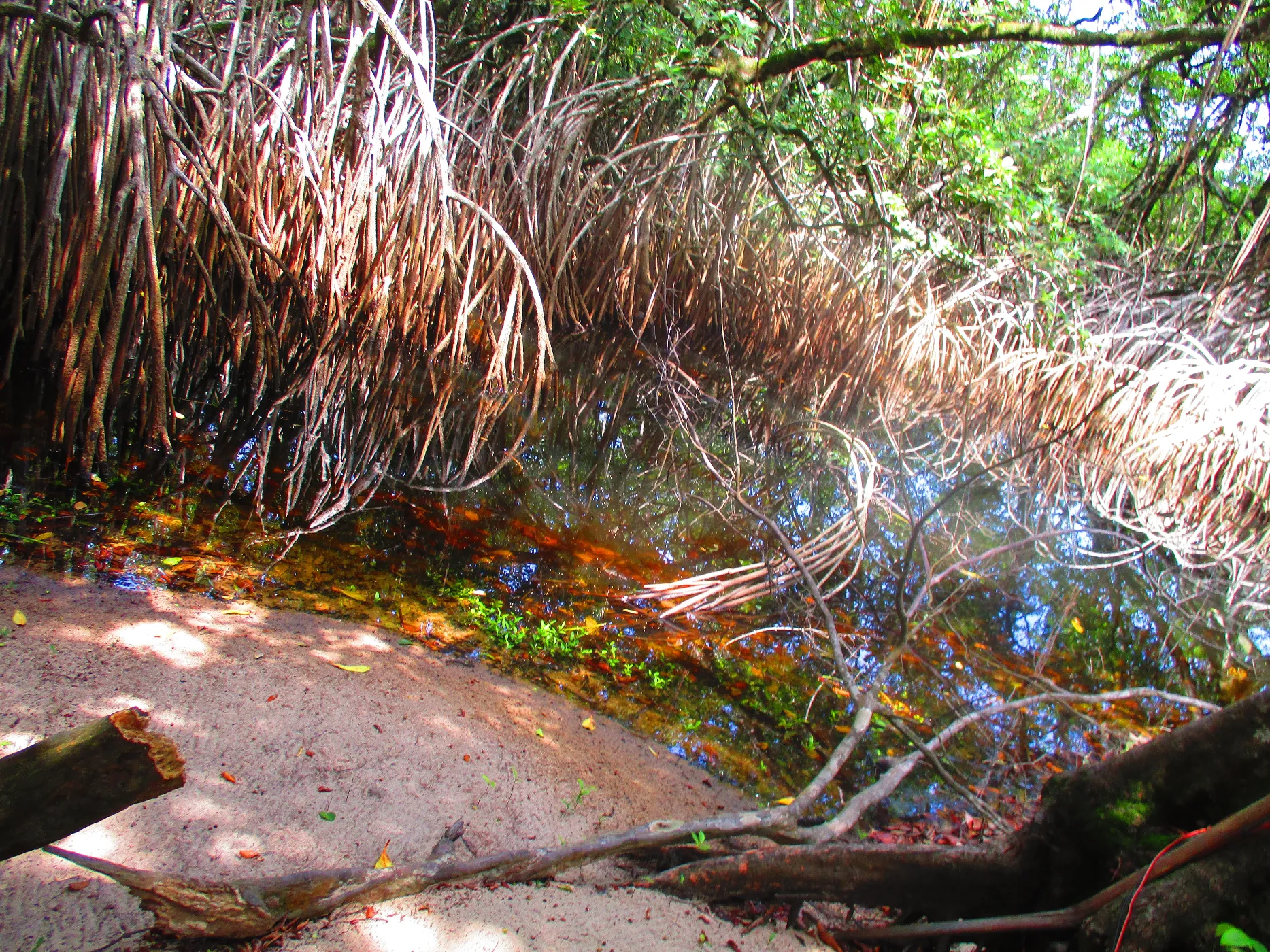
Mangrove trees with breathing roots
A group of mangrove trees with breathing roots protruding above the water surface in a swampy area. A good example of adaptation of the root system to an overly wet environment. Photographed at La Campagne Tropicana, Nigeria.

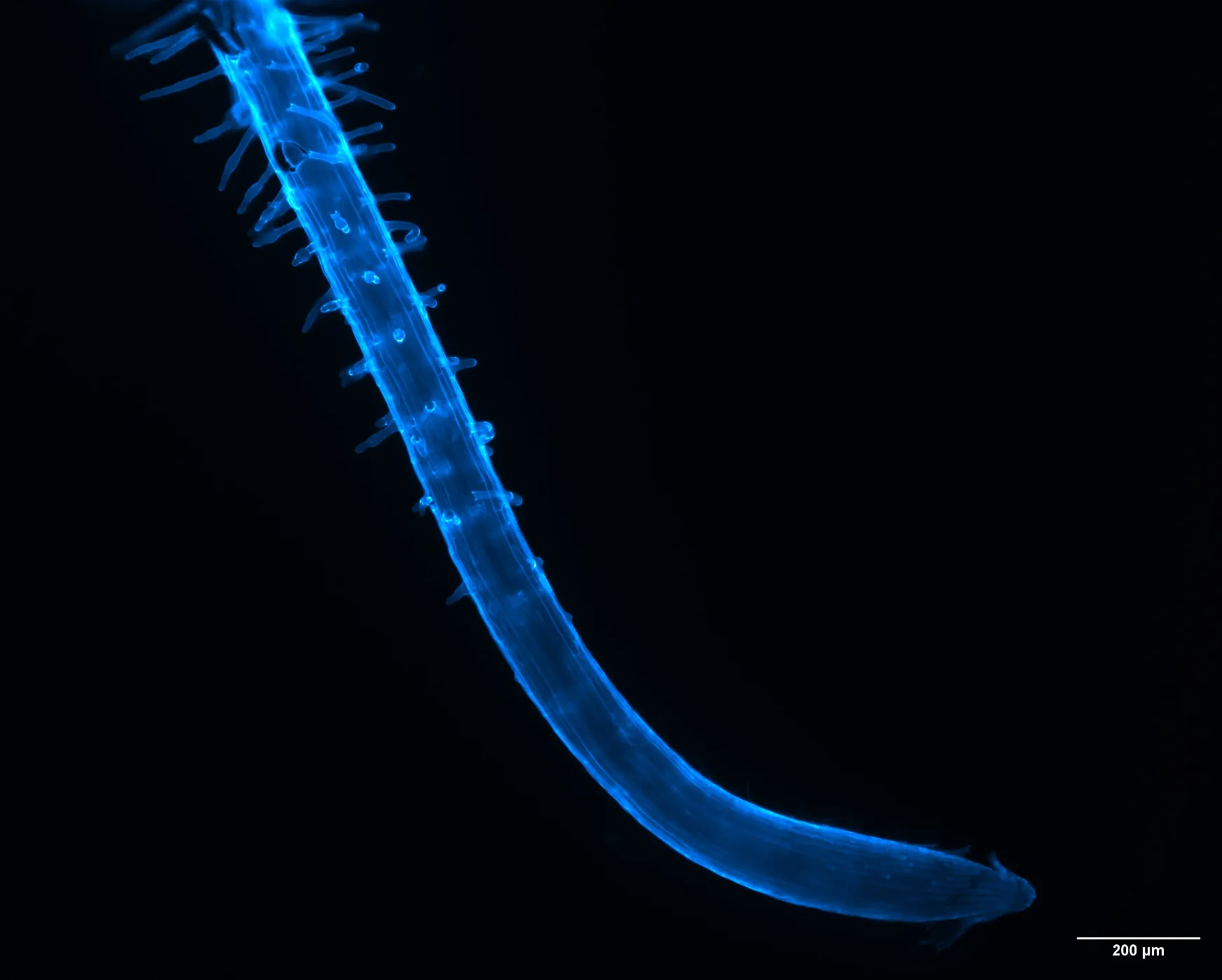
Confocal fluorescence microscopy of Arabidopsis thaliana root
Fluorescence confocal image of an Arabidopsis thaliana root—a classic model object in plant genetics and physiology. Visualization of cell walls allows detailed study of the distribution, length, and density of root hairs.
An important practical consequence: if the soil dries out, root hairs die within a few hours. This is why plants left without watering even for a short time recover slowly—they have to grow new hairs (Ingram et al., 2015).
Types of root systems. Dicots and gymnosperms often form a taproot—a main root going deep, from which lateral roots branch. Grasses and many herbaceous plants have a fibrous system: many fine roots evenly permeating the upper soil layer (Zona, 2023). A taproot system holds the plant better and obtains water from depth; a fibrous system more quickly colonizes the surface layer and more efficiently collects nutrients after rain (Serebryakov, 1958).

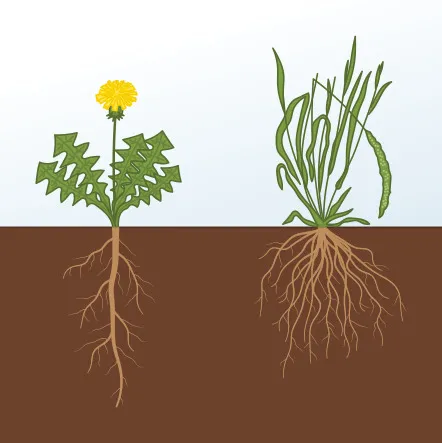
Taproot and fibrous root systems
Comparison of two main types of root systems: taproot, with a distinct main root and lateral branches, and fibrous, consisting of many roots of approximately equal size.

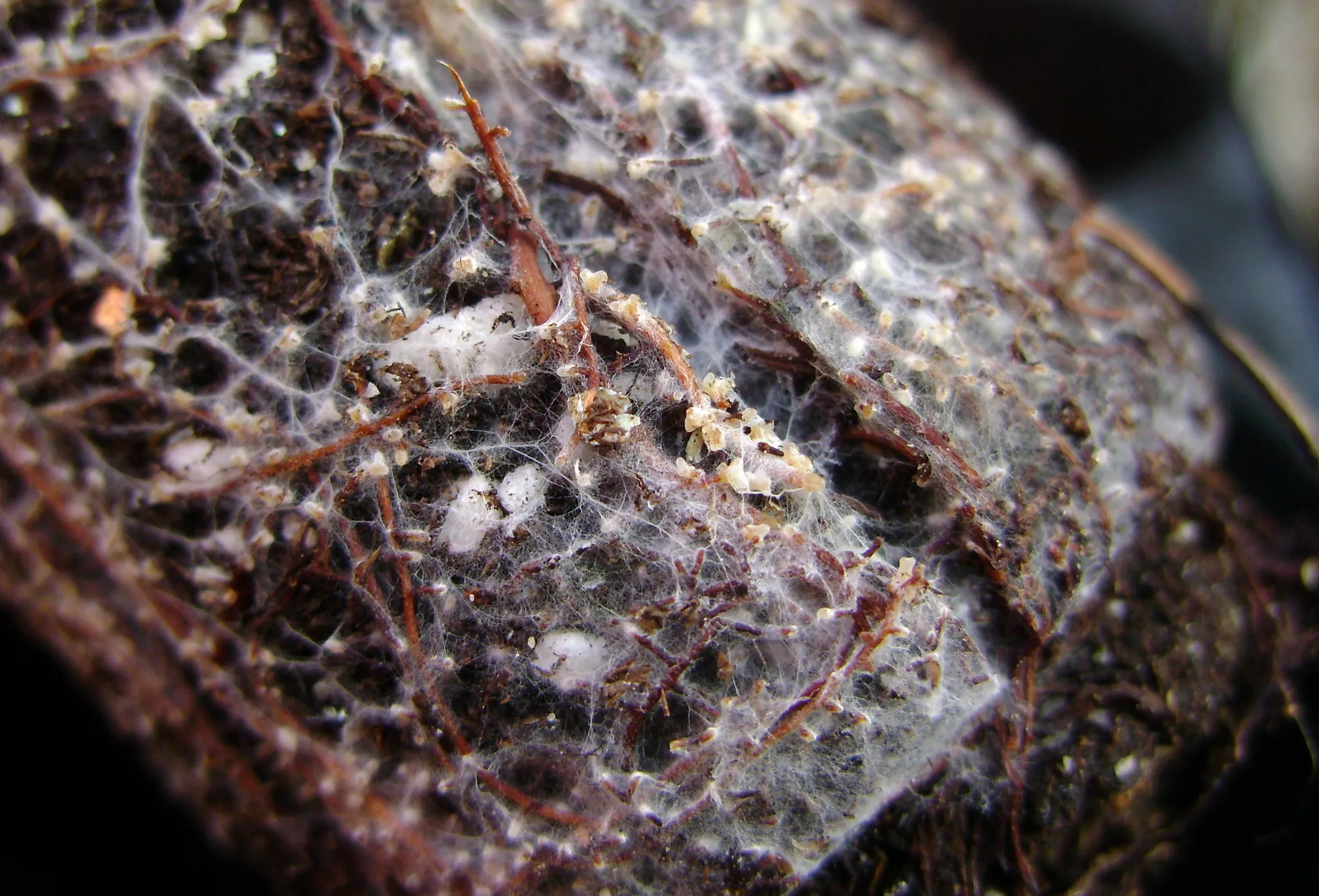
Ectomycorrhizal mycelium around spruce roots
White mycelium of an ectomycorrhizal fungus associated with roots of white spruce Picea glauca. The image clearly shows the close association of fungal mycelium with the root system of a woody plant.
The root and symbiosis. Many plants enter into partnership with soil fungi, forming mycorrhiza. Fungal hyphae penetrate the root (endomycorrhiza) or wrap around it externally (ectomycorrhiza), significantly expanding the absorption zone (Ingram et al., 2015). The fungus receives sugars from the plant and in return supplies it with phosphorus and other hard-to-access elements. Practical conclusion: plowing and excessive soil cultivation destroy mycorrhiza, so minimal tillage and mulching are beneficial for root health (Griffiths, 2026).
The root as a storage organ. In biennial and perennial plants, the root often serves as a reservoir of nutrients. Carrot, beet, and radish are examples of storage root crops (Ingram et al., 2015). In bulbous plants the reserve is concentrated in the bulb—a modified shoot—but the roots also play a role in filling it.
What a gardener needs to know. Roots breathe: they need oxygen. In waterlogged or compacted soil they suffocate, rot, and stop absorbing water—the plant wilts even though there is enough moisture in the soil (Bidlack, Jansky, 2021). This is why drainage and loosening are just as important as watering.
The root is not just an “anchor” but an active organ that responds sensitively to the state of the soil. To understand how it works is to understand why a plant sometimes looks depressed even with seemingly good care.
2. Stem: support, conductor, reserve
Stem is the axial part of the shoot that links the root and leaves into a single whole. If the root obtains water and mineral substances, the stem delivers them upward to the leaves and returns the products of photosynthesis downward. At the same time, it holds the leaves in the most advantageous position relative to light and brings flowers and fruits to pollinators and seed dispersers (Zona, 2023).
Support. The main mechanical task of the stem is to hold the leaf mosaic. Each leaf must receive maximum light while not shading its neighbors. This is achieved through the arrangement of leaves on the stem—alternate, opposite, or whorled (Simpson, 2019). In trees and shrubs, the stem becomes the trunk and branches, capable of withstanding significant loads thanks to lignification—the deposition of lignin in cell walls (Evert, 2006). Herbaceous stems remain flexible thanks to turgor—the pressure of water in the cells (Capon, 2022). This is why a wilted plant loses its shape: the stem can no longer hold the leaves.
Conductor. Two main conducting tissues run inside the stem: xylem and phloem (Bidlack, Jansky, 2021). Xylem consists of dead cells—vessels and tracheids—through which water with dissolved mineral salts rises from the roots to the leaves. Movement is ensured by transpiration—the evaporation of water through the leaf stomata, which creates an upward flow (Ingram et al., 2015). Phloem, by contrast, is made up of living cells—sieve tubes and companion cells. Through it, solutions of sugars and other organic substances move from the leaves (sources) to places of consumption or storage—growing shoots, roots, fruits (Bidlack, Jansky, 2021). Unlike xylem, flow in phloem can go in both directions, but always from source to sink (Zona, 2023).
A practical consequence: girdling the bark (for example, damage to the bark by rodents or garden tools around the entire circumference of the trunk) interrupts the phloem and deprives the roots of nutrition. A tree can die even if the xylem is intact and water continues to flow (Ingram et al., 2015).
Reserve. The stem not only conducts but also stores. In many plants, reserve nutrients—starch, sugars, sometimes fats—are deposited in the pith or cortex (Evert, 2006). A striking example is sugarcane, whose stem accumulates sucrose; or cacti, which store water in fleshy stems (Simpson, 2019). In biennial plants (carrot, beet, cabbage), the reserve is deposited in the root crop during the first year of life, but in some crops, such as kohlrabi, it is deposited in the stem (Ingram et al., 2015).
Stem modifications. Evolution has endowed the stem with many forms adapted to different conditions. A rhizome is a horizontal underground stem that serves for vegetative propagation and surviving unfavorable seasons (couch grass, iris, ginger). A tuber is a thickened underground stem with a starch reserve (potato). A bulb is a shortened stem with succulent scale-like leaves (onion, tulip). All of these are modified shoots, not roots, and bear renewal buds (Serebryakov, 1958). We will discuss regional adaptations in more detail in Chapter 9.
What matters for the gardener. Any damage to the stem is a blow to the transport system. Pruning, pinching, hilling, and tying—all these techniques work specifically with the stem. A proper cut should be smooth and located slightly above a bud so that no stub remains that could rot (Griffiths, 2026). Hilling potatoes stimulates the formation of additional stolons—underground shoots on which tubers form (Bidlack, Jansky, 2021). And operations such as pinching the shoot tip remove apical dominance and cause lateral branches to grow—this is the basis for shaping the crown in tomatoes, peppers, and many ornamental plants (Serebryakov, 1958).
Thus, the stem is not just a “stick” but a complex system combining support, transport, and storage. Understanding how it works helps shape plants correctly, prune them, and notice the first signs of trouble: for example, a curved stem indicates insufficient light, while softening indicates waterlogging or infection.


LCD 4-in-1 Soil Tester
Check essential growing conditions with one compact tool. Measure soil pH, moisture, temperature and light intensity — ideal for gardens, potted plants and greenhouses.
- 4-in-1 measurement
- Easy-to-read LCD display
- Portable design
Affiliate link · For indicative measurements only.
3. Leaf: the food factory
Leaf is the main organ of photosynthesis, where solar energy is converted into the chemical energy of organic substances. It is here that the plant produces sugars, which are then used for growth, storage, and maintaining all vital processes (Zona, 2023). It is no wonder the leaf is called the “food factory”: its structure is ideally suited for capturing light, absorbing carbon dioxide, and evaporating water.
External structure. A typical leaf consists of a flat leaf blade (lamina), a petiole by which it is attached to the stem, and veins—conducting bundles permeating the blade (Ingram et al., 2015). The shape, size, and margin of the leaf are extremely diverse: from the needle-like leaves of pine to the huge dissected leaves of palms. This diversity is the result of adaptation to conditions of light, humidity, and temperature (Simpson, 2019).
Internal structure. Above and below, the leaf is covered by the epidermis—a thin layer of cells protected by the cuticle, a waxy film that prevents water evaporation (Capon, 2022). Beneath the upper epidermis lies the palisade tissue—densely packed cylindrical cells filled with chloroplasts. Most photosynthesis takes place here (Ingram et al., 2015). Below lies the spongy tissue—loose, with large intercellular spaces through which gases diffuse freely: carbon dioxide enters the cells, and oxygen exits outside (Bidlack, Jansky, 2021).
Stomata—the gates of gas exchange. In the epidermis, more often on the lower side of the leaf, stomata are scattered—microscopic pores surrounded by two guard cells. When the guard cells are filled with water, they bend and open a slit; when they lose water, they close and shut it (Capon, 2022). Through the open stomata, carbon dioxide enters the leaf, while oxygen and water vapor exit. This process of water evaporation is called transpiration and creates the very “pull” that lifts water from the roots to the crown (Bidlack, Jansky, 2021).

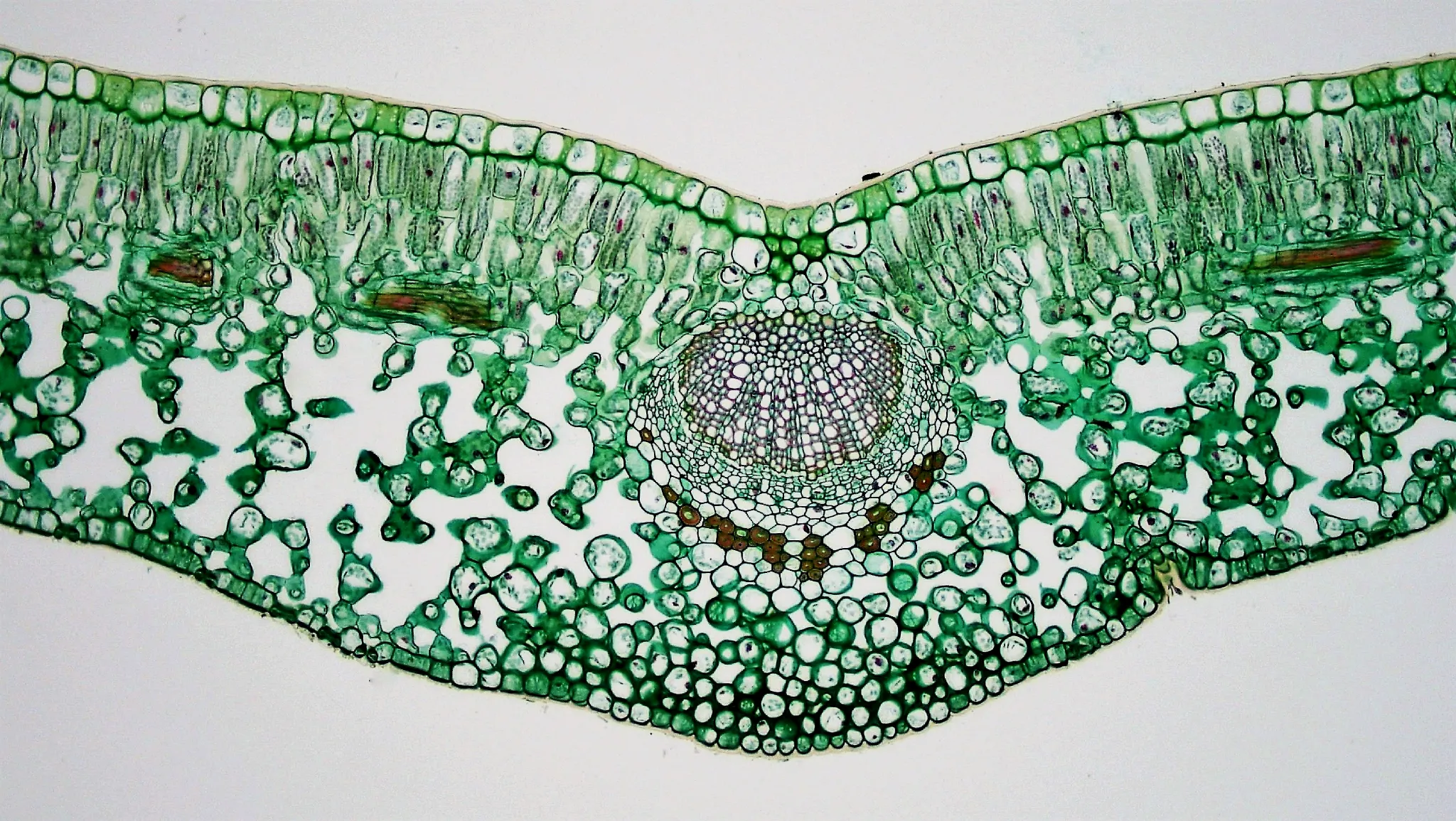
Transverse section of a mesophytic privet (Ligustrum) leaf
Histological preparation of a privet leaf (100x magnification), which is a typical mesophyte. It demonstrates the massive development of covering tissues (epidermis), clear differentiation of the photosynthetic mesophyll, and a large vascular bundle of the midrib.

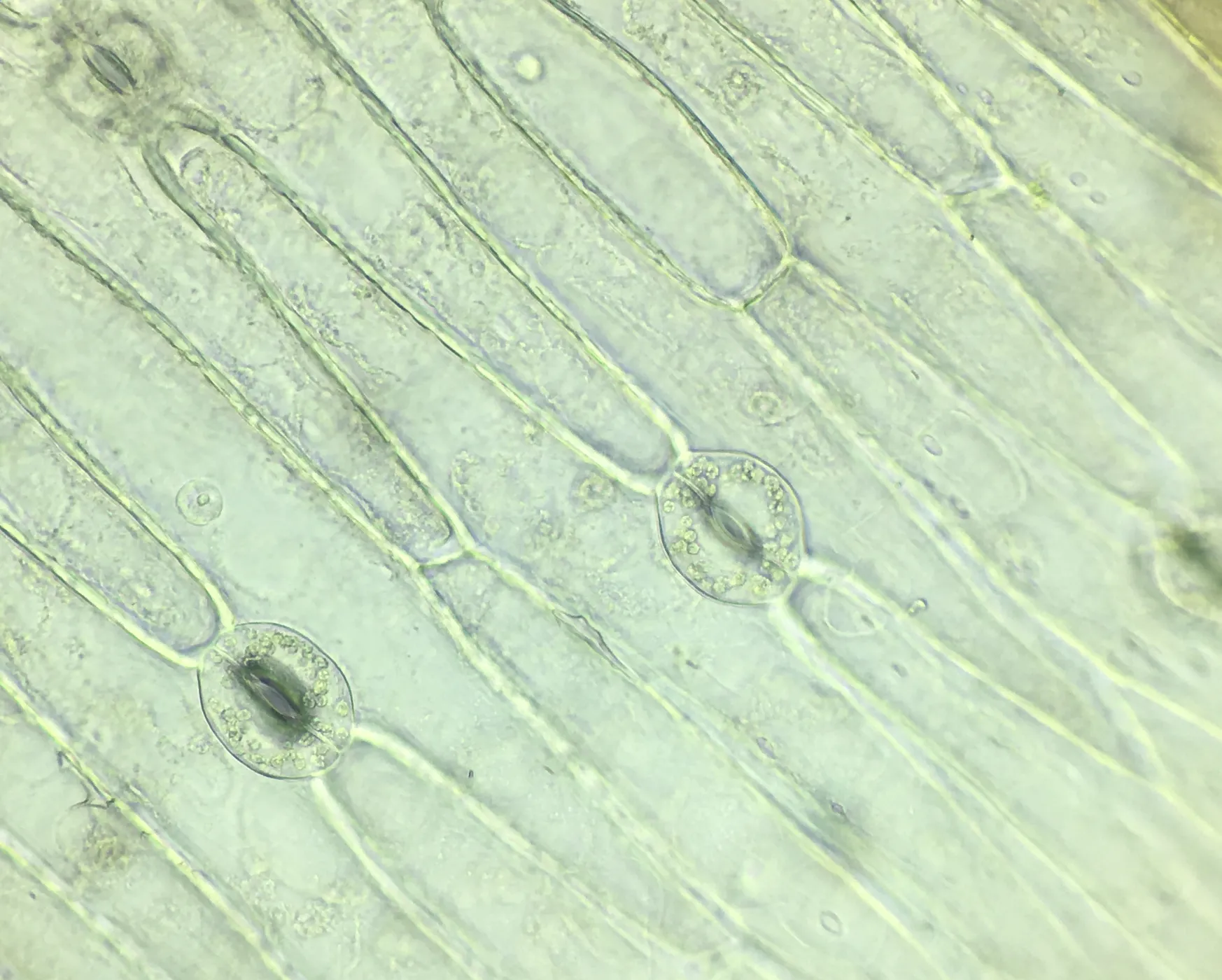
Leaf epithelium with stomata: guard cells and chloroplasts (brightfield microscopy without stains)
Micrograph of leaf epidermis obtained by brightfield microscopy without stains. Green chloroplasts located at the periphery are clearly visible in the guard cells of stomata.
Photosynthesis in two stages. The light phase occurs in the thylakoids of chloroplasts: chlorophyll captures light quanta, and the energy is used to split water and synthesize ATP and NADPH (Ingram et al., 2015). The dark phase (Calvin cycle) takes place in the chloroplast stroma: carbon dioxide binds with ribulose bisphosphate, and as a result of a series of reactions, sugars are formed (Ingram et al., 2015). The key enzyme of the cycle—RuBisCO—is the most abundant protein on Earth (Ingram et al., 2015).
Adaptations to conditions. In plants of arid habitats, leaves are often modified: they turn into spines (as in cacti), become covered with dense pubescence or a thick cuticle, and sink their stomata into special pits (Ingram et al., 2015; Zona, 2023). In some plants, such as cacti, the leaves are completely reduced, and the stem takes over photosynthesis (Zona, 2023). In shade-loving plants the palisade tissue consists of one layer of cells, whereas in light-loving plants it consists of two or three (Ingram et al., 2015). Some leaves serve for storing water (aloe, agave) or for catching insects (sundew, Venus flytrap) (Simpson, 2019).
Leaf fall. In autumn, as daylight shortens and temperatures fall, an abscission layer forms at the base of the petiole. Chlorophyll breaks down, and yellow and red pigments—anthocyanins and carotenoids—become visible. Nutrients flow from the leaf into the stem and roots, after which the leaf falls (Ingram et al., 2015). This is not a loss but a strategy: by shedding leaves, the plant reduces evaporation and survives the unfavorable season.
What matters for the gardener. The leaf is the most sensitive indicator of plant condition. Yellowing between the veins indicates a lack of magnesium or iron; marginal chlorosis indicates potassium deficiency; small pale leaves indicate nitrogen shortage (Bidlack, Jansky, 2021). Curling and deformation may be the result of viral infection or aphid damage (Blancard, 2012). Spots with halos are a sign of bacterial or fungal disease (Agrios, 2005). And symptoms such as “burn” along the edges are often associated with excess salts or phytotoxicity (Blancard, 2012).
Practical advice: inspect leaves regularly. They are the first to signal problems—whether pests, diseases, or care mistakes. A healthy leaf—smooth, firm, evenly colored—is the guarantee that the food factory is working at full capacity.
4. Flower: the organ of reproduction
The flower is a modified shoot intended for sexual reproduction. In it, male and female gametes form, pollination and fertilization occur, after which fruits and seeds develop (Mauseth, 2017). For the gardener, the flower is not only an ornament but also a key stage in the plant’s life: future harvest depends on how successfully flowering proceeds.
Structure of the flower. A typical flower consists of four parts arranged in rings (whorls). Outside are the sepals—usually green, protecting the bud. Then come the petals of the corolla, which attract pollinators with color and scent. Inside are the stamens—male organs consisting of a filament and an anther, where pollen matures. In the center is the pistil (or several carpels), the female organ, including the ovary, style, and stigma (Zona, 2023). In the ovary are ovules, from which seeds will develop after fertilization (Ingram et al., 2015).
Pollination. The transfer of pollen from the stamens to the stigma is called pollination. In wind-pollinated plants (grasses, many trees), the flowers are small, without bright petals, but produce an enormous amount of light pollen (Mauseth, 2017). In insect-pollinated plants, they are large, fragrant, with nectar and “signs” (nectar guides) that direct the insect to the nectar and at the same time make it touch the stigma and anthers (Capon, 2022). Some flowers are pollinated by birds, bats, or wind. Self-pollination (within one flower or plant) reduces genetic diversity but allows seeds to be obtained in the absence of a partner; cross-pollination increases the viability of the offspring (Zona, 2023).

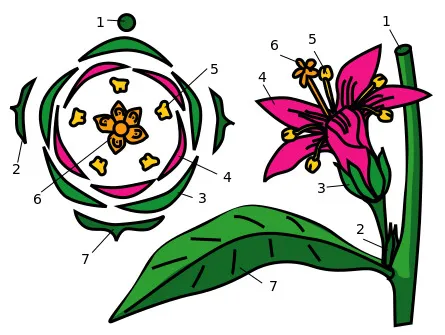
Structure of a typical flower
Botanical diagram of flower structure showing its main parts. Well suited for learning about flower structure and the functions of male and female reproductive organs.

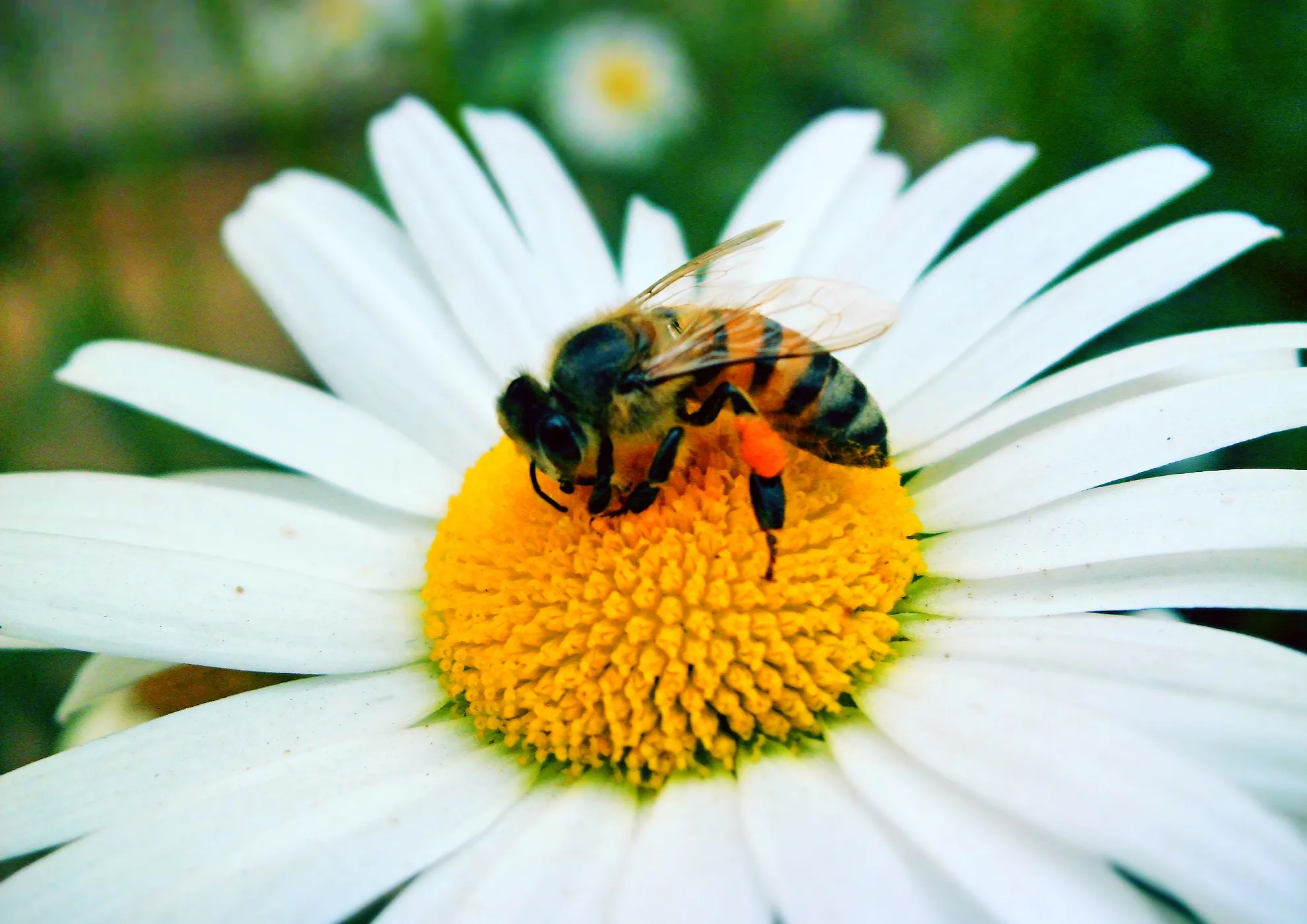
African honey bee pollinating a flower
Photograph of a honey bee Apis mellifera scutellata on a flower. A clear example of interaction between insects and flowering plants. The photo was taken in Malawi.

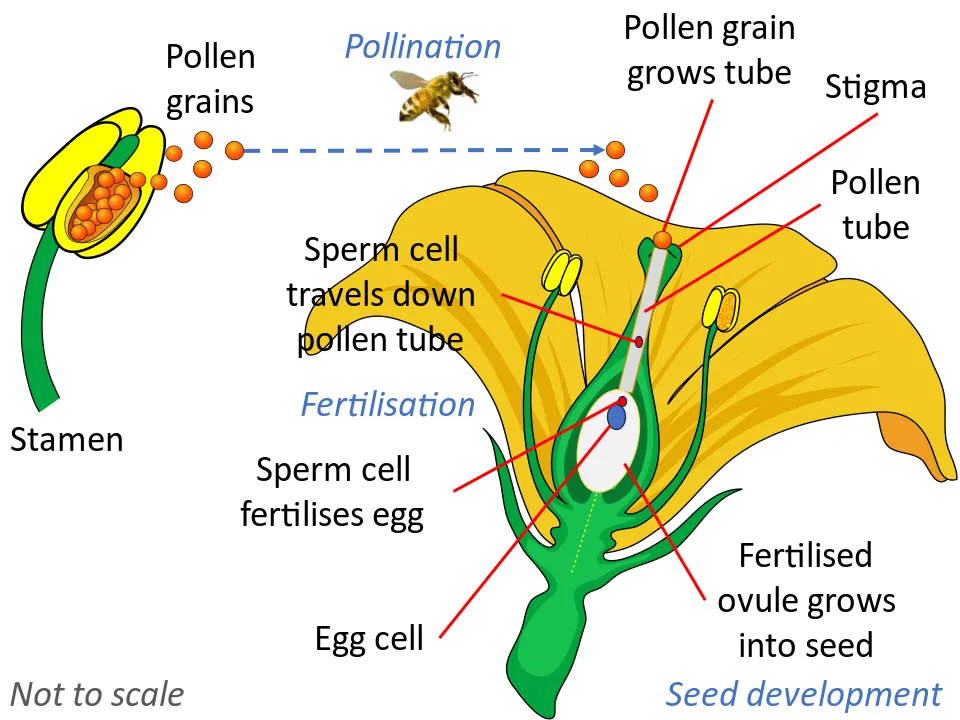
Double fertilization in flowering plants
Schematic representation of the process of fertilization of ovules by sperm cells coming from a pollen grain. Suitable for explaining the formation of the embryo and endosperm.
Fertilization. Once on the stigma, the pollen grain germinates, forming a pollen tube that grows down the style to the ovary. Inside the tube move two sperm cells. One of them fuses with the egg cell, giving rise to the embryo; the second fuses with the central cell of the ovary, forming the endosperm (nutritive tissue). This process, characteristic only of flowering plants, is called double fertilization (Bidlack, Jansky, 2021). After it, the ovary turns into the fruit, and the ovules into seeds (Ingram et al., 2015).
Practical aspects. Many gardeners encounter the situation where flowering is abundant but there is no fruit. The reasons can vary. Lack of pollinators (for example, in a greenhouse without bees) requires hand pollination—for tomatoes, it is enough to shake the flower trusses (Blancard, 2012). Too high a temperature (above 30 °C) or low humidity makes pollen sterile, and the ovaries drop (Agrios, 2005). Deficiency of boron or calcium also leads to flower drop and fruit deformation (Bidlack, Jansky, 2021). Damage to flowers by frost, pests, or diseases is another common cause of crop loss (Blancard, 2012).
Some plants have unisexual flowers: in monoecious plants (corn, pumpkin), male and female flowers are on the same plant; in dioecious plants (sea buckthorn, kiwi), they are on different plants. To obtain fruit in dioecious plants, it is necessary to plant a male and a female specimen nearby (Zona, 2023). This is important to take into account when establishing a garden.
Regional features. In the tropics, many flowers are adapted to pollination by specific animal species (hummingbirds, bats, butterflies). In temperate latitudes, wind-pollinated plants often bloom in early spring, before the leaves unfold, so that pollen is not intercepted by foliage (Mauseth, 2017). In arid zones, flowers may be small and inconspicuous but have a strong scent that attracts nocturnal pollinators (Capon, 2022).
What matters for the gardener. The flower is a signaling system. Mass dropping of buds indicates stress: drying out of the soil, lack of light, excess nitrogen, or a sharp temperature change. Deformation of flowers and “witches’ brooms” may indicate viral or mycoplasma infections (Blancard, 2012). And the absence of ovaries with normal flowering is a reason to check pollination and nutrition conditions. Careful observation of flowering helps correct care in time and preserve the harvest.

Solar Automatic Drip Irrigation Kit for Gardens
Automate watering for pots, gardens and small greenhouses. This solar-powered system features a timer to help schedule water delivery to your plants.
- Solar-powered
- 15 m irrigation hose
- Programmable watering
Affiliate link · Check included accessories.
5. Fruit: protection and dispersal of seeds
Fruit is the mature ovary of a flower, which develops after fertilization and contains seeds. Its main task is to protect the forming seeds from unfavorable conditions and ensure their dispersal (Zona, 2023). For the gardener, the fruit is not only the harvest but also an important indicator of plant health: its shape, color, and quality can tell about the adequacy of nutrition, moisture, and the general condition of the crop.

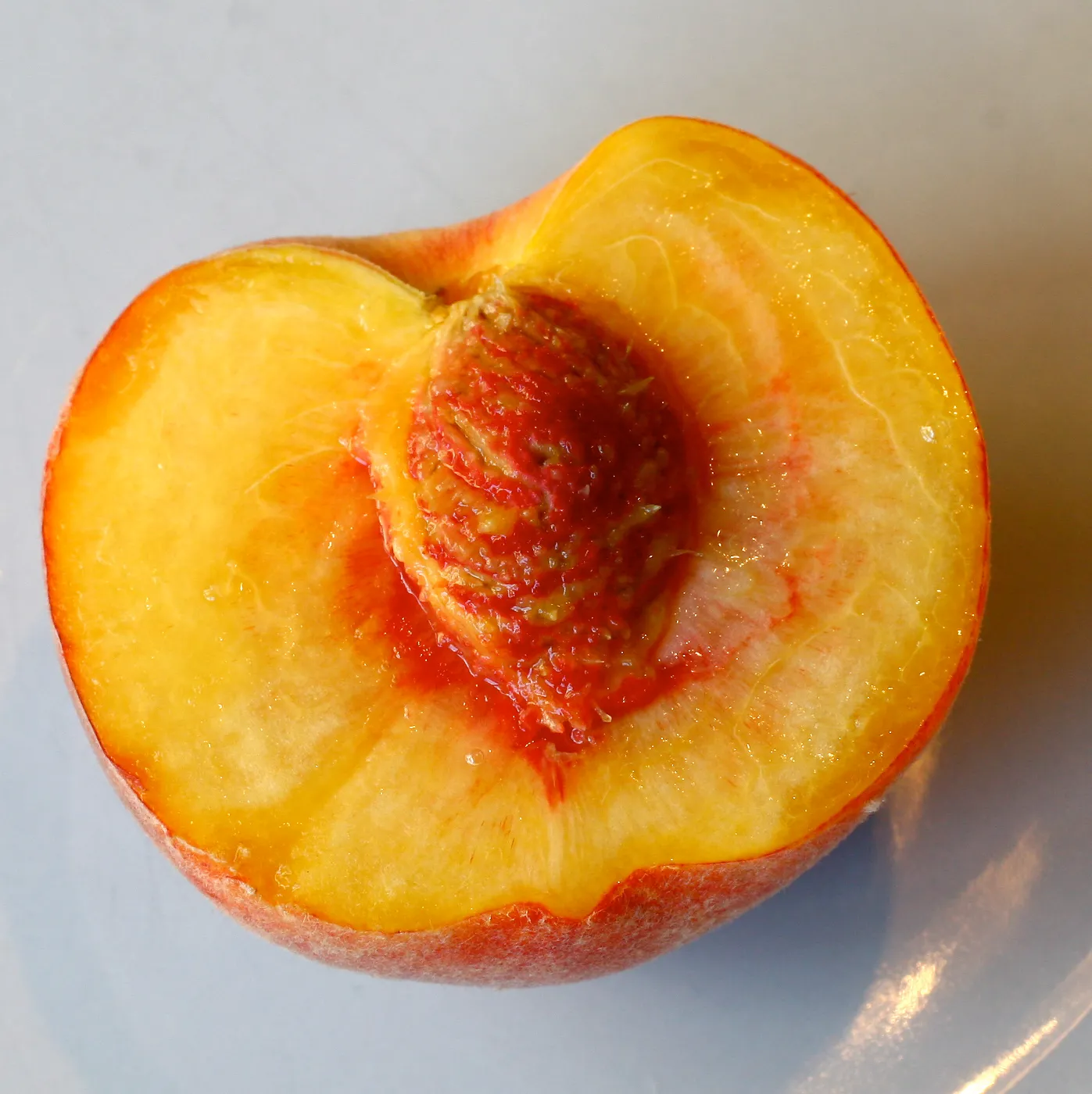
Peach in cross-section
Photograph of peach halves (Prunus persica), allowing one to see the juicy flesh (pericarp) and the hard stone.
Structure of the fruit. The wall of the fruit is called the pericarp and is often divided into three layers: outer (exocarp), middle (mesocarp), and inner (endocarp). In a cherry, the exocarp is a thin skin, the mesocarp is juicy flesh, and the endocarp is a hard stone. In a peach, the same three layers are even more pronounced, while in a tomato all the layers are juicy and merge into a single flesh (Mauseth, 2017). Such diversity reflects adaptation to different methods of seed dispersal.
Types of fruits. Botanists divide fruits into dry and fleshy, as well as dehiscent and indehiscent (Simpson, 2019). Dry fruits (capsules, pods, nuts, achenes) are dispersed by wind, water, or animals but do not attract them with juicy flesh. Fleshy fruits (berries, drupes, pomes) serve as bait for animals, which eat the flesh and disperse the seeds with their excrement (Zona, 2023). Indehiscent fruits (nut, grain) retain seeds until germination, while dehiscent fruits (pod, capsule) actively throw them out (Ingram et al., 2015).
Fruits and dispersal. The methods of dispersal of fruits and seeds are diverse. Anemochory is dispersal by wind: wings in maple, parachutes in dandelion, fluffy tufts in willow. Hydrochory is transport by water: coconut fruits can float across the ocean for weeks while retaining viability (Bidlack, Jansky, 2021). Zoochory is dispersal by animals: bright juicy fruits attract birds and mammals, which eat them and carry the seeds. Some fruits cling to fur or clothing with hooks and spines (burdock, cocklebur) (Zona, 2023). Autochory is self-dispersal: the squirting cucumber shoots out seeds when ripe, and peas twist the valves of the pod, scattering the peas (Mauseth, 2017).
Practical significance. For the gardener, the fruit is the result of the season and a source of seeds for future sowings. However, fruits do not always develop normally. Small, deformed fruits often indicate a lack of nutrition (especially potassium and calcium), irregular watering, or pest damage (Blancard, 2012). Cracking of fruits in tomatoes and cabbage is associated with sharp fluctuations in soil moisture: after drought, abundant watering causes cells to swell rapidly, and the skin cannot withstand it (Ingram et al., 2015). Rots on fruits are a sign of fungal or bacterial infections that can be transmitted to seeds (Agrios, 2005).
Regional features. In the tropics, many fruits are adapted to dispersal by specific animals: for example, fig fruits are eaten by bats, and durian fruits by monkeys and elephants (Zona, 2023). In temperate latitudes, fruits dispersed by wind and birds predominate. In arid regions, fruits are often dry and light so that they spread quickly by wind, or have a thick shell protecting the seeds from drying out (Serebryakov, 1958).
What matters for the gardener. Observing fruits helps identify problems in time. If fruits become smaller, check potassium and phosphorus supply. If spots or cracks appear on the skin, the plant may be suffering from moisture fluctuations or diseases. And collecting seeds from well-developed, healthy fruits is the key to obtaining strong offspring in the next season. Remember: the fruit is not only food but also the plant’s way of continuing its kind, and our task is to help it do so.
6. Seed: new life
Seed is a miracle of nature, in which a whole plant is contained in miniature. Inside the dense coat is hidden an embryo with the rudiments of root, stem, and leaves, surrounded by a reserve of nutrients. A seed can survive unfavorable conditions—cold, drought, lack of light—and germinate at the moment when circumstances become suitable (Zona, 2023). For the gardener, the seed is the beginning of a new season and at the same time an object of close attention: future harvest depends on seed quality and proper sowing.
Structure of the seed. A typical seed consists of three parts: the embryo, the storage tissue, and the seed coat (Bidlack, Jansky, 2021). The embryo is a miniature plant with an embryonic root (radicle), embryonic stem (hypocotyl), and one or two cotyledons. In dicots (bean, pumpkin, apple), the cotyledons are usually large and fleshy; in monocots (grasses, onion, palms), they are shield-shaped and thin (Mauseth, 2017). The reserve of nutrients is deposited either in the endosperm (grasses, celery, beet), or in the cotyledons (legumes, cucurbits), or in the perisperm (spinach, pepper) (Ingram et al., 2015). The seed coat protects the embryo from mechanical damage, drying out, and penetration of pathogens (Agrios, 2005).
Seed dormancy. Most seeds do not germinate immediately after maturation—they are in a state of dormancy. This is an evolutionary adaptation that allows them to survive an unfavorable season and wait for conditions favorable for seedling survival (Bidlack, Jansky, 2021). Dormancy may be caused by a hard, waterproof seed coat, an underdeveloped embryo, or the presence of chemical inhibitors (for example, abscisic acid) in the coat (Hopkins, Hüner, 2009). Breaking dormancy is an important stage for the gardener: without it, seeds may lie in the ground for months and not sprout.
Methods of breaking dormancy. Scarification is mechanical or chemical damage to the hard coat, imitating the action of sand, stones, or acid in an animal’s stomach. At home, you can rub the seeds with sandpaper or soak them in hot water (Griffiths, 2026). Stratification is keeping seeds in a moist substrate at low temperature (0–5 °C) for several weeks or months, which imitates wintering. This technique is necessary for many trees and shrubs (apple, hawthorn, maple) (Ingram et al., 2015). Some seeds require exposure to light (lettuce, petunia) or, conversely, complete darkness (onion, phlox) (Bidlack, Jansky, 2021).

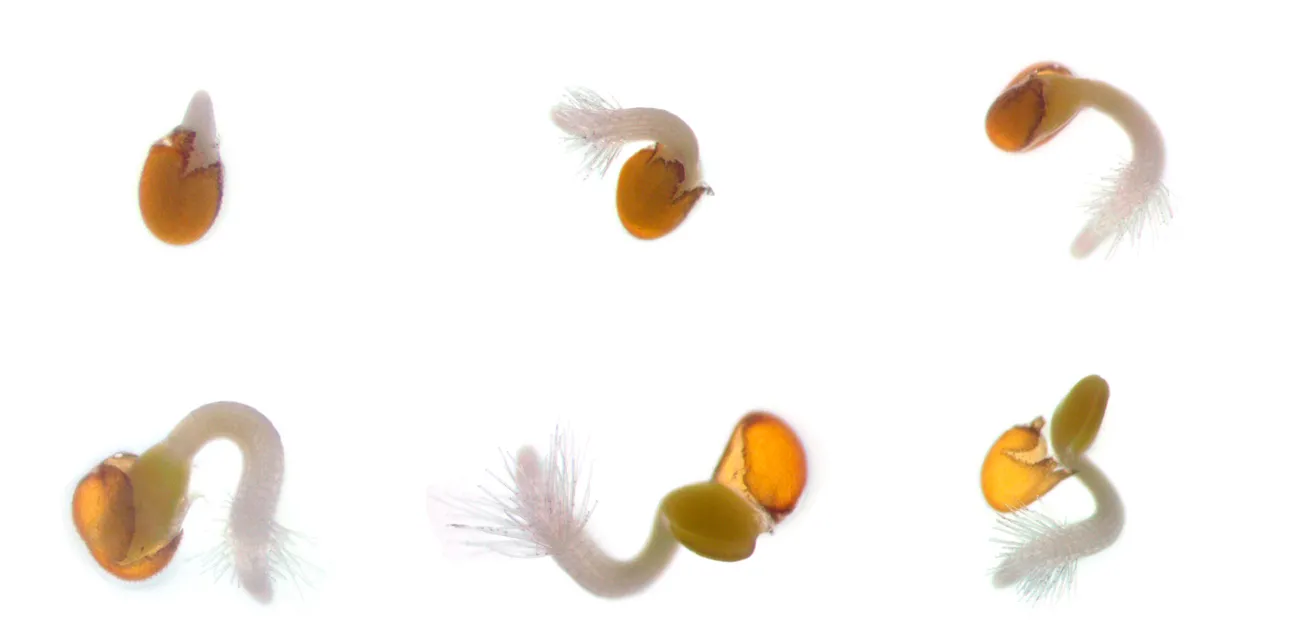
Stages of Arabidopsis seed germination
The photograph shows several successive stages of seed germination in Arabidopsis thaliana: from the initial development of the embryonic root to the formation of young seedlings.
Germination. The first stage is swelling: the seed absorbs water, swells, and the coat ruptures. This process is called imbibition and does not require the participation of living cells—it is caused by physical forces (Hopkins, Hüner, 2009). Then metabolism is activated: reserve substances (starch, proteins, fats) are broken down by enzymes into simple compounds that are transported to the embryo (Bidlack, Jansky, 2021). The root is the first to start growing, anchoring the seedling in the soil; then the stem elongates, bringing the cotyledons and the first pair of true leaves to the light (Mauseth, 2017). Until the seedling begins to photosynthesize on its own, it lives on the reserves of the seed (Zona, 2023).
Conditions for germination. Seeds need three main factors: water, oxygen, and suitable temperature (Bidlack, Jansky, 2021). Water is necessary for swelling and activation of enzymes; oxygen for respiration of the embryo; temperature for triggering biochemical reactions. The optimal range for most vegetable crops is 20–25 °C, but in cold-resistant crops (lettuce, spinach, radish) it is lower, and in heat-loving crops (cucumber, tomato, pepper) it is higher (Ingram et al., 2015). Sowing depth depends on seed size: the larger the seed, the deeper it can be planted. Small seeds (petunia, poppy) are sown on the surface, barely covered with soil (Griffiths, 2026).
Seed storage. To keep seeds viable until the next season, they must be stored in a dry, cool place, in paper bags or closed containers with silica gel (Griffiths, 2026). Moisture and heat are the main enemies: they trigger respiration and deplete reserves, and also promote mold development (Agrios, 2005). Seeds with a hard coat (legumes, cucurbits) store longer than juicy or thin-coated ones (onion, carrot) (Bidlack, Jansky, 2021).
Regional features. In the tropics, many seeds quickly lose viability due to high humidity and temperature, so they are stored in airtight containers with a desiccant (Zona, 2023). In arid regions, seeds often have a thick coat and germinate only after abundant rains that wash out inhibitors (Mauseth, 2017). In temperate latitudes, most seeds require stratification to synchronize germination with spring warmth (Ingram et al., 2015).
What matters for the gardener. If seeds do not germinate, there may be several reasons: too deep planting, drying out or waterlogging of the soil, low temperature, a hard coat, or internal dormancy. Check the expiration date, try scarification or stratification, and adjust watering. And if seedlings have appeared but grow weakly, the reserve of nutrients in the seed may have been insufficient due to improper storage. The seed is the beginning of new life, and creating the right conditions for its awakening is the first step to a successful garden.

7-in-1 Wi-Fi Weather Station
Monitor local weather conditions with a wireless outdoor sensor. Track temperature, humidity, rainfall, wind speed and direction, and atmospheric pressure. Ideal for gardens, farms and greenhouses.
- Wireless outdoor sensor
- Solar-powered
- Wi-Fi connectivity
Affiliate link · Check regional compatibility.
7. How the parts work together
A plant is not a sum of separate organs but a single organism in which each part depends on the others. Root, stem, leaf, flower, fruit, and seed are connected in a continuous network of metabolism and signals. Understanding these connections helps the gardener see the whole picture rather than individual symptoms.

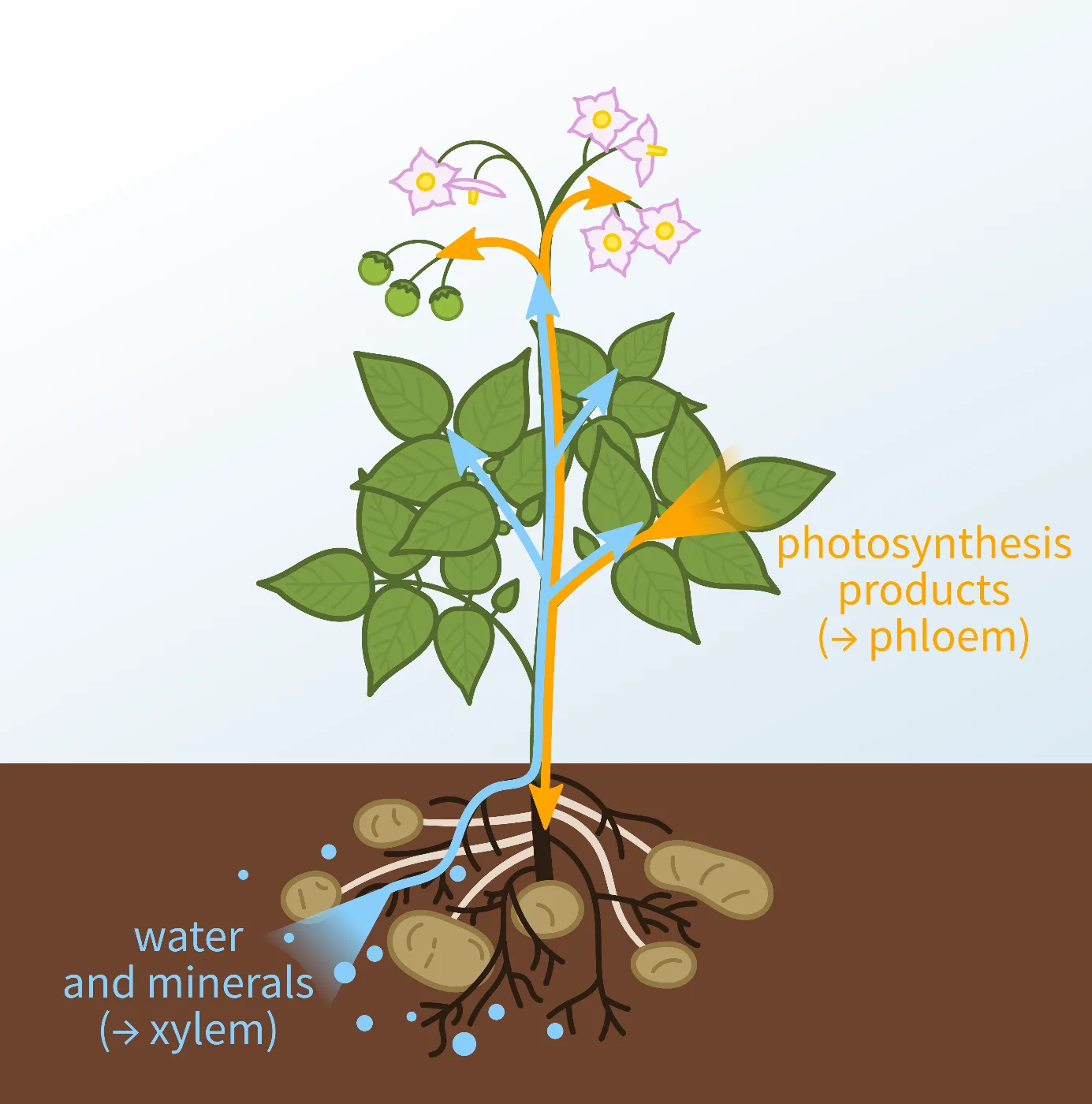
Diagram of water and photosynthetic product transport in a plant
Illustration showing the direction of movement of water and minerals through xylem (blue) from roots upward, as well as transport of photosynthetic products through phloem (orange) from sources to consumer organs (roots, storage organs, flowers, fruits). It is noted that at the beginning of the growing season storage organs can act as a source and leaves as a sink.
Transport network. Water and mineral salts absorbed by the root rise through the xylem to the leaves. This upward flow is driven by transpiration—the evaporation of water through the stomata (Bidlack, Jansky, 2021). Sugars formed in the leaves flow out through the phloem to the roots, growing shoots, fruits, and seeds. The phloem works on the principle “from source to sink”: the donor leaf gives, the root or fruit sink receives (Ingram et al., 2015). Such a cycle links the aboveground and underground parts into a single whole.
Source–sink relationships. At every moment of the plant’s life, some organs produce or store nutrients while others consume them. Young leaves are sinks; they receive sugars from mature leaves. Root crops and tubers are storage sources that give up accumulated reserves when growth resumes (Medvedev, 2012). Fruits and seeds are powerful sinks: developing seeds release hormones that direct the flow of assimilates to them (Bidlack, Jansky, 2021). If there are too many sinks (for example, many fruits have set), the plant may become exhausted, and some ovaries drop—this is natural self-regulation.
Hormonal regulation. Growth and development are coordinated by phytohormones. Auxins, synthesized in the shoot tip, suppress the growth of lateral buds (apical dominance) but stimulate the formation of lateral roots. Cytokinins, formed in the roots, by contrast, stimulate shoot growth and inhibit the initiation of lateral roots (Medvedev, 2012). Gibberellins control cell elongation and seed germination, abscisic acid controls dormancy and stomatal closure during drought, and ethylene controls fruit ripening and leaf aging (Hopkins, Hüner, 2009). The balance of these substances determines where the plant directs resources at a given moment.
Response to external conditions. The plant responds sensitively to light, temperature, humidity, and nutrition. With insufficient light, the stem elongates, and the leaves become thinner and paler. During drought, stomata close, growth slows, and roots, on the contrary, actively grow in search of water (Ingram et al., 2015). With excess nitrogen, the plant “grows vegetatively”—it builds green mass to the detriment of fruiting. These reactions are the result of interaction of all organs, not of a single root or leaf.
Practical conclusion. Any intervention in the plant’s life—watering, pruning, fertilizing—affects the entire system. Watering affects the roots, but through them the leaves and fruits. Pruning changes the hormone balance and redistributes nutrients. Nitrogen fertilization stimulates shoot growth but may delay flowering. Therefore, when making a decision, it is useful to think of the plant as a single whole, not as a set of separate organs.
8. What happens when each part is damaged
Every damage or change in a part of the plant body is a signal about what it lacks. The ability to read these signals is the key to timely diagnosis and proper care.
Root. Root damage is the most dangerous and difficult-to-diagnose problem. Root rot under waterlogging manifests as leaf wilting even though the soil is moist (Bidlack, Jansky, 2021). Darkening and softening of the root collar indicates fungal infections (Agrios, 2005). Tearing of fine roots during transplanting leads to temporary wilting and growth arrest until new hairs grow (Ingram et al., 2015). If roots are eaten by pests (wireworm, mole cricket), the plant is easily pulled out of the soil, and passages or larvae are visible on the roots.
Stem. Damage to the conducting tissues of the stem disrupts transport. Girdling damage to the bark deprives the roots of nutrition, and the plant dies (Ingram et al., 2015). A broken stem causes wilting of part of the crown. Cracks and frost cracks become gates for infections (Agrios, 2005). Curvature of the stem indicates lack of light; lodging indicates weakness of tissues due to excess nitrogen or waterlogging.
Leaf. Leaves are the first to react to stress. Yellowing between the veins is magnesium or iron deficiency; marginal chlorosis is potassium shortage; small pale leaves are nitrogen deficiency (Bidlack, Jansky, 2021). Curling and deformation are viruses or aphids (Blancard, 2012). Spots with halos are bacterial and fungal diseases (Agrios, 2005). Edge burn is excess salts or phytotoxicity (Blancard, 2012).
Flower. Dropping of buds and flowers is a reaction to stress: drying out, waterlogging, a sharp temperature change, or boron deficiency (Ingram et al., 2015). Deformation of flowers and “witches’ brooms” are a sign of mycoplasma or viral infections (Blancard, 2012). Absence of ovaries with normal flowering is poor pollination or pollen sterility due to heat (Agrios, 2005).
Fruit. Small fruits indicate a lack of potassium, phosphorus, or moisture. Cracking indicates sharp fluctuations in soil moisture (Ingram et al., 2015). Rots are fungal or bacterial infections, often transmitted to seeds (Agrios, 2005). Deformation and uneven ripening are viral diseases or pest damage (Blancard, 2012).
Seed. Poor germination is a consequence of improper storage, deep planting, drying out, or a hard coat (Griffiths, 2026). Weak seedlings indicate an insufficient reserve of nutrients in the seed or damage by soil pathogens (Bidlack, Jansky, 2021).
General principle. Any deviation is not a verdict but a clue. Observe the plant as a whole: the condition of roots, stem, leaves, and fruits is interconnected. And remember: it is better to prevent damage than to treat its consequences.

40W Full Spectrum LED Grow Light
Support healthy plant growth with full-spectrum LED lighting. Ideal for seedlings, indoor plants and small growing spaces. A practical solution for indoor gardening and year-round cultivation.
- Full-spectrum LED
- Energy-efficient design
- Indoor plant growing
Affiliate link · Check actual power and light coverage.
9. Regional aspect: in plants of different climates, parts may be modified
Plants adapt to climate by modifying their organs. These adaptations help them survive drought, cold, excess moisture, or lack of light. It is useful for the gardener to know such modifications in order to care for plants properly and use their features.

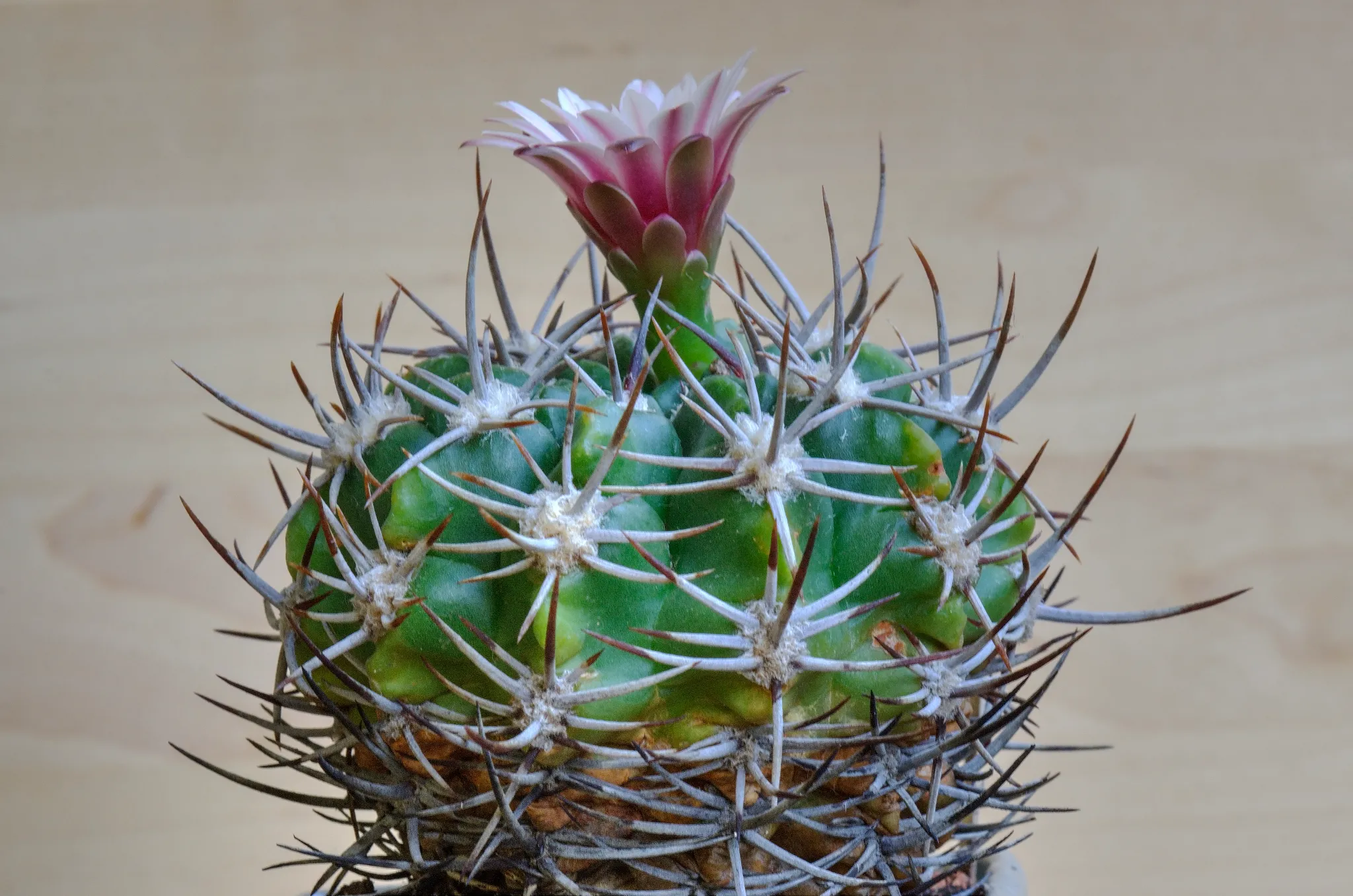
Gymnocalycium mostii cactus
Photograph of a flowering cactus Gymnocalycium mostii. It illustrates the structural features of cacti, their spines, and their adaptation to life under conditions of water deficiency.
Thorns, spines, and prickles. In arid regions, leaves often turn into spines—this reduces evaporation and protects against herbivores. In cacti, spines are modified leaves, while the stem takes over photosynthesis and water storage (Zona, 2023). In hawthorn and blackthorn, thorns are modified shortened shoots (Serebryakov, 1958). And in roses and blackberries, prickles are outgrowths of the epidermis that do not have conducting tissues (Mauseth, 2017). When pruning, it is important to distinguish these structures: removing branches with true thorns requires special care.
Bulbs, tubers, rhizomes. In temperate and cold climates, plants often store nutrients in underground organs in order to survive winter. A bulb is a shortened shoot with succulent scale-like leaves (onion, tulip, narcissus). A tuber is a thickened underground stem with buds (potato, Jerusalem artichoke). A rhizome is a horizontal underground stem serving for vegetative propagation and surviving unfavorable seasons (iris, ginger, couch grass) (Ingram et al., 2015). All these organs are modified shoots, not roots, and bear renewal buds (Serebryakov, 1958).

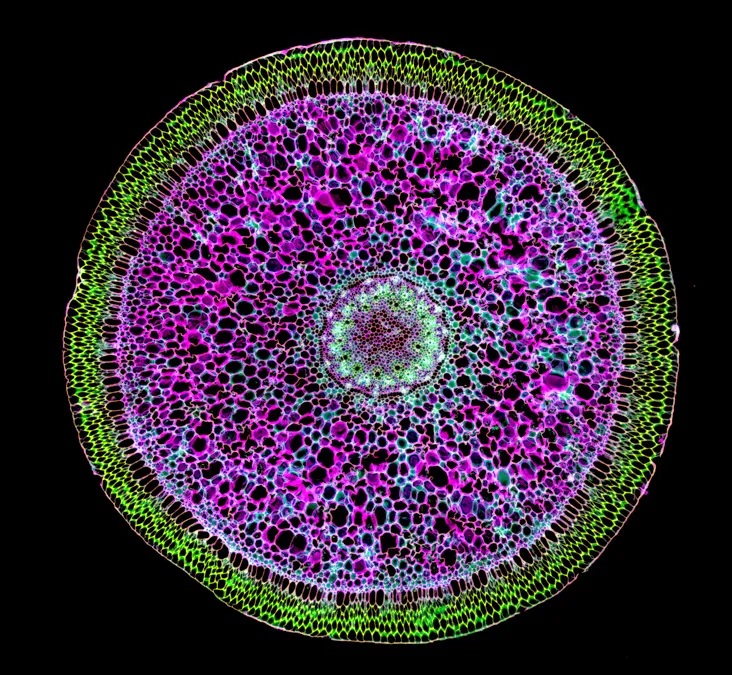
Cross section of an orchid aerial root: velamen
Micrograph of a cross section of an orchid aerial root. The outer layer of the root is represented by the velamen, which consists of several layers of dead cells.
Succulent organs. In deserts and semi-deserts, plants store water in fleshy stems (cacti, spurges) or leaves (aloe, agave, jade plant). Such plants require well-drained soil and infrequent watering—excess moisture is destructive for them (Zona, 2023). In tropical forests, many epiphytes (orchids, bromeliads) have aerial roots covered with velamen—a spongy tissue that absorbs moisture from the air (Simpson, 2019).
Trends by climate. In arid zones, spines, succulence, and deep roots predominate. In cold zones, underground storage organs allow plants to survive frosts. In the tropics, there are aerial roots, tendrils for climbing, and large leaves for capturing light in shade (Mauseth, 2017). Wind-pollinated plants of temperate latitudes often bloom before leaves unfold so that pollen is not intercepted (Capon, 2022).
Practical advice. When growing plants with modified organs, take their origin into account. Bulbous plants need good drainage and a rest period; rhizomatous plants can spread and require restriction; cacti and succulents are watered rarely and abundantly, but not often. Knowledge of these features helps create conditions close to natural and avoid care mistakes.
10. Conclusion: knowing the structure makes it easier to understand signs of problems
We have examined what parts a plant consists of and why each is needed. Now it is important to understand the main point: structure is the key to diagnosis. When a gardener knows how the root, stem, leaf, flower, fruit, and seed are structured, they can use external signs to determine what the plant lacks or what is damaging it.
Root. If the plant wilts and the soil is moist, most likely the roots have rotted due to waterlogging or soil compaction (Bidlack, Jansky, 2021). If growth is slowed and leaves are pale, the root system may be damaged by pests or unable to reach nutrients (Ingram et al., 2015).
Stem. Curvature and elongation indicate lack of light. Lodging indicates excess nitrogen or weak tissues. Girdling damage to the bark is a signal that the plant may die because the phloem is cut (Agrios, 2005).
Leaf. Yellowing between the veins is magnesium or iron deficiency. Marginal chlorosis is potassium shortage. Small pale leaves are nitrogen deficiency. Spots with a halo are bacterial or fungal infection (Blancard, 2012). Curling is a virus or aphids (Agrios, 2005).
Flower. Dropping of buds is stress: drought, waterlogging, heat. Absence of ovaries is poor pollination or pollen sterility. Deformation is mycoplasmas or viruses (Blancard, 2012).
Fruit. Small fruits indicate a lack of potassium and moisture. Cracking indicates sharp fluctuations in moisture. Rots are fungal or bacterial infections (Agrios, 2005).
Seed. Poor germination is improper storage, deep planting, or a hard coat. Weak seedlings indicate an insufficient reserve or soil pathogens (Griffiths, 2026).
Main principle. A plant is a single organism. A problem on the leaves may be caused by the condition of the roots. Absence of fruits may be due to a lack of pollinators or nutrition. Therefore, before treating a symptom, look at the whole plant and remember how it is structured.
Knowledge of structure is not academic theory but a practical tool. It helps notice a problem in time, make the correct diagnosis, and choose the right solution. And therefore—to grow a healthy garden and obtain a good harvest.
References
- (2015). ‘The plant body: structure and function’, in Ingram, D.S., Vince-Prue, Daphne, Gregory, P.J. (ed.) Science and the Garden. The scientific basis of horticultural practice. West Sussex, UK: Royal Horticulture Society. Wiley Blackwell, pp. 14-36.
- Agrios, G.N. (2005). ‘How Pathogens Attack Plants’, in Plant Pathology. London, UK: ACADEMIC PRESS, pp. 177-206.
- Bidlack, J. E., Jansky, S. H. (2021). ‘Water in Plants’, in Stern's Introductory Plant Biology. New York: McGraw-Hill Education, pp. 143-161.
- Blancard, Dominique (2012). Tomato Diseases: Identification, Biology and Control. 2nd ed. London, UK / Waltham, MA, USA / San Diego, CA, USA: Academic Press (an imprint of Elsevier).
- Capon, Brian (2022). ‘Reproduction and Inheritance’, in Botany for Gardeners. An Introduction to the Science of Plants. Portland, Oregon: Timber Press, pp. 193-240.
- Capon, Brian (2022). ‘The Structure and Growth of Plants’, in Botany for Gardeners. An Introduction to the Science of Plants. Portland, Oregon: Timber Press, pp. 11-87.
- Evert, R.F. (2006). ‘Structure and Development of the Plant Body — An Overview’, in Esau's Plant Anatomy: Meristems, Cells, and Tissues of the Plant Body: Their Structure, Function, and Development. Hoboken, New Jersey, USA: John Wiley & Sons, Inc., pp. 1-13.
- Graham, L.E., Graham, J.M., Wilcox, L.W. (2014). ‘Plant Structure, Growth, and Development’, in Plant Biology. Harlow: Pearson Education Limited, pp. 165-181.
- Griffiths, Michael (2026). ‘Getting Started’, in The Easy Garden. New York, NY: Penguin Random House, .
- Hartmann, H.T., Kester, D.E., Davies, F.T.J., Geneve, R.L. (2011). ‘Principles of Propagation from Seeds’, in Hartmann & Kester's Plant Propagation Principles and Practices. USA: Pearson Education, pp. 211-262.
- Hopkins, W.G., Hüner, N.P..A. (2009). ‘Development: An Overview’, in Introduction to Plant Physiology. Hoboken, NJ: John Wiley & Sons, pp. 275-288.
- Mauseth, J. D. (2017). ‘Flowers and Reproduction’, in Botany: An Introduction to Plant Biology. Burlington, MA: Jones & Bartlett Learning, ch. 9.
- Pratt, M.M. (2005). ‘The Parts of a Plant – and Looking After Them’, in Practical Science for Gardeners. Portland, Oregon: Timber Press, pp. 20-42.
- Simpson, M. G. (0). ‘Plant Morphology’, in Plant Systematics. Amsterdam: Academic Press (imprint of Elsevier), pp. 938-1056.
- Zona, Scott (2026). ‘Plant Parts and What They Do’, in A Gardener's Guide to Botany. Beverly, MA: Cool Springs Press, .
- Zona, Scott (2026). ‘Reproduction’, in A Gardener's Guide to Botany. Beverly, MA: Cool Springs Press, .
- Zona, Scott (2026). ‘Seed Dispersal’, in A Gardener's Guide to Botany. Beverly, MA: Cool Springs Press, .
- Медведев, С.С. (2012). ‘Физиология роста и развития растений [Physiology of plant growth and development]’, in Физиология растений [Physiology of plants]. Санкт-Петербург: БХВ-Петербург, pp. 329-384.
- Потапов, В.А., Фаустов, В.В., Пильщикова, Ф.Н. (2000). ‘Биологические основы плодоводства [Biological foundations of fruit growing]’, in Плодоводство [Fruit growing]. Москва: Колос, pp. 3-124.
- Серебряков, И.Г. (1952). Морфология вегетативных органов высших растений [Morphology of vegetative organs of higher plants]. Москва: Советская наука.
- Третьяков, Н.Н. (2000). ‘Минеральное питание растений [Mineral nutrition of plants]’, in Физиология и биохимия сельскохозяйственных растений [Physiology and biochemistry of agricultural plants]. Москва: Колос, pp. 280-345.
- Третьяков, Н.Н. (2000). ‘Рост и развитие растений [Plant growth and development]’, in Физиология и биохимия сельскохозяйственных растений [Physiology and biochemistry of agricultural plants]. Москва: Колос, pp. 365-492.
- Третьяков, Н.Н. (2000). ‘Фотосинтез [Photosynthesis]’, in Физиология и биохимия сельскохозяйственных растений [Physiology and biochemistry of agricultural plants]. Москва: Колос, pp. 88-166.
